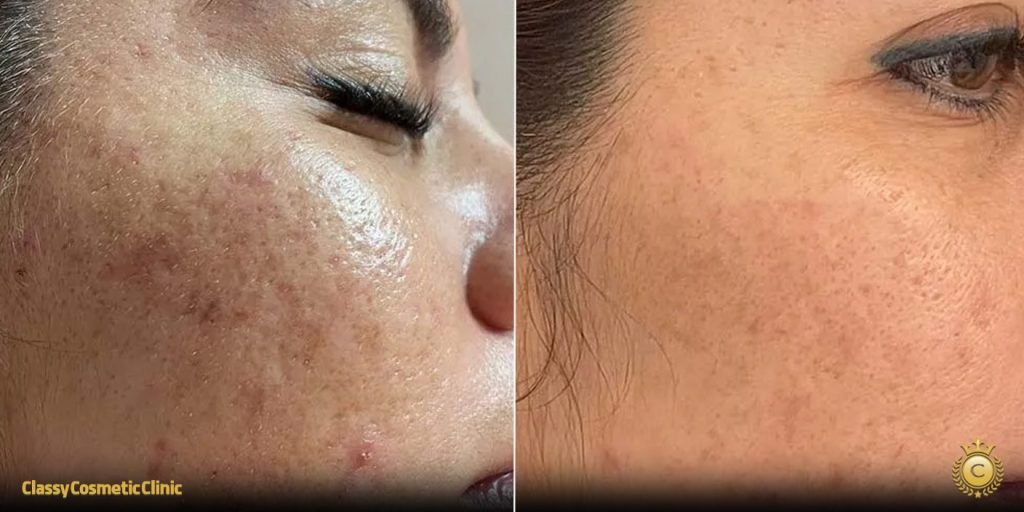
Imagine looking in the mirror and seeing your skin transformed—fewer acne scars, a smoother texture, and a radiant glow. This isn’t just a dream; it’s a reality that many have achieved through microneedling.
You’re probably wondering if this treatment can work for you, too. The good news is that microneedling has become a popular solution for tackling stubborn acne scars. But what can you truly expect before and after the procedure? We’ll dive into the transformative effects of microneedling on acne scars, backed by real experiences and results.
Discover how this innovative treatment could be your next step to clearer, more confident skin. Keep reading to find out how you can embrace a new chapter in your skincare journey.
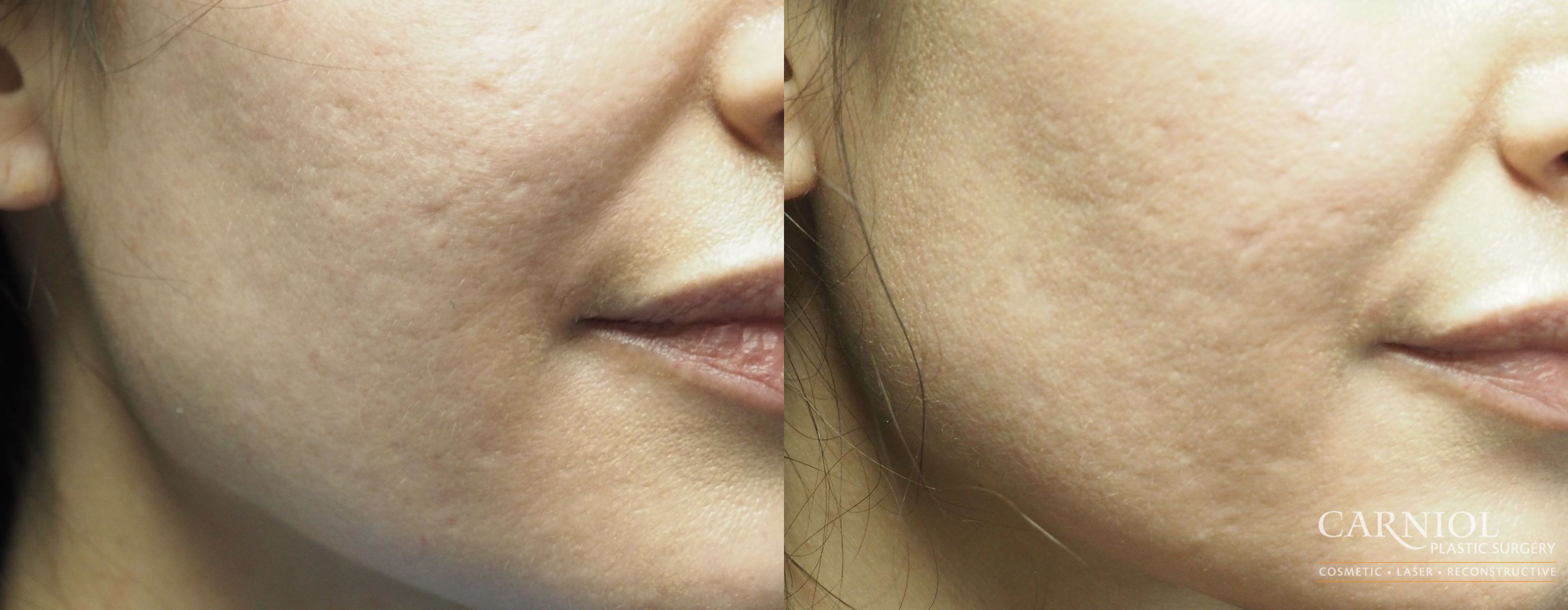
Credit: drcarniol.com
What Is Microneedling?
Microneedling is a popular skincare treatment known for its ability to improve the appearance of acne scars. It involves creating tiny punctures in the skin using fine needles. These micro-injuries trigger your skin’s natural healing process, encouraging collagen and elastin production.
Many people notice visible improvements in their skin texture and tone after a few sessions. But what exactly happens during microneedling, and why does it work so well for acne scars?
How Does Microneedling Work?
The process uses a device covered with small needles that gently puncture the top layer of your skin. These tiny wounds are so small that they don’t cause real damage but stimulate your body to repair itself.
This repair process leads to increased collagen, which fills in acne scars and smooths out the skin’s surface. Think of it as jump-starting your skin’s own regeneration system.
What Can You Expect During A Session?
During microneedling, your skin is cleaned and sometimes numbed with a topical anesthetic. The treatment device is then rolled or stamped over the affected area, creating controlled micro-injuries.
The procedure usually takes about 30 minutes to an hour. You might experience some redness and mild swelling afterwards, similar to a mild sunburn.
Is Microneedling Safe For All Skin Types?
Microneedling is generally safe for most skin tones and types. Unlike some laser treatments, it carries a lower risk of pigmentation changes, which is important if you have darker skin.
However, avoid microneedling if you have active acne, skin infections, or certain skin conditions. Consulting a dermatologist before starting treatment can help you avoid complications.
How Soon Will You See Results?
Results don’t appear overnight. Your skin needs time to produce new collagen and heal. Most people begin to see improvements in texture and scar depth after 4 to 6 weeks.
Multiple sessions are often recommended to achieve the best outcome. Patience is key, but the gradual change can be very rewarding.
How Microneedling Targets Acne Scars
Understanding how microneedling targets acne scars can help you decide if this treatment fits your skincare goals. This technique works by stimulating your skin’s natural healing process. By creating tiny, controlled injuries, it encourages collagen and elastin production—two key proteins that smooth out scarred skin.
Stimulating Collagen Production
Your skin’s collagen acts like a natural filler, plumping up areas where acne scars have caused indentations. Microneedling triggers your body to produce fresh collagen around the tiny punctures it creates. This new collagen fills in scars gradually, leading to smoother, more even skin texture.
Think about how your skin repairs a small cut or scrape—microneedling uses this same principle but targets deeper layers to improve scar tissue. Have you noticed how your skin looks firmer and healthier after a few weeks of treatment?
Breaking Down Scar Tissue
Acne scars often involve hardened scar tissue that pulls the skin inward. Microneedling helps break down this tough tissue by disrupting it mechanically. The micro-injuries promote remodeling, allowing old scar tissue to be replaced with healthy skin cells.
This process can soften the appearance of scars over time, making them less noticeable. When scars feel tight or rigid, microneedling offers a way to gently release that tension and improve flexibility in the skin.
Enhancing Product Absorption
After microneedling, your skin becomes more receptive to topical treatments. The tiny channels created allow serums and moisturizers to penetrate deeper layers effectively. Using products rich in vitamins or growth factors right after treatment can boost healing and scar reduction.
Have you ever applied a cream and wondered if it really reached the deeper skin layers? Microneedling helps solve that problem, making your skincare routine more powerful and efficient.
Preparing For A Microneedling Session
Preparing for a microneedling session is important to get the best results. Proper preparation helps your skin heal faster and reduces side effects. It also makes the treatment more effective for acne scars.
Start by understanding your skin type and condition. This helps your practitioner choose the right needle length and technique. Follow any advice your skincare expert gives you closely.
Stop Using Certain Skincare Products
Avoid products that irritate your skin before the session. These include retinoids, exfoliants, and acids like glycolic or salicylic acid. Stop using them at least three days before treatment. This reduces redness and sensitivity during microneedling.
Keep Your Skin Clean And Hydrated
Wash your face gently with a mild cleanser on the day of treatment. Avoid heavy creams or makeup. Drink plenty of water in the days leading up to your session. Well-hydrated skin responds better and recovers faster.
Avoid Sun Exposure
Protect your skin from the sun for at least one week before microneedling. Sunburned or tanned skin can increase the risk of irritation and complications. Use a broad-spectrum sunscreen daily and wear a hat when outside.
Discuss Your Medical History
Inform your practitioner about any skin conditions, allergies, or medications. Some health issues may affect how your skin heals. Clear communication helps avoid complications and tailors the treatment to your needs.
Avoid Alcohol And Smoking
Refrain from drinking alcohol and smoking for at least 48 hours before your session. Both can slow down the healing process. Healthy skin heals faster and shows better improvements after microneedling.
Before Treatment: Skin Care Tips
Preparing your skin before microneedling is crucial to get the best results and avoid complications. Your skin needs to be in a healthy state to handle the tiny punctures without irritation or infection. Proper skin care habits in the days leading up to your treatment can make a noticeable difference in how your acne scars heal and improve.
Cleanse Gently But Thoroughly
Use a mild, non-abrasive cleanser twice daily to keep your skin free from dirt and oil buildup. Avoid scrubbing hard or using harsh exfoliants that can weaken your skin barrier. Think of your skin as a delicate surface—clean, but don’t overwork it.
Hydrate Your Skin Well
Apply a good moisturizer regularly to maintain skin hydration. Well-hydrated skin heals faster and reacts better to microneedling. If your skin feels tight or flaky, give it extra moisture with products containing hyaluronic acid or ceramides.
Avoid Sun Exposure And Tanning
Direct sunlight can make your skin more sensitive and increase the risk of pigmentation after microneedling. Use a broad-spectrum sunscreen with at least SPF 30 daily. If you spend time outdoors, wear a hat or seek shade to protect your skin effectively.
Skip Retinoids And Acid Products
Stop using retinoids, glycolic acid, salicylic acid, or other strong exfoliants at least 3 to 5 days before your session. These ingredients can thin your skin and cause irritation during treatment. Have you noticed how your skin reacts after stopping these products? That’s a sign you’re giving it time to recover.
Stay Hydrated And Healthy
Drink plenty of water and eat a balanced diet rich in vitamins and antioxidants. Your skin’s repair ability depends on your overall health, so don’t underestimate the power of good nutrition. Simple changes like adding more fruits and vegetables can boost your skin’s resilience.
What To Expect During Microneedling
Microneedling is a popular treatment for reducing acne scars. It uses tiny needles to create small punctures in the skin. This process helps the skin heal and produce new collagen. Understanding what happens during the treatment can help you feel more comfortable and prepared.
Preparing Your Skin
The skin is cleaned to remove dirt and oils. A numbing cream is applied to reduce discomfort. You may wait 20 to 30 minutes for the cream to work. This step makes the treatment easier to handle.
The Microneedling Process
A device with fine needles is gently rolled or stamped on the skin. You might feel light pinpricks or tingling sensations. The treatment usually lasts 20 to 40 minutes. Areas with acne scars receive special attention.
Aftercare And Healing
Your skin may look red and feel warm like a mild sunburn. Swelling and slight bruising can appear but fade in a few days. Use gentle skincare products and avoid sun exposure. Healing skin produces new collagen, improving scars over weeks.
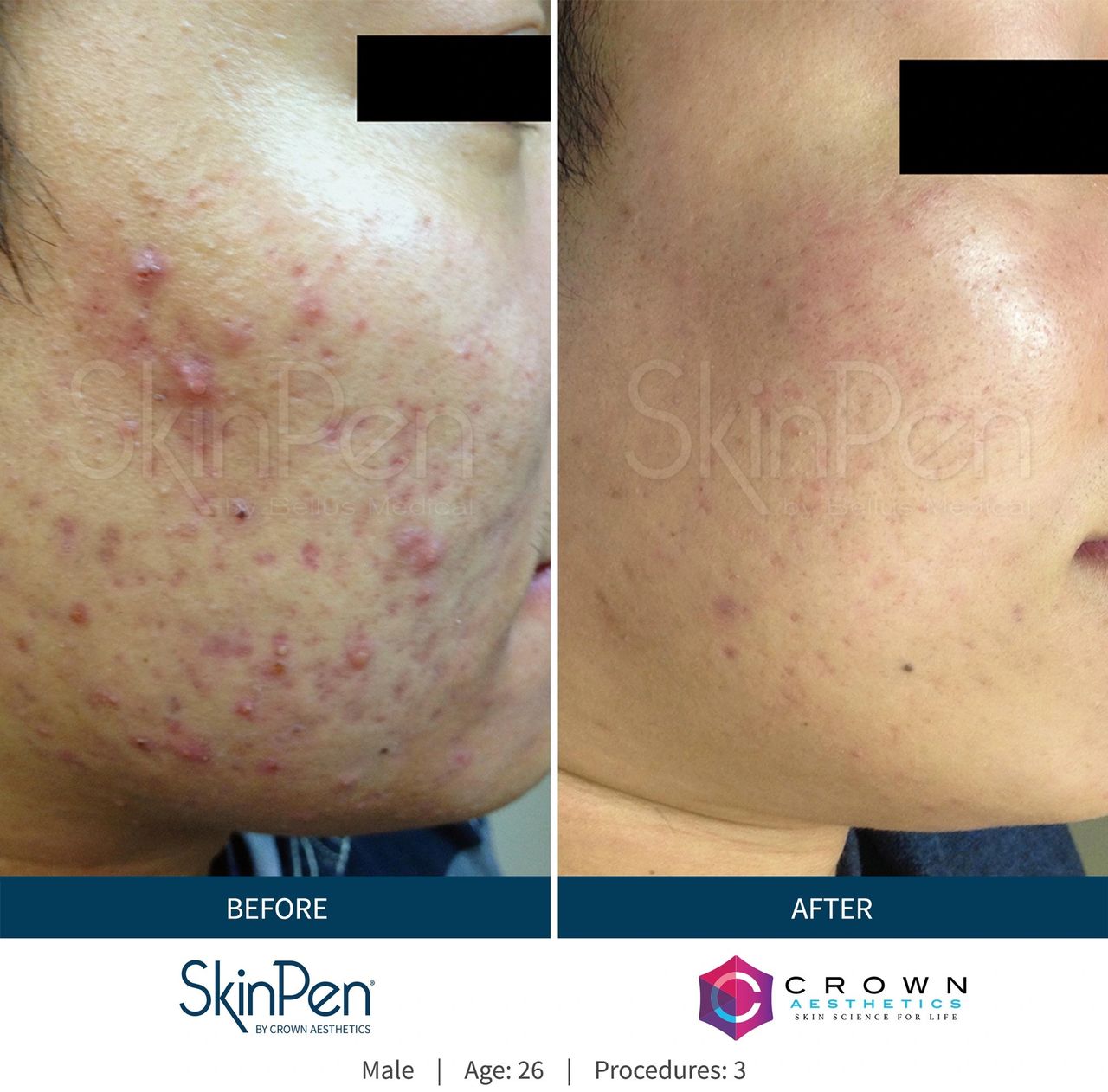
Credit: mywellnessden.com
Real Before And After Results
Real before and after results of microneedling for acne scars show clear skin improvements. Many people share photos to prove how effective this treatment can be. These results help set realistic expectations for those considering microneedling.
Seeing the changes right away and over time offers a better understanding of the process. Different skin types also respond in unique ways. Below, we explore immediate effects, results after multiple sessions, and how skin type affects outcomes.
Immediate Effects
Right after microneedling, the skin may look red and slightly swollen. This is normal and shows the skin is healing. Some people notice their skin feels smoother the next day. Small punctures from the needles start the repair process immediately.
There might be minor dryness or peeling. These effects usually fade within a few days. No dramatic changes in acne scars appear right away. The real improvement takes time as collagen builds up beneath the skin.
Results After Multiple Sessions
Visible improvement in acne scars often shows after three to six sessions. Scars become less deep and skin texture evens out. Many users report softer, brighter skin after treatment.
Collagen growth helps fill in scars. Dark spots may fade as skin renews. Consistent sessions improve overall skin tone and firmness. The gradual change is more natural and lasting than quick fixes.
- Scars look smoother and less noticeable
- Skin feels firmer and more elastic
- Uneven pigmentation reduces
- Skin surface appears refreshed
Comparing Different Skin Types
Skin type affects how well microneedling works. Oily skin may heal faster but can have more redness initially. Dry skin might need extra moisture after treatment.
Darker skin tones should use caution to avoid discoloration. Proper technique reduces risks and supports good results. Sensitive skin may experience more irritation but still shows improvement over time.
Each skin type reacts uniquely. Personal care and aftercare are key to the best outcome. Talking with a skin specialist helps tailor the treatment safely.
Benefits Beyond Acne Scars
Microneedling is not only effective for acne scars. It offers a range of skin benefits that improve overall skin health and appearance. Many people notice changes beyond scar reduction after treatment. These benefits make microneedling a popular choice for skin rejuvenation.
Improves Skin Texture And Tone
Microneedling stimulates collagen and elastin production. This helps smooth rough skin and evens out skin tone. The result is softer, more radiant skin with fewer visible imperfections.
Reduces Fine Lines And Wrinkles
The treatment encourages skin renewal and firmness. This can reduce the appearance of fine lines and wrinkles. Aging skin looks fresher and more youthful after regular sessions.
Minimizes Pore Size
Microneedling can shrink enlarged pores. Smaller pores give the skin a cleaner and tighter look. This effect makes makeup application smoother too.
Enhances Product Absorption
The tiny channels created during microneedling allow skincare products to penetrate deeper. This boosts the effectiveness of serums and creams. Skin absorbs nutrients better, improving hydration and repair.
Reduces Hyperpigmentation
Microneedling helps break down excess pigment in the skin. It can fade dark spots and uneven patches over time. This creates a clearer and brighter complexion.
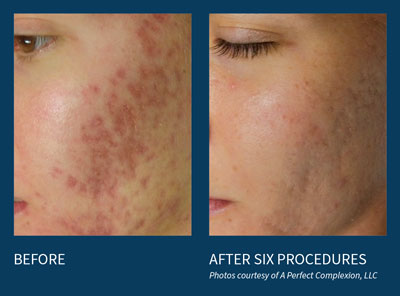
Credit: www.birchpainandspinegroup.com
Possible Side Effects And How To Manage Them
Microneedling can significantly improve acne scars, but like any skin treatment, it comes with possible side effects. Knowing what to expect and how to handle these effects can make your healing process smoother and more comfortable. Understanding these details helps you stay confident and proactive about your skincare journey.
Redness And Swelling
After microneedling, your skin often looks red and feels swollen, similar to a mild sunburn. This reaction happens because your skin is healing from tiny punctures. Usually, redness and swelling fade within a few days.
To manage this, apply a gentle, hydrating moisturizer and avoid harsh skincare products. Using a cold compress can also reduce swelling and soothe your skin quickly.
Dryness And Flaking
As your skin heals, it may become dry and start to flake. This is a natural part of the renewal process but can feel uncomfortable. Keeping your skin hydrated is key to minimizing dryness.
Use a rich, non-comedogenic moisturizer and drink plenty of water. Avoid picking or peeling the flakes to prevent irritation or scarring.
Mild Bruising Or Pinpoint Bleeding
Some people notice tiny spots of bleeding or mild bruising after treatment, especially if they have sensitive skin. This happens because the needles create small punctures in the skin. It usually heals without any issues within a week.
If you experience this, avoid blood-thinning medications or supplements before your appointment. Applying gentle pressure with a clean cloth can help stop any minor bleeding immediately.
Temporary Darkening Of Scars
Sometimes, scars may temporarily look darker after microneedling. This is called post-inflammatory hyperpigmentation and is more common in darker skin tones. It usually fades over time but can be frustrating.
Wearing sunscreen daily is essential to prevent this darkening from worsening. If it persists, consult your dermatologist for suitable treatments to lighten the area safely.
How To Recognize When To See A Doctor
Most side effects are mild and short-lived, but certain signs need medical attention. If you notice severe pain, excessive swelling, pus, or signs of infection, contact your healthcare provider immediately.
Trust your instincts—if something feels off or your skin worsens instead of improving, don’t hesitate to get professional advice. Your safety is the top priority in any skin treatment.
Post-treatment Care For Lasting Results
Proper care after microneedling is essential for the best results. Your skin needs time to heal and rebuild collagen. Following simple steps can protect your skin and enhance the treatment effects. Neglecting post-treatment care may cause irritation or delay healing.
These tips help keep your skin calm and support scar fading. Gentle care ensures your skin recovers smoothly. The goal is to maintain healthy skin and visible improvements over time.
Keep Your Skin Clean And Moisturized
Clean skin prevents infections. Use a mild cleanser without strong chemicals. Avoid scrubbing or rubbing your face. Apply a gentle moisturizer to soothe dryness. Hydrated skin heals faster and looks better.
Avoid Sun Exposure And Use Sunscreen
Sunlight can harm sensitive skin after treatment. Stay indoors or wear a wide-brimmed hat. Use a broad-spectrum sunscreen with SPF 30 or higher. Reapply sunscreen every two hours if outside. Sun protection stops dark spots and redness.
Skip Makeup And Harsh Products
Makeup can clog pores and irritate skin post-treatment. Avoid foundation, powders, and heavy creams for a few days. Also, stay away from exfoliants, retinoids, and acids. Let your skin breathe and heal naturally.
Follow Your Specialist’s Advice
Your skincare professional knows your skin type best. Follow their instructions for cleansing and moisturizing. Use any recommended serums or ointments exactly as told. Attend follow-up appointments for progress checks. Personalized care improves your results safely.
Microneedling Vs Other Acne Scar Treatments
Microneedling is a popular option for treating acne scars. It uses tiny needles to create small wounds on the skin. This triggers the body’s healing process and boosts collagen. Other acne scar treatments work differently. They may use lasers, chemicals, or surgery. Each method has its own benefits and downsides. Comparing microneedling with other treatments helps find the best choice for clear skin.
How Microneedling Works
Microneedling uses a device with fine needles. It creates tiny holes in the skin’s surface. This starts natural healing and collagen growth. Collagen helps fill in scars and smooth the skin. The procedure is usually quick and causes little pain. It works well for mild to moderate acne scars.
Laser Treatments For Acne Scars
Laser treatments use light energy to remove damaged skin layers. They also boost collagen in deeper skin layers. Lasers can be strong and may cause redness or swelling. Recovery time is often longer than microneedling. They work best for severe scars but cost more.
Chemical Peels And Acne Scars
Chemical peels use acids to remove the top skin layer. This helps fade scars and smooth skin texture. Peels vary in strength and depth. Strong peels need more healing time and can cause irritation. They are less precise than microneedling or lasers.
Surgical Options For Deep Scars
Surgery can remove or reshape very deep scars. It includes techniques like punch excision or subcision. Surgery has longer recovery and higher risks. It is usually a last choice after other treatments fail.
Benefits Of Microneedling Compared To Others
- Less pain and downtime
- Lower risk of side effects
- Works well on various skin types
- Cost-effective treatment
- Can be combined with other therapies
Choosing The Right Professional
Choosing the right professional for microneedling acne scars is vital. The results depend greatly on the skill and experience of the practitioner. A well-trained expert can ensure safe treatment and better healing. This choice affects how your skin looks after the procedure.
Trust is important. You need someone who understands your skin and your goals. The wrong professional might cause damage or poor results. Research and careful selection can protect your skin and improve your confidence.
Check Qualifications And Training
Look for a licensed dermatologist or certified skincare specialist. Training in microneedling techniques is essential. Ask about their education and professional background. Experience in treating acne scars is a plus.
Review Before And After Photos
Ask to see photos of past patients with acne scars. Real examples show the practitioner’s skill and results. Compare different cases to understand what to expect. This helps set realistic expectations for your treatment.
Read Client Reviews And Testimonials
Online reviews provide insight into patient satisfaction. Look for consistent positive feedback. Pay attention to comments about professionalism and care. Negative reviews may highlight potential issues to avoid.
Discuss Your Skin Type And Concerns
A good professional listens to your needs. They assess your skin type and scar severity. Personalized treatment plans lead to better outcomes. Clear communication ensures you feel comfortable and informed.
Evaluate The Clinic’s Cleanliness And Equipment
Clean and modern facilities reduce infection risk. Sterile equipment is a must for microneedling. Visit the clinic to see the environment yourself. A safe setting supports effective healing.
Frequently Asked Questions
What Results Can I Expect From Microneedling Acne Scars?
Microneedling stimulates collagen, improving skin texture and reducing scars. Results vary but often show smoother, clearer skin after multiple sessions.
How Long Does Microneedling Take To Show Scar Improvement?
Scar improvement typically appears within 4 to 6 weeks post-treatment. Optimal results usually require 3 to 6 sessions spaced monthly.
Is Microneedling Safe For All Skin Types With Acne Scars?
Yes, microneedling is generally safe for all skin types. It minimizes scars without causing pigmentation issues common in darker skin tones.
What Is The Recovery Time After Microneedling For Acne Scars?
Recovery usually takes 2 to 4 days. Skin may appear red and sensitive but heals quickly with proper care.
Conclusion
Microneedling shows clear changes in acne scars before and after treatment. Many people find smoother, healthier skin after a few sessions. Results take time but often meet expectations. Consistency and care help improve skin texture. This method suits many skin types safely.
Always follow a skin expert’s advice for best results. Clearer skin is possible with patience and proper care.