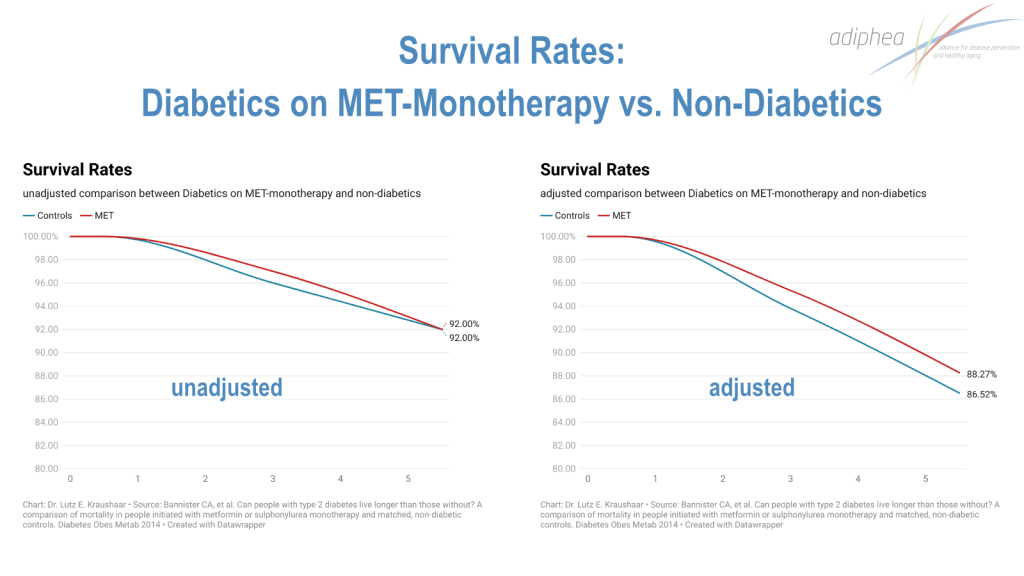
Are you curious about how Metformin might be the secret ingredient to unlocking a longer, healthier life? As we step into 2024, the buzz around Metformin’s potential anti-aging benefits continues to grow.
Imagine a world where a simple pill could help you age gracefully, maintaining your vitality and zest for life. But what exactly is the right dosage to harness these benefits safely and effectively? We’ll delve into the latest research and expert recommendations, empowering you with the knowledge to make informed decisions about your health.
Stay with us as we uncover the fascinating possibilities of Metformin in the quest for a youthful, energetic future.
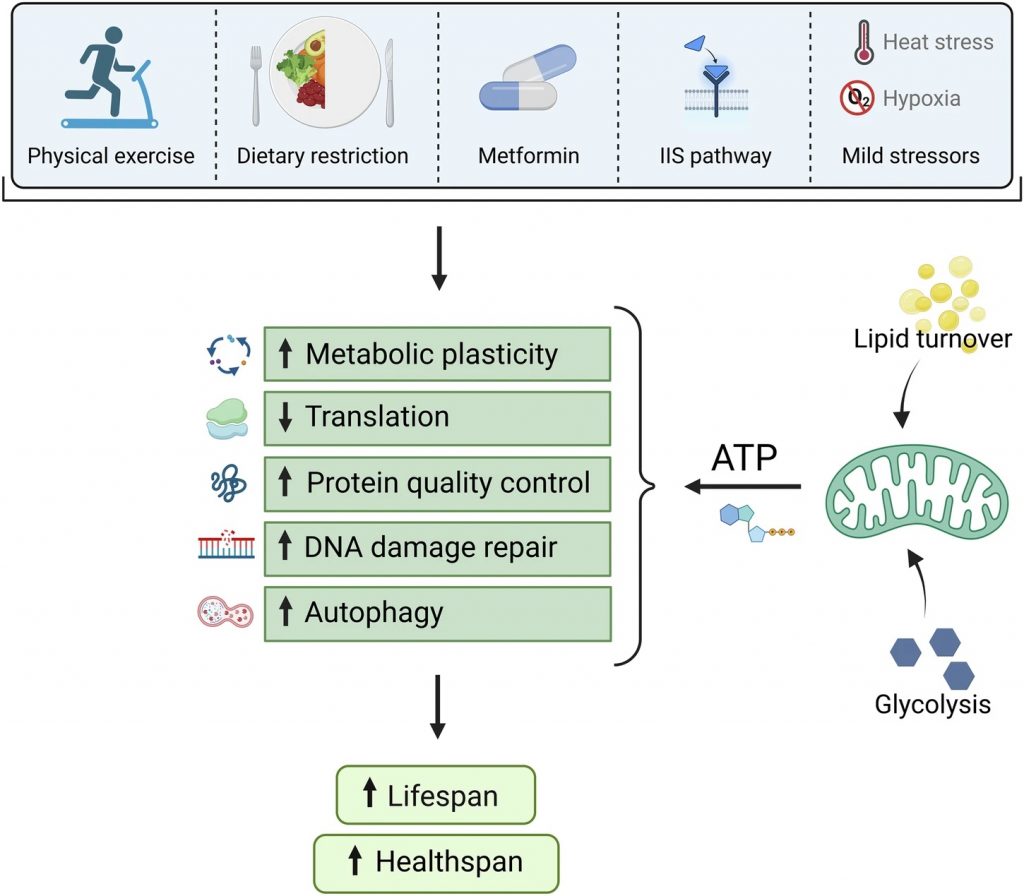
Credit: www.nad.com
Metformin And Aging
Metformin is widely known as a diabetes medication. Recently, it has gained attention for its potential effects on aging. Many researchers explore how this drug might slow down aging processes and improve health span. Understanding Metformin’s impact on aging can help readers make informed decisions.
How Metformin Works
Metformin lowers blood sugar by improving insulin sensitivity. It also reduces glucose production in the liver. Beyond diabetes, it affects cellular processes linked to aging. Metformin activates AMPK, a key energy sensor in cells. This activation helps regulate metabolism and reduces inflammation. These effects contribute to healthier cell function and longevity.
Impact On Longevity
Studies suggest Metformin may extend lifespan in animals. It helps reduce risks of age-related diseases like heart disease and cancer. Users often show improved metabolic health and lower inflammation. These benefits may slow aging signs and improve quality of life. Metformin’s role in longevity is promising but still under study.
Scientific Studies
- A 2019 study found Metformin extended lifespan in mice by 5-10%.
- The TAME trial focuses on Metformin’s effects on aging in humans.
- Research shows lower rates of cancer and cardiovascular disease in Metformin users.
- Cellular studies reveal reduced oxidative stress and improved mitochondrial function.
These studies build a foundation for understanding Metformin’s anti-aging potential. More research is needed to confirm safe and effective dosages for aging purposes.
Optimal Dosage Trends
Optimal dosage trends for Metformin in anti-aging continue to evolve. Research and clinical data guide these trends. Understanding current recommendations helps users make informed decisions. Awareness of upcoming changes prepares for future adjustments.
Current Dosage Recommendations
Typical Metformin doses for anti-aging range from 500 mg to 1500 mg daily. Most doctors suggest starting with a low dose to reduce side effects. The usual protocol involves 500 mg once or twice per day. Some patients may increase to 1000 mg per day if tolerated well.
Doctors monitor blood sugar and kidney function during treatment. Dosages can vary based on individual health and response. The goal is to find the lowest effective dose for safety and benefits.
Projected Changes For 2025
Experts expect dosage guidelines to become more personalized by 2025. Advances in genetic testing may influence dose adjustments. New studies may support slightly lower or higher doses. Researchers explore combining Metformin with other agents for better effects.
Ongoing trials aim to clarify the safest dose for long-term use. These changes could lead to tailored plans that improve results and reduce risks.
Factors Influencing Dosage
- Age and overall health status
- Kidney function and liver health
- Concurrent medications and their interactions
- Individual tolerance and side effect profile
- Genetic factors affecting drug metabolism
Each factor plays a role in deciding the right dose. Regular medical check-ups ensure proper monitoring. Adjustments may be necessary to maintain optimal benefits and safety.
Safety Considerations
Safety is a key concern for anyone considering Metformin for anti-aging in 2024. Understanding potential risks helps users make informed choices. Always think about how Metformin might affect your body over time. Pay attention to warnings and consult healthcare providers before starting.
Common Side Effects
Metformin can cause mild side effects in many people. These often include:
- Nausea or upset stomach
- Diarrhea
- Stomach pain
- Loss of appetite
- Metallic taste in the mouth
Most side effects improve as the body adjusts. Drinking plenty of water can help ease symptoms. Report severe or lasting side effects to a doctor immediately.
Long-term Safety Data
Research on Metformin’s long-term use for anti-aging is still emerging. Studies show it is generally safe for diabetes treatment over many years. Yet, using it solely for anti-aging needs more evidence. Monitoring kidney and liver function is important during prolonged use. Regular check-ups reduce risks and catch problems early.
Interactions With Other Medications
Metformin may interact with various drugs. Some interactions can reduce its effectiveness or increase side effects. Common interacting medications include:
- Diuretics (water pills)
- Corticosteroids
- Blood pressure drugs
- Certain antibiotics
Always inform your doctor about all medications and supplements you take. This helps prevent harmful interactions and keeps treatment safe.
Personalizing Metformin Use
Personalizing Metformin use is essential, especially as more people consider it for anti-aging purposes in 2024. The right dosage can vary widely depending on your unique situation. Tailoring your approach helps maximize benefits while minimizing risks.
Age And Health Status
Your age plays a key role in determining the right Metformin dosage. Older adults may need lower doses to avoid side effects like digestive discomfort. Meanwhile, your overall health status—such as kidney function or existing medical conditions—directly impacts how your body processes the drug.
Think about your current health metrics. Are you managing diabetes or prediabetes? Do you have any chronic illnesses? These factors influence how Metformin should be dosed for you.
Monitoring And Adjustments
Regular monitoring is critical once you start Metformin. Blood sugar levels, kidney function, and vitamin B12 levels should be checked periodically. This helps catch any unwanted effects early and allows your dosage to be adjusted safely.
Adjustments aren’t just about increasing or decreasing amounts. Sometimes timing or combining Metformin with other supplements or medications requires careful tweaking. How often do you review your health markers with your provider?
Consulting Healthcare Providers
Never guess your Metformin dosage without professional guidance. Your healthcare provider can assess your risks and benefits based on lab results and medical history. They’ll help create a personalized plan that fits your lifestyle and goals.
Discuss any side effects you experience openly. Your provider can suggest alternatives or adjustments to keep you comfortable and safe. Are you ready to take charge of your health with expert support?
Alternative Anti-aging Strategies
Exploring alternatives to Metformin for anti-aging offers a broad view of strategies. These options include natural lifestyle habits, other medications, and ongoing research. They help support healthy aging in different ways. Understanding these choices can guide better decisions in personal health.
Lifestyle Changes
Healthy habits improve aging naturally. Regular exercise boosts energy and strength. Balanced diets rich in fruits and vegetables support cell repair. Quality sleep helps the body recover daily. Stress reduction techniques, like meditation, lower harmful hormone levels. Avoiding smoking and limiting alcohol protect organs and skin.
Other Medications And Supplements
Some drugs and supplements show promise in slowing aging. Rapamycin influences cellular growth and may extend lifespan. NAD+ boosters help with energy production inside cells. Antioxidants like vitamin C reduce damage from free radicals. Always consult a doctor before starting new supplements or medications.
Future Research Directions
Scientists explore new ways to slow aging at the cellular level. Gene therapy aims to repair damaged DNA. Senolytics target and remove old cells that cause inflammation. Personalized medicine tailors treatments based on individual genetics. Ongoing studies continue to reveal promising anti-aging solutions.

Credit: omre.co
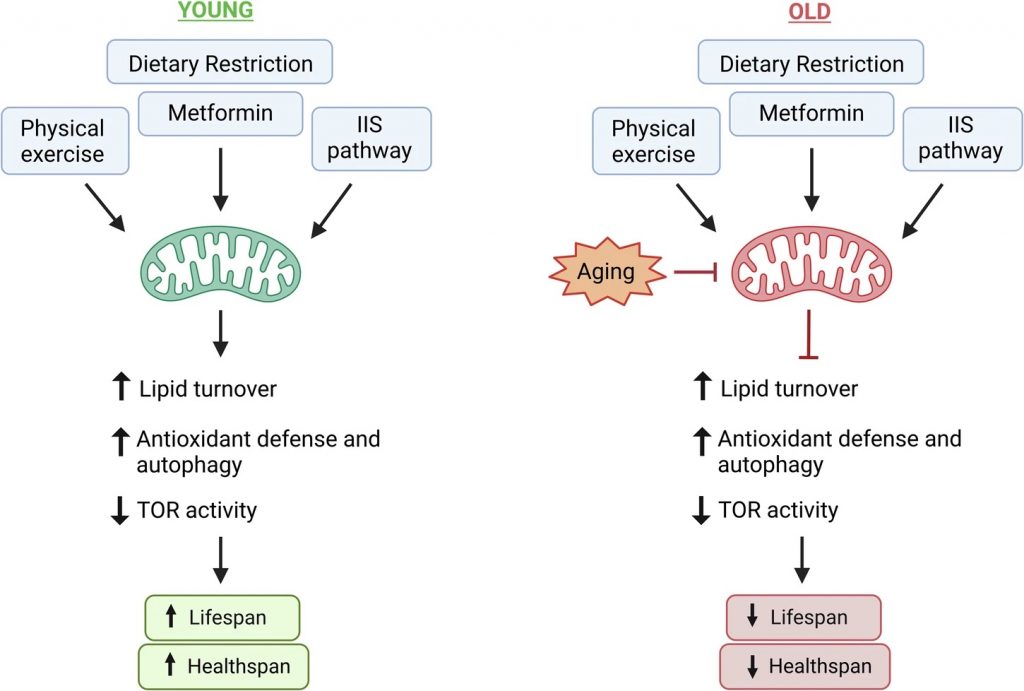
Credit: www.nad.com
Frequently Asked Questions
What Is The Recommended Metformin Anti-aging Dosage In 2024?
The typical Metformin anti-aging dosage ranges from 500 to 1500 mg daily. Consult a healthcare provider before starting to ensure safety and effectiveness.
How Does Metformin Work For Anti-aging Benefits?
Metformin improves cellular energy use and reduces inflammation. This slows aging processes and supports longevity by protecting cells from damage.
Are There Side Effects Of Metformin For Anti-aging?
Common side effects include digestive issues like nausea and diarrhea. Most side effects are mild and often improve with time or dose adjustment.
Can Metformin Be Used Without Diabetes For Anti-aging?
Yes, many use Metformin off-label for anti-aging. However, medical supervision is essential to monitor risks and individual response.
Conclusion
Metformin shows promise in supporting healthy aging in 2024. Dosage varies based on individual health and needs. Always consult a healthcare provider before starting metformin. Proper use can help manage aging effects safely. Stay informed about new research and guidelines.
Healthy lifestyle habits also play a big role in aging well. Balance medication with good diet and exercise. Careful steps lead to better aging outcomes. Keep learning and making smart health choices.
