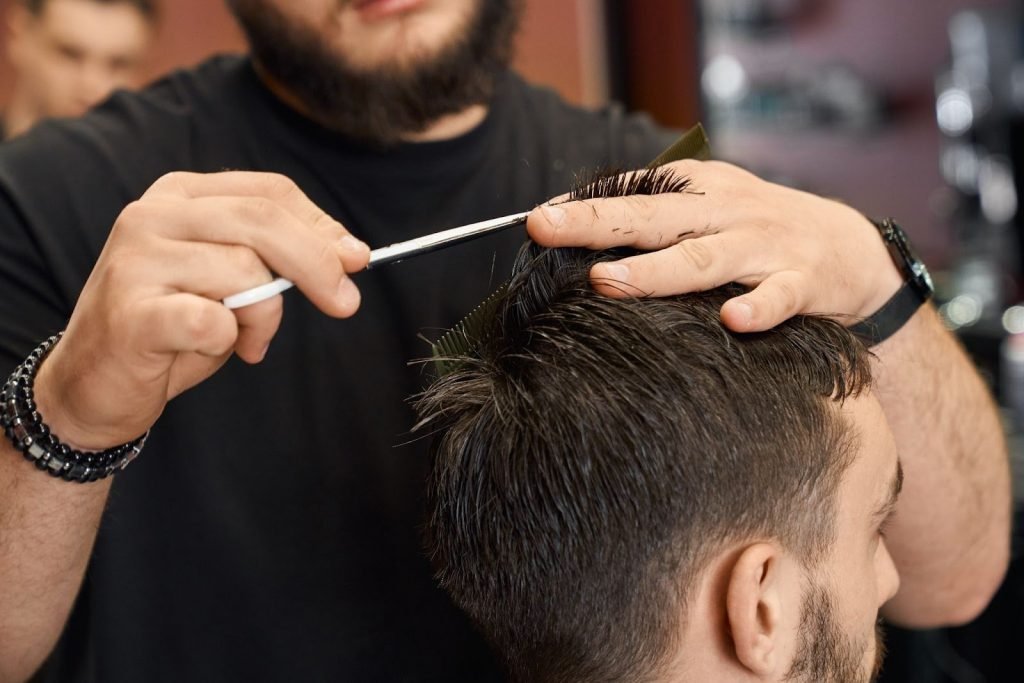
When it comes to your look, your hair speaks volumes before you even say a word. Men’s hair grooming isn’t just about looking neat—it’s about feeling confident every single day.
Imagine waking up knowing your hair is perfectly styled, easy to manage, and suits your personality. Whether you want to tame unruly strands or find the perfect cut that highlights your best features, this guide is made for you. Keep reading, and discover simple, effective tips that will transform your hair routine and boost your confidence instantly.
Your best hair days are just ahead.
Essential Hair Care Habits
Taking care of your hair is more than just looking good—it’s about keeping your scalp and strands healthy for the long run. Developing essential hair care habits can help you avoid common problems like dryness, dandruff, and hair loss. Let’s look at some key practices that make a real difference.
Choosing The Right Shampoo And Conditioner
Your hair type should guide your shampoo and conditioner choices. If you have oily hair, look for products labeled “clarifying” to remove excess oil. Dry or curly hair benefits from moisturizing formulas rich in oils or butters.
Check ingredient lists and avoid harsh sulfates that can strip natural oils. Instead, pick shampoos with gentle cleansers and conditioners with nourishing elements like argan oil or keratin. Have you noticed how switching to a sulfate-free shampoo improved your hair’s texture?
Washing Frequency And Techniques
Washing your hair too often can dry out your scalp, while washing too little can cause buildup and itching. Most men find washing every two to three days works best, but this depends on your lifestyle and hair type.
When washing, use lukewarm water—not hot—to protect natural oils. Massage your scalp gently with fingertips instead of nails to stimulate blood flow without irritation. Are you treating your scalp like the delicate skin it is during your wash?
Scalp Health And Maintenance
A healthy scalp is the foundation for great hair. Regularly check for dryness, redness, or flakes, which may indicate a need for special care or products. Using a scalp scrub or exfoliating shampoo once a week can clear dead skin and promote growth.
Also, consider a quick scalp massage daily to boost circulation. This simple act can improve nutrient delivery to hair follicles. Could this small change be the secret to thicker, fuller hair you’ve been missing?

Credit: www.crownshavingco.com
Styling Tools And Products
Choosing the right styling tools and products shapes your hair’s look and health. Tools like hairdryers and brushes help create styles quickly. Products add hold, shine, and texture to hair. Using these correctly keeps hair strong and attractive.
Selecting Suitable Styling Products
Pick products based on your hair type and style needs. For thin hair, light gels or mousses add volume without weight. Thick hair benefits from stronger hold creams or pomades. Avoid heavy products that cause buildup or grease.
Look for labels that say “non-greasy” or “lightweight.” Natural ingredients protect hair and scalp better. Try different products in small amounts to find what works best.
Using Hairdryers And Brushes Effectively
Use a hairdryer with adjustable heat settings. Start with low heat to prevent damage. Hold the dryer six inches from your hair for even drying.
Choose brushes based on hair texture:
- Wide-tooth combs for curly hair
- Boar bristle brushes for smooth finishes
- Round brushes for volume and curls
Brush hair gently to avoid breakage. Dry hair in sections for better control.
Avoiding Heat Damage
Heat can make hair dry and brittle. Always apply a heat protectant spray before styling. Keep dryer and straightener temperatures below 350°F (175°C).
Limit heat styling to a few times per week. Let hair air dry partially to reduce heat exposure. Regularly trim split ends to keep hair healthy.
Haircut Styles For Every Face Shape
Choosing the right haircut can change how your entire face looks. Every face shape has styles that highlight its best features and minimize any areas you might not want to draw attention to. Understanding what suits your face shape helps you pick a haircut that feels like it was made just for you.
Short Hairstyles
Short haircuts are perfect for those who want a clean, sharp look. If you have a round face, try a style with volume on top and shorter sides to add height and create the illusion of length. Angular faces can handle very cropped styles like buzz cuts that emphasize strong jawlines.
For square face shapes, a textured crop with a bit of messiness softens the angles without hiding your structure. Don’t forget, short hair means more frequent trims to keep the style fresh and sharp.
Medium-length Looks
Medium hair offers more styling options and suits most face shapes. Oval faces can experiment with layered cuts that add movement and body around the face. If you have a heart-shaped face, consider styles with side-swept bangs or layers that balance a wider forehead.
Medium-length hair also allows you to try styles like the classic side part or a brushed-back look, which work well for oblong faces by breaking up the length. How do you feel about switching between casual and formal looks without changing your haircut?
Long Hair Trends
Long hair isn’t just for a specific look; it can be tailored to suit your face perfectly. If your face is oval or rectangular, long layers with soft waves can add dimension and soften sharp features. Men with round faces might want to add volume at the crown or go for straight, sleek styles to elongate the face.
Don’t underestimate how a simple part—middle or side—can change the way long hair frames your face. Have you thought about how your hair texture might influence which long style looks best on you?
Beard And Hair Coordination
Matching your beard with your haircut is more than a style choice—it’s about creating a cohesive look that highlights your best features. When your beard and hair complement each other, you project confidence and attention to detail. But how do you find the right balance that works for your face shape and personal style?
Balancing Beard Styles With Haircuts
Think of your beard and hair as a team. If you have a sharp, clean haircut, a well-trimmed beard often works best to maintain that polished vibe. On the other hand, a fuller beard pairs nicely with slightly longer or textured hair to keep things balanced.
Consider your face shape when choosing styles. A round face benefits from a beard that adds length, paired with shorter sides on your haircut. If your face is more angular, softer beard lines with a structured haircut can soften your look.
Ask yourself: does your beard shape follow the natural lines of your haircut, or does it clash? Aligning these elements can make your grooming routine simpler and your style more striking.
Beard Grooming Essentials
Maintaining your beard requires more than just trimming. Regular washing with beard shampoo keeps it clean without drying out your skin. Applying beard oil daily softens the hair and reduces itchiness, making your beard more comfortable and attractive.
Invest in quality tools like a good beard trimmer and a fine-toothed comb. These help you shape your beard precisely and prevent stray hairs from spoiling your look. Don’t forget to trim the neckline and cheek lines regularly—they define your beard’s shape.
Have you checked your grooming tools lately? Dull blades or dirty combs can lead to uneven trimming and skin irritation, ruining your overall appearance.
Maintaining A Polished Appearance
Consistency is key. Schedule regular grooming sessions to keep your beard and hair looking fresh. Even small touch-ups can prevent an unkempt look from sneaking in between appointments.
Pay attention to the transition areas where your beard meets your hairline. Smooth blending here creates a seamless, intentional look. You can ask your barber for advice on how to maintain this balance at home.
Think about your lifestyle and daily routine. Are your grooming habits realistic? Adjust your routine to fit your schedule so you can maintain a polished look without stress.
Tips For Hair Growth And Thickness
Growing thicker, healthier hair doesn’t happen overnight, but small, consistent changes can make a big difference. Understanding what your hair needs helps you give it the right care and attention. Let’s dig into how diet, supplements, and lifestyle habits play key roles in improving your hair growth and thickness.
Diet And Nutrition Impact
Your hair’s strength starts from within. Eating a balanced diet rich in vitamins and minerals fuels hair follicles and supports growth.
- Protein:Hair is mostly made of protein, so lean meats, eggs, and legumes help build strong strands.
- Iron and Zinc:These minerals improve circulation to your scalp and prevent hair loss.
- Vitamin D and Biotin:Both are essential for stimulating new hair growth.
Think about your meals—are you feeding your hair as well as your body? Adding a handful of spinach or a boiled egg to your daily plate can boost your hair’s health more than you might expect.
Supplements And Treatments
Supplements can fill gaps when your diet falls short. Biotin, fish oil, and vitamin E are popular choices known to enhance hair thickness.
Topical treatments like minoxidil have proven effective in many cases. However, they require patience and consistent use to see results.
Have you tried any hair growth products? Sometimes, the right combination of supplements and treatments can kickstart noticeable improvements where diet alone doesn’t suffice.
Lifestyle Factors Affecting Hair Health
Stress, sleep, and physical activity all impact your hair’s condition. Chronic stress can trigger hair thinning, while lack of sleep slows down hair regeneration.
- Manage stress with meditation or regular exercise to support healthy hair cycles.
- Aim for 7-8 hours of sleep each night to let your body repair and grow hair effectively.
- Avoid smoking and reduce alcohol intake as they restrict blood flow to your scalp.
What daily habits are you willing to change for better hair? Sometimes, the simplest lifestyle tweaks create the biggest shifts in hair growth and thickness.
Dealing With Common Hair Issues
Dealing with common hair issues can feel frustrating, especially when you want your hair to look its best every day. These problems often sneak up on you, affecting your confidence and style. Understanding how to manage them effectively gives you control over your hair’s health and appearance.
Managing Dandruff And Dry Scalp
Dandruff isn’t just annoying—it can make your scalp itchy and your hair look dull. You can tackle it by using shampoos with ingredients like zinc pyrithione or ketoconazole, which help reduce flakes and soothe irritation.
Adding a weekly scalp massage with coconut oil or tea tree oil can also hydrate your scalp and prevent dryness. Have you tried switching shampoos recently? Sometimes the product you use might be causing more dryness than relief.
Combating Hair Loss
Hair loss worries many men, but it doesn’t have to be permanent. Nutrients like biotin, iron, and vitamin D play a big role in keeping your hair follicles strong.
Consider using minoxidil or other topical treatments that stimulate hair growth. Also, reducing stress through exercise or meditation can help slow down hair loss. What small changes can you make to your daily routine that support healthier hair?
Handling Oily Hair
Oily hair can make you feel greasy and uncomfortable, especially after a long day. Wash your hair regularly with a gentle, oil-control shampoo to keep excess sebum in check.
Avoid heavy conditioners near your scalp, and try rinsing with cold water to close pores and reduce oil production. Would changing how often you wash your hair improve its freshness?
Seasonal Hair Care Adjustments
Adjusting your hair care routine with the seasons can make a big difference in how your hair looks and feels. Different weather conditions affect your scalp and hair texture, so it’s important to tweak your approach throughout the year. Have you noticed your hair behaving differently as the weather changes? Let’s break down how to protect and nourish your hair for each season.
Summer Hair Protection
Summer heat and sun exposure can dry out your hair and cause damage. You need to protect your hair from UV rays, chlorine, and saltwater if you spend time outdoors or swimming. Wearing a hat or using a hair product with SPF can shield your hair from sun damage.
After a day in the sun, rinse your hair with fresh water to remove salt and chlorine. Using a lightweight leave-in conditioner helps lock in moisture without weighing your hair down. Have you ever felt your hair become brittle after a beach day? These small steps can prevent that.
Winter Hair Moisturizing
Cold air and indoor heating can sap moisture from your hair, leaving it dry and prone to breakage. Switching to a richer shampoo and conditioner can help restore hydration. You might also want to add a weekly deep conditioning treatment to keep your hair soft.
Consider using natural oils like argan or jojoba to seal in moisture, especially if your scalp feels itchy or flaky. Don’t forget that dry hair in winter needs gentle handling—avoid excessive heat styling to prevent extra damage. How often do you check if your hair feels dry during winter?
Adapting To Humidity Changes
Humidity can make your hair frizzy and difficult to style. You need products that control frizz and maintain shape without making your hair greasy. Anti-frizz serums or creams with silicone can create a smooth barrier against moisture in the air.
Try to limit washing your hair daily as it can strip natural oils, causing your scalp to overproduce oil in response. Instead, use dry shampoo between washes to keep your hair fresh. Have you found a product that tames your hair even on the most humid days?
Credit: cosmetologyandspaacademy.edu

Credit: www.amazon.com
Frequently Asked Questions
What Are Essential Men’s Hair Grooming Tips?
Essential tips include regular washing, conditioning, and trimming. Use products suited for your hair type. Maintain scalp health and avoid excessive heat styling for best results.
How Often Should Men Trim Their Hair?
Men should trim hair every 4-6 weeks. Regular trims prevent split ends and maintain hairstyle shape. Frequency depends on hair growth and personal style preferences.
Which Hair Products Suit Different Men’s Hair Types?
Choose lightweight gels or pomades for fine hair. Use creams or waxes for thick or curly hair. Always pick products that nourish and protect your hair and scalp.
Can Men Improve Hair Health Naturally?
Yes, a balanced diet rich in vitamins supports hair health. Regular scalp massages boost circulation. Avoid harsh chemicals and excessive heat to keep hair strong.
Conclusion
Grooming your hair reflects your style and personality. A good haircut boosts confidence. Regular trims keep hair healthy and manageable. Use quality products for best results. Choose a style that suits your face shape. Experiment with different looks. Stay updated with trends.
Consult a stylist for personalized advice. Maintain a consistent grooming routine. This enhances your appearance and self-esteem. Always prioritize care and attention for your hair. Healthy hair is attractive and makes a great impression. Embrace the art of grooming. Make it a part of your lifestyle.
Feel great every day with well-groomed hair.
