Unlocking the secret to great hair isn’t just for women. As a man, your hair is your crowning glory, and you deserve to keep it looking its best.
Whether you’re rocking a sleek undercut, tousled waves, or a classic buzz cut, the way you care for your hair can make all the difference. But how do you choose the right products and routines without feeling overwhelmed by endless options?
You’re in the right place. Dive into this guide and discover simple, effective tips tailored just for you. Not only will you gain confidence in your hair care routine, but you’ll also stand out with healthy, enviable hair. Ready to transform your hair game? Let’s get started.
Hair Types And Needs
Understanding your hair type is the first step toward effective hair care. Each hair type reacts differently to products and environmental factors. Knowing what your hair needs helps you choose the right routine and avoid common mistakes that many men make without realizing.
Identifying Your Hair Type
Your hair type depends on several factors: texture, thickness, and curl pattern. Hair can be straight, wavy, curly, or coily, and each type requires specific care.
- Straight hair:Usually smooth and shiny, but can get oily quickly.
- Wavy hair:Has a natural wave pattern, often prone to frizz.
- Curly hair:Forms tight curls, tends to be drier and needs extra moisture.
- Coily hair:Very tight curls or zigzags, often fragile and requires gentle handling.
Think about how your hair behaves after washing or exposure to humidity. Does it get oily fast? Does it tangle easily? Observing these details gives you clues about your hair type.
Common Hair Issues For Men
Many men face similar hair challenges, but solutions vary based on hair type. Identifying your main problem helps you focus on what matters most.
- Oily scalp:Can make hair look greasy and weigh it down.
- Dandruff:Causes flakes and itching, often from dry scalp or product buildup.
- Hair thinning:May result from genetics, stress, or poor nutrition.
- Dryness and breakage:Common in curly and coily hair, leading to split ends.
Have you noticed any changes in your hair’s texture or volume lately? Addressing issues early can prevent further damage and keep your hair looking its best.
Credit: www.yourindependentgrocer.ca
Daily Hair Care Routine
Maintaining a daily hair care routine is essential for keeping your hair healthy, strong, and looking sharp. Small changes in how you treat your hair every day can lead to big improvements over time. The key is consistency and choosing the right products and techniques that suit your hair type and lifestyle.
Choosing The Right Shampoo
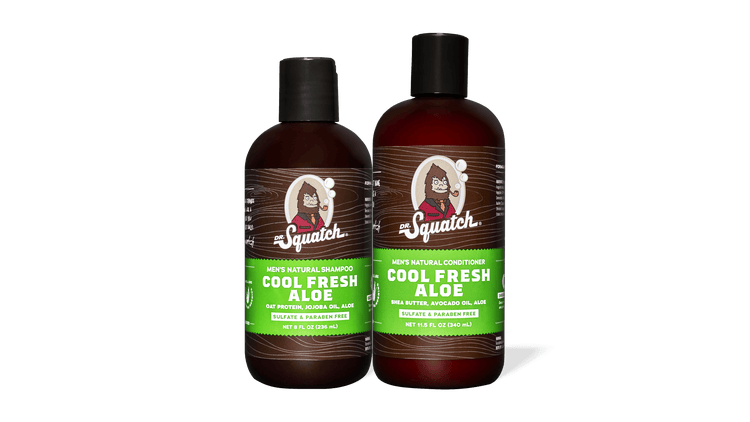
Your shampoo is the foundation of your daily hair care routine. Pick one that matches your scalp condition—whether oily, dry, or sensitive. If your scalp feels itchy or flaky, a gentle, moisturizing shampoo can make a huge difference.
Look for shampoos free of harsh chemicals like sulfates and parabens. These can strip your hair of natural oils, leaving it dry and brittle. Have you checked the ingredient list on your shampoo bottle lately?
Effective Conditioning
Conditioner is not just a luxury; it’s a necessity for healthy hair. It helps replenish moisture and smooths out any roughness caused by washing or environmental exposure. Use a conditioner suited for your hair type—lightweight for fine hair, richer formulas for thicker or curly hair.
Apply conditioner mainly to the ends, where hair tends to be driest. Over-conditioning near the scalp can weigh hair down or cause buildup. Have you noticed how much softer your hair feels after conditioning properly?
Proper Washing Techniques
How you wash your hair can impact its health as much as the products you use. Use lukewarm water to avoid drying out your scalp and hair. Hot water might feel good, but it can strip away essential oils.
Massage your scalp gently with your fingertips—not nails—to stimulate blood flow and promote growth. Rinse thoroughly to remove all shampoo and conditioner, preventing residue that can clog pores or dull your hair. Do you take time to rinse properly every day?
Styling Tips For Hair Health
Styling your hair isn’t just about looking good—it’s about keeping your hair healthy for the long run. The way you style affects your hair’s strength, shine, and growth. Small changes in how you handle your hair can make a big difference in maintaining its health.
Avoiding Heat Damage
Heat tools like blow dryers, flat irons, and curling wands can quickly damage your hair if used too often or at high temperatures. Try to limit heat styling to a few times a week instead of daily.
When you do use heat, always apply a heat protectant spray. It acts like a shield, reducing the damage caused by high temperatures.
Have you noticed your hair feeling dry or brittle after styling? That’s a sign to lower the heat or give your hair a break from heat tools.
Using Hair Products Wisely
Not all hair products are created equal. Some can weigh your hair down, while others may dry it out. Choose products based on your hair type and goals.
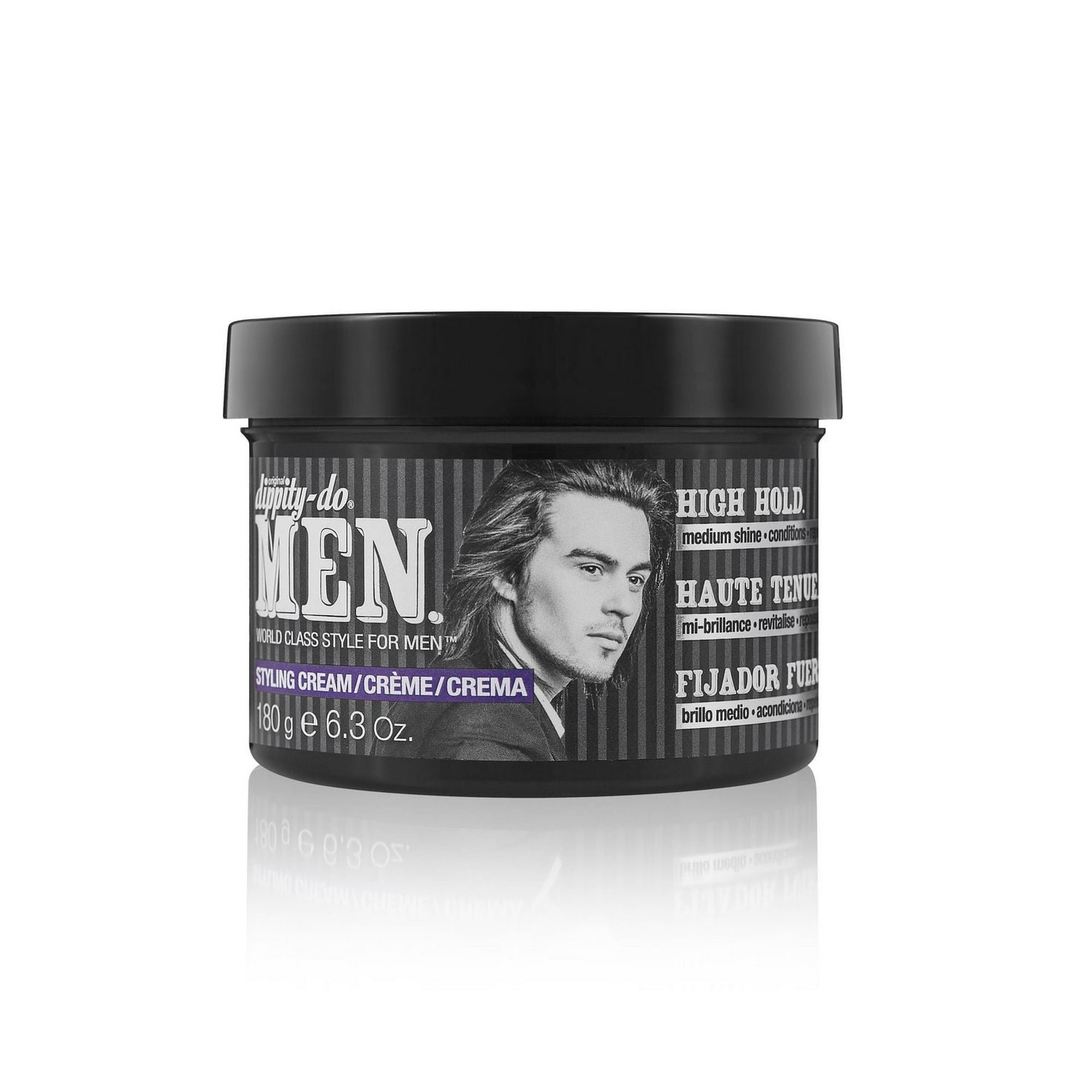
For example, if you have oily hair, a lightweight styling gel or mousse can add hold without grease. If your hair is dry, look for creams or oils that hydrate and smooth.
Don’t overload your hair with product. A small amount often does the job and prevents buildup, which can clog pores and dull your hair’s natural shine.
Best Practices For Combing And Brushing
How you comb and brush your hair impacts its health more than you might think. Always use a wide-tooth comb on wet hair to avoid breakage.
Brush your hair gently, starting from the tips and moving up toward the roots. This method reduces pulling and split ends.
Consider using brushes with natural bristles, which distribute oils from your scalp through your hair, adding natural shine and reducing frizz.

Credit: www.hairdoctors.com.au
Nutrition And Hair Strength
Nutrition plays a crucial role in the strength and health of your hair. What you eat directly affects your hair’s ability to grow, resist damage, and maintain its shine. If you’ve ever noticed your hair feeling weak or brittle, it might be time to look at your diet and hydration habits.
Foods For Healthy Hair
Your hair needs a variety of nutrients to stay strong and vibrant. Protein is a key building block since hair is mostly made of it. Adding foods like eggs, chicken, and fish to your meals can give your hair the protein boost it needs.
Vitamins and minerals also matter a lot. Foods rich in vitamin C, like oranges and strawberries, help your body absorb iron, which is vital for healthy hair. Don’t forget leafy greens like spinach and kale for iron and biotin, both essential for hair growth.
Supplements That Help
Sometimes, your diet alone may not provide all the nutrients your hair requires. Supplements like biotin, vitamin D, and omega-3 fatty acids can fill in the gaps. I’ve seen friends improve their hair thickness after consistently taking these supplements for a few months.
Before starting any supplement, consider consulting with a healthcare professional. This ensures you choose the right ones based on your specific needs and avoid unnecessary intake.
Hydration’s Role In Hair Care
Water is often overlooked but vital for hair health. Staying hydrated keeps your scalp healthy and supports hair growth. Dry, flaky scalp can lead to hair breakage, which water intake can help prevent.
Try to drink at least eight glasses of water a day. You might find that your hair feels softer and less prone to split ends when you’re properly hydrated. Have you noticed how your hair reacts on days when you don’t drink enough water?
Preventing Hair Loss
Hair loss can feel frustrating and personal, especially when you start noticing more hair in the drain or on your pillow. Preventing hair loss is about understanding what triggers it and making small, manageable changes to protect what you have. Let’s look at what causes hair loss and how you can take control before it progresses.
Common Causes Of Hair Loss
Hair loss doesn’t happen for just one reason. Genetics play a big role, but other factors like stress, poor diet, and certain medical conditions can speed up the process.
- Genetic predisposition:Male pattern baldness often runs in families and is the most common cause.
- Stress and lifestyle:High stress levels can trigger temporary hair shedding known as telogen effluvium.
- Nutrition:Lack of essential vitamins like iron, vitamin D, and biotin can weaken hair follicles.
- Medications and health issues:Some medicines and illnesses disrupt the hair growth cycle.
Have you noticed any lifestyle or health changes around the time your hair started thinning?
Lifestyle Changes To Support Hair Growth
Small shifts in your daily routine can make a big difference. Eating a balanced diet rich in protein, healthy fats, and vitamins fuels your hair from the inside.
- Eat foods like eggs, nuts, leafy greens, and fish to nourish your scalp.
- Manage stress through meditation, exercise, or hobbies you enjoy.
- Avoid harsh hairstyles or excessive heat styling that can damage hair roots.
- Use gentle hair care products that suit your scalp type.
Think about the last time you felt genuinely relaxed—did your hair feel healthier afterward? Stress impacts hair growth more than many realize.
When To See A Specialist
If you notice rapid hair loss or bald patches, don’t wait to get professional advice. A dermatologist can identify underlying issues and suggest treatments tailored to your needs.
Early intervention often leads to better results. Treatments range from topical solutions to medical therapies, depending on the cause.
Could a simple check-up help you avoid more significant hair loss down the line?
Home Remedies And Natural Treatments
Natural treatments offer a gentle way to care for men’s hair. These remedies nourish hair without harsh chemicals. Home solutions can improve hair strength and shine. Many ingredients for hair care come from the kitchen or garden. Simple, natural items can keep hair healthy and clean.
Oils And Masks For Nourishment
Oils provide deep moisture and protect hair from damage. Coconut oil and olive oil are popular choices. They help reduce dryness and add softness. Applying warm oil to the scalp improves blood flow. Masks made from honey, yogurt, or avocado restore hair health.
- Coconut oil: hydrates and prevents hair breakage.
- Olive oil: softens hair and adds shine.
- Honey mask: locks in moisture for a smooth finish.
- Avocado mask: rich in vitamins for hair repair.
Herbal Solutions
Herbs can calm the scalp and encourage hair growth. Aloe vera soothes irritation and reduces dandruff. Fenugreek seeds strengthen hair roots and fight hair loss. Rosemary oil boosts circulation and promotes thicker hair. Herbal rinses cleanse hair naturally without stripping oils.
- Aloe vera gel: cools scalp and prevents flaking.
- Fenugreek paste: nourishes roots and reduces hair fall.
- Rosemary oil: stimulates hair follicles for growth.
- Green tea rinse: refreshes scalp and adds shine.
Diy Hair Care Tips
Simple habits can improve hair health daily. Use lukewarm water to wash hair gently. Avoid harsh shampoos and choose mild, natural ones. Massage scalp regularly to boost circulation. Limit heat styling to prevent dryness and breakage. Trim hair often to remove split ends.
- Wash hair 2-3 times weekly for natural oils.
- Massage scalp with fingertips for 5 minutes.
- Use natural shampoo with no sulfates or parabens.
- Air dry hair instead of blow drying.
- Trim hair every 6-8 weeks for neat ends.
Professional Hair Care Options
Professional hair care options offer targeted solutions that go beyond everyday washing and styling. They provide treatments and products designed specifically for men’s unique hair needs, whether it’s dealing with thinning hair, dryness, or scalp issues. Taking advantage of these options can transform your hair’s health and appearance quickly and effectively.
Salon Treatments For Men
Salon visits are not just for a quick haircut anymore. Many salons now offer specialized treatments like deep conditioning, scalp detox, and hair strengthening sessions tailored for men. These treatments help repair damage, boost hair growth, and improve scalp health.
Consider trying a keratin treatment if your hair feels brittle or frizzy. It smooths the hair cuticle and adds shine. Also, scalp massages during salon visits increase blood flow, which can encourage healthier hair growth.
Hair Care Products Recommended By Experts
Choosing the right products can make a huge difference in your hair care routine. Experts often suggest using sulfate-free shampoos that cleanse without stripping natural oils. Look for ingredients like biotin, caffeine, and niacinamide to support hair strength and growth.
Don’t overlook leave-in conditioners and serums that protect hair from environmental damage. If you struggle with an oily scalp, a balancing toner recommended by your stylist can help regulate oil production without drying out your hair.
Advanced Therapies And Procedures
If you face serious hair issues like significant thinning or hair loss, advanced therapies might be necessary. Treatments such as PRP (platelet-rich plasma) therapy use your own blood to stimulate hair follicles and encourage regrowth.
Laser therapy devices for home use can also be effective in promoting healthier hair over time. For some, hair transplant procedures provide a permanent solution, but they require careful consultation and aftercare to get the best results.
Have you considered professional options that fit your hair goals? Sometimes investing in expert care can save you time and frustration in the long run.
Credit: www.walmart.ca
Frequently Asked Questions
What Are The Best Daily Hair Care Tips For Men?
Daily hair care for men includes gentle shampooing, using conditioner, avoiding hot water, and regular brushing. Also, protect hair from sun damage and avoid harsh chemicals to maintain healthy hair.
How Often Should Men Wash Their Hair?
Men should wash their hair 2-3 times a week to avoid stripping natural oils. Overwashing can cause dryness, while too little washing may lead to buildup and scalp issues.
What Causes Male Hair Thinning And How To Prevent It?
Male hair thinning is often due to genetics, stress, and poor diet. Prevent it by maintaining a balanced diet, reducing stress, and using gentle hair products suited for thinning hair.
Which Hair Products Work Best For Men’s Hair Types?
Choose products based on hair type: lightweight gels for fine hair, moisturizing creams for dry hair, and anti-frizz serums for curly hair. Avoid heavy products that can weigh hair down.
Conclusion
Caring for men’s hair is simple with the right routine. Clean hair looks healthy and feels good. Use gentle shampoo and avoid harsh chemicals. Regular trimming keeps hair neat and strong. Protect hair from too much sun and heat. Eating well helps hair grow better.
Small habits make a big difference over time. Healthy hair boosts confidence every day. Start today and enjoy your best hair yet.
