Are you tired of trying countless remedies for your acne scars without seeing any real results? You’re not alone.
Acne scars can be stubborn, affecting not just your skin but also your confidence. Enter Mederma, a product that many claim to be their skincare savior. But does it live up to the hype? We will uncover the science behind Mederma and explore how it might just be the solution you’ve been searching for.
You’ll discover how it works, what makes it different, and why it could be the key to finally achieving the clear, smooth skin you desire. Stay with us to find out if Mederma is the missing piece in your skincare routine.
Credit: www.gianteagle.com
How Acne Scars Form
Understanding how acne scars form is key to treating and preventing them effectively. When your skin experiences an acne breakout, the healing process can sometimes go awry, leaving marks behind. These scars are the result of your skin’s natural repair mechanisms responding to inflammation and damage.
Types Of Acne Scars
Not all acne scars look the same, and knowing their types helps you choose the right treatment. The main types include:
- Atrophic Scars:These are sunken or depressed scars caused by loss of tissue. Examples include ice pick, boxcar, and rolling scars.
- Hypertrophic Scars:Raised scars that form due to excess collagen during healing.
- Keloid Scars:Similar to hypertrophic but extend beyond the original wound area and can grow larger over time.
Have you noticed the shape or texture of your acne scars? Identifying their type can guide your choice of products like Mederma for Acne Scarring.
Factors Influencing Scar Formation
Your skin’s reaction to acne depends on several factors, which can increase the chance of scarring:
- Severity of Acne:Deep, inflamed cysts are more likely to cause scars than mild pimples.
- Skin Type:Some skin types produce more collagen, which can lead to raised scars.
- Picking or Squeezing Acne:Touching or popping pimples disrupts healing and worsens scars.
- Genetics:Your family history can make you more prone to scars.
- Delayed Treatment:Ignoring acne or using the wrong products can increase scar risk.
Have you ever wondered if your habits might be making your scars worse? Taking control early can make a big difference in how your skin heals.
What Is Mederma?
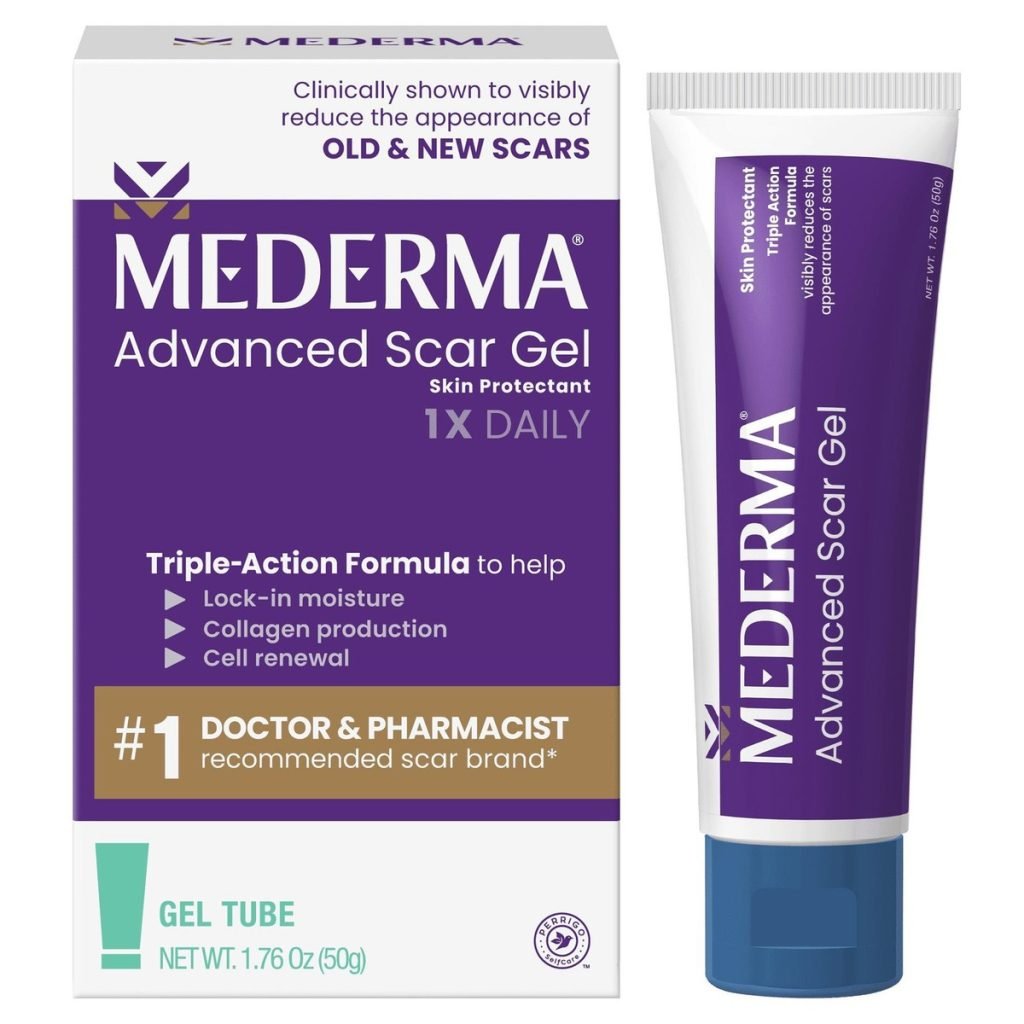
Mederma is a popular topical gel designed to improve the appearance of scars, including those caused by acne. Many users turn to it hoping to soften their skin and reduce scar visibility. But what exactly is Mederma, and how does it work to transform your skin’s texture?
Key Ingredients
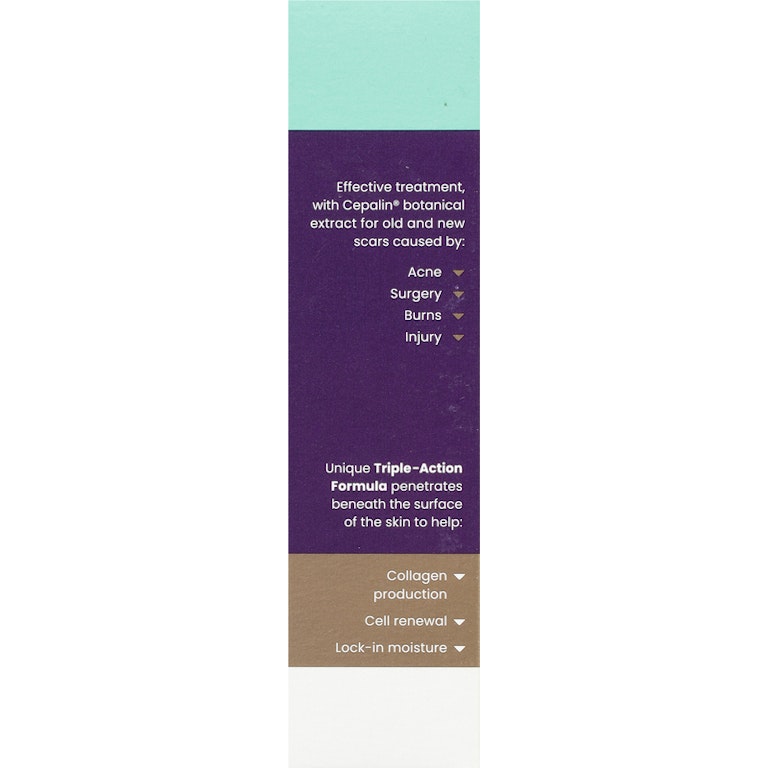
Mederma’s effectiveness largely comes from its unique blend of ingredients. The main active component is Allantoin, known for soothing the skin and promoting healing. Another crucial ingredient is Cepalin, a botanical extract derived from onions, which has anti-inflammatory properties.
These ingredients work together to reduce redness, soften scar tissue, and improve the overall texture of your skin. Additionally, Mederma contains hydrating agents like glycerinthat keep your skin moisturized during treatment.
How Mederma Works On Scars
Mederma targets scars by encouraging your skin to regenerate and repair itself. It helps break down the dense collagen fibers that make scars look raised or uneven. Over time, this process can make scars less noticeable and your skin smoother.
Consistency is key with Mederma—you need to apply it regularly for several weeks to see visible results. Have you noticed how some scars seem stubborn no matter what? Mederma’s formula works beneath the surface to gradually improve your skin’s appearance, rather than masking the problem temporarily.
Using Mederma For Acne Scars
Mederma is a popular choice for reducing acne scars. It contains ingredients that help soften and smooth scar tissue. Regular use can improve the skin’s texture and appearance. Patience is key, as results take time to show.
Application Tips
- Clean your skin gently before applying Mederma.
- Use a small amount and spread it evenly over the scar.
- Massage the gel or cream into the skin with light, circular motions.
- Apply 1 to 3 times daily, depending on product instructions.
- Avoid using on broken or irritated skin to prevent discomfort.
Recommended Duration
Use Mederma consistently for at least 8 weeks. Some scars need longer treatment, up to 12 weeks or more. Do not expect overnight changes. Long-term use helps the skin heal slowly and naturally.
Expected Results
- Scars become softer and less noticeable.
- Skin texture appears smoother and more even.
- Redness and discoloration fade gradually.
- New skin blends better with surrounding areas.

Credit: www.amazon.ca
Comparing Mederma With Other Treatments
Choosing the right treatment for acne scarring can feel overwhelming. Mederma is a popular choice, but how does it stack up against other options? Understanding the differences will help you make the best decision for your skin and budget.
Topical Creams
Mederma is a topical gel that targets scar texture and color. It contains ingredients like cepalin, which claims to improve scar softness and smoothness over time. Unlike some creams with harsh chemicals, Mederma is gentle enough for daily use, making it suitable for consistent application.
Other creams, such as those with retinoids or vitamin C, also help with acne scars by promoting skin renewal and collagen production. However, they can cause irritation or dryness, especially if you have sensitive skin. Have you noticed how your skin reacts to different creams? That reaction can guide your choice.
Topical creams require patience—results may take several weeks to months. If you prefer a low-risk, at-home solution without downtime, creams like Mederma offer a practical option.
Professional Procedures
Professional treatments like laser therapy, microneedling, and chemical peels offer more dramatic results. These procedures work by removing damaged skin layers or stimulating collagen deep within the skin. While faster than creams, they often come with higher costs and potential side effects.
Laser treatments can reduce scar depth and redness but may require multiple sessions. Microneedling boosts collagen but might cause temporary redness or swelling. Chemical peels exfoliate the skin but need careful post-care to avoid irritation.
Would you prefer a quick fix with some downtime, or a gradual improvement with minimal disruption? Your lifestyle and pain tolerance play a big role in choosing between Mederma and professional options.
Safety And Side Effects
Understanding the safety and side effects of Mederma for acne scarring is essential before you start using it. While many find it helpful, it’s important to know who should avoid it and what common reactions you might experience. This knowledge helps you make an informed choice and avoid unwanted surprises.
Who Should Avoid Mederma
Mederma is generally safe for most people, but it’s not suitable for everyone. If you have sensitive skin or allergies to any of its ingredients, you should steer clear. Pregnant or breastfeeding women should consult their doctor before use.
Also, avoid applying Mederma on broken or infected skin to prevent irritation or worsening of the condition. If you’ve experienced allergic reactions to topical gels or creams before, it’s wise to test a small patch of skin first. Could a simple patch test save you from a bigger skin issue?
Common Reactions
Most users experience mild side effects, if any, when using Mederma. Some common reactions include redness, itching, or slight burning at the application site. These symptoms usually go away after a few days as your skin adjusts.
However, if you notice swelling, severe irritation, or rash, stop using the product immediately. It’s better to be cautious and seek medical advice rather than ignore persistent discomfort. Have you noticed any changes in your skin after applying new products?
Maximizing Results
Maximizing results with Mederma for acne scarring requires more than just applying the product. A consistent routine and healthy habits help improve skin texture faster. Combining Mederma with good skincare and lifestyle changes supports clearer, smoother skin over time.
Complementary Skincare Practices
Start with gentle cleansing to keep skin clean without irritation. Use a mild cleanser twice daily to remove dirt and oil. Exfoliate 1-2 times a week to remove dead skin cells and promote renewal. Choose a chemical exfoliant with ingredients like salicylic acid for acne-prone skin.
Apply a moisturizer that suits your skin type to keep skin hydrated. Dry skin can worsen scar appearance. Use sunscreen every day to protect healing skin from sun damage. Sunscreen prevents scars from becoming darker and more noticeable.
Lifestyle Changes For Clearer Skin
Drink plenty of water to keep skin hydrated from inside. A balanced diet rich in fruits and vegetables provides essential vitamins for skin repair. Avoid sugary and greasy foods that can cause breakouts and inflammation.
Get enough sleep to help your skin heal and regenerate. Manage stress with activities like meditation or light exercise to reduce acne flare-ups. Avoid picking or squeezing acne to prevent new scars from forming.

Credit: www.amazon.sa
Frequently Asked Questions
What Is Mederma Used For Acne Scarring?
Mederma is a topical gel designed to reduce the appearance of acne scars. It softens, smooths, and improves scar texture. Regular use helps fade scars over weeks. It contains ingredients that promote skin healing and regeneration.
How Long Does Mederma Take To Show Results?
Mederma typically shows visible improvement in acne scars after 4 to 8 weeks. Consistent daily application is key. Results may vary based on scar severity and skin type. Patience and proper use yield the best outcome.
Can Mederma Completely Remove Acne Scars?
Mederma helps fade and soften acne scars but rarely removes them completely. It improves scar texture and color. Deep or severe scars may require additional treatments. Combining Mederma with professional care enhances results.
Is Mederma Safe For All Skin Types?
Mederma is generally safe for most skin types, including sensitive skin. However, a patch test is recommended before full use. Avoid using on broken or irritated skin. Consult a dermatologist if you experience irritation.
Conclusion
Mederma can help reduce the look of acne scars over time. Consistent use is key for better results. It works best on newer scars but can improve older ones too. Patience matters; visible changes may take weeks. Combine with gentle skin care for best effects.
Always follow instructions to avoid irritation. Clearer skin is possible with steady care and the right product. Give Mederma a try and watch your skin improve slowly.
