
Are you ready to transform your long hair into your greatest asset? Whether you’re a seasoned pro in hair care or just starting to grow out your locks, understanding the nuances of male long hair care is essential.
Imagine turning heads with healthy, flowing hair that speaks volumes about your style and personality. This isn’t just about aesthetics; it’s about confidence and making a statement. You deserve to feel great about your hair every day, and we’re here to guide you through the process.
From managing tangles to picking the right products, we’ve got you covered. Let’s unlock the secrets to maintaining and flaunting your mane with pride.
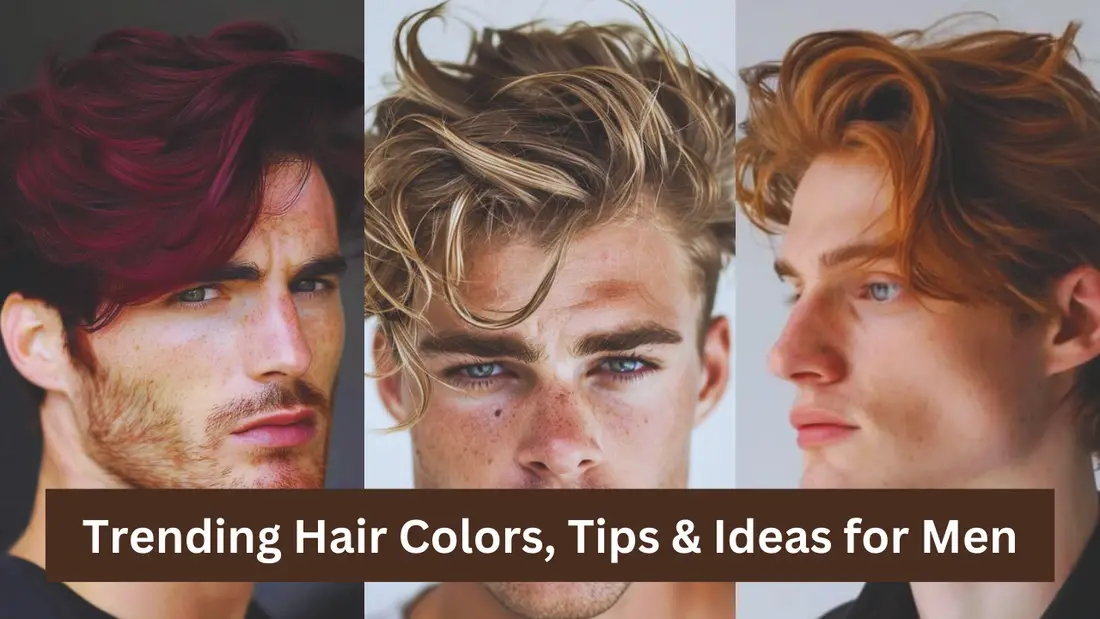
Credit: mendeserve.com
Benefits Of Long Hair For Men
Long hair on men is more than just a style choice; it offers a range of benefits that can transform your look and how you express yourself. From the freedom to experiment with different styles to making a statement about who you are, growing your hair long opens up new possibilities. Let’s look at some of the key advantages you can enjoy when you commit to long locks.
Styling Versatility
Long hair gives you endless options to change your appearance daily. You can wear it loose for a casual vibe or tie it back in a sleek ponytail for a more polished look. Braids, buns, and half-up styles become easy ways to switch things up without much effort.
Think about how many times you’ve felt stuck with a haircut that just didn’t fit your mood. With long hair, that problem disappears. You get to play with textures, accessories, and shapes that short hair simply can’t match.
Enhanced Appearance
Long hair adds dimension and depth to your face, highlighting your features in unique ways. It can soften angular jawlines or frame your face to enhance your eyes and cheekbones. This can boost your confidence when you look in the mirror.
Many men find that long hair makes them stand out in a crowd because it’s less common and shows a sense of dedication to personal care. It also offers protection against sun damage and cold weather, keeping your scalp healthier over time.
Cultural And Personal Expression
Your hair is a powerful tool for telling your story. Long hair can connect you to cultural roots or personal beliefs, reflecting traditions or values important to you. It’s a visible way to express your identity without saying a word.
Have you ever noticed how some people use their hairstyle to challenge norms or make a statement? Long hair on men can do just that, breaking stereotypes and encouraging others to rethink what’s “normal.” It’s your chance to own your look and send a message about who you are.
Choosing The Right Hair Products
Choosing the right hair products is key to maintaining healthy long hair for men. The right products clean, nourish, and protect hair without causing damage. Selecting products that suit your hair type and needs helps avoid dryness and breakage. Focus on ingredients that strengthen and hydrate hair. Keep your routine simple and effective.
Shampoos For Strength And Moisture
Choose shampoos that add strength and moisture to hair. Look for products with gentle cleansing agents to avoid stripping natural oils. Ingredients like keratin, biotin, and aloe vera help build strong hair strands. Moisturizing shampoos keep hair soft and reduce frizz. Avoid shampoos with harsh sulfates or alcohols that dry out hair.
Conditioners To Prevent Breakage
Conditioners soften hair and make it easier to comb. Use conditioners rich in proteins and vitamins to reduce breakage. Ingredients like argan oil, shea butter, and panthenol repair damaged hair. Apply conditioner mainly on the ends where hair is weakest. Rinse thoroughly to avoid buildup that can weigh hair down.
Natural Oils And Serums
Natural oils and serums add shine and protect hair from damage. Use lightweight oils such as jojoba, coconut, or argan oil. These oils nourish hair without making it greasy. Serums can smooth frizz and shield hair from heat styling. Apply a small amount on damp or dry hair for best results.
Daily Hair Care Routine
Taking care of long hair daily can feel like a big task, but a simple, consistent routine makes a huge difference. Your hair needs gentle handling and attention to stay healthy and strong. What small changes could you make today to improve how your hair looks and feels tomorrow?
Proper Washing Techniques
Start by using lukewarm water to rinse your hair; hot water can strip natural oils and leave your hair dry. Apply a mild shampoo only to your scalp, not the entire length of your hair. This keeps the roots clean while preserving moisture in the longer strands.
Rinse thoroughly to avoid buildup that can weigh hair down. After shampooing, use a conditioner from mid-length to the ends to keep your hair soft and manageable. Let the conditioner sit for a few minutes before rinsing with cool water to seal the hair cuticles.
Detangling Without Damage
Wet hair is more vulnerable to breakage, so detangle carefully. Use a wide-tooth comb or your fingers to gently work through knots starting from the ends and moving upward. Avoid tugging hard; patience here pays off with less split ends.
Spray a leave-in conditioner or detangler to make this process easier. If you’ve ever pulled too hard and seen strands snap off, you know how important gentle detangling is for long hair health.
Avoiding Heat And Chemical Stress
Heat styling tools can quickly dry out and damage your hair, especially if used daily. Try air drying whenever possible or use the lowest heat setting on your dryer. If you must style with heat, always apply a heat protectant first.
Chemical treatments like coloring or straightening can weaken your hair. If you choose to use these, space them out and give your hair time to recover. Have you noticed your hair feeling brittle after a color session? That’s a sign to slow down and nourish your strands more.
Nutrition For Healthy Hair
Nutrition plays a crucial role in maintaining healthy, long hair. Your hair needs the right fuel to grow strong and resist breakage. Paying attention to what you eat can make a noticeable difference in your hair’s texture and shine.
Essential Vitamins And Minerals
Vitamins and minerals are the building blocks for healthy hair. Vitamin A helps your scalp produce natural oils that keep hair moisturized. Vitamin C supports collagen production, which strengthens hair strands.
Zinc and iron are important too—they improve hair growth and prevent hair loss. Without enough iron, your hair may become weak or fall out. Biotin, a B vitamin, is often linked to thicker and healthier hair. Have you checked your vitamin intake lately?
Hydration And Hair Growth
Water is more than just a thirst quencher; it’s essential for hair health. Your hair cells need hydration to stay elastic and prevent breakage. Dehydration can make hair dry, brittle, and prone to split ends.
Drinking enough water daily supports proper circulation, delivering nutrients to hair follicles efficiently. Try keeping a water bottle handy during the day and notice if your hair feels softer over time.
Foods That Promote Strong Locks
Eating the right foods can boost your hair’s strength and shine. Add these to your diet for better hair health:
- Salmon– Rich in omega-3 fatty acids, it nourishes the scalp and promotes hair growth.
- Spinach– Packed with iron and vitamins A and C, it keeps hair roots healthy.
- Eggs– Provide protein and biotin, essential for hair structure and growth.
- Nuts and seeds– Offer zinc, selenium, and vitamin E to protect hair from damage.
Which of these foods do you already enjoy? Adding even one or two can improve your hair’s appearance over a few weeks.
Common Hair Problems And Fixes
Long hair can be a great style choice, but it often comes with its own set of challenges. Understanding common hair problems and how to fix them can save you time and frustration. Let’s look at some issues many men face and practical ways to keep your hair healthy and strong.
Split Ends And Frizz Control
Split ends happen when the hair shaft weakens and splits at the tip. If you ignore split ends, they travel up the hair, causing more damage. Regular trims every 6-8 weeks help prevent this.
Frizz often appears when hair lacks moisture or is exposed to humidity. Using a leave-in conditioner or a light oil like argan oil can smooth the hair cuticle and keep frizz under control. Have you noticed how some products weigh your hair down? Choose lightweight formulas for better results.
Dealing With Dry Scalp
A dry scalp can cause itching and flaking, making your hair care routine uncomfortable. Often, harsh shampoos strip natural oils, leading to dryness. Switch to a gentle, sulfate-free shampoo and add a weekly scalp massage with coconut or jojoba oil to boost hydration.
If dandruff persists, consider shampoos with ingredients like zinc pyrithione or ketoconazole. These ingredients target scalp conditions without over-drying. How often do you pay attention to your scalp health compared to your hair strands?
Managing Hair Thinning
Hair thinning can feel discouraging, especially when you want to maintain long hair. It often results from stress, poor nutrition, or genetics. Eating a balanced diet rich in vitamins like biotin and iron can support healthier hair growth.
Avoid tight hairstyles that pull on your hair, as they can worsen thinning. Gentle handling during washing and styling is crucial—rough brushing can cause breakage. Have you tried scalp stimulation techniques, like massaging, to encourage blood flow and hair growth?
Styling Tips For Long Hair
Styling long hair can feel like a challenge, but it’s also a great chance to get creative with your look. The key is to protect your hair while keeping it healthy and vibrant. You want styles that don’t cause damage and techniques that maintain your hair’s natural beauty.
Protective Hairstyles
Protective hairstyles reduce breakage and keep your hair safe from environmental damage. Braids, buns, and twists are excellent choices because they tuck your ends away and prevent friction.
Try loose braids instead of tight ones to avoid pulling on your scalp. When I started wearing a low bun to sleep, I noticed less split ends in the morning. Have you ever thought about how your daily hairstyles might affect your hair’s health?
Using Minimal Heat
Heat tools can quickly damage long hair, causing dryness and split ends. Limit your use of straighteners, curling irons, and blow dryers by opting for air-drying or heatless styling methods.
Using a heat protectant spray is essential if you do use heat. I switched to heatless waves by braiding my hair overnight and woke up with natural curls that looked great without any damage. What’s your go-to style when you want to avoid heat?
Maintaining Texture And Shine
Long hair often loses shine and texture if not cared for properly. Regularly using a moisturizing conditioner and applying natural oils like argan or jojoba can bring back that healthy glow.
Avoid heavy products that weigh your hair down and strip away its natural texture. I noticed my hair looked much shinier when I started rinsing with cool water after washing. Have you paid attention to how product choices affect your hair’s feel and look?
When To Trim And How Often
Knowing when to trim your long hair is key to keeping it healthy and looking sharp. Trimming too often or too rarely can affect both the shape and strength of your hair. Let’s look at how to spot the right time for a cut and how frequently you should schedule trims for the best results.
Signs You Need A Trim
Split ends are the most obvious sign your hair needs a trim. They make your hair look frizzy and dull, and if you ignore them, the damage can travel up the hair shaft.
Other signs include your hair losing its shape or feeling rough to the touch. If your style starts to look flat or uneven, it’s a clear cue that a trim is overdue.
Ask yourself: when was the last time you felt your hair bounce back after washing? If it’s been a while, your hair might be struggling without a trim.
Maintaining Shape And Health
Trims help keep your hair looking intentional, not neglected. Even if you’re growing your hair out, regular trims every 8 to 12 weeks prevent split ends and promote healthier growth.
Think of trims as a way to sculpt your hair. They maintain your style’s shape and stop damage from spreading. This means less breakage and easier styling.
Pay attention to your hair’s texture and how it behaves. If you notice tangles or uneven layers, it’s time to refresh your cut. Healthy hair feels smooth and looks vibrant.
Diy Vs Professional Cuts
Cutting your own hair can save money, but it’s tricky with long hair. Uneven cuts or accidentally snipping too much can ruin your style and cause frustration.
Professional stylists understand hair growth patterns and the best angles for trimming long hair. They can also offer advice on products and care tailored to your hair type.
If you decide to try a DIY trim, start small and use sharp scissors designed for hair. Watching tutorials and asking a friend for help can make the process easier and safer.

Credit: www.hairdoctors.com.au
Lifestyle Habits For Strong Hair
Your daily lifestyle choices play a huge role in keeping your long hair strong and healthy. Hair isn’t just about what you put on it—it’s about how you treat your whole body and mind. Small changes in your habits can lead to noticeable improvements in hair strength and shine.
Stress Management
Stress can seriously impact your hair’s health. When you’re stressed, your body produces hormones that can weaken hair follicles and cause hair loss.
Try simple techniques like deep breathing, meditation, or even a quick walk outside. I noticed my hair stopped falling out as much when I started taking just 10 minutes each day to relax and clear my mind.
Could managing stress be the missing piece in your hair care routine?
Sleep And Hair Health
Sleep isn’t just for your brain—it’s when your body repairs itself, including your hair. Lack of sleep can slow down hair growth and make strands brittle.
Aim for 7-8 hours of quality sleep every night. You might find your hair looks fuller and feels stronger after a week of better rest.
Have you noticed changes in your hair after a poor night’s sleep?
Avoiding Harmful Habits
Some everyday habits can damage your hair more than you think. Frequent heat styling, harsh chemical treatments, and even tight hairstyles can break hair and cause thinning.
Cut back on blow drying and give your hair breaks from tight ponytails or braids. When I stopped using high heat on my hair every day, my ends became less dry and snapped less.
What small change could you make today to protect your hair from damage?
Credit: www.gosupps.com
Frequently Asked Questions
How Often Should Men Wash Long Hair?
Men with long hair should wash it 2-3 times weekly. Overwashing can strip natural oils, causing dryness and damage.
What Is The Best Shampoo For Male Long Hair?
Choose sulfate-free, moisturizing shampoos. They gently cleanse without drying hair, maintaining softness and strength for long locks.
How Can Men Prevent Long Hair From Tangling?
Regularly detangle hair using a wide-tooth comb. Apply conditioner and avoid harsh brushing to minimize breakage and knots.
Is Air Drying Or Blow Drying Better For Long Hair?
Air drying is gentler and reduces heat damage. Use blow dryers on low heat only when necessary to protect hair health.
Conclusion
Caring for long hair takes patience and simple steps. Wash gently and avoid harsh chemicals. Use a wide-tooth comb to prevent breakage. Trim regularly to keep ends healthy. Protect hair from sun and pollution. Drink water and eat healthy foods for strong hair.
Small changes make a big difference over time. Enjoy your long hair with confidence and care.
