Are you new to the world of makeup and feeling overwhelmed by the endless array of products and techniques? You’re not alone!
Many beginners find themselves asking, “Where do I start? ” Imagine standing in front of a makeup aisle, unsure of which foundation matches your skin tone or how to achieve that flawless eyeshadow look. But don’t worry, you’ve come to the right place.
This guide is crafted just for you, providing easy-to-follow makeup tips that will transform your routine from intimidating to exciting. Get ready to unlock the secrets that professional makeup artists swear by and discover how you can enhance your natural beauty with confidence. Stick around, because by the end of this article, you’ll feel empowered to create stunning looks that reflect your unique style. Let’s dive in and reveal the makeup magic waiting for you!
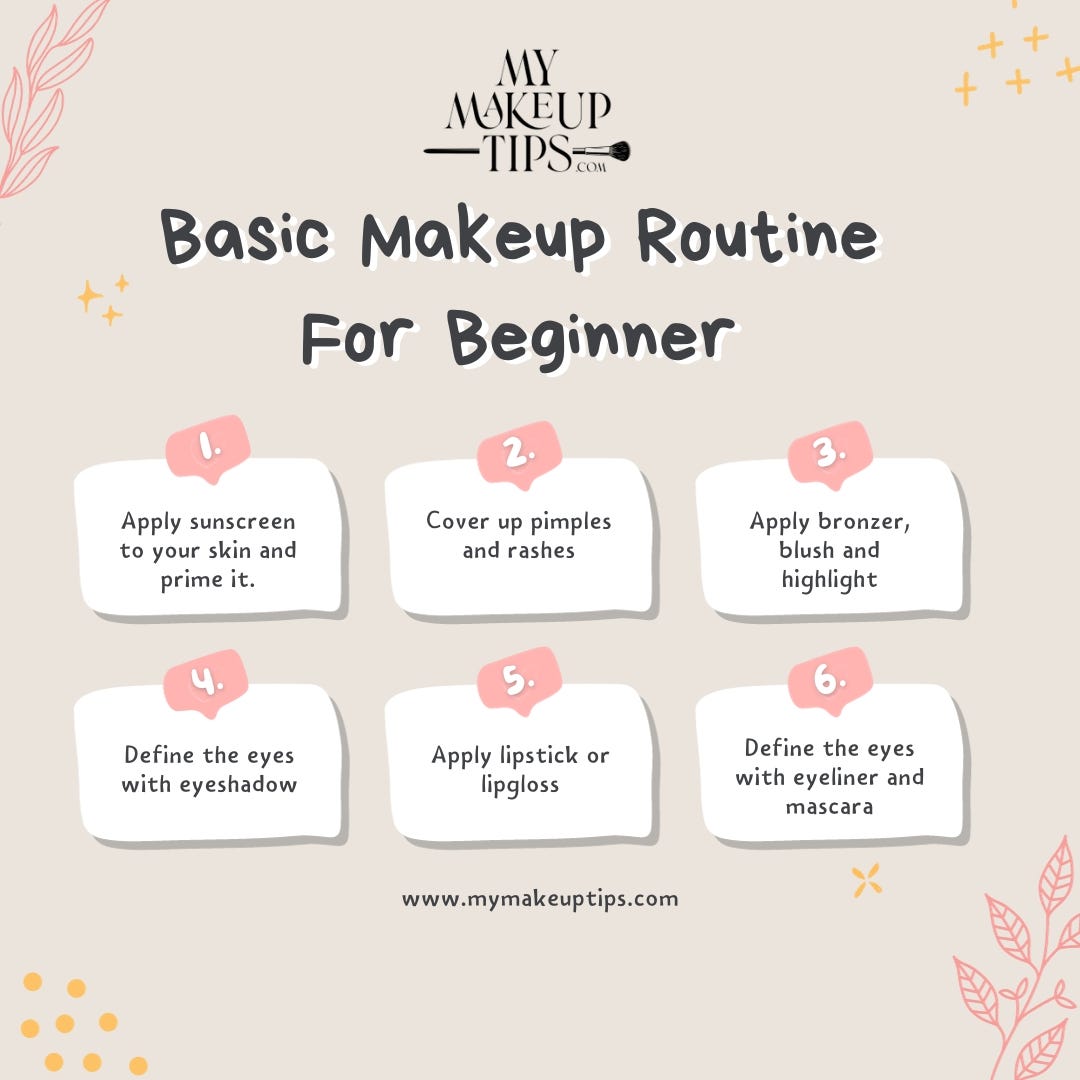
Credit: hairbeautycorner.com
Choosing The Right Products
Choosing the right makeup products can feel overwhelming, especially when you are just starting out. The key is to understand what suits your skin and lifestyle, so your makeup enhances your natural beauty without causing frustration. Let’s break down the essentials that will help you make smart choices and feel confident every time you apply your makeup.
Skin Type And Tone
Knowing your skin type is the first step in picking products that work well for you. Are you oily, dry, combination, or sensitive? For oily skin, look for oil-free or mattifying foundations. Dry skin benefits from hydrating formulas that add glow and prevent flakiness.
Your skin tone also guides product selection. Choose foundation shades that match your undertone—cool, warm, or neutral—to avoid a mask-like effect. Don’t hesitate to test products in natural light or ask for samples before buying. Have you ever bought a foundation that looked perfect in the store but turned out too orange or pink at home?
Essential Makeup Items
Start with a few basics that build a versatile makeup kit. You don’t need every product on the shelf, just the essentials that create a polished look.
- Foundation or tinted moisturizer:Evens out your skin tone.
- Concealer:Covers blemishes and brightens under the eyes.
- Mascara:Opens up your eyes and adds definition.
- Lip balm or lipstick:Adds color and hydration.
- Blush or bronzer:Brings life and dimension to your face.
Choosing multi-purpose products can simplify your routine. For example, a tinted moisturizer with SPF gives coverage and sun protection in one step.
Budget-friendly Options
High price doesn’t always mean better quality. Many drugstore brands offer excellent products that beginners love. You can find foundations, mascaras, and lipsticks that perform just as well as luxury brands without breaking the bank.
| Product Type | Affordable Brand | Why It Works |
|---|---|---|
| Foundation | L’Oréal True Match | Wide shade range and natural finish |
| Mascara | Maybelline Lash Sensational | Builds volume without clumps |
| Lipstick | Revlon Super Lustrous | Long-lasting color and creamy texture |
How do you decide which products deserve a splurge and which ones should stay budget-friendly? Focus your investment on items that impact your look the most, like foundation or mascara, while saving on trendy or seasonal colors.
Preparing Your Skin
Preparing your skin is the first and most important step in makeup application. Clean and well-moisturized skin creates a smooth base. This helps makeup last longer and look natural. Taking time to care for your skin improves the final result.
Cleansing And Moisturizing
Start with a gentle cleanser to remove dirt and oil. This clears your skin and stops makeup from clumping. Use lukewarm water to avoid dryness. Pat your face dry with a soft towel.
Next, apply a moisturizer suited to your skin type. Moisturizer keeps skin hydrated and soft. It prevents makeup from looking cakey or flaky. Allow the moisturizer to absorb fully before applying makeup.
Priming For Longevity
Priming creates a smooth surface for makeup. It helps foundation and other products stay in place. Choose a primer based on your skin needs:
- For oily skin, use a mattifying primer to reduce shine.
- For dry skin, choose a hydrating primer for extra moisture.
- For uneven skin texture, use a smoothing primer to fill pores.
Apply a small amount of primer evenly over your face. Let it set for a minute. This step enhances makeup wear and improves appearance.
Applying Foundation Flawlessly
Applying foundation flawlessly is key to a smooth and natural makeup look. It creates a perfect base, hides blemishes, and evens out skin tone. A good foundation application boosts confidence and enhances your overall appearance.
Selecting The Right Shade
Choose a foundation shade that matches your skin tone. Test shades along your jawline in natural light. The right shade should disappear into your skin without leaving a line.
Consider your undertone: warm, cool, or neutral. Warm undertones have a yellow or golden hue. Cool undertones show pink or red hues. Neutral undertones mix both warm and cool.
Use samples before buying. Avoid shades that are too light or too dark. A perfect match looks seamless and brightens your complexion.
Tools And Techniques
Use the right tools for smooth application. Popular tools include:
- Brushes – for precise and even coverage.
- Sponges – for a natural, airbrushed finish.
- Fingers – for quick and warm blending.
Start with a small amount of foundation. Dab it on your face, focusing on the center. Blend outward toward your hairline and jawline.
Use gentle, tapping motions with a sponge or brush. Avoid rubbing or dragging the skin. This helps the foundation blend well and look natural.
Enhancing Your Eyes
Enhancing your eyes can transform your entire look. Eyes express emotions and draw attention. Simple makeup techniques can make your eyes pop and look brighter.
Start with clean eyelids. This helps eye shadow stay longer. Choose colors that suit your skin tone for a natural effect.
Basic Eye Shadow Application
Pick three shades: light, medium, and dark. Use the light shade on the eyelid. Apply the medium shade to the crease. Blend well to avoid harsh lines.
- Use a soft brush for smooth blending.
- Start with a small amount and build color gradually.
- Highlight the inner corner with the lightest shade.
Eyeliner Tips For Beginners
Choose a pencil or gel liner for easy control. Draw a thin line close to the lashes. Avoid thick lines at first. You can always add more later.
- Keep your hand steady by resting your elbow on a flat surface.
- Start from the middle of the lash line and move outward.
- Smudge gently for a softer look.
Mascara Tricks
Mascara opens up your eyes and adds volume. Use a clean wand to separate lashes. Apply mascara from the roots to the tips.
- Wiggle the wand slightly to avoid clumps.
- Apply a second coat for more volume, if needed.
- Use a lash comb to separate lashes after applying mascara.
Shaping And Filling Brows
Shaping and filling brows can change your face’s look a lot. Well-shaped brows frame your eyes and give your face balance. For beginners, understanding the basics of brow care is key. It makes the makeup process easier and helps create a natural look.
Choosing The Right Brow Products
Pick products that match your hair color and skin tone. Brow pencils are great for precise lines and filling in gaps. Brow powders offer a softer, natural finish. Gels help keep hairs in place and add volume.
- Use pencils for sharp, defined brows.
- Choose powders for a gentle, full look.
- Try tinted gels for hold and color.
- Consider clear gel to set brows without color.
Test products on your hand before applying. Avoid shades that are too dark or too warm.
Simple Brow Shaping Steps
Start by brushing your brows upward with a spoolie brush. This shows the natural shape clearly. Use tweezers to pluck stray hairs outside your shape. Be careful not to overpluck.
Use light, short strokes to fill in sparse areas. Follow the direction of your natural hair growth. Blend the product softly with a spoolie brush for a natural look.
- Brush brows up and out.
- Pluck stray hairs carefully.
- Fill gaps with light strokes.
- Blend to soften harsh lines.
Adding Color To Your Cheeks
Adding color to your cheeks brings life to your face. It creates a fresh, healthy look instantly. Blush can brighten your complexion and give a natural glow. Knowing how to apply blush correctly helps avoid harsh or patchy results. The right color and placement make a big difference.
Blush Placement
Apply blush where your cheeks naturally rise when you smile. This spot is usually the apples of your cheeks. Use a soft brush to blend the color outward toward your temples. Avoid placing blush too low or too close to your nose. Blend well for a smooth, natural finish. Light strokes work best to build color slowly.
Choosing Blush Shades
Select blush shades that match your skin tone for a natural look. Here is a simple guide:
| Skin Tone | Recommended Blush Shades |
|---|---|
| Fair | Soft pink, peach, light coral |
| Medium | Rose, apricot, warm pink |
| Olive | Deep peach, bronze, warm coral |
| Dark | Berry, brick red, bright orange |
Choose matte blush for oily skin and shimmer blush for dry skin. Test colors on your jawline before buying. This helps ensure a perfect match.
Perfecting The Lips
Perfect lips enhance any makeup look. They add color and shape to your face. Beginners can achieve smooth, defined lips with simple steps. Focus on preparation and careful application for the best results.
Lip Liner Basics
Lip liner shapes your lips and prevents lipstick from bleeding. Choose a liner close to your natural lip color or lipstick shade. Start at the cupid’s bow and outline the top lip. Follow the natural lip line for a balanced look.
Fill in the entire lip with liner for longer wear. Use short, light strokes to avoid harsh lines. Blending the liner slightly inward creates a smooth transition to lipstick.
Applying Lipstick Smoothly
For even lipstick, begin with moisturized lips. Use a lip balm and blot off excess. Apply lipstick starting at the center of your lips. Move outward toward the corners with gentle strokes.
Use a lip brush for more control and precision. Blot lips with tissue after the first layer. Apply a second layer for richer color and longer wear.
For a polished finish, clean edges with a concealer or foundation brush. This sharpens the lip shape and covers any mistakes.
Credit: www.lemon8-app.com
Setting Your Makeup
Setting your makeup is an important step to keep your look fresh and long-lasting. It helps prevent smudging, fading, and shine throughout the day. Proper setting techniques lock your foundation and powders in place. This step works well for all skin types and makeup styles.
Using Setting Powder
Setting powder controls shine and reduces oiliness. Use a light hand and apply it with a fluffy brush or puff. Focus on areas prone to oil, like the T-zone and under the eyes. Translucent powders work for all skin tones. Press the powder gently rather than sweeping it. This technique helps to avoid disturbing your foundation.
Setting Sprays For All-day Wear
Setting sprays add a final layer of hold to your makeup. Hold the bottle about 8-10 inches from your face. Spray in an “X” and “T” shape for even coverage. Setting sprays prevent makeup from fading and keep skin hydrated. Choose a spray that suits your skin type—matte for oily skin, dewy for dry skin. Let the spray dry naturally without touching your face.
Common Mistakes To Avoid
Getting your makeup right feels great, but some common mistakes can hold you back. Avoiding these pitfalls will make your routine smoother and your look more polished. Let’s talk about two errors many beginners make and how you can easily skip them.
Overusing Products
Applying too much product can quickly turn your fresh look into a heavy mask. It’s tempting to pile on foundation or eyeshadow, hoping to cover flaws or make colors pop, but more isn’t always better.
Try using a small amount first and build up only if needed. For example, start with a light layer of foundation and add more only on areas that need coverage.
Ask yourself: Is this making my skin look natural or just cakey? This simple check can save you from overdoing it.
Ignoring Skin Preparation
Skipping skin prep is like painting on a dirty canvas—it won’t last well or look smooth. Clean, moisturized skin creates the perfect base for your makeup to stick and glow.
Take a moment to wash your face, apply moisturizer, and consider a primer to even out texture. This step can prevent makeup from settling into fine lines or patches.
Think about how your makeup wears throughout the day—does it fade fast or stay fresh? Often, the answer lies in how well you prep your skin beforehand.

Credit: www.youtube.com
Frequently Asked Questions
What Are The Essential Makeup Products For Beginners?
Beginners should start with foundation, concealer, mascara, and a neutral eyeshadow palette. These basics help create a simple, polished look. Quality brushes and makeup remover are also essential for application and cleanup.
How Do I Choose The Right Foundation Shade?
Test foundation shades on your jawline in natural light. Choose the one that blends seamlessly with your skin tone. Match both undertone and depth for a natural finish that enhances your complexion.
What Is The Easiest Eye Makeup For Beginners?
Start with neutral eyeshadows and a simple mascara application. Use one or two shades to create a subtle, natural look. Avoid complex techniques until you gain confidence and practice.
How Can I Make My Makeup Last Longer?
Use a primer before foundation and set makeup with powder. Setting sprays help lock makeup in place. Avoid touching your face to prevent smudging throughout the day.
Conclusion
Starting makeup is fun and full of learning. Practice often to see real improvement. Choose products that feel good on your skin. Play with colors to find what suits you best. Remember, makeup is about expressing yourself. Enjoy the process and be patient.
Everyone’s style is unique and special. Keep trying new things without stress. Confidence grows with each small step. Your beauty shines brightest when you feel happy.
