
Are you tired of your foundation not looking as flawless as you’d like? You’re not alone.
Many struggle to achieve that perfect, natural finish. The good news is, with a few simple tweaks, you can elevate your makeup game to a whole new level. Imagine stepping out with confidence, knowing your foundation looks just right. You’ll discover essential makeup foundation tips that will transform your routine.
Whether you’re a beginner or a makeup enthusiast, these tips are designed to make your beauty routine easier and more effective. Ready to unlock the secrets to a flawless complexion? Let’s dive in!
Choosing The Right Foundation
Choosing the right foundation is key for a flawless makeup look. It sets the base for the entire face and enhances natural beauty. Finding the perfect match can boost confidence and keep makeup looking fresh all day.
Matching Your Skin Tone
Test foundation shades on your jawline or wrist. Check in natural light for the best match. The right color blends seamlessly without leaving a mask-like effect. Avoid shades that are too light or too dark.
Picking The Right Formula
Foundation formulas vary for coverage and finish. Options include liquid, powder, cream, and stick foundations. Choose one based on the look you want—matte, dewy, or natural. Lightweight formulas work great for daily wear.
Considering Your Skin Type
Know your skin type before selecting a foundation. Oily skin benefits from matte, oil-free formulas. Dry skin needs hydrating foundations with a creamy texture. Combination skin requires balanced formulas that control shine and hydrate.

Credit: www.shefinds.com
Prepping Your Skin
Prepping your skin is the secret behind a flawless makeup foundation. It sets the stage for smooth application and long-lasting wear. Without proper prep, even the best foundation can look patchy or fade quickly.
Cleansing And Moisturizing
Start with a clean canvas. Cleansing removes dirt, oil, and impurities that can clog pores and cause uneven foundation. Choose a gentle cleanser suited to your skin type to avoid dryness or irritation.
Moisturizing is not optional—it’s essential. Hydrated skin helps foundation glide on smoothly and prevents flaking. If your skin is oily, opt for a lightweight, oil-free moisturizer. For dry skin, richer creams work wonders.
Using Primers For Longevity
Think of primers as the glue that holds your foundation in place. They create a smooth surface and help your makeup last longer, even through sweat or humidity. Depending on your skin needs, pick a primer that mattifies, blurs pores, or adds a subtle glow.
I once skipped primer on a hot day and regretted it—the foundation faded by noon. Using primer consistently makes a noticeable difference. Have you noticed how your makeup behaves on days you don’t use one?
Exfoliation Tips
Exfoliating removes dead skin cells that make your foundation look cakey or uneven. Use a gentle scrub or a chemical exfoliant 1-2 times a week to keep your skin smooth. Avoid over-exfoliating; it can cause redness and irritation.
Before a big event, I always exfoliate the night before to ensure my foundation looks flawless. What’s your exfoliation routine like, and how does it affect your makeup?
Application Techniques
Applying foundation can feel tricky, but mastering a few key techniques changes everything. How you apply your foundation affects the finish, coverage, and how long it lasts. Let’s break down the tools and tricks that can help you achieve a flawless base with ease.
Tools To Use
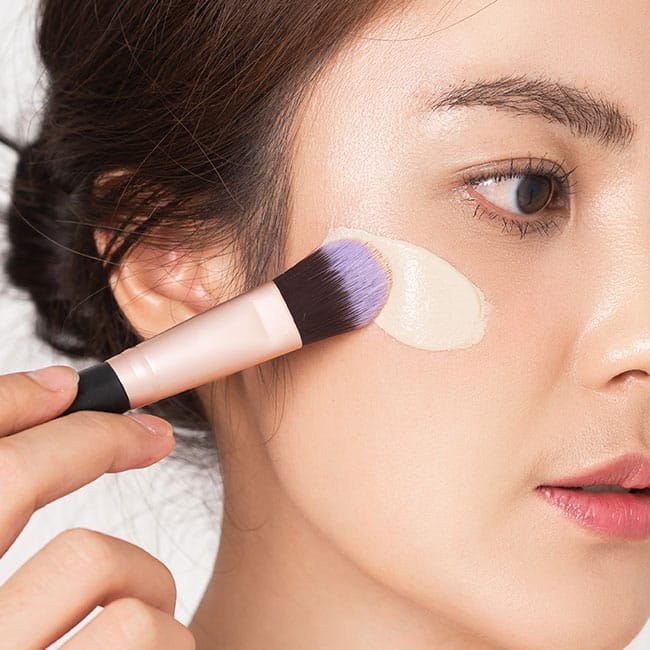
Choosing the right tool is essential. Brushes offer precision and a smooth finish, especially flat or buffing brushes. Sponges, like beauty blenders, provide a natural, airbrushed look by pressing the product into your skin.
Try using your fingers for quick touch-ups or lighter coverage—it warms the product and helps it melt into your skin. What tool feels most comfortable for you? Experiment to find your favorite, as the right tool can make application faster and more seamless.
Layering For Coverage
Start with a small amount of foundation and build up gradually. Thin layers prevent a cakey look and allow you to control coverage precisely. If you want more coverage on specific areas, apply a second thin layer only where needed.
This technique also extends your foundation’s wear time. Have you noticed how heavy layers sometimes crack or fade quickly? Layering helps avoid that by letting your skin breathe.
Blending Tips
Blending is the secret to a natural finish. Work from the center of your face outward, blending foundation into your jawline and hairline to avoid harsh lines. Use gentle tapping motions with a sponge or light strokes with a brush for smooth edges.
Don’t forget to blend around the nose and under your eyes carefully; these areas often show patchiness. How often do you check your blending in natural light? It can reveal spots you missed and help you perfect your look.
Credit: www.shefinds.com
Fixing Common Foundation Issues
Foundation can sometimes be tricky to apply perfectly. Common issues like cakey finish, dry patches, and oily skin can affect the look and feel. Fixing these problems helps achieve a smooth, natural finish. Simple tips and adjustments can improve your foundation application.
Avoiding Cakey Finish
Cakey foundation looks thick and unnatural. Use a lightweight foundation for better coverage. Apply thin layers and build coverage gradually. Blend foundation well using a damp sponge or brush. Set your foundation with a light dusting of translucent powder. Avoid applying too much powder, which causes heaviness.
Handling Dry Patches
Dry patches make foundation look uneven and flaky. Exfoliate your skin gently before applying foundation. Use a hydrating moisturizer to soften dry areas. Choose a foundation with a creamy or dewy finish. Dab foundation lightly on dry spots instead of rubbing. Avoid matte formulas that can highlight dryness.
Dealing With Oily Skin
Oily skin causes foundation to slide off or look shiny. Start with a mattifying primer to control oil. Use oil-free or long-wear foundations designed for oily skin. Apply foundation with a brush for better grip. Set foundation with an oil-absorbing powder. Carry blotting papers to reduce shine during the day.
Setting Your Foundation
Setting your foundation is key to making your makeup last longer and look flawless throughout the day. It helps control shine, prevents your base from sliding off, and keeps your skin looking smooth. But choosing how to set your foundation can be tricky without the right tips and products.
Choosing The Right Setting Powder
Not all setting powders are created equal. You want one that matches your skin type—matte powders work well if you have oily skin, while hydrating powders suit dry skin better.
Translucent powders are great for a natural finish, but tinted powders can add a bit of extra coverage. Look for finely milled powders to avoid that cakey feeling. I once switched to a lightweight loose powder and noticed my foundation stayed put without looking heavy.
Using Setting Sprays
Setting sprays add an extra layer of protection to your makeup. They lock everything in place and can even refresh your look during the day.
Choose sprays with ingredients that suit your skin needs—some hydrate, others mattify. Spritz your face from about 8-10 inches away, keeping your eyes closed. Ever tried a spray that made your makeup look like skin rather than a mask? That’s the kind to aim for.
Touch-up Tips
Even with great setting products, touch-ups might be necessary. Keep blotting papers handy to remove excess oil without disturbing your foundation.
A small amount of powder applied with a fluffy brush can revive your base without adding thickness. And if your makeup starts to look dull, a quick spritz of setting spray can bring back that fresh glow.
Have you noticed how small changes in your setting routine can make a big difference in how your makeup lasts? What’s your favorite way to keep your foundation flawless all day?
Enhancing With Color Correcting
Enhancing with color correcting improves your foundation’s finish. It balances uneven skin tones before applying foundation. This step makes the face appear smooth and radiant. It hides imperfections and brightens tired skin. Color correcting is simple with the right shades.
Neutralizing Redness
Green correctors cancel out redness. Use them on pimples, rosacea, or broken capillaries. Dab a small amount only on red spots. Blend gently for a natural look. This stops redness from showing through foundation. Your skin looks calm and even-toned after blending.
Brightening Dull Areas
Peach or orange correctors work well on dull skin. They add warmth and glow to pale areas. Apply under your foundation on cheeks or forehead. Lightly blend with fingers or a sponge. This step refreshes tired and lifeless skin. The face appears more awake and healthy.
Concealing Dark Circles
Use peach or pink correctors under the eyes. These tones neutralize blue or purple shadows. Apply a thin layer on dark circles. Blend softly to avoid cakiness. Follow with your usual concealer and foundation. This technique brightens the eye area instantly.
Credit: www.youtube.com
Frequently Asked Questions
What Is The Best Foundation For Oily Skin?
For oily skin, choose a matte or oil-free foundation. These control shine and last longer. Look for non-comedogenic formulas to avoid clogging pores and causing breakouts.
How To Match Foundation With Skin Tone Perfectly?
Test foundation shades along your jawline in natural light. Choose a shade that blends seamlessly with your neck and face. Avoid shades that are too light or dark for a natural look.
Should I Use Primer Before Applying Foundation?
Yes, primer creates a smooth base for foundation. It helps makeup last longer and controls oil or dryness. Applying primer ensures even foundation application and improves overall finish.
How To Apply Foundation For A Natural Finish?
Use a damp makeup sponge or brush for even blending. Apply foundation in thin layers and build coverage gradually. Focus on blending around the jawline and hairline for a seamless look.
Conclusion
Choosing the right foundation can brighten your whole look. Test shades in natural light for best match. Apply with clean tools for smooth, even coverage. Blend well around edges to avoid lines. Keep your skin hydrated for a natural finish.
Remember, practice helps you find your perfect routine. Small steps lead to big improvements. Enjoy the process and feel confident in your skin.
