If you have low porosity hair, you know how tricky it can be to keep it healthy and looking great. Your hair resists moisture and products just don’t seem to sink in.
But what if you could unlock the secret to making your hair soft, shiny, and easy to manage? You’ll discover a simple, effective hair care routine designed specifically for low porosity hair. Follow these steps, and you’ll start seeing real results that make your hair routine easier and more rewarding.
Ready to transform your hair? Let’s dive in.
Credit: www.estepera.com
Characteristics Of Low Porosity Hair
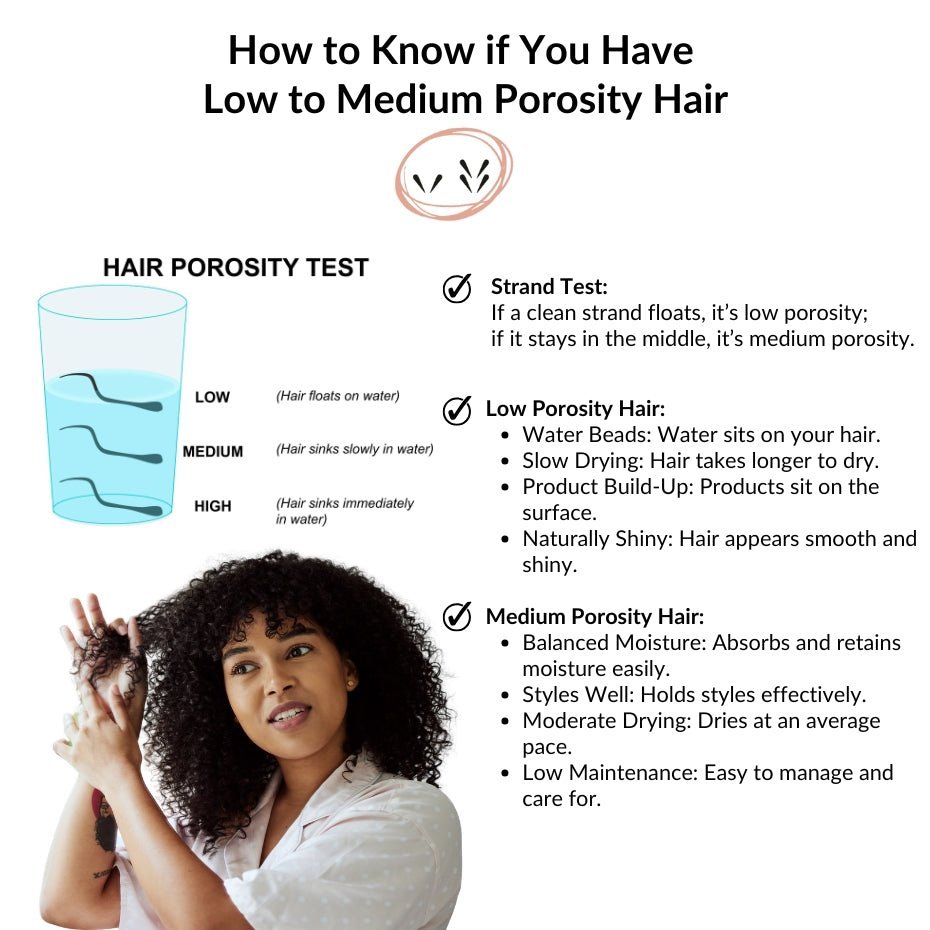
Low porosity hair has a unique structure that affects its care needs. The hair cuticles are tightly packed and flat. This makes it hard for moisture to enter the hair shaft. Water and products tend to sit on the hair surface. This structure helps the hair resist damage but also causes certain care challenges.
How Low Porosity Affects Hair Health
The tight cuticle layer keeps moisture out, leading to dryness inside the hair. Hair may feel stiff or brittle despite product use. Natural oils have trouble penetrating, causing scalp buildup. The hair often looks shiny but lacks deep hydration. It takes longer for hair to dry after washing. Heat and steam can help open cuticles for better absorption.
Common Challenges With Low Porosity Hair
- Products build up quickly on the hair surface.
- Hair feels greasy but remains dry underneath.
- Moisturizers take longer to absorb.
- Frequent washing can lead to scalp irritation.
- Hair resists chemical treatments and dyes.
- Heat styling is often necessary for product penetration.
Choosing The Right Products
Choosing the right products for low porosity hair is crucial because this hair type tends to resist moisture absorption. The products you select can either help your hair stay hydrated and healthy or leave it feeling weighed down and dry. Understanding what works best for your hair’s unique needs will make a noticeable difference in your daily routine.
Lightweight Moisturizers And Oils
Lightweight moisturizers are your best friends. They penetrate your hair without sitting on top and causing buildup. Look for ingredients like aloe vera, glycerin, and panthenol that hydrate without heaviness.
When it comes to oils, avoid thick ones like castor or olive oil. Instead, choose lighter oils such as argan, jojoba, or grapeseed oil. These oils seal moisture without clogging your strands.
Have you noticed your hair feels greasy quickly? Switching to these lighter options might be the fix you need.
Avoiding Heavy Ingredients
Heavy ingredients can block moisture from entering your hair shaft. Stay away from products loaded with waxes, silicones, and heavy butters like shea butter or coconut oil if your hair tends to feel weighed down.
Check labels carefully and choose products with simple ingredient lists. Your hair will thank you by feeling lighter and more bouncy.
Think about the last time your hair felt limp—did you use a heavy product? Sometimes less is more.
Benefits Of Ph-balanced Products
Maintaining the right pH level is vital for low porosity hair. A slightly acidic pH (around 4.5 to 5.5) helps keep the hair cuticle closed, locking in moisture and reducing frizz.
Using shampoos and conditioners that are pH balanced protects your hair from becoming dry or brittle. This can improve shine and manageability over time.
Have you tried checking the pH of your hair products? It could be a game-changer in your hair care routine.
Effective Cleansing Techniques
Effective cleansing is key for maintaining healthy low porosity hair. It helps remove dirt, oils, and product buildup without stripping moisture. This balance keeps hair soft and manageable.
Choosing the right cleansing methods supports hair’s natural shine and prevents dryness. Focus on gentle products and proper washing habits.
Choosing Gentle Shampoos
Low porosity hair benefits from shampoos that clean without harsh chemicals. Look for sulfate-free formulas with mild ingredients. These shampoos cleanse gently and preserve natural oils.
Ingredients like aloe vera, chamomile, and glycerin add moisture while cleansing. Avoid heavy silicones and alcohols that can cause dryness or buildup.
Clarifying To Remove Buildup
Clarifying shampoos help remove excess product and mineral buildup. Use them occasionally to refresh your scalp and hair.
Choose clarifiers with natural acids or gentle surfactants. Avoid overuse to prevent stripping essential oils.
Clarify once every two to four weeks depending on product use and water hardness.
Optimal Washing Frequency
Washing low porosity hair too often can cause dryness. Wash hair 1-2 times per week for best results.
This frequency removes dirt without stripping moisture. Adjust based on your scalp’s oiliness and activity level.
Between washes, use co-washes or refreshing sprays to keep hair fresh and hydrated.
Moisturizing Strategies
Moisturizing low porosity hair requires a tailored approach to help your strands absorb and retain hydration effectively. The key lies in prepping your hair, using gentle heat, and smartly layering products to maximize moisture without weighing your hair down. Let’s break down these strategies so you can give your hair the care it truly needs.
Prepping Hair For Moisture Absorption
Low porosity hair has tightly bound cuticles, making it tough for moisture to get in. Start by gently detangling with a wide-tooth comb to prevent breakage and open the hair strands slightly. Using a clarifying shampoo once a month removes product buildup that blocks moisture, helping your hair soak in hydration better.
Applying a light, water-based leave-in conditioner right after washing locks in the initial moisture. Have you noticed how your hair feels dry even right after washing? This step can change that experience for you.
Heat Application For Better Penetration
Heat can help lift the cuticles and allow moisture to penetrate deeper into low porosity hair. Use a warm towel or a heat cap over your hair after applying your moisturizer to enhance absorption. This simple trick can make a big difference, especially if you’ve struggled with product buildup or dryness.
Be cautious not to use excessive heat which can cause damage. Think of it like gently warming butter to spread it easily, not melting it completely. Have you tried sitting under a hooded dryer or using a steamer during your deep conditioning routine?
Layering Moisturizers Effectively
Layering products in the right order helps low porosity hair stay hydrated longer. Start with a water-based moisturizer to add moisture, then follow with a light oil or butter to seal it in. Avoid heavy products that can sit on top and create buildup.
Here’s a quick guide to layering:
- Step 1: Apply a water-based leave-in conditioner
- Step 2: Add a lightweight oil like argan or jojoba
- Step 3: Use a small amount of butter or cream if needed for extra sealing
Are you using your products in the right order? Sometimes switching this up can make your hair feel softer and more manageable instantly.
Deep Conditioning Tips
Deep conditioning is a crucial step in caring for low porosity hair. This hair type has tightly closed cuticles, making it hard for moisture to penetrate. So, deep conditioning helps soften and hydrate your strands, improving manageability and shine.
Selecting Deep Conditioners For Low Porosity Hair
Choose deep conditioners that are lightweight and moisturizing without being heavy. Look for ingredients like aloe vera, glycerin, and honey, which attract moisture. Avoid thick, heavy butters and oils that can sit on top of your hair and cause buildup.
Have you noticed how some products just don’t seem to absorb? That’s because low porosity hair needs formulations that can slip past the tight cuticles. Try water-based conditioners and those labeled as “penetrating” or “hydrating” for better results.
Using Heat Caps And Steam
Heat helps open up the hair cuticles, allowing conditioners to soak in better. Using a heat cap or wrapping your hair in a warm towel during deep conditioning can make a big difference. If you don’t have a heat cap, sitting in a steam-filled bathroom can also boost absorption.
Personally, I found that a simple microwavable heat cap improved my hair’s softness noticeably. It’s an easy addition to your routine that doesn’t take much time but maximizes the benefits of your conditioner. Have you tried adding gentle heat to your routine yet?
Frequency And Duration Guidelines
Deep condition your low porosity hair once every one to two weeks. Overdoing it can cause product buildup and weigh your hair down. Aim to leave the conditioner on for 20 to 30 minutes to let it fully penetrate the strands.
Keep an eye on how your hair feels after each treatment. If it feels greasy or heavy, reduce frequency or opt for lighter products. Adjust based on what your hair needs, not just a set schedule.
Styling And Maintenance
Styling and maintaining low porosity hair requires gentle care and smart choices. This hair type resists moisture and can easily build up product residue. Choosing the right styles and care habits helps keep hair healthy and strong.
Protective Hairstyles For Low Porosity Hair
Protective hairstyles reduce daily stress and prevent breakage. Styles like braids, twists, and buns keep ends tucked away. These styles also limit exposure to harsh weather and friction.
- Loose braids or twists to avoid tension on the scalp
- Low buns to protect hair ends
- Wearing silk or satin scarves to reduce friction
Changing hairstyles regularly prevents strain on the same areas. Avoid tight styles that pull on the roots or edges.
Minimizing Heat Damage
Heat can dry out low porosity hair and cause damage. Use heat tools sparingly and always apply a heat protectant. Opt for lower heat settings to avoid burning the hair cuticle.
- Air dry hair as often as possible
- Use a diffuser on low heat when blow drying
- Limit flat ironing and curling to special occasions
Regular deep conditioning helps repair and protect hair from heat stress. Avoid daily heat styling to maintain hair strength.
Nighttime Care Routine
A good nighttime routine protects hair while you sleep. Use a silk or satin pillowcase to reduce friction and prevent breakage. Wrap hair in a satin bonnet or scarf to keep moisture locked in.
- Lightly moisturize hair before bed
- Detangle gently with fingers or a wide-tooth comb
- Avoid tight ponytails or buns that cause tension
Consistent nighttime care prevents dryness and keeps hair soft. It also helps maintain your protective styles longer.
Lifestyle Factors Impacting Hair Health
Taking care of low porosity hair involves more than just choosing the right products. Your daily habits and lifestyle choices play a big role in how healthy and vibrant your hair looks. Small changes in your routine can make a huge difference in how well your hair absorbs moisture and stays strong.
Diet And Hydration
Your hair’s health starts from the inside. Eating foods rich in vitamins like A, C, D, and E helps support hair growth and strength. Protein is especially important since hair is mostly made of keratin, a type of protein.
Staying hydrated is just as crucial. Drinking enough water keeps your hair hydrated from the roots to the tips. Have you noticed your hair feels dry even after applying conditioner? It might be time to drink more water daily.
Reducing Environmental Stressors
Pollution, harsh weather, and even frequent exposure to the sun can damage your hair’s cuticle, especially for low porosity hair that already struggles to absorb moisture. Protect your hair by wearing hats or using protective hairstyles when outside for long periods.
Using gentle hair products without sulfates or alcohol can also reduce damage. Think about how your hair reacts after a day at the beach or in heavy city traffic—does it feel brittle or weighed down? That’s your hair telling you to be gentler with it.
Regular Trims And Scalp Care
Cutting off split ends regularly prevents damage from traveling up the hair shaft, keeping your hair looking fresh and healthy. Trims every 6-8 weeks can make a noticeable difference in your hair’s texture and manageability.
Don’t forget your scalp. A clean, well-moisturized scalp encourages healthy hair growth and prevents issues like dandruff or buildup. Try massaging your scalp with oils like jojoba or castor oil to boost circulation and nourish hair follicles.

Credit: traya.health
Credit: www.lemon8-app.com
Frequently Asked Questions
What Is The Best Shampoo For Low Porosity Hair?
The best shampoo for low porosity hair is lightweight and sulfate-free. It gently cleanses without buildup, allowing moisture to penetrate. Look for ingredients like aloe vera and glycerin to maintain hydration and avoid heavy oils or silicones that weigh hair down.
How Often Should I Wash Low Porosity Hair?
Washing low porosity hair every 7 to 10 days is ideal. This prevents product buildup and maintains natural oils. Overwashing can cause dryness, while infrequent washing may lead to scalp issues. Use gentle cleansers to keep hair healthy and hydrated.
How Can I Moisturize Low Porosity Hair Effectively?
To moisturize low porosity hair, apply water-based leave-in conditioners first. Follow with light oils like argan or jojoba to seal moisture. Use heat to open cuticles, allowing better absorption. Avoid heavy creams that can cause buildup and weigh hair down.
Why Does Low Porosity Hair Resist Moisture?
Low porosity hair has tightly closed cuticles, making moisture absorption difficult. This natural barrier repels water and products, causing dryness and product buildup. Using heat and lightweight, water-based products helps open cuticles and improve moisture retention.
Conclusion
Caring for low porosity hair requires patience and understanding. Choose gentle, hydrating products. Avoid heavy oils and butters. These can weigh down your hair. Use heat when deep conditioning for better absorption. Regular trims help maintain health and manageability. Stick to your routine for best results.
Listen to your hair’s needs. Adjust products and methods as needed. Consistency is key in any hair care routine. Healthy, vibrant hair is achievable with the right care. Embrace your unique hair type and keep experimenting. Your hair will thank you.
