
Are you struggling to manage your hair despite trying every product on the shelf? If your hair feels dry, takes forever to dry, or seems to reject moisture, you might have low porosity hair.
But don’t worry—you’re not alone! Understanding your hair’s unique needs is the first step to achieving the luscious locks you’ve always dreamed of. We’ll uncover the secrets of low porosity hair and introduce you to the best products designed to nourish and rejuvenate your strands.
Imagine waking up to soft, manageable hair every day. Stay with us, and you’ll discover how to make that a reality. Your hair’s transformation is just a few scrolls away!
Characteristics Of Low Porosity Hair
Low porosity hair has unique qualities that affect how it absorbs and retains moisture. Its cuticles lie flat and are tightly packed. This structure creates a barrier that slows down moisture absorption. As a result, this hair type requires special care and products suited to its nature.
Signs Of Low Porosity Hair
- Water beads up and sits on the hair surface
- Hair takes a long time to dry
- Products often sit on hair without absorbing
- Hair feels stiff or resistant to moisture
- Shiny appearance due to flat cuticles
Challenges In Hair Care
Low porosity hair resists moisture, making hydration difficult. Heavy products can cause buildup and weigh hair down. Oils and butters often sit on the surface rather than penetrating. Frequent washing can strip natural oils but may be necessary to avoid buildup. Heat can help open cuticles but must be used carefully to prevent damage.
Credit: www.lemon8-app.com
Key Ingredients For Low Porosity Hair
Choosing the right ingredients can make a huge difference for low porosity hair. Since this hair type resists moisture, your products need to work smarter, not harder. Understanding which components truly benefit your hair helps you pick products that hydrate effectively without weighing your strands down.
Moisturizing Components
Look for humectants like glycerin and honey. These ingredients attract moisture from the air and lock it into your hair. They help your hair stay hydrated longer, especially in dry environments.
Another great addition is aloe vera juice. It’s lightweight and penetrates the hair shaft easily, delivering moisture without buildup. Have you noticed your hair feels dry even after using heavy creams? Humectants might be what you’re missing.
Lightweight Oils And Butters
Heavy oils can sit on low porosity hair and cause buildup. Instead, choose oils like jojoba, argan, or grapeseed oil. These oils mimic the natural oils your scalp produces and absorb quickly.
Shea butter and mango butter are good but should be used sparingly. These butters provide slip and seal in moisture without making your hair greasy. Ask yourself if your hair feels weighed down after applying product—that’s a sign to switch to lighter oils.
Protein Treatments
Low porosity hair benefits from occasional protein treatments to strengthen weak strands. Hydrolyzed proteins like keratin and silk protein penetrate the hair cuticle more easily. They help repair damage and improve elasticity.
Be careful not to overdo protein treatments, though. Too much protein can make your hair stiff and brittle. Do you notice your hair feels dry or breaks easily? Protein might be exactly what your hair needs, but balance is key.
Best Shampoos For Low Porosity Hair
Choosing the right shampoo is key for low porosity hair care. This hair type has tightly closed cuticles that resist moisture absorption. Shampoos need to cleanse without adding buildup. They also help open cuticles gently for better product absorption.
Here are the best shampoos designed to suit low porosity hair needs.
Clarifying Shampoos
Clarifying shampoos remove dirt, oil, and product residue effectively. They help open the hair cuticles by removing buildup that blocks moisture. Use clarifying shampoos once every one or two weeks to avoid dryness.
- Look for shampoos with natural clarifying agents like apple cider vinegar or charcoal.
- Avoid harsh chemicals that strip hair’s natural oils.
- Clarifying shampoos refresh scalp and prepare hair for deep conditioning.
Sulfate-free Options
Sulfate-free shampoos cleanse gently without harsh detergents. They protect hair’s natural moisture and reduce frizz. Low porosity hair benefits from mild cleansing to prevent dryness and damage.
- Choose shampoos with moisturizing ingredients like aloe vera or glycerin.
- Sulfate-free options maintain hair softness and shine.
- They support healthy hair growth by protecting the scalp.
Top Conditioners To Enhance Shine
Choosing the right conditioner can make a huge difference in how shiny your low porosity hair looks and feels. Since this hair type resists moisture, you need products that work effectively without weighing your hair down. The right conditioners not only add shine but also improve softness and manageability.
Deep Conditioning Masks
Deep conditioning masks are essential for low porosity hair because they provide intense hydration and nourishment. Look for masks with lightweight oils like argan or jojoba, which penetrate better without creating buildup.
Applying heat while using a deep conditioner can help open your hair cuticles. This lets moisture soak in, enhancing shine and softness. Have you tried sitting under a warm towel or using a heat cap during your deep conditioning routine? It can transform your hair’s texture.
Some popular options include:
- SheaMoisture Manuka Honey & Mafura Oil Intensive Hydration Masque
- Ouidad Curl Immersion Triple Treat Deep Conditioner
- Aussie 3 Minute Miracle Moist Deep Conditioner
Leave-in Conditioners
Leave-in conditioners are a must for maintaining shine throughout the day. They provide lightweight moisture and protect your hair from environmental damage.
Choose leave-ins with humectants like glycerin or aloe vera to attract moisture. Avoid heavy creams or butters that can cause buildup on low porosity hair.
Apply a small amount on damp hair and distribute evenly to see instant shine and softness. Some favorites include:
- Kinky-Curly Knot Today Leave-In Conditioner
- As I Am Leave-In Conditioner
- Cantu Shea Butter Leave-In Conditioning Repair Cream
What’s your go-to leave-in conditioner, and how has it changed your hair’s shine? Sharing your experience might help others find their perfect match.
Styling Products That Work
Finding the right styling products for low porosity hair can feel like a puzzle. Your hair resists moisture and product buildup is a common challenge. Choosing products that don’t weigh your hair down or cause residue is key to maintaining healthy, manageable locks.
Lightweight Moisturizers
Lightweight moisturizers are essential for low porosity hair because heavy creams can leave your strands feeling greasy and weighed down.
Look for products with ingredients like aloe vera, glycerin, or hyaluronic acid. These attract moisture without sealing it in too tightly.
Have you ever noticed your hair looking dull and feeling stiff after using a thick cream? That’s a sign to switch to a lighter formula.
Try a leave-in spray or a light lotion instead of heavy butters or oils. These hydrate your hair without blocking its natural shine and bounce.
Heat Protectants
Using heat styling tools without protection can damage low porosity hair because the cuticles are tightly packed and prone to breakage.
Choose heat protectants that are light and water-based to avoid buildup. Ingredients like silicone derivatives (dimethicone) can help shield your hair from heat without suffocating it.
Have you ever felt your hair become dry and brittle after straightening or curling? That’s a warning sign your heat protectant isn’t working well.
Apply a small amount evenly before styling. This creates a barrier that keeps your hair strong and smooth.
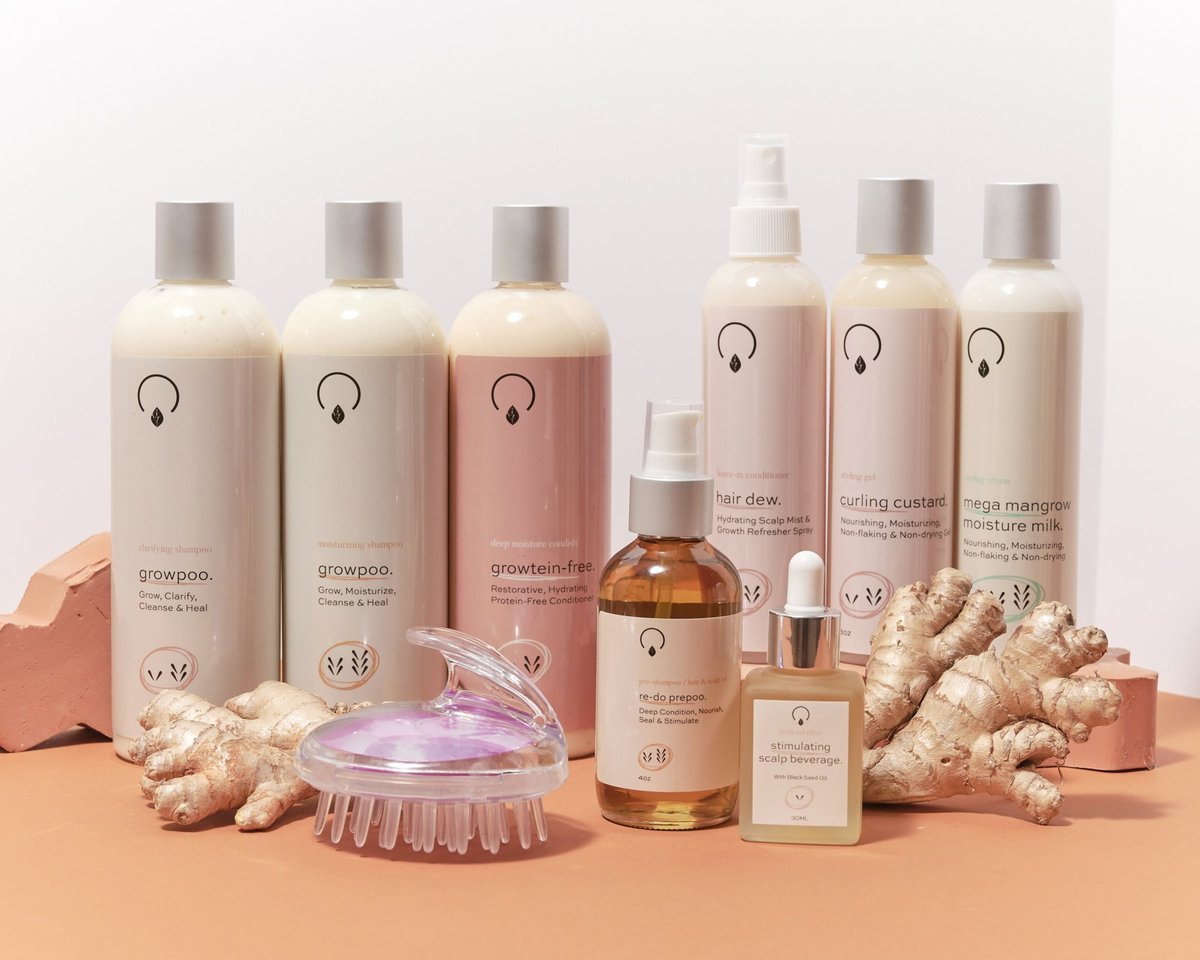
Credit: theorganibrands.com
Hair Care Tips For Low Porosity Hair
Taking care of low porosity hair requires a unique approach that respects its natural resistance to moisture. Your hair’s cuticles are tightly packed, making it harder for water and products to penetrate. Understanding how to wash, apply products, and use heat can transform your routine and improve your hair’s health.
Effective Washing Techniques
Using warm water helps open up your hair cuticles slightly, allowing better absorption of moisture and cleansers. Avoid washing with cold water as it can keep your cuticles sealed, trapping dirt and product buildup.
Try not to over-wash. Low porosity hair doesn’t need frequent shampooing; twice a week is enough for many. Choose a gentle, sulfate-free shampoo to prevent stripping natural oils.
After shampooing, rinse thoroughly to avoid residue that weighs your hair down. Do you notice your hair feels heavy or dull after washing? It might be leftover product causing buildup.
Proper Product Application
Layer products from lightest to heaviest to prevent your hair from feeling greasy or weighed down. Start with a water-based leave-in conditioner to hydrate, then add lightweight oils or creams.
Apply products on damp hair, not soaking wet. Damp strands absorb moisture better and help the product penetrate the cuticle. Have you ever applied heavy oils on dry hair only to feel like nothing sinks in? That’s why timing matters.
Use small amounts and distribute evenly. Too much product can create buildup, which low porosity hair struggles to shed.
Heat Usage And Benefits
Heat is your best friend when dealing with low porosity hair. Applying gentle heat after moisturizing can open the cuticles just enough to let products soak in deeply.
Use a warm towel or a heat cap during deep conditioning treatments. Even sitting under a hooded dryer for 15-20 minutes can make a big difference.
Be cautious with high heat styling tools. Excessive heat can damage your hair, but moderate warmth enhances moisture absorption and improves softness. Have you tried adding heat to your conditioning routine yet?

Credit: goldielocks.com
Frequently Asked Questions
What Are The Best Products For Low Porosity Hair?
Best products for low porosity hair include lightweight, water-based moisturizers and oils like argan or jojoba. Avoid heavy creams that can cause buildup. Use sulfate-free shampoos and deep conditioners designed to penetrate tightly bound cuticles for optimal hydration.
How Do I Choose Shampoo For Low Porosity Hair?
Choose a gentle, sulfate-free shampoo that cleanses without stripping moisture. Look for shampoos with humectants like glycerin to attract moisture. Avoid heavy, oily shampoos that can weigh hair down or cause buildup on low porosity strands.
Can Deep Conditioners Help Low Porosity Hair?
Yes, deep conditioners help by softening the cuticle and enhancing moisture absorption. Use heat or steam to open cuticles during treatment. Opt for lightweight, protein-free formulas to prevent stiffness and keep hair flexible and hydrated.
How Often Should I Moisturize Low Porosity Hair?
Moisturize low porosity hair 2-3 times a week with light water-based products. Avoid heavy oils or butters that can block moisture. Regular moisturizing helps maintain hydration without weighing hair down or causing buildup.
Conclusion
Choosing the right products helps low porosity hair stay healthy. Lightweight oils and water-based moisturizers work best. Avoid heavy creams that can weigh hair down. Regular care keeps hair soft and shiny. Patience matters—results take time but are worth it.
Keep learning what your hair likes most. Simple steps bring strong, beautiful hair every day.
