Are you struggling to find the right hair care routine for your low porosity hair? You’re not alone.
Many people face challenges when trying to nourish and style their low porosity locks. This unique hair type can often feel dry, frizzy, and resistant to moisture, leaving you frustrated with your hair care efforts. But don’t worry—your perfect hair day is within reach! We’ll explore the secrets of low porosity hair care, reveal the best products to use, and share simple tips that can make a big difference.
Imagine having hair that feels softer, looks shinier, and is easier to manage. Ready to transform your hair care routine and achieve the beautiful hair you deserve? Let’s dive in!
Credit: clorebeauty.com
Characteristics Of Low Porosity Hair
Low porosity hair has unique characteristics that affect how it responds to moisture and products. Understanding these traits helps you care for your hair more effectively. Let’s look closely at what makes low porosity hair different and how you can spot it.
Identifying Low Porosity Hair
Low porosity hair has a tightly bound cuticle layer that lies flat and overlaps closely. This structure makes it hard for moisture to penetrate the hair shaft. You might notice your hair feels dry despite using plenty of conditioner.
One simple test you can try is the water test: place a strand of clean hair in a glass of water. If it floats for a long time before sinking, your hair is likely low porosity. Another sign is that products often sit on top of your hair rather than absorbing quickly.
Common Hair Challenges
Low porosity hair often resists moisture, leading to dryness and product buildup. You might find your hair takes longer to dry or feels sticky after applying heavy creams. This happens because the flat cuticles block water and oils from entering easily.
Have you ever struggled with greasy-looking roots but dry ends? Low porosity hair can cause uneven moisture distribution, which can be frustrating. Also, heat styling tools might be less effective unless you use a heat setting that actually opens the cuticle gently.
- Products may build up quickly, making hair feel weighed down.
- Moisturizers can take longer to absorb, causing you to over-apply.
- Detangling can be difficult because strands repel water.
Knowing these challenges lets you adjust your routine. For example, using lighter products and adding warm water when conditioning can make a big difference. What small changes have you tried that helped your hair feel healthier?
Moisture Strategies For Low Porosity Hair
Moisture is essential for healthy low porosity hair. This hair type has a tight cuticle layer, making it hard for water and products to penetrate. Proper moisture strategies help keep hair soft and manageable without buildup.
Choosing The Right Moisturizers
Pick lightweight moisturizers that absorb quickly. Look for water-based products with humectants like glycerin or aloe vera. Avoid heavy oils and butters that sit on the hair surface and cause buildup.
Use leave-in conditioners designed for low porosity hair. These products hydrate without weighing hair down. Products with natural ingredients such as honey or panthenol can boost moisture retention effectively.
Effective Hydration Techniques
Warm water opens the hair cuticle and aids moisture absorption. Use warm water to rinse and hydrate hair gently. Steam treatments help open the cuticle and improve hydration.
Apply moisturizers on damp hair to trap moisture inside. Seal with a light oil to lock hydration without heaviness. Try the “LOC” method: Liquid, Oil, and Cream in that order for best results.
Cleansing Tips For Optimal Care
Cleansing low porosity hair requires a delicate balance. You want to remove buildup without stripping your hair’s natural moisture barrier. Getting this right can transform your hair’s health and shine.
Selecting Suitable Shampoos
Look for shampoos labeled as clarifying but gentle. Low porosity hair often traps product residue, so a shampoo that removes buildup without harsh chemicals works best.
Shampoos with natural ingredients like tea tree oil or aloe vera can help clean your scalp without causing dryness. Avoid heavy, creamy shampoos that may sit on your hair, making it feel weighed down.
Have you ever noticed your hair feels greasy quickly after washing? The wrong shampoo might be the reason. Choose lightweight, sulfate-free formulas that support your hair’s unique needs.
Proper Washing Frequency
Washing too often can lead to dryness, but washing too rarely lets oils and buildup accumulate. Try washing your hair every 5-7 days to maintain a clean scalp without stripping moisture.
Pay attention to how your scalp feels. If it becomes itchy or oily before your next wash, consider adjusting your routine slightly. Sometimes, a gentle co-wash between shampoos can help keep your hair refreshed.
Think about how your lifestyle affects your hair. If you exercise daily or live in a polluted area, your washing frequency might need to be higher. Finding the right balance keeps your hair healthy and vibrant.
Conditioning And Deep Treatments
Conditioning and deep treatments are essential for maintaining healthy low porosity hair. Since this hair type resists moisture absorption, using the right products and techniques is crucial. Proper conditioning ensures your hair stays soft, manageable, and less prone to breakage.
Best Conditioners For Low Porosity Hair
Choose conditioners that are lightweight and water-based to avoid buildup. Ingredients like aloe vera, glycerin, and honey work well because they help attract moisture without weighing your hair down.
- Protein-free conditioners:Low porosity hair can feel stiff if overloaded with protein. Opt for protein-free formulas unless your hair specifically needs protein.
- Clarifying conditioners:They gently remove buildup, allowing moisture to penetrate better.
- Leave-in conditioners:These keep your hair hydrated throughout the day without heavy residue.
Have you noticed your conditioner sitting on top of your hair rather than soaking in? That’s a sign to switch to lighter, more hydrating products designed for low porosity strands.
Enhancing Absorption With Heat
Heat opens up the hair cuticles, making it easier for conditioners and deep treatments to penetrate. Using a warm towel or a heat cap during deep conditioning can boost absorption dramatically.
- Wrap your hair in a warm towel after applying conditioner.
- Use a shower cap to trap heat and moisture.
- Try a low-heat setting on a hair steamer or dryer to enhance the process.
Have you tried adding heat during your deep treatments? You might be surprised how much more effective your conditioning becomes with this simple step.
Styling Tips For Shine And Softness
Styling low porosity hair for shine and softness can feel like a balancing act. You want your hair to look healthy and vibrant without weighing it down or causing buildup. The key lies in choosing the right products and techniques that enhance your hair’s natural beauty while keeping it light and manageable.
Lightweight Products That Work
Choosing lightweight products is essential for low porosity hair. Heavy creams and oils often sit on the surface, making your hair look greasy rather than shiny.
Look for products labeled as “lightweight” or “water-based.” These absorb better and leave your hair feeling soft, not sticky.
- Use leave-in conditioners with aloe vera or glycerin for moisture without weight.
- Try light oils like argan or jojoba oil sparingly to add shine.
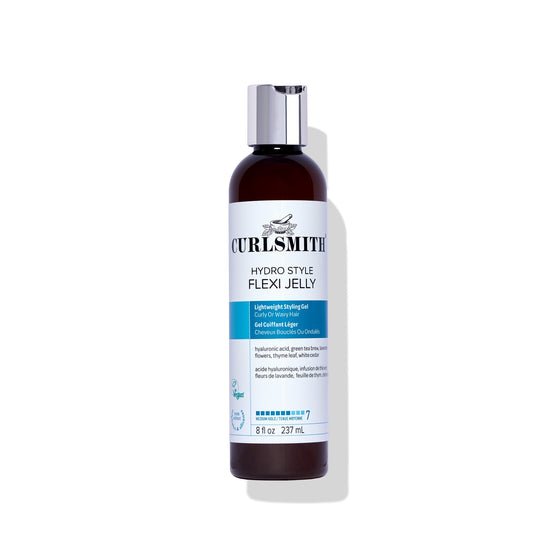
- Gel-based styling products can hold curls without stiffness or residue.
Have you noticed your hair feels weighed down after styling? Switching to lighter products might be the simple fix you need.
Avoiding Product Build-up
Product build-up is a common challenge with low porosity hair. Since your hair cuticles are tightly closed, products don’t absorb well and tend to accumulate.
To prevent this, clarify your hair regularly using gentle shampoos or natural rinses like apple cider vinegar diluted with water.
- Limit the number of products you use daily to reduce residue.
- Rinse hair thoroughly to remove any leftover product.
- Give your hair a break from styling products occasionally to reset its natural balance.
What signs tell you your hair might have build-up? A dull appearance or hair that feels heavy can be clues to reassess your routine.

Credit: butterbyq.com
Protective Measures To Maintain Health
Protective measures keep low porosity hair healthy and strong. This hair type resists moisture, so gentle care is key. Protecting hair from damage helps maintain moisture balance. Small daily habits can improve hair texture and shine. Consistent routines prevent breakage and dryness.
Nighttime Hair Care Routines
Night care helps preserve moisture and reduce friction. Use a satin or silk pillowcase to avoid hair breakage. Wrap hair with a satin scarf or bonnet to keep styles intact. Moisturize lightly before bed with water-based leave-in products. Avoid heavy oils that can build up and block moisture. Detangle hair gently using fingers or a wide-tooth comb. These steps reduce tangles and prevent damage overnight.
Heat Styling Precautions
Heat can harm low porosity hair easily. Always apply a heat protectant spray before styling. Use lower heat settings on tools like flat irons or curling wands. Limit heat styling to a few times per week. Allow hair to air dry partially before using heat tools. Keep styling sessions short to reduce stress on hair. Regularly deep condition hair to restore moisture lost from heat.

Credit: www.newbeauty.com
Frequently Asked Questions
What Is Low Porosity Hair?
Low porosity hair has tightly packed cuticles that resist moisture absorption. It often feels smooth but can be prone to product buildup.
How Do I Moisturize Low Porosity Hair?
Use lightweight, water-based moisturizers and apply heat to open cuticles. Avoid heavy oils that can weigh hair down or cause buildup.
Which Products Work Best For Low Porosity Hair?
Choose lightweight shampoos, conditioners, and leave-in treatments with humectants. Products with aloe vera and glycerin help hydrate without heaviness.
How Can I Deep Condition Low Porosity Hair?
Use heat during deep conditioning to open cuticles. Apply a light conditioner and cover hair with a warm towel for 20–30 minutes.
Conclusion
Caring for low porosity hair takes patience and the right routine. Use light oils and gentle products to avoid buildup. Warm water helps open the hair cuticles for better moisture. Regular deep conditioning keeps hair soft and healthy. Avoid heavy creams that can weigh hair down.
Understanding your hair’s needs leads to stronger, shinier strands. Keep your routine simple and consistent. Healthy low porosity hair is possible with small, steady steps. Your hair will thank you.
