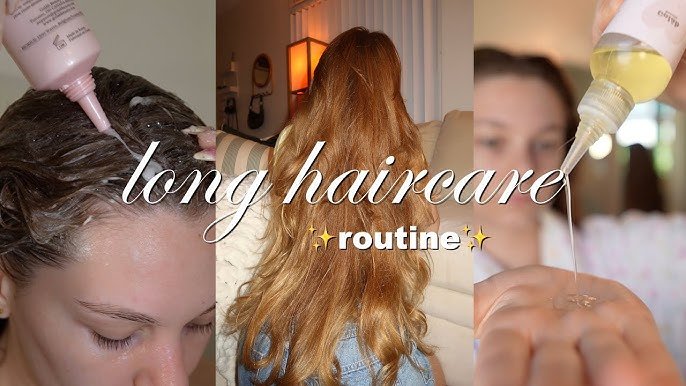
Are you dreaming of long, luscious locks but struggling to keep your hair healthy? You’re not alone.
Many find maintaining long hair to be a challenge, but it doesn’t have to be. Imagine having a routine that not only enhances your hair’s natural beauty but also makes you feel confident every day. The secret lies in a well-crafted hair care routine tailored just for you.
In this blog post, you’ll uncover simple yet effective tips to transform your long hair from lifeless to luxurious. Stick with us, and you’ll discover the secrets to keeping your hair strong, shiny, and stunning. Ready to give your hair the love it deserves? Let’s dive in!
Daily Hair Care Habits
Taking care of long hair every day is more than just washing it. Your daily habits can either protect your hair or cause damage without you realizing it. Small changes in how you handle your hair can lead to stronger, shinier strands and less breakage over time.
Gentle Washing Techniques
Rough washing can strip your hair of natural oils that keep it healthy. Use lukewarm water instead of hot water to avoid drying out your scalp and hair.
When shampooing, focus on your scalp rather than the entire length of your hair. Your scalp needs a gentle massage with fingertips to boost circulation without tangling your strands.
Rinse thoroughly but gently. Avoid vigorous scrubbing or rubbing your hair with a towel; instead, pat it dry to reduce friction and breakage.
Choosing The Right Shampoo And Conditioner
Not all shampoos and conditioners are made equal, especially for long hair. Pick products that match your hair type—whether it’s oily, dry, or color-treated.
Look for shampoos that are sulfate-free to prevent stripping moisture, and conditioners with hydrating ingredients like argan oil or shea butter.
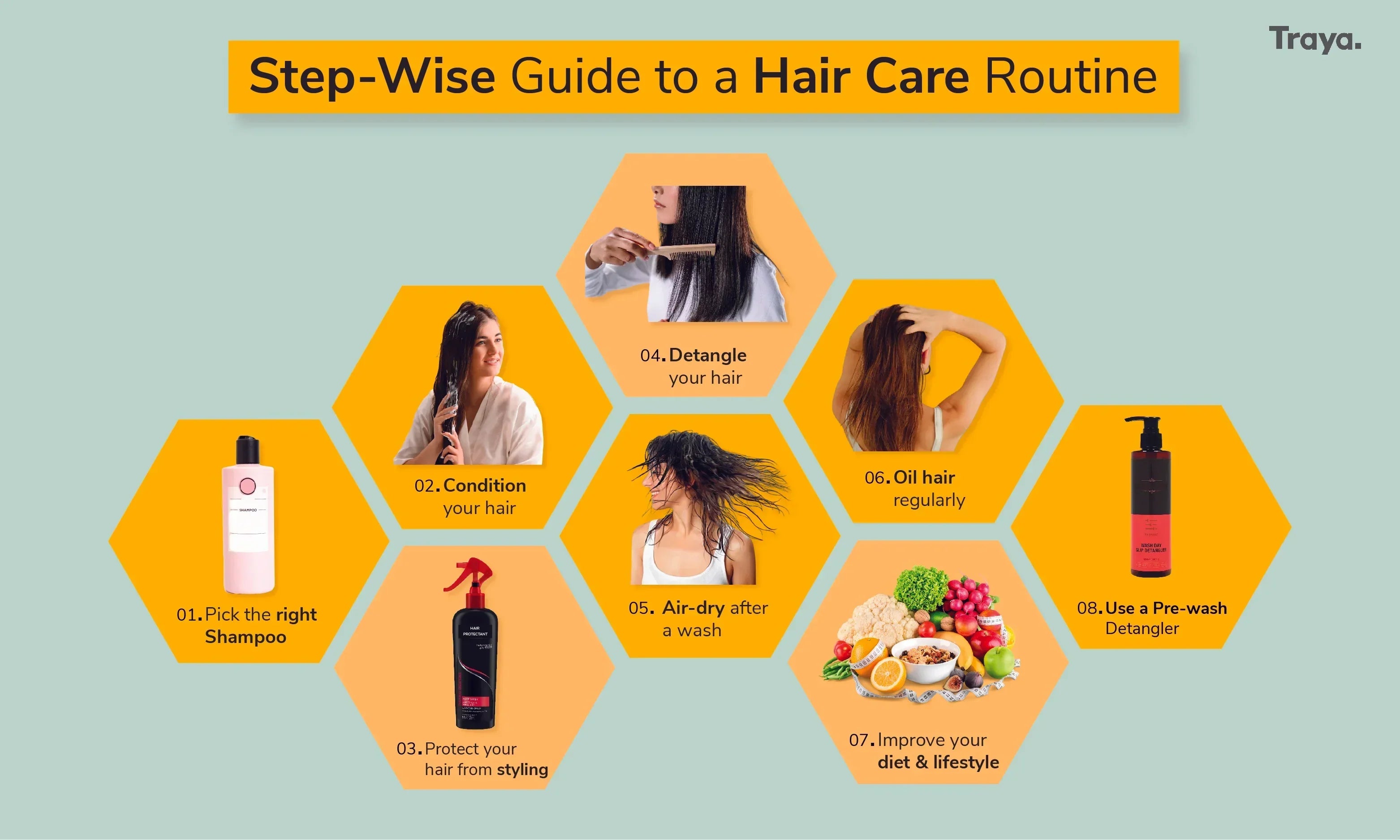
If you struggle with tangles, a leave-in conditioner or detangling spray can be a game-changer. Have you noticed how your hair feels after switching to a gentler formula?
Proper Drying Methods
How you dry your long hair matters just as much as washing it. Avoid rubbing your hair vigorously with a towel; instead, squeeze out excess water gently.
Using a microfiber towel or an old cotton T-shirt can reduce frizz and breakage. Air-drying is best when you have time, but if you use a blow dryer, keep it on a low heat setting.
Try to avoid brushing your hair when it’s soaking wet, as it is more vulnerable to damage. Instead, use a wide-tooth comb to detangle gently.
Weekly Hair Treatments
Weekly hair treatments keep long hair healthy and strong. They provide extra moisture and repair damage. A consistent routine helps prevent breakage and split ends. Treat your hair with care to maintain its shine and softness.
Deep Conditioning Masks
Deep conditioning masks nourish hair deeply. They restore moisture and improve texture. Apply a mask once a week after washing. Leave it on for 20-30 minutes for best results. Use a wide-tooth comb to spread the product evenly. Rinse thoroughly with cool water to seal the cuticles.
Scalp Care Tips
Healthy scalp means healthy hair growth. Gently massage your scalp during treatments to boost circulation. Use a mild scrub or exfoliator once a week to remove buildup. Avoid harsh chemicals that can dry the scalp. Keep the scalp clean and hydrated for balanced oil production.
Hair Oil Treatments
Hair oil treatments add shine and strength. Warm a small amount of oil before applying. Focus on the ends and dry areas. Wrap your hair in a warm towel to help absorption. Leave the oil on for at least one hour or overnight. Wash thoroughly to remove excess oil without stripping moisture.
Styling Tips For Long Hair
Styling long hair can feel like a challenge, but with the right tips, it becomes an enjoyable part of your routine. Knowing how to protect your strands while creating beautiful looks can make a big difference in the health and appearance of your hair. Let’s dive into some practical styling advice that keeps your long locks looking their best.
Heat Protection Practices
Heat styling tools can quickly damage long hair if you’re not careful. Always apply a heat protectant spray or serum before using flat irons, curling wands, or blow dryers. These products form a barrier that reduces heat damage and helps maintain moisture.
Try to use the lowest heat setting that still gives you the desired style. Also, avoid holding the tool on one spot for too long, as this can lead to breakage. Have you noticed your hair feels dry or brittle after styling? This might be a sign to cut back on heat or improve your protection routine.
Low-damage Hairstyles
Styles like loose braids, buns, and ponytails can keep your hair neat without causing harm. Use fabric-covered hair ties instead of rubber bands to avoid snagging and breakage. If you want to switch things up, twist your hair into a soft bun or try a low ponytail to reduce tension on your scalp.
Experiment with styles that don’t pull tightly on your hair. Tight hairstyles can cause stress and even hair loss over time. What’s your go-to low-damage style that helps you look good and keep your hair healthy?
Avoiding Over-styling
Long hair needs breaks just like your skin needs rest from makeup. Give your hair a day or two without styling tools or heavy products to breathe and recover. Over-styling can strip natural oils, leading to dryness and split ends.
Try alternating between styled days and natural hair days. On natural days, you might just brush your hair or tie it back gently. How often do you let your hair rest from styling? Small changes in this habit can improve your hair’s strength and shine.

Credit: www.youtube.com
Diet And Lifestyle Impact
Your hair reflects more than just your styling habits; it shows what you eat and how you live. Diet and lifestyle play a big role in the strength, shine, and growth of long hair. Adjusting these can bring noticeable changes faster than you might expect.
Foods For Hair Health
You need specific nutrients to keep your hair healthy from root to tip. Proteins, vitamins, and minerals all support hair growth and repair.
- Protein:Hair is mostly made of protein, so eating enough lean meats, eggs, and beans is crucial.
- Omega-3 Fatty Acids:Found in fish like salmon and flaxseeds, these keep your scalp moisturized and hair shiny.
- Vitamins A and C:These vitamins help produce sebum and collagen, which protect and strengthen your hair.
- Iron and Zinc:Deficiencies in these can lead to hair loss, so add spinach, lentils, and nuts to your meals.
Have you noticed your hair feeling brittle after skipping meals or eating junk food? That’s your body telling you it needs better fuel.
Hydration And Hair
Drinking water is as important for your hair as it is for your skin. Hydrated hair is less likely to break and looks more vibrant.
If you feel thirsty, your scalp is probably dry too. Make it a habit to drink at least 8 glasses of water daily, and watch how your hair responds.
How often do you think about your water intake in relation to your hair health?
Stress Management
Stress can cause hair to fall out or stop growing. When your body is under pressure, it sends signals that pause hair production.
Simple activities like walking, meditation, or listening to music can help lower your stress levels and support hair growth.
Have you ever noticed your hair thinning during stressful periods? Managing stress isn’t just good for your mind—it’s vital for your hair too.
Trimming And Maintenance
Trimming and maintenance are essential parts of keeping your long hair healthy and looking its best. Regular trims help prevent damage and keep your hair shape fresh. Without proper care, long hair can become prone to split ends and breakage, making maintenance a must.
When To Trim Long Hair
Trimming frequency depends on your hair type and goals. If you want to grow your hair longer, trimming every 8 to 12 weeks works well to remove damaged ends without sacrificing length.
Oily or fine hair may need trims more often to avoid limpness and split ends. Curly or thick hair can usually wait longer, around 12 weeks or more.
Ask yourself: Does your hair feel dry or look frizzy at the ends? That’s a sign it’s time for a trim.
Diy Vs Professional Trims
Cutting your own hair can save time and money, but it carries risks if you don’t have experience. Uneven cuts and accidental damage are common pitfalls.
Professional stylists know how to trim long hair while preserving its shape and health. They can also recommend styles that suit your face and hair texture.
If you try a DIY trim, use sharp scissors and cut small sections at a time. Otherwise, book a professional appointment every few months for a clean, precise trim.
Split Ends Prevention
Split ends can ruin the look of long hair quickly. Avoid excessive heat styling and harsh chemical treatments that weaken hair strands.
Use a wide-tooth comb to gently detangle wet hair and prevent breakage. Regular deep conditioning treatments add moisture and strengthen your hair.
Protect your hair at night with a silk pillowcase or loose braid. These small steps help keep your ends smooth and split-free longer.
Credit: www.nealandwolf.com
Choosing Hair Care Products
Choosing the right hair care products is essential for maintaining healthy, long hair. The products you pick can either nourish your strands or cause damage over time. It’s important to understand what ingredients benefit your hair and which ones to avoid to keep your hair strong and shiny.
Ingredients To Look For
Look for products with natural oils like argan, coconut, and jojoba. These oils hydrate your hair without weighing it down. Proteins such as keratin and silk amino acids help strengthen hair and reduce breakage.
Humectants like glycerin and aloe vera attract moisture, keeping your hair soft and manageable. Vitamins E and B5 support scalp health and promote growth. When you check the label, prioritize products rich in these nourishing ingredients.
Avoiding Harmful Chemicals
Stay away from sulfates like sodium lauryl sulfate; they strip your hair of natural oils and cause dryness. Parabens, often used as preservatives, may irritate your scalp and disrupt hormone balance.
Silicones can build up on your hair, making it look dull and heavy if not washed out properly. Alcohols, especially short-chain ones, can dry out your strands. Always read the ingredients carefully to avoid these harmful chemicals.
Product Recommendations For Long Hair
- Shampoo:Choose gentle, sulfate-free shampoos with moisturizing ingredients like shea butter or coconut oil.
- Conditioner:Use rich conditioners containing keratin or argan oil to detangle and protect your hair.
- Leave-in treatments:Lightweight leave-in conditioners or serums with vitamin E help maintain moisture throughout the day.
- Deep conditioners:Apply a hydrating mask once a week to repair damage and strengthen your hair.
Have you noticed how switching to a sulfate-free shampoo made your hair less frizzy and more manageable? Your hair care products play a bigger role than you might think in achieving that smooth, healthy look.
Credit: traya.health
Frequently Asked Questions
How Often Should I Wash Long Hair?
Washing long hair 2-3 times weekly is ideal. It maintains natural oils and prevents dryness. Overwashing can cause scalp irritation and split ends. Use mild shampoos to keep hair healthy and hydrated.
What Are The Best Products For Long Hair Care?
Use sulfate-free shampoos, moisturizing conditioners, and leave-in treatments. Hair oils like argan or coconut oil nourish and reduce frizz. Avoid heavy products that weigh hair down. Tailor products to your hair type for best results.
How Can I Prevent Split Ends In Long Hair?
Trim your hair every 6-8 weeks to avoid split ends. Use heat protectants before styling. Avoid excessive brushing and harsh chemical treatments. Regular deep conditioning keeps hair strong and less prone to damage.
Is Air Drying Better Than Blow Drying For Long Hair?
Air drying reduces heat damage and preserves hair moisture. Blow drying can cause dryness and breakage if done improperly. Use a heat protectant and low heat settings if blow drying. Pat hair gently with a towel to remove excess water first.
Conclusion
Caring for long hair takes time and patience. Stick to a simple routine daily. Use gentle products that suit your hair type. Trim split ends regularly to keep hair healthy. Protect hair from heat and harsh weather. Drink water and eat healthy foods for strong hair.
Enjoy the process and see your hair shine. Small steps make a big difference over time. Your long hair will thank you with beauty and strength. Keep caring, and love your hair every day.
