Are you struggling to keep your long hair healthy and beautiful? You’re not alone.
Long hair needs special care, and finding the right tips can be confusing. Imagine having a place where you can ask questions, share your experiences, and discover proven advice from people just like you. That’s exactly what a Long Hair Care Forum offers.
You’ll learn how joining such a community can transform your hair care routine and help you achieve the long, luscious hair you’ve always wanted. Keep reading to uncover insider secrets that could change the way you care for your hair forever.
Choosing The Right Hair Care Routine
Choosing the right hair care routine is key to keeping your long hair healthy and vibrant. It’s not just about the products you pick but also how often and in what way you care for your hair. Understanding these details helps you avoid damage and maintain that silky texture you love.
Daily Washing Tips
Washing your long hair every day can strip away natural oils, leaving it dry and brittle. Instead, use lukewarm water and focus on the scalp rather than the entire length to prevent over-drying. Try rinsing with cool water at the end to close the cuticles and add shine.
Have you noticed your hair feels tangled right after washing? Gently detangle with a wide-tooth comb while your hair is still damp to reduce breakage. Avoid vigorous towel drying; pat your hair gently to keep strands intact.
Best Shampoos And Conditioners
Choosing the right shampoo and conditioner is more than picking popular brands. Look for sulfate-free shampoos that clean without harsh chemicals. Conditioners rich in natural oils like argan or coconut help lock in moisture and smooth frizz.
Consider your hair type: if your scalp is oily but ends are dry, try a balancing shampoo with a hydrating conditioner applied only to the ends. If you color your hair, pick products labeled for color protection to keep your hue vibrant longer.
Frequency Of Hair Washing
How often should you wash long hair? This depends on your scalp’s oiliness and lifestyle. Washing every two to three days works well for many, but if you exercise daily, you might need to wash more often.
Pay attention to your hair’s response. Does it get greasy fast, or does it feel dry and brittle? Adjust your washing schedule based on these signs to maintain a healthy balance without over-washing or under-washing.
Effective Hair Moisturizing Techniques
Keeping long hair moisturized is essential for its health and shine. Dry hair looks dull and breaks easily. Moisturizing helps hair stay soft and strong. This section explores simple ways to add moisture to long hair. Try these techniques to maintain smooth, hydrated hair every day.
Natural Oils For Hydration
Natural oils seal moisture inside the hair strands. Oils like coconut, argan, and jojoba work well. They add shine and reduce frizz. Apply a small amount to damp hair. Focus on the ends, where hair dries out fastest. Oils protect hair from dryness caused by weather.
Deep Conditioning Treatments
Deep conditioning gives intense moisture to dry hair. Use a rich conditioner once a week. Leave it on for 20 to 30 minutes. Cover hair with a shower cap to trap heat. This helps the conditioner soak into hair. Your hair feels softer and looks healthier after treatment.
Leave-in Conditioners And Serums
Leave-in products keep hair hydrated throughout the day. Sprays and serums add moisture without weighing hair down. Apply to damp or dry hair before styling. They protect hair from heat and pollution. Choose lightweight formulas for long hair to avoid buildup.
Preventing Hair Damage
Preventing hair damage is key to maintaining long, healthy hair. Your hair faces daily challenges—from heat styling to chemical treatments—that can weaken its structure. Taking steps to protect your strands can save you from breakage, split ends, and dryness.
Heat Styling Precautions
Heat tools like straighteners and curling irons can cause serious damage if not used carefully. Always apply a heat protectant spray before styling to shield your hair from high temperatures.
Try to limit heat use to once or twice a week. Lower the temperature settings to avoid burning your hair. Have you noticed your hair feels rougher after styling? That’s a sign to dial down the heat.
Avoiding Chemical Damage
Chemicals from dyes, relaxers, and perms can weaken your hair’s natural protein. If you color your hair, opt for ammonia-free or semi-permanent dyes to reduce harsh effects.
Allow enough time between treatments to let your hair recover. Overlapping chemical processes can cause irreversible damage. Ask yourself: Is the look worth the risk to your hair’s health?
Protective Hairstyles
Choosing the right hairstyle can shield your hair from environmental stress and manipulation damage. Styles like braids, buns, and twists keep your ends tucked away and reduce friction.
Be mindful not to pull your hair too tight, as this can cause tension and breakage. Protective hairstyles aren’t just trendy—they can be essential for preserving length and strength.
Nutrition For Hair Health
Nutrition plays a key role in keeping your hair healthy and strong. What you eat directly affects the condition of your scalp and the quality of your hair strands. Many people overlook this connection, but focusing on the right nutrients can make a visible difference in your hair’s texture and growth.
Essential Vitamins And Minerals
Your hair needs a range of vitamins and minerals to stay healthy. Vitamin Ahelps produce sebum, which keeps your scalp moisturized. Vitamin Csupports collagen production, crucial for hair structure.
Biotin (Vitamin B7)is often linked to hair growth and strength. Deficiency in biotin can lead to brittle hair or hair loss. Don’t forget minerals like ironand zinc—they help deliver oxygen to your hair follicles and repair damage.
Have you checked your vitamin intake lately? Sometimes, a simple supplement could be what your hair needs.
Hydration And Hair Growth
Hydration isn’t just about drinking water for your skin; your hair needs it too. Water helps maintain the elasticity and moisture balance of your strands. When you’re dehydrated, your hair can become dry and brittle, leading to breakage.
Try to drink at least eight glasses of water a day. You might notice your hair feels softer and easier to manage. Also, eating water-rich fruits and vegetables like cucumbers and watermelon adds another layer of hydration from within.
Foods To Promote Strong Locks
Certain foods are known to boost hair health naturally. Fatty fish like salmon and mackerel provide omega-3 fatty acids, which nourish hair follicles. Eggs are rich in protein and biotin, essential for hair growth.
Leafy greens such as spinach and kale supply iron and vitamins A and C. Nuts and seeds offer zinc and vitamin E, protecting your hair from damage. Including these foods regularly can support your hair’s strength and shine.
What’s on your plate today? Adding a few hair-friendly foods might be a simple step toward the luscious hair you want.
Managing Hair Breakage And Split Ends
Managing hair breakage and split ends is vital for maintaining long, healthy hair. Breakage weakens hair strands and causes uneven length. Split ends make hair look dry and frizzy. Caring for these issues keeps hair smooth, strong, and shiny.
Trimming Tips
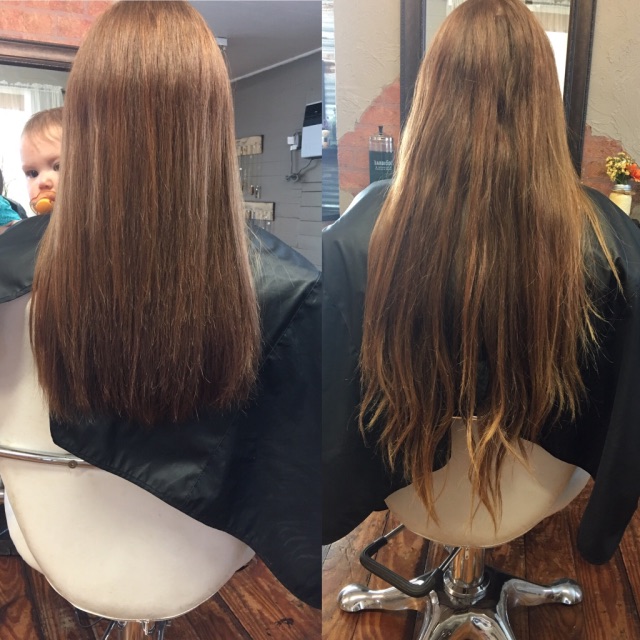
Regular trims stop split ends from traveling up the hair shaft. Trim every 6 to 8 weeks to keep hair healthy. Use sharp scissors designed for hair cutting. Avoid cutting too much length; just remove damaged ends. Split ends can split further, so trim them promptly.
Repairing Damaged Hair
Deep conditioning treatments restore moisture and strength. Use protein-rich masks to rebuild hair fibers. Apply leave-in conditioners to protect hair throughout the day. Oils like argan or coconut add shine and reduce frizz. Avoid heat styling or use heat protectants before styling.
Tools To Minimize Breakage
- Wide-tooth combs gently detangle wet hair without pulling.
- Boar bristle brushes distribute natural oils and smooth hair.
- Silk or satin pillowcases reduce friction during sleep.
- Hair ties without metal parts prevent snagging and breakage.
- Microfiber towels absorb water faster and reduce frizz.

Credit: www.reddit.com
Styling Tips For Long Hair
Styling long hair can be both fun and challenging. You want to look great without causing damage or spending hours in front of the mirror. The key is to find styles that suit your daily routine and special moments while keeping your hair healthy.
Simple Everyday Styles
Long hair doesn’t have to be complicated every day. A loose braid or a low ponytail can keep your hair neat and comfortable. Try switching between a messy bun and a sleek straight look to match your mood and outfit.
Do you often struggle to keep your hair out of your face while working or exercising? A half-up, half-down style is an easy fix that also adds a bit of flair. Using soft hair ties can prevent breakage and keep your hair feeling fresh.
Special Occasion Hairstyles
When you want to impress, long hair offers endless possibilities. Elegant updos, such as chignons or twisted buns, can elevate your look instantly. Adding volume at the roots or soft waves can give your hair a fuller, glamorous appearance.
Have you tried combining braids with curls for a more intricate style? It’s easier than it sounds and works great for weddings or parties. Remember to use heat protectant sprays before curling to maintain your hair’s health.
Using Accessories Safely
Accessories can transform your hairstyle, but they need to be gentle on your hair. Avoid tight clips or rubber bands that pull and cause breakage. Instead, opt for fabric-covered elastics and hairpins with smooth edges.
Have you noticed how some headbands leave marks or cause headaches? Choose lightweight options and wear them loosely to avoid discomfort. Scarves and ribbons are not only stylish but also protect your hair from friction and damage.
Seasonal Hair Care Adjustments
Seasonal changes affect hair health and appearance. Adjusting hair care routines helps maintain strong, shiny hair throughout the year. Each season brings unique challenges like heat, dryness, or humidity. Understanding these effects allows better care for long hair. Simple changes protect hair from damage and dryness.
Protecting Hair In Summer
Summer heat can dry out hair and fade color. Sun exposure weakens hair strands and causes breakage. Saltwater and chlorine strip natural oils from hair. Cover hair with hats or scarves to block sunlight. Use leave-in conditioners with UV protection. Rinse hair after swimming to remove chemicals. Deep condition weekly to restore moisture.
Winter Hair Care Strategies
Winter air often feels dry and cold. This dryness can cause hair to become brittle and frizzy. Use rich conditioners to add moisture and smoothness. Avoid washing hair with hot water; it strips natural oils. Wear soft hats to protect hair from cold wind. Apply natural oils like coconut or argan for extra hydration. Limit heat styling to prevent further dryness.
Adapting To Humidity Changes
Humidity affects hair texture and style hold. High humidity can cause frizz and loss of shape. Use anti-frizz serums or sprays to control moisture. Opt for hairstyles that work well with natural hair texture. In low humidity, hair may feel dry and static-prone. Hydrate hair regularly and use moisturizing products. Adjust hair washing frequency to match humidity levels.

Credit: www.reddit.com
Hair Care Myths And Facts
Understanding the truth behind hair care can save you time, money, and frustration. Many of us follow advice that sounds good but lacks real proof. Sorting myths from facts helps you make smarter choices for your long hair.
Common Misconceptions
One popular myth is that trimming hair frequently makes it grow faster. Actually, hair grows from the roots, so trimming only helps prevent split ends.
Another false belief is that washing hair daily strips it of natural oils. Depending on your hair type, daily washing can be perfectly fine and keep your scalp healthy.
Have you heard that brushing 100 strokes a day makes hair thicker? Over-brushing can cause breakage and damage instead of promoting growth.
Evidence-based Practices
Scientific studies show that maintaining a balanced diet rich in vitamins like biotin, vitamin D, and iron supports healthy hair growth. Nutritional health plays a bigger role than fancy products.
Using mild shampoos and conditioners suited to your hair type helps keep your scalp clean without causing dryness or oiliness.
Protecting hair from excessive heat and sun exposure reduces damage and breakage, preserving length and shine.
Tips From Hair Experts
- Moisturize regularly:Experts recommend deep conditioning once a week to keep long hair hydrated and strong.
- Use gentle detangling tools:Wide-tooth combs or soft brushes prevent unnecessary pulling and breakage.
- Sleep on silk pillowcases:This simple change reduces friction and helps maintain smooth, tangle-free hair.
Have you tried any of these expert tips? Sometimes small changes can make a big difference in your hair care routine.
Credit: glowing.com
Frequently Asked Questions
What Are The Best Products For Long Hair Care?
Use sulfate-free shampoos and hydrating conditioners. Oils like argan or coconut nourish hair deeply. Avoid heavy products that cause buildup. Choose lightweight leave-in conditioners for added moisture and protection.
How Often Should Long Hair Be Washed?
Wash long hair 2-3 times weekly to maintain natural oils. Over-washing strips moisture, causing dryness and breakage. Use dry shampoo between washes to keep hair fresh. Adjust frequency based on hair type and scalp condition.
How Can I Prevent Long Hair Breakage?
Use a wide-tooth comb to detangle gently. Avoid excessive heat styling and tight hairstyles. Regular trims remove split ends and promote healthy growth. Deep condition weekly to strengthen hair strands.
What Are Effective Home Remedies For Long Hair?
Apply aloe vera gel for scalp hydration and hair growth. Use egg masks to add protein and shine. Rinse hair with green tea for antioxidant benefits. Natural oils improve hair texture and reduce frizz.
Conclusion
The Long Hair Care Forum is a great place for learning. It offers tips and advice for healthy hair growth. Join discussions with others who love long hair. Share your experiences and learn from theirs. Find support and motivation for your hair journey.
Simple, effective tips are just a click away. Engage with a friendly community. Everyone is welcome, no matter your hair type. Enjoy the journey to healthier, longer hair. This forum is your go-to resource. Stay connected and keep your hair goals in sight.
Let’s grow beautiful hair together!
