
Are you dreaming of long, luscious locks that turn heads wherever you go? Long hair can be your crowning glory, but it also requires a little more attention and care than shorter styles.
You might be wondering how to keep it healthy, shiny, and free from damage. Imagine running your fingers through your hair, feeling its strength and smoothness, and knowing it looks fabulous. This guide is here to help you achieve just that.
We’ll reveal the secrets of long hair care that will make your hair not just look good, but feel amazing too. Stick around to discover tips and tricks that could transform your hair care routine, making every day a great hair day.
Daily Hair Care Routine
Maintaining long, healthy hair requires more than just occasional care. Your daily hair care routine plays a crucial role in keeping your locks shiny, strong, and free from damage. Small, consistent actions can make a big difference over time.
Choosing The Right Shampoo And Conditioner
Not all shampoos and conditioners are made equal, especially for long hair. Look for products that match your hair type—whether it’s dry, oily, or normal.
Shampoos with gentle, sulfate-free formulas help prevent stripping natural oils. Conditioners rich in moisturizing ingredients like argan oil or shea butter can keep your hair smooth and manageable.
Have you ever noticed your hair feeling dry or brittle after washing? Switching to a hydrating conditioner might be exactly what you need.
Gentle Washing Techniques
Scrubbing your scalp roughly can cause hair breakage. Instead, massage your scalp gently with your fingertips to stimulate blood flow and promote healthy growth.
Focus shampoo on the scalp where oils accumulate, and let the suds rinse through the lengths of your hair without over-washing.
When rinsing, use lukewarm water instead of hot. Hot water can strip moisture, leaving your hair frizzy and weak.
Proper Drying Methods
Pat your hair dry gently with a soft towel rather than rubbing aggressively. Rough drying can cause split ends and frizz.
If you use a hairdryer, keep it on a cool or low heat setting and maintain some distance to avoid heat damage.
Try air-drying your hair whenever possible. How often do you give your hair a break from heat styling? It’s a simple way to protect your strands.
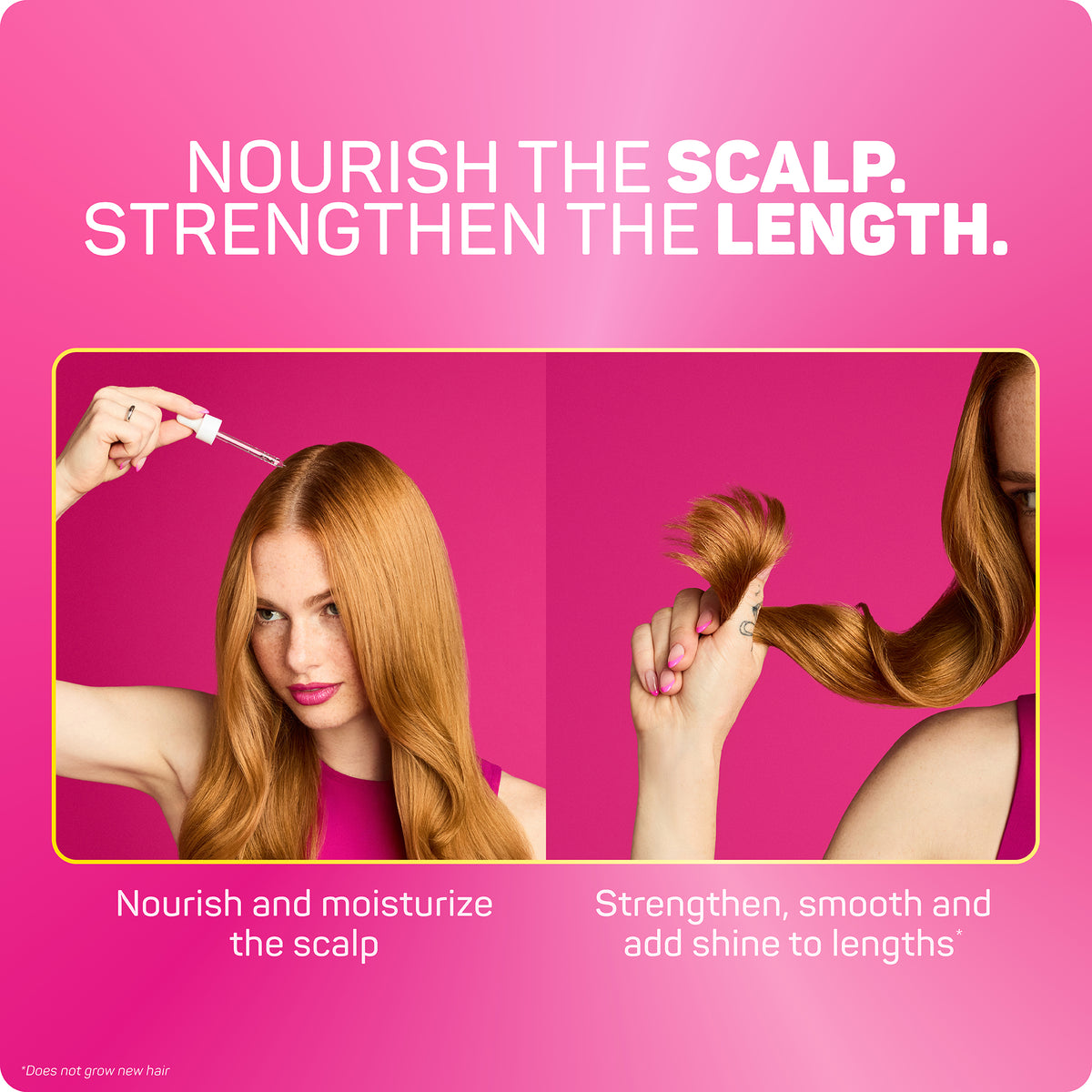
Credit: marcanthony.com
Nutrition For Hair Health
Nutrition plays a crucial role in maintaining your long hair’s health and shine. What you eat directly affects how strong and vibrant your hair becomes over time. Paying attention to the right nutrients can help you avoid breakage and promote steady growth.
Vitamins And Minerals That Boost Growth
Your hair needs specific vitamins and minerals to grow well. Vitamin A helps produce the oils that keep your scalp moisturized. Vitamin E improves blood circulation, delivering more nutrients to hair follicles.
Don’t overlook biotin and zinc—they support hair structure and repair damage. Iron is essential too, as it transports oxygen to your hair roots. Without enough iron, you might notice thinning or dullness.
- Vitamin A:Sweet potatoes, carrots, spinach
- Vitamin E:Nuts, seeds, spinach
- Biotin:Eggs, almonds, avocados
- Zinc:Chickpeas, pumpkin seeds, lentils
- Iron:Red meat, beans, fortified cereals
Hydration And Its Impact
Water is often overlooked in hair care but is vital for healthy strands. Your hair is made up of 25% water, so staying hydrated keeps it flexible and less prone to breakage. When I started drinking more water daily, I noticed my hair felt softer and looked shinier within weeks.
Try to drink at least eight glasses of water each day. If plain water bores you, herbal teas and infused water with fruits can be good alternatives. Remember, hydration benefits your skin and overall health too.
Foods To Avoid For Healthy Hair
Some foods can negatively affect your hair’s strength and growth. Highly processed foods and those high in sugar can lead to inflammation, which might weaken your hair follicles. Excessive caffeine and alcohol can also cause dehydration, making hair dry and brittle.
Be cautious with fried and greasy foods as they can increase scalp oiliness, potentially clogging hair follicles. Have you ever noticed your hair feeling oily or limp after eating fast food? That’s a sign to reconsider your choices for the sake of your hair.
Styling Tips For Long Hair
Styling long hair can be fun but needs care to keep it healthy. Using the right methods protects hair from damage and keeps it looking great. Simple tips help maintain shine and strength.
Heat Styling Precautions
Heat tools can make hair look smooth and styled. Use low or medium heat settings to avoid burning. Always apply a heat protectant spray before styling. Limit the use of flat irons and curling wands. Let hair dry naturally before using heat tools.
Protective Hairstyles
Protective styles reduce hair breakage and tangling. Try loose braids or buns to keep hair safe. Avoid tight ponytails that pull on the scalp. Use soft hair ties to prevent damage. Change hairstyles often to avoid stress on one area.
Using The Right Tools
Choose tools designed for long hair. Wide-tooth combs detangle without pulling. Use brushes with soft bristles for gentle styling. Clean tools regularly to avoid dirt build-up. Avoid metal clips that can snag and break hair.
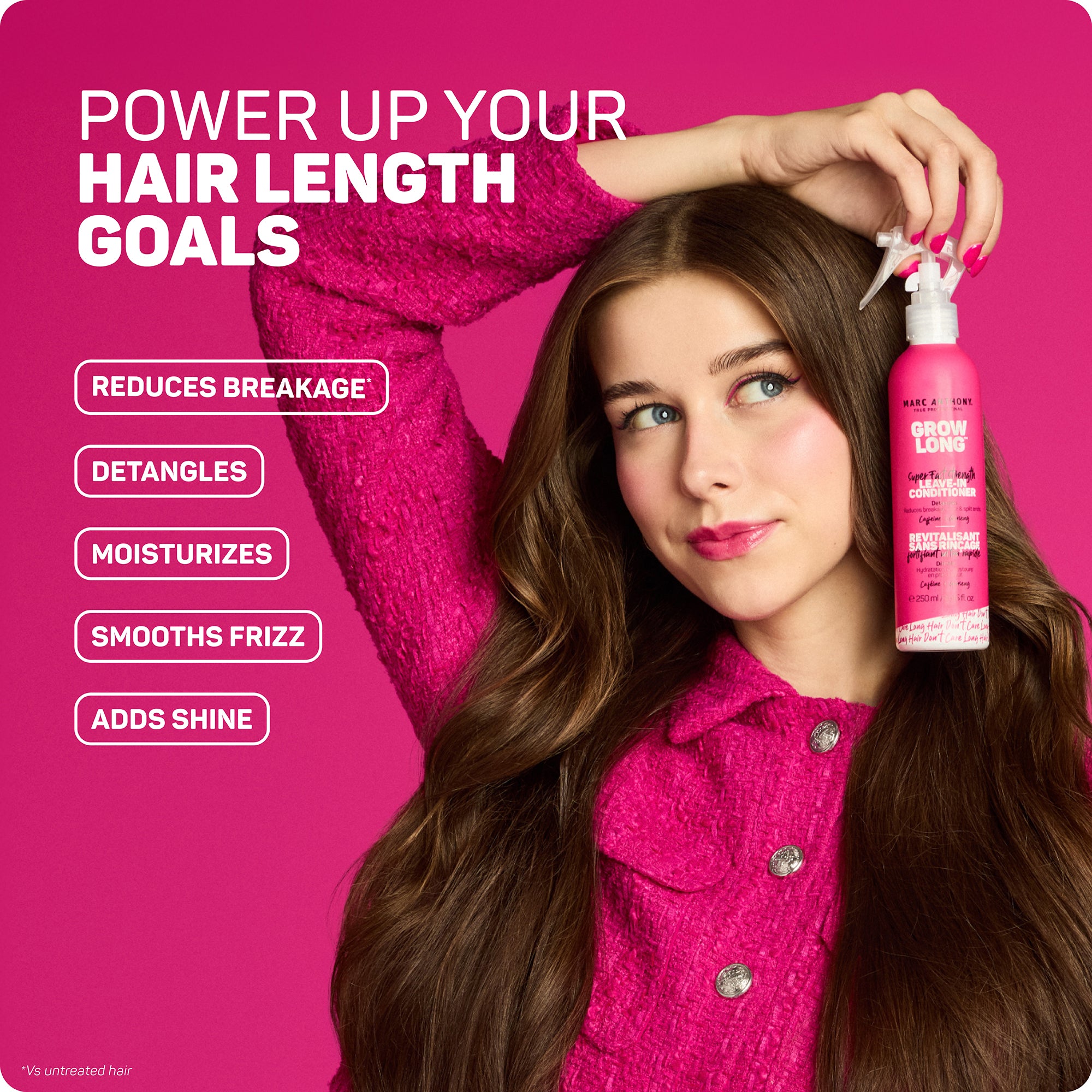
Credit: marcanthony.com
Preventing Damage And Breakage
Long hair needs gentle care to stay healthy and strong. Preventing damage and breakage is key to maintaining its beauty. Proper habits help keep hair smooth and avoid split ends. A few simple routines protect hair from harm every day.
Avoiding Overwashing
Washing hair too often strips natural oils. These oils protect hair and keep it soft. Overwashing makes hair dry and brittle. Washing every two to three days helps maintain moisture. Use a mild shampoo suited for your hair type. Rinse hair gently with lukewarm water to avoid damage.
Detangling Without Pain
Wet hair is fragile and breaks easily. Use a wide-tooth comb or a detangling brush. Start combing at the ends and move upward slowly. Hold hair near the roots to reduce pulling. Never force a knot out. Apply a leave-in conditioner to ease detangling and reduce breakage.
Regular Trims And Their Benefits
Trimming hair every 6-8 weeks stops split ends from spreading. Healthy ends prevent hair from looking frizzy or thin. Trims make hair easier to manage and style. Regular cuts help hair grow stronger and thicker over time. Even a small trim keeps long hair looking fresh and neat.
Natural Remedies And Treatments
Natural remedies and treatments offer a gentle yet effective way to care for your long hair. They nourish your strands without harsh chemicals, helping maintain strength and shine over time. Are you curious about simple ingredients you might already have at home that can transform your hair care routine?
Homemade Hair Masks
Using homemade hair masks lets you target specific hair needs with natural ingredients. For dry hair, mix mashed avocado with honey for deep hydration. If your hair feels dull, try a yogurt and banana blend to add softness and shine.
Apply these masks once a week, leave them on for 20-30 minutes, then rinse with lukewarm water. You’ll notice your hair becoming softer and more manageable with regular use. Have you tried making your own hair mask yet?
Essential Oils For Shine
Essential oils like rosemary, lavender, and argan oil can enhance your hair’s natural shine. Adding a few drops to your shampoo or mixing with a carrier oil for a scalp massage can improve hair texture and reduce frizz.
These oils also help stimulate hair growth and improve scalp health. Remember, a little goes a long way—start with small amounts to avoid greasiness. Which essential oil do you think would suit your hair type best?
Scalp Care Techniques
Healthy hair starts with a healthy scalp. Regular scalp massages boost blood flow, encouraging hair growth and preventing dryness. Use your fingertips in gentle, circular motions for about five minutes before washing your hair.
Exfoliating your scalp occasionally with a mix of sugar and coconut oil can remove buildup and soothe irritation. How often do you pay attention to your scalp compared to your hair strands?

Credit: www.reddit.com
Seasonal Hair Care Adjustments
Adjusting your hair care routine to match the seasons can make a big difference in maintaining healthy, long hair. Each season brings unique challenges that affect your hair’s moisture, texture, and overall strength. Understanding these changes helps you protect your hair better and keep it looking its best all year round.
Protecting Hair In Summer
Summer heat and sun exposure can dry out your hair quickly, leaving it brittle and prone to breakage. Use a leave-in conditioner with SPF to shield your strands from UV damage. Wearing a hat or scarf can also provide extra protection when you’re outdoors for long periods.
Saltwater and chlorine from swimming pools strip natural oils, so rinse your hair immediately after swimming. Applying a deep conditioning treatment once a week helps restore moisture and keeps your hair soft.
Winter Hair Care Tips
Cold air and indoor heating can sap moisture from your hair, making it dry and static-prone. Swap your regular shampoo for a hydrating formula to add extra moisture. Avoid washing your hair too often, as this can strip away natural oils that protect your scalp.
Using an oil or serum before bed can lock in hydration overnight. You might notice more tangles during winter, so invest in a wide-tooth comb to gently detangle without causing breakage.
Adapting To Humidity Changes
Humidity can make your hair frizzy or limp, depending on your hair type. If your hair frizzes, try anti-frizz serums or creams that smooth the cuticle and reduce moisture absorption. For limp hair, lightweight styling products can add volume without weighing strands down.
Consider changing your hairdryer’s heat settings to a cooler option during humid months. Have you noticed how your hair reacts when the weather shifts? Adjusting your routine based on these changes can prevent frustration and keep your hair manageable.
Frequently Asked Questions
How Often Should I Wash Long Hair For Best Care?
Washing long hair 2-3 times a week prevents dryness and damage. Use gentle shampoo and conditioner to maintain moisture and strength.
What Are The Best Products For Long Hair Care?
Choose sulfate-free shampoos and moisturizing conditioners. Use hair oils and leave-in conditioners to nourish and protect long strands from breakage.
How Can I Prevent Split Ends In Long Hair?
Trim your hair every 6-8 weeks. Avoid excessive heat styling and use heat protectants. Regular deep conditioning keeps ends healthy.
What Is The Ideal Brushing Technique For Long Hair?
Use a wide-tooth comb or soft-bristle brush. Start detangling from the ends and work upwards gently to prevent breakage.
Conclusion
Caring for long hair takes time and patience. Use gentle products that suit your hair type. Regular trims keep your ends healthy and prevent split ends. Avoid heat styling too often to reduce damage. Eat well and drink water for strong, shiny hair.
Protect your hair from sun and pollution every day. Simple habits make a big difference over time. Your long hair will stay beautiful and healthy with care. Keep these tips in mind and enjoy your lovely hair.
