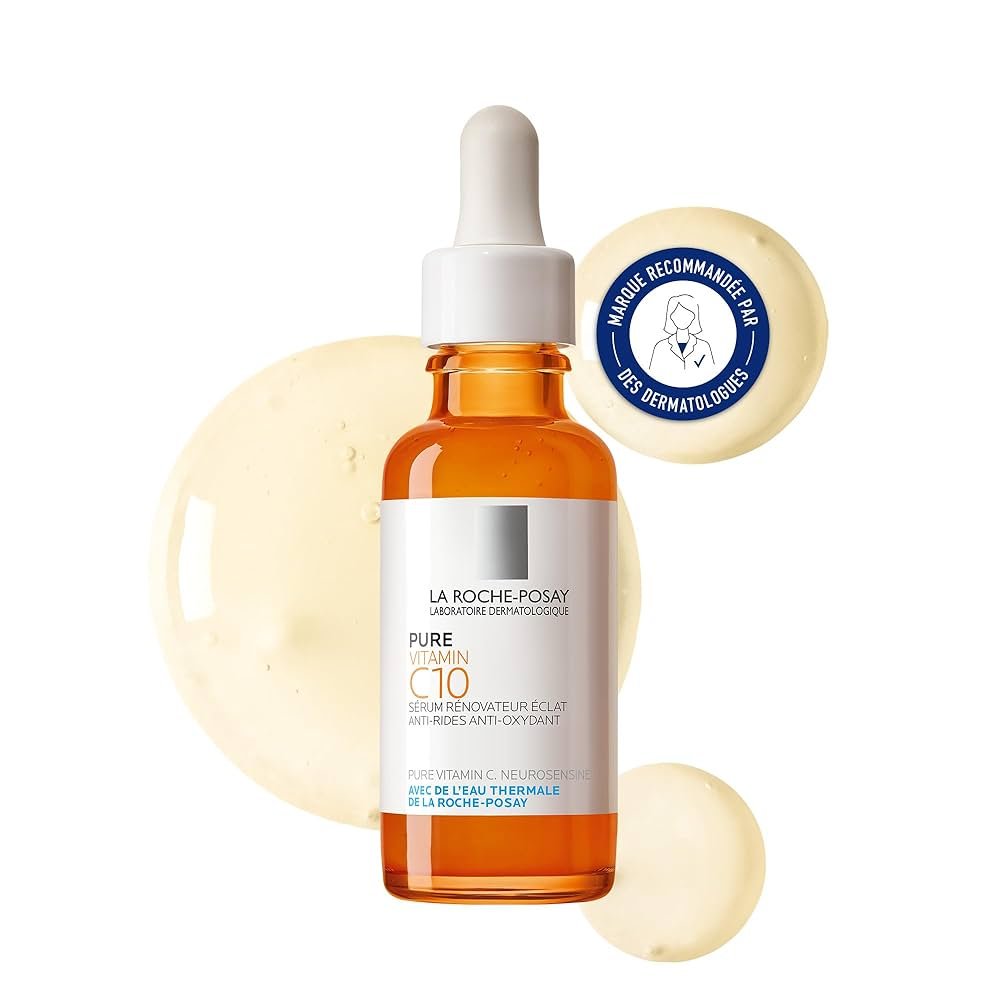
Are you looking for a simple way to brighten your skin and fight signs of aging? Liquid Vitamin C might be the secret you’ve been missing.
This powerful nutrient can boost your skin’s glow, reduce wrinkles, and protect you from daily damage. Imagine waking up to fresher, smoother skin with just a few drops a day. Keep reading to discover how Liquid Vitamin C can transform your skincare routine and give you the radiant complexion you deserve.
Benefits Of Liquid Vitamin C
Liquid Vitamin C offers many benefits for skin health. It absorbs quickly and works deeply. This form helps deliver a strong dose of antioxidants to the skin. Regular use can improve skin texture and tone. It supports skin repair and protection against daily stressors.
Brightening Dull Skin
Liquid Vitamin C brightens skin by reducing dark spots. It helps even out skin tone. It fades sun damage and discoloration. Skin looks more radiant and fresh. It gives a natural glow without irritation.
Fighting Signs Of Aging
Vitamin C fights wrinkles and fine lines. It reduces skin dullness caused by aging. The antioxidant effect slows down skin damage. It helps maintain firmness and elasticity. Skin appears younger and healthier with use.
Enhancing Collagen Production
Vitamin C boosts collagen, the skin’s support protein. More collagen means firmer and plumper skin. It helps heal damaged skin faster. This improves skin texture and reduces sagging. Collagen growth supports a youthful appearance.
Protecting Against Environmental Damage
Vitamin C shields skin from pollution and UV rays. It neutralizes harmful free radicals. This protection lowers skin inflammation and redness. It helps prevent premature aging. Skin stays stronger and more resilient every day.
How Liquid Vitamin C Works
Understanding how liquid vitamin C works can change the way you care for your skin. This form of vitamin C is designed to deliver powerful benefits quickly and effectively. Let’s break down the science behind its action and why it might be the boost your skin needs.
Absorption And Delivery
Liquid vitamin C is absorbed faster than tablets or capsules because it doesn’t need to be broken down by your digestive system. When applied topically or taken as a liquid supplement, it enters your bloodstream and skin cells more efficiently. This means you get the benefits quicker and often at higher concentrations.
Have you noticed how some skincare products feel heavy or take time to work? Liquid vitamin C’s quick absorption avoids that lag, making it a practical choice for busy routines.
Antioxidant Properties
Vitamin C is a powerful antioxidant that fights free radicals—unstable molecules that can damage your skin cells. By neutralizing these free radicals, liquid vitamin C helps prevent premature aging, dullness, and skin damage caused by sun exposure and pollution.
Think about the last time you spent a day outdoors without sunscreen. Antioxidants like vitamin C step in to protect your skin from invisible threats, supporting your skin’s health from within.
Role In Skin Cell Repair
Vitamin C plays a key role in repairing damaged skin cells by boosting collagen production. Collagen is essential for maintaining skin’s firmness and elasticity. With regular use of liquid vitamin C, you might notice fewer fine lines and a more youthful glow.
Imagine waking up to smoother skin after consistent use—this is the impact of enhanced cell repair and regeneration. Could your skincare routine benefit from this kind of support?
Choosing The Right Liquid Vitamin C
Choosing the right liquid vitamin C can improve your skin’s health and glow. Not all vitamin C products are the same. Understanding the key factors helps you select the best option for your skin type and concerns.
Different Forms Of Vitamin C
Vitamin C appears in many forms in skincare. The most common is L-ascorbic acid. It is potent but can cause irritation for sensitive skin. Derivatives like sodium ascorbyl phosphate and magnesium ascorbyl phosphate are gentler. They offer good stability and skin benefits. Choose a form that suits your skin’s tolerance and needs.
Concentration And Potency
Vitamin C concentration affects its effectiveness. Products usually contain 5% to 20% vitamin C. Lower concentrations suit sensitive skin. Higher percentages deliver stronger results but may cause irritation. Start with a moderate level and increase as your skin adapts. Potency also depends on the product’s pH level. A pH between 3 and 3.5 ensures better absorption.
Packaging And Stability
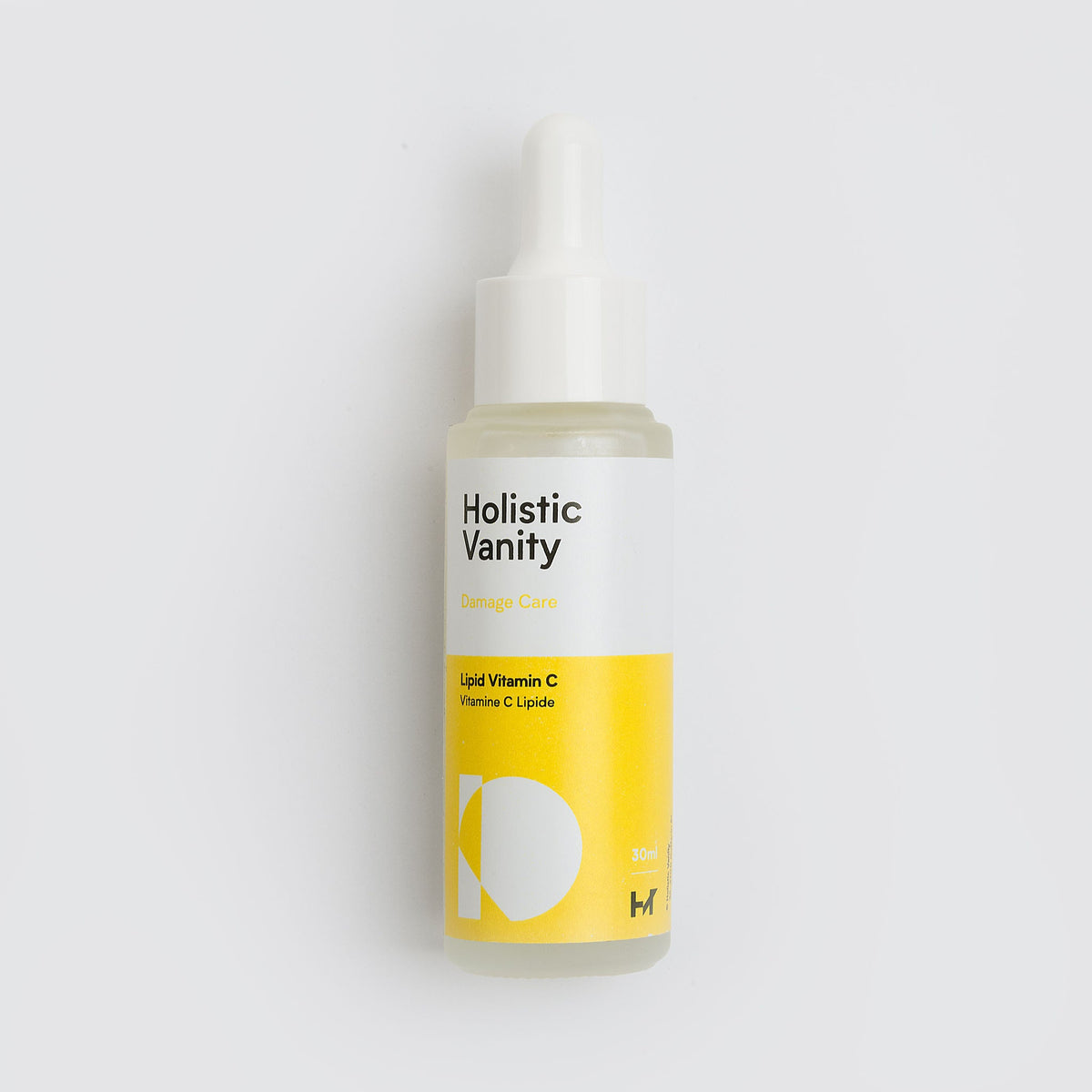
Vitamin C breaks down when exposed to light and air. Packaging plays a vital role in keeping it stable. Look for dark or opaque bottles. Air-tight droppers or pumps help reduce exposure. Avoid clear glass containers and open jars. Proper packaging preserves potency and extends shelf life.
Credit: pureandsimple.ca
Application Tips For Best Results
Applying liquid vitamin C correctly can make all the difference in achieving glowing, healthy skin. It’s not just about slapping it on; how and when you apply it impacts its effectiveness. Let’s dive into some practical tips that will help you get the most out of your liquid vitamin C serum.
Proper Skin Preparation
Clean skin is a must before applying liquid vitamin C. Use a gentle cleanser to remove dirt and oil without stripping your skin’s natural moisture. Pat your face dry with a soft towel—don’t rub, as this can irritate sensitive skin.
After cleansing, consider using a toner suited to your skin type. This helps balance your skin’s pH and preps it to absorb the vitamin C better. Have you noticed how skipping this step sometimes makes your serum feel sticky? That’s a sign your skin isn’t fully ready.
Frequency And Timing
Vitamin C serums work best when used consistently, but not necessarily more than twice a day. Start with once daily—preferably in the morning—to protect your skin from daily environmental damage. If your skin tolerates it well, add a second application at night.
Applying vitamin C in the morning pairs well with sunscreen. This combination helps shield your skin from UV rays and pollution. Are you already layering your skincare products in the right order? Remember, vitamin C should be applied before moisturizer for maximum absorption.
Combining With Other Skincare Products
Mixing products can be tricky. Avoid applying vitamin C right after products with a high pH, like some exfoliating toners, as this can reduce its effectiveness. Instead, wait a few minutes or apply vitamin C first and let it absorb fully.
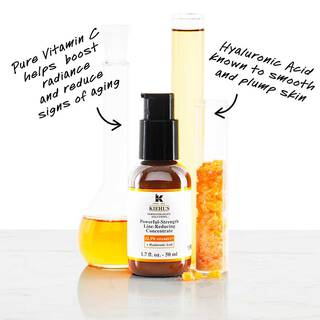
Pairing vitamin C with ingredients like hyaluronic acid can boost hydration and enhance skin glow. However, be cautious combining it with retinol or niacinamide, as these can sometimes cause irritation when used together. Have you tested your combinations on a small skin patch yet? This simple step saves a lot of trouble.
Potential Side Effects And Precautions
Liquid Vitamin C can brighten your skin and boost collagen, but it’s important to be aware of potential side effects and take precautions. Not everyone’s skin reacts the same way, so understanding common reactions and how to avoid irritation helps you enjoy the benefits safely. Have you ever tried a new skincare product only to face unexpected redness or itching? Knowing what to watch for can save you from discomfort.
Common Skin Reactions
Some people may experience mild redness, stinging, or dryness after applying liquid Vitamin C. These reactions often occur because Vitamin C is acidic, and sensitive skin can respond with irritation. In rare cases, you might see small bumps or peeling as your skin adjusts to the product.
These side effects usually appear within the first few days of use and tend to fade as your skin builds tolerance. However, if redness or discomfort worsens, it’s a sign to pause or reduce application frequency. Have you noticed unusual changes in your skin after adding a new serum?
Avoiding Irritation
To reduce irritation, start with a lower concentration of Vitamin C and apply it every other day. Always patch test on a small area before using it on your face. Avoid using it alongside other strong active ingredients like retinol or exfoliating acids on the same day.
Use a gentle cleanser and moisturizer to support your skin barrier while using Vitamin C. Also, applying a broad-spectrum sunscreen daily is crucial because Vitamin C can make your skin more sensitive to the sun. What steps do you take to keep your skin calm when trying new products?
Consulting A Dermatologist
If you have sensitive skin, eczema, or any underlying skin conditions, consulting a dermatologist before starting liquid Vitamin C is wise. They can recommend the right concentration and formulation tailored for your skin type. Sometimes, professional advice prevents trial-and-error that can lead to irritation or damage.
Don’t hesitate to seek help if you experience persistent redness, swelling, or discomfort. Your skin health is worth personalized care. Have you ever gotten expert advice that changed your skincare routine for the better?
Credit: www.kiehls.ca
Diy Liquid Vitamin C Recipes
Creating your own liquid Vitamin C serum at home can be a game-changer for your skincare routine. Not only do you control the ingredients, but you also ensure freshness and potency. Plus, it’s satisfying to know exactly what you’re putting on your skin.
Simple Homemade Serums
Start with L-ascorbic acid powder, the purest form of Vitamin C. Dissolve about 1 teaspoon in 2 tablespoons of distilled water. Add a teaspoon of aloe vera gel for hydration and a few drops of vitamin E oil to stabilize the mixture.
Shake well and apply a few drops to clean skin each morning. This basic recipe is quick to make and effective, especially if you want to avoid synthetic additives.
Storage And Shelf Life
Vitamin C serums are sensitive to light and air, which can reduce their effectiveness. Store your homemade serum in a dark glass bottle with a tight lid to protect it from oxidation.
Keep it in the refrigerator to extend its shelf life. Typically, a fresh batch lasts about one to two weeks before it starts to lose potency or change color.
Customization For Different Skin Types
If you have dry skin, add a few drops of rosehip oil or jojoba oil to your serum for extra moisture. For oily or acne-prone skin, keep the formula lighter by skipping heavy oils and including witch hazel as a toner base instead of water.
Do you notice your skin reacting quickly? Lower the concentration of Vitamin C by using less powder or more water. Adjusting the recipe lets you tailor the serum to what your skin really needs.

Credit: www.medicalcosmeticclinic.ca
Frequently Asked Questions
What Are The Benefits Of Liquid Vitamin C For Skin?
Liquid vitamin C brightens skin, reduces wrinkles, and boosts collagen. It fights free radicals, improving skin texture and tone. Regular use enhances skin’s natural glow and protects against sun damage.
How Do I Apply Liquid Vitamin C To My Skin?
Apply a few drops of liquid vitamin C on clean, dry skin. Gently pat and spread evenly. Use it before moisturizer, preferably in the morning for best antioxidant protection.
Can Liquid Vitamin C Cause Skin Irritation?
Liquid vitamin C may cause mild irritation for sensitive skin types. Start with a patch test and use a lower concentration. If irritation occurs, reduce frequency or stop use.
How Long Does Liquid Vitamin C Take To Show Results?
Visible results usually appear within 4 to 6 weeks of consistent use. Skin looks brighter, smoother, and more even-toned with regular application. Long-term benefits increase with continued use.
Conclusion
Liquid vitamin C can boost your skin health effectively. It helps brighten and even out skin tone. Easy to apply and absorb, it fits well into any routine. Many people see improved skin texture and fewer blemishes. Remember to choose quality products for best results.
Consistent use brings lasting benefits. Always consult with a dermatologist before starting new products. With patience, your skin can look healthier and more radiant. Consider adding liquid vitamin C to your skincare regimen today. You’ll likely notice the difference soon.
