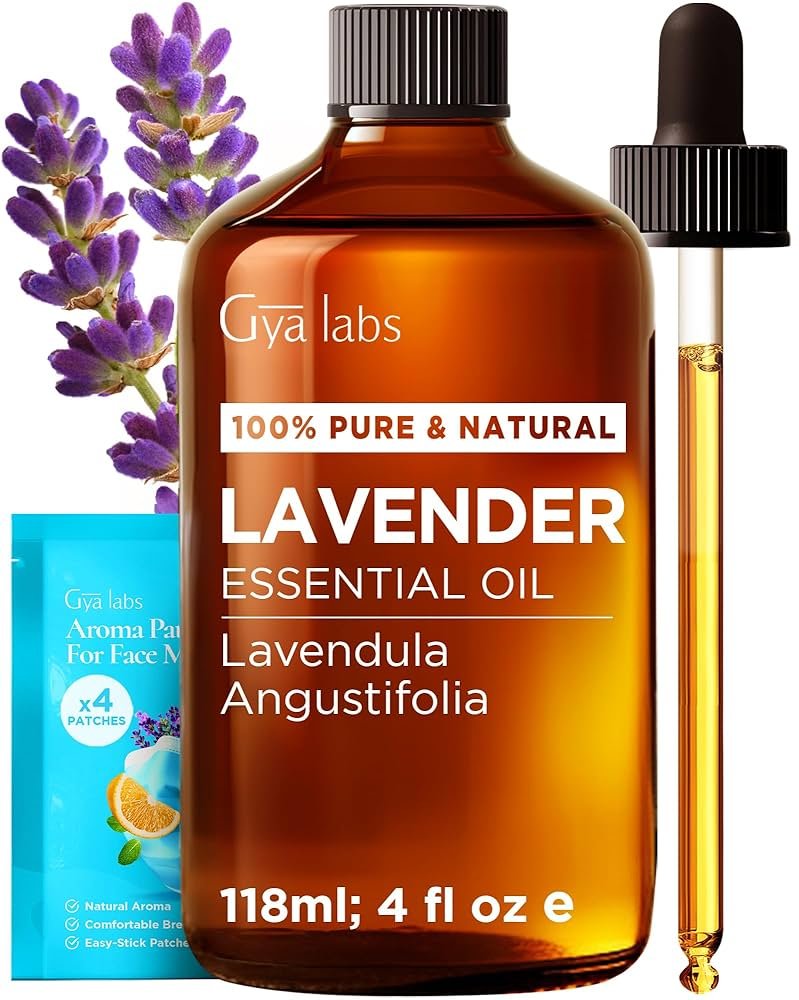
Imagine a world where a single drop of oil could transform your daily skincare routine. That’s the magic of lavender oil on the skin.
This natural wonder is not just about its soothing aroma; it’s about the potential benefits it can bring to your skin. Whether you’re dealing with minor blemishes or seeking a touch of hydration, lavender oil might be your next skincare hero.
You might be wondering, how can a simple oil do all of this? The answers are not only intriguing but might just change the way you think about your skincare regime. Ready to discover the secrets behind this botanical powerhouse? Stick around as we delve into the world of lavender oil and uncover why it deserves a spot on your bathroom shelf.
Benefits For Skin Health
Lavender oil offers many benefits for skin health. It helps calm the skin and supports healing. Its natural properties make it a gentle choice for various skin concerns. Using lavender oil can improve skin texture and appearance over time.
Soothing Irritated Skin
Lavender oil has calming effects on red, itchy skin. It reduces inflammation and cools the skin quickly. People with sensitive skin often find relief from irritation. Applying diluted lavender oil can ease discomfort and restore balance.
Reducing Acne And Blemishes
Lavender oil fights bacteria that cause acne. It helps clear clogged pores and reduces redness. Regular use can minimize the size of blemishes. The oil’s gentle nature makes it suitable for oily and acne-prone skin.
Anti-aging Properties
Lavender oil supports skin cell regeneration. It smooths fine lines and wrinkles over time. Antioxidants in the oil protect skin from damage. This helps maintain a youthful and fresh appearance.
Healing Minor Burns And Cuts
Lavender oil speeds up the healing of small wounds. It reduces pain and prevents infection. Applying it carefully to burns or cuts promotes faster recovery. The oil also helps reduce scarring and skin damage.

Credit: www.amazon.com
How Lavender Oil Works
Lavender oil benefits the skin through various natural actions. Its components interact gently but effectively with skin cells. This helps improve skin health and appearance. Understanding how lavender oil works reveals why it is popular in skincare.
Antimicrobial Effects
Lavender oil contains compounds that fight bacteria and fungi. These compounds stop harmful microbes from growing on the skin. This action helps prevent infections and acne. It also supports healing of minor cuts and wounds.
Anti-inflammatory Action
Lavender oil reduces swelling and redness in irritated skin. It calms inflammation caused by insect bites or allergies. This soothing effect eases discomfort and promotes faster recovery. It is useful for sensitive and inflamed skin conditions.
Promoting Skin Regeneration
Lavender oil encourages new skin cell growth. It helps replace damaged or dead skin cells. This speeds up the healing process of scars and blemishes. Regular use can improve skin texture and firmness over time.
Safe Application Methods
Applying lavender oil directly to your skin can bring amazing benefits, but it requires caution to avoid irritation or adverse reactions. Knowing safe application methods helps you enjoy lavender oil’s soothing effects without discomfort. Let’s break down the key steps to apply it safely on your skin.
Dilution Guidelines
Lavender oil is highly concentrated, so always dilute it before applying to your skin. A safe rule is to add about 1-2 drops of lavender oil to a teaspoon (5 ml) of carrier oil. This creates a 1-2% dilution, which is gentle enough for most skin types.
If you have sensitive skin or are using lavender oil on children, lower the concentration to 0.5-1%. This simple step reduces the risk of redness or irritation while still giving you the calming benefits.
Patch Testing
Before applying lavender oil broadly, test it on a small skin patch. Choose an area like your inner forearm and wait for 24 hours to check for any redness, itching, or swelling.
This quick test can save you from uncomfortable reactions later. Have you ever skipped this step and regretted it? Taking a moment to patch test helps you avoid that risk.
Best Carrier Oils To Use
Choosing the right carrier oil can enhance lavender oil’s absorption and skin benefits. Some popular options include:
- Sweet Almond Oil:Light, non-greasy, and rich in vitamins, ideal for dry skin.
- Jojoba Oil:Closely mimics skin’s natural oils and is great for oily or acne-prone skin.
- Coconut Oil:Has antimicrobial properties but can clog pores for some skin types, so use cautiously.
Pick a carrier oil that suits your skin type and preferences. Mixing lavender oil with the right base oil makes your skincare routine feel luxurious and effective.

Credit: la-mer.com
Potential Side Effects
Lavender oil is often praised for its soothing and healing properties, but it’s important to be aware of potential side effects when applying it to your skin. While many people use it safely, some may experience unwanted reactions that can cause discomfort or worsen skin conditions. Understanding these side effects helps you use lavender oil more confidently and avoid surprises.
Skin Sensitivity Reactions
Some people notice redness, itching, or a burning sensation after using lavender oil. These symptoms often indicate skin sensitivity, especially if the oil is used undiluted or on sensitive areas like the face. If you experience irritation, stop using the oil immediately and rinse the area with cool water.
Have you ever applied a natural product only to find your skin reacting badly? Testing lavender oil on a small patch of skin before regular use can prevent these issues. Diluting the oil with a carrier oil, such as coconut or jojoba, often reduces the risk of sensitivity.
Allergic Responses
Allergic reactions to lavender oil can range from mild to severe. Signs include swelling, hives, or blistering, which require prompt attention. If you have a history of allergies to plants in the Lamiaceae family, such as mint or basil, your risk may be higher.
Consider consulting a dermatologist if you suspect an allergy. They can help confirm the cause and recommend safe alternatives. Always read product labels carefully to avoid hidden allergens.
Interactions With Other Products
Lavender oil can interact with other skincare products, sometimes causing unexpected effects. Combining it with harsh chemicals or exfoliants may increase irritation or dryness. For example, using lavender oil alongside retinol or benzoyl peroxide without proper spacing can be too harsh for your skin.
Think about the other products in your routine before adding lavender oil. Start with small amounts and monitor how your skin responds over several days. This cautious approach helps you enjoy lavender oil benefits without compromising your skin’s health.
Incorporating Lavender Oil In Skincare Routine
Lavender oil offers a gentle yet powerful boost to your skincare routine. Its calming scent and skin-soothing properties make it a favorite for many. Adding it thoughtfully can enhance your skin’s health and give you a fresh, glowing look.
Using In Facial Serums
Facial serums are concentrated and designed to deliver active ingredients deep into your skin. Adding a few drops of lavender oil to your favorite serum can soothe irritation and reduce redness. It’s especially helpful if your skin feels sensitive after exfoliation or sun exposure.
Always dilute lavender oil properly—about 1-2 drops per teaspoon of serum works well. Have you noticed how calming a gentle scent can make your skincare ritual? It’s a small step that turns your routine into a moment of self-care.
Adding To Body Lotions
Mixing lavender oil into your body lotion helps extend its benefits beyond your face. It can calm dry, itchy skin and support relaxation after a long day. Adding 5-10 drops per ounce of lotion is usually enough to boost its soothing effect without overpowering the scent.
Try this before bed and notice how your skin feels smoother and your mind calmer. What if your daily moisturizer doubled as a stress-relief tool?
Diy Lavender Oil Masks
Creating your own lavender oil mask is an easy way to give your skin a refreshing treat. Mix a teaspoon of honey with 2-3 drops of lavender oil for a hydrating and antibacterial mask. Apply it for 10-15 minutes, then rinse with warm water to reveal softer skin.
You can also blend lavender oil with clay for oily or acne-prone skin to reduce inflammation. Have you ever tried a mask that not only improves your skin but also lifts your mood?

Credit: www.amazon.com
Choosing Quality Lavender Oil
Choosing quality lavender oil is vital for safe and effective skin use. Pure oil delivers all the natural benefits without risks. Low-quality or fake oils may cause skin irritation or offer no effect. Knowing how to identify pure lavender oil helps protect your skin health and ensures satisfaction.
Identifying Pure Essential Oil
Look for clear, transparent oil with a light yellow or pale green color. Check the label for “100% pure lavender essential oil.” The Latin name Lavandula angustifoliaconfirms true lavender. Avoid oils with extra ingredients or fillers. A strong, fresh floral scent means good quality. Pure oil evaporates quickly on skin without sticky residue.
Avoiding Synthetic Products
Synthetic lavender oil imitates scent but lacks natural benefits. These products often include chemical additives and artificial fragrances. Avoid oils sold at very low prices or with vague labels. Synthetic oils may cause redness, itching, or allergic reactions. Choose trusted brands that provide test reports or certification. Always do a patch test before full application.
Frequently Asked Questions
What Are The Benefits Of Lavender Oil On The Skin?
Lavender oil soothes irritation, reduces redness, and helps heal minor burns. It also has antibacterial properties that prevent acne and supports skin regeneration for a healthy glow.
How Do I Safely Apply Lavender Oil To My Skin?
Dilute lavender oil with a carrier oil like coconut or jojoba before applying. Test a small skin patch first to avoid allergic reactions or irritation.
Can Lavender Oil Help With Acne And Blemishes?
Yes, lavender oil’s antibacterial and anti-inflammatory properties reduce acne-causing bacteria and calm redness, promoting clearer, smoother skin when used properly.
Is Lavender Oil Suitable For Sensitive Skin Types?
Lavender oil is generally gentle but always dilute it first. Perform a patch test to ensure no irritation, especially for sensitive or allergy-prone skin.
Conclusion
Lavender oil offers many benefits for the skin. It can soothe irritation and reduce redness. People use it to help with acne and dry patches. Always test a small skin area first. Use it diluted with a carrier oil for safety.
Enjoy the calming scent while caring for your skin. Nature’s gift for simple, gentle skin care. Try it and see how your skin feels.
