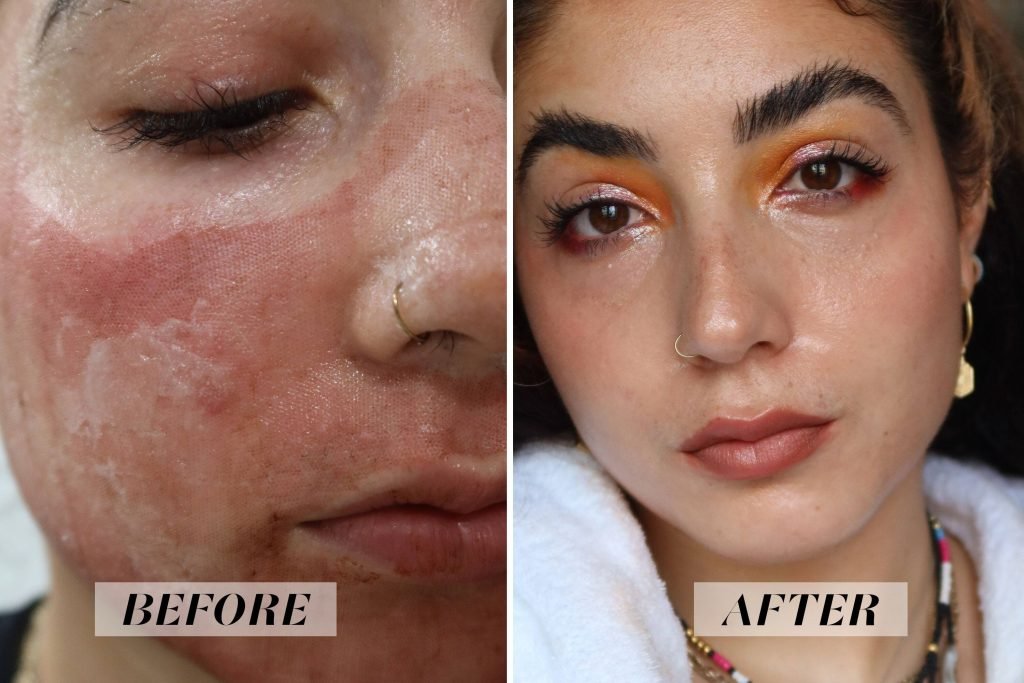
Are you tired of seeing acne scars every time you look in the mirror? Imagine waking up to a reflection that feels fresh and renewed.
Laser resurfacing might just be the solution you’re seeking. This cutting-edge treatment promises to fade those stubborn scars and give your skin a smoother, more youthful appearance. But how does it work, and is it right for you? Dive into our article to uncover how laser resurfacing can transform not just your skin, but also your confidence.
Don’t miss out on discovering how you can finally achieve the clear, radiant skin you’ve always dreamed of.
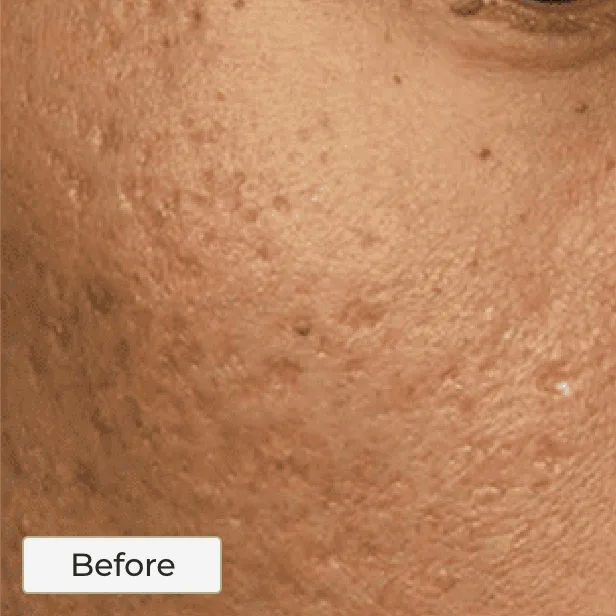
Credit: infinityskin.com.au
How Laser Resurfacing Works
Understanding how laser resurfacing works can help you decide if it’s the right choice for treating your acne scars. This procedure targets damaged skin layers to reveal fresher, smoother skin underneath. It’s not just about removing scars but also about encouraging your skin to heal and renew itself naturally.
Types Of Laser Treatments
Laser resurfacing comes in different forms, each suited for various skin types and scar severity. The two main categories are ablative and non-ablative lasers.
- Ablative lasersremove the outer layer of skin, making them effective for deep scars but requiring more downtime.
- Non-ablative laserswork beneath the skin’s surface without removing the top layer, offering a gentler approach with less recovery time.
Choosing the right type depends on your skin’s condition and your lifestyle. Have you considered how much recovery time you can realistically allow?
Mechanism Of Skin Renewal
Laser resurfacing works by creating controlled micro-injuries in the skin. These tiny wounds trigger your body’s natural healing process, stimulating collagen production.
Collagen is crucial for skin strength and elasticity, helping to fill in and smooth out acne scars over time. This process gradually improves your skin texture and tone.
Think about how your skin reacts after a small scrape—healing leaves it stronger and more resilient. Laser treatment uses this principle but in a precise, targeted way to repair scarred areas.
Benefits For Acne Scars
Laser resurfacing offers clear benefits for acne scars. It targets damaged skin layers and promotes healing. This treatment helps skin look smoother and healthier. Many people see visible improvements after a few sessions. The process encourages natural skin repair and renewal. Here are key benefits of laser resurfacing for acne scars.
Improved Skin Texture
Laser resurfacing smooths rough and uneven skin. It removes damaged outer layers gently. This reveals fresher skin underneath. The skin feels softer and looks more uniform. Texture changes become noticeable after healing. This benefit helps restore confidence in your skin.
Reduced Scar Visibility
Scars become less deep and visible after treatment. Laser targets scar tissue directly. It breaks down thickened areas and smooths edges. Over time, scars blend better with normal skin. This reduces the contrast between scars and healthy skin. The result is a more even skin surface.
Boosted Collagen Production
Laser stimulates the skin to make new collagen. Collagen is a protein that supports skin structure. More collagen means firmer and plumper skin. This natural boost helps fill in scars gradually. Collagen also improves skin elasticity and strength. The skin looks youthful and repaired with ongoing treatment.
Preparing For The Procedure
Preparing for laser resurfacing to treat acne scars is a crucial step that sets the stage for effective results and a smooth recovery. It involves understanding your skin’s unique needs and following specific care routines before the procedure. Taking time to prepare properly can reduce risks and enhance the overall outcome.
Consultation And Skin Assessment
During your consultation, your dermatologist will evaluate your skin type, scar depth, and overall health. This assessment helps determine whether laser resurfacing is the right option for you and which laser type will work best. Be ready to discuss your medical history, current medications, and any skin products you use regularly.
Don’t hesitate to ask questions about what to expect during and after the procedure. Knowing the details can ease anxiety and help you prepare mentally. Have you considered how your skin reacts to sun exposure or previous treatments? These details matter in tailoring your treatment plan.
Pre-treatment Care Tips
Before your procedure, it’s important to follow specific care instructions to protect your skin and maximize results. Avoid sun exposure for at least two weeks prior to your appointment. Using a broad-spectrum sunscreen daily is essential, even if you’re indoors much of the time.
Stop using products with retinoids, glycolic acid, or other exfoliating agents about a week before treatment. These can increase skin sensitivity and risk of irritation during laser resurfacing. If you smoke, try to quit or reduce smoking, as it can slow down healing.
- Keep your skin clean and moisturized using gentle products.
- Avoid waxing, chemical peels, or other facial treatments in the days leading up to the procedure.
- Follow any specific guidelines your dermatologist provides, like antiviral medications if you have a history of cold sores.
Have you prepared your schedule for the downtime needed after the procedure? Planning ahead for recovery can make the experience much less stressful and help you stay consistent with aftercare.
What To Expect During Treatment
Understanding what happens during laser resurfacing for acne scars can ease your nerves and help you prepare better. The treatment involves precise steps designed to improve your skin texture and appearance. Knowing these steps and pain management options will give you confidence and realistic expectations.
Step-by-step Process
The session starts with a thorough cleaning of your face to remove oils and dirt. Then, a numbing cream or local anesthesia is applied to minimize discomfort.
The specialist uses a laser device that targets scarred areas, removing damaged skin layer by layer. You might notice a slight burning smell, which is normal as the laser works on your skin.
After the laser treatment, your skin is cooled down with a soothing spray or cold compress to reduce redness and swelling. Finally, the expert applies a protective ointment and gives you detailed aftercare instructions.
Pain Management Options
Many people worry about pain during laser resurfacing, but there are effective ways to manage it. Topical numbing creams are commonly used and significantly reduce the sensation during the procedure.
If your skin is particularly sensitive, your doctor might offer local anesthesia or mild sedation. Some patients also find that taking over-the-counter pain relievers before the session helps.
Remember, the discomfort is usually brief and manageable. How would you handle a little temporary discomfort for clearer, smoother skin?
Recovery And Aftercare
Recovery and aftercare are crucial for the success of laser resurfacing for acne scars. Proper care helps the skin heal faster and reduces risks of complications. Paying attention to your skin’s needs post-treatment ensures better results and keeps your skin healthy.
Healing Timeline
The healing process usually starts immediately after treatment. Your skin may look red and feel warm for a few days. Swelling and mild discomfort can occur but should improve within a week. By day 7 to 10, scabs or peeling skin often appear. This is a sign that new skin is forming underneath. Most people see significant improvement within 2 to 4 weeks. Full healing and final results can take several months as collagen rebuilds.
Skincare Routine Post-treatment
Keep your skin clean and moist during recovery. Use gentle, fragrance-free cleansers to avoid irritation. Apply a recommended healing ointment or moisturizer several times daily. Avoid scrubbing or picking at peeling skin. Use a broad-spectrum sunscreen with high SPF to protect sensitive skin. Avoid makeup until your skin fully recovers. Drink plenty of water to support skin repair. Follow your doctor’s instructions carefully for best results.
Managing Side Effects
Mild redness, swelling, and dryness are common side effects. Use cool compresses to ease swelling and discomfort. Avoid hot showers and saunas, which can worsen irritation. If itching occurs, consult your doctor before using any creams. Watch for signs of infection, such as increasing redness or pus. Contact your healthcare provider immediately if you notice unusual pain or fever. Taking good care of your skin helps prevent complications and speeds up healing.
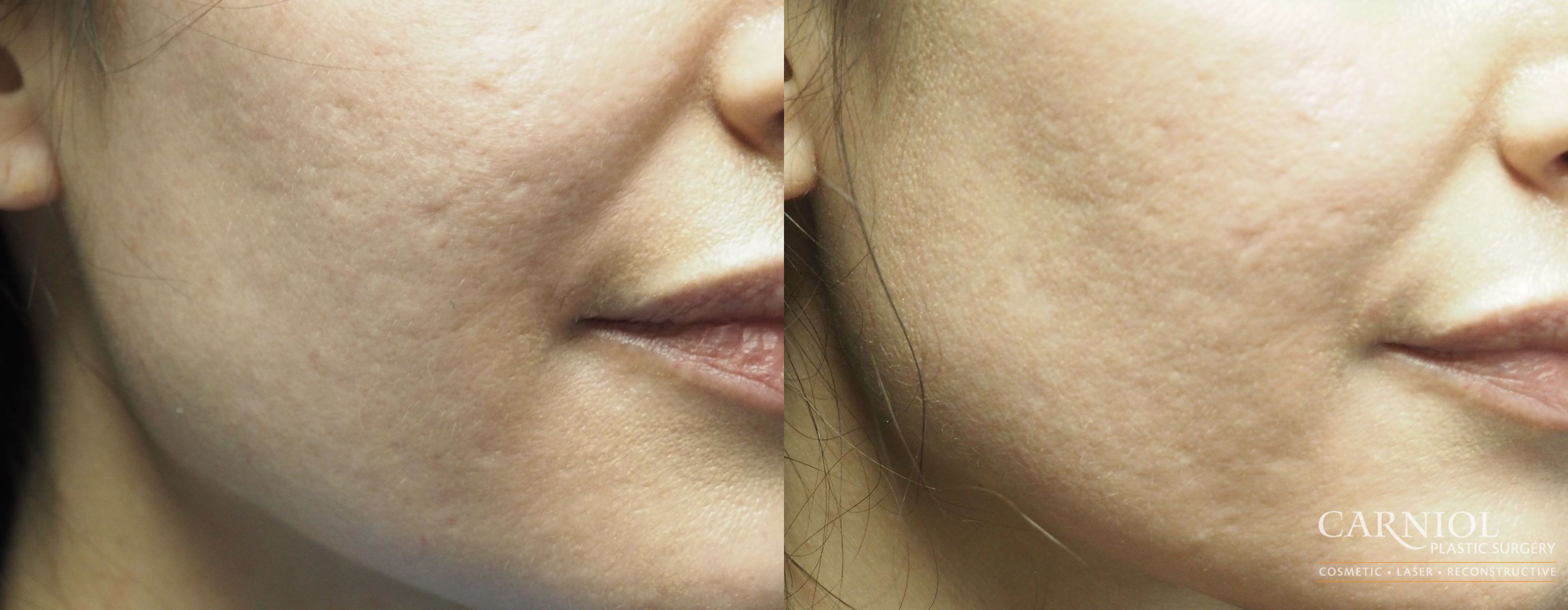
Credit: drcarniol.com
Who Should Avoid Laser Resurfacing
Laser resurfacing can improve acne scars, but not everyone should choose this treatment. Certain health issues and skin types may cause problems or poor results. Knowing who should avoid laser resurfacing helps keep your skin safe and healthy.
Medical Conditions
Some medical conditions make laser resurfacing risky. People with the following should avoid this procedure:
- Active skin infections or cold sores near the treatment area
- Autoimmune diseases like lupus
- History of keloid or abnormal scarring
- Diabetes with poor blood sugar control
- Use of blood-thinning medications
- Recent radiation therapy on the face
These conditions can cause slow healing, infections, or unwanted scars.
Skin Types At Risk
Not all skin types respond well to laser resurfacing. Darker skin tones have a higher chance of side effects. Risks include:
- Hyperpigmentation (dark spots)
- Hypopigmentation (loss of color)
- Scarring or burns
People with very sensitive or thin skin should also avoid laser resurfacing. A dermatologist can recommend safer options.
Cost And Results
Understanding the cost and results of laser resurfacing for acne scarring helps you plan better. Knowing what affects pricing and what outcomes to expect makes your decision clearer. Plus, timing follow-up sessions right can improve your overall experience and results.
Pricing Factors
The price of laser resurfacing varies widely based on several factors. The type of laser used—ablative or non-ablative—impacts cost significantly. Ablative lasers, which remove layers of skin, tend to be more expensive but often deliver more dramatic results.
Other factors include the size and number of areas treated, your skin type, and the provider’s expertise. Location also matters; clinics in big cities typically charge more. Don’t forget to ask if the quoted price covers follow-up visits or additional treatments.
Expected Outcomes
Laser resurfacing can reduce the appearance of acne scars, making your skin smoother and more even. You might notice improvement after just one session, but multiple sessions usually deliver the best results. Keep in mind, the skin will go through redness and peeling during healing, which is normal.
Some patients report their scars becoming less noticeable by 50-70%. However, deeper scars may require ongoing treatments or combination therapies. What changes do you hope to see? Setting realistic expectations can prevent disappointment.
When To Schedule Follow-ups
Follow-up sessions depend on the type of laser and how your skin heals. Typically, providers recommend waiting 4 to 6 weeks between treatments to allow full recovery. Your skin’s response during the first session helps determine the timing and need for additional treatments.
If you notice prolonged redness or irritation, tell your provider before scheduling another session. Sometimes, a touch-up after several months maintains the results. Are you ready to commit to the timeline needed for the best outcome?

Credit: dermatologyclinics.com.au
Alternative Acne Scar Treatments
If you’re exploring ways to reduce acne scars but want to consider options beyond laser resurfacing, several alternative treatments might suit your needs. These options offer different approaches and results, giving you flexibility depending on your skin type, scar severity, and personal preferences. Understanding these alternatives can help you make an informed choice about your skincare journey.
Microneedling
Microneedling uses tiny needles to create controlled micro-injuries on your skin, triggering collagen production. This natural boost helps smooth out scars over time. Many people notice gradual improvement with minimal downtime, making it a popular choice.
If you prefer a treatment that feels less intense but still encourages your skin to heal itself, microneedling could be a good fit. The procedure can be done in a dermatologist’s office or with at-home devices, though professional sessions tend to be more effective.
Chemical Peels
Chemical peels involve applying a solution that exfoliates the top layers of your skin, revealing fresher, smoother skin beneath. Different strengths target varying degrees of scarring and discoloration.
These peels can range from mild to deep, so talking to a skincare professional about which level suits your scars is key. You might be surprised how a series of gentle peels can brighten your skin and reduce scar visibility without harsh side effects.
Dermal Fillers
Dermal fillers provide immediate volume to depressed acne scars by injecting substances like hyaluronic acid under the skin. This lifts the scarred areas, creating a smoother surface.
Fillers can offer quick, noticeable results, but they are temporary and usually require repeat treatments. If you want a fast fix for special occasions or to boost your confidence quickly, fillers might be worth discussing with your dermatologist.
Frequently Asked Questions
What Is Laser Resurfacing For Acne Scarring?
Laser resurfacing is a treatment using focused light to reduce acne scars. It removes damaged skin layers and promotes new collagen growth for smoother skin.
How Effective Is Laser Resurfacing On Acne Scars?
Laser resurfacing significantly improves acne scars by smoothing skin texture. Results vary but many see visible scar reduction after a few sessions.
Are There Any Side Effects Of Laser Resurfacing?
Common side effects include redness, swelling, and mild discomfort. These usually subside within a week. Serious risks are rare with proper care.
How Long Does Recovery Take After Laser Resurfacing?
Recovery typically takes 5 to 10 days. Skin may peel and feel sensitive during this period. Full healing can take a few weeks.
Conclusion
Laser resurfacing helps reduce acne scars effectively. It works by removing damaged skin layers. Many people see smoother, clearer skin after treatment. Results improve with proper care and time. Always consult a skin expert before starting. Treatment suits various skin types and scar levels.
Patience matters; skin heals gradually but surely. This option offers hope for those with acne scars. Consider this method to regain confidence and clearer skin.
