Imagine waking up to skin that feels smoother, looks brighter, and exudes a youthful glow. If this sounds like a dream, lactic acid might just be the secret ingredient your skincare routine needs.
Lactic acid is not only gentle but incredibly effective, making it a game-changer for anyone looking to enhance their skin’s natural beauty. You might wonder how this magical component can transform your skincare regimen. Well, get ready to discover the benefits, the science, and the simple steps that can lead you to radiant skin.
Keep reading to unlock the secrets of a lactic acid skincare routine that could revolutionize your daily beauty ritual. You won’t want to miss this!
Credit: sundayriley.com
Benefits Of Lactic Acid
Lactic acid offers more than just surface-level benefits for your skin. It works gently yet effectively to enhance your skin’s health and appearance. Understanding what it does can help you decide if it fits your skincare routine and how to get the most from it.
Gentle Exfoliation
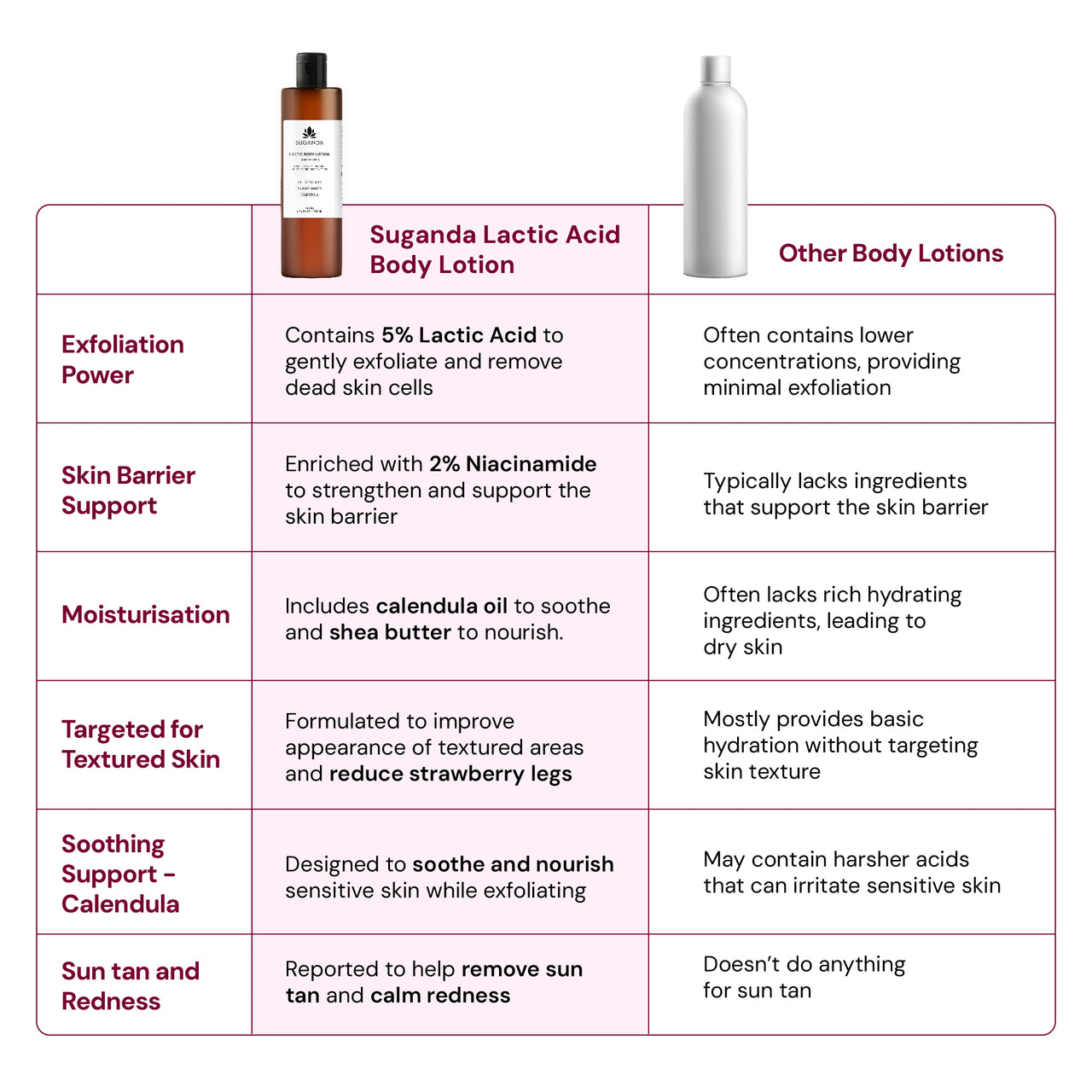
Lactic acid is a mild exfoliant that removes dead skin cells without causing irritation. Unlike harsher acids, it works softly, making it ideal for sensitive skin types. You’ll notice smoother skin without the redness or dryness often linked to stronger exfoliants.
Hydration Boost
One of lactic acid’s standout features is its ability to attract and hold moisture in your skin. This hydration boost can reduce dryness and flakiness, leaving your skin feeling plump and fresh. Have you ever felt your skin tighten after exfoliating? Lactic acid helps avoid that by keeping moisture locked in.
Even Skin Tone
Regular use of lactic acid can help fade dark spots and discoloration, promoting a more balanced complexion. It works by speeding up cell turnover, which gradually lightens uneven patches. If you struggle with dull or patchy skin, this ingredient might be the gentle solution you need.
Improved Texture
Lactic acid smooths rough patches and refines your skin’s overall texture. Over time, you’ll see fewer bumps and a more polished surface. This improvement makes your skin easier to apply makeup on and enhances its natural glow.
Choosing The Right Product
Choosing the right lactic acid product for your skincare routine can make all the difference in achieving glowing, smooth skin without irritation. It’s not just about picking any product labeled with lactic acid; you need to consider texture, strength, skin type, and what else is inside the formula. Your skin’s unique needs should guide your choice, helping you avoid common mistakes that cause redness or dryness.
Serums Vs. Creams
Serums usually have a higher concentration of lactic acid and a lightweight texture that absorbs quickly. They work well if you want a potent exfoliant to brighten your skin or target uneven texture.
Creams, on the other hand, combine lactic acid with moisturizing ingredients, making them gentler and better for dry or sensitive skin. If you find serums too harsh or drying, creams might be a better match for your routine.
Think about how your skin feels after applying a product. Do you prefer something light that sinks in fast or a richer formula that hydrates while exfoliating?
Concentration Levels
Lactic acid products come in concentrations ranging from around 2% up to 10% or more. Lower percentages (2-5%) are ideal for beginners or those with sensitive skin. They provide gentle exfoliation without overwhelming your skin barrier.
Higher concentrations (8-10%) deliver stronger exfoliation and faster results but can cause irritation if your skin isn’t used to acids. It’s often best to start low and gradually increase as your skin builds tolerance.
Ask yourself: How experienced is your skin with acids? Starting with too high a concentration might set you back rather than move you forward.
Suitable Skin Types
Lactic acid suits most skin types, but its effects vary. Dry or dull skin benefits greatly from lactic acid’s hydrating and exfoliating properties.
Oily and acne-prone skin can also benefit, but you may want to balance lactic acid with other treatments to avoid over-exfoliation.
If your skin is sensitive or prone to redness, opt for lower concentrations and formulas with calming ingredients. Your skin’s reaction can guide you to what works best.
Ingredients To Avoid
Some ingredients can irritate your skin when combined with lactic acid. Avoid products that contain strong fragrances, alcohol, or harsh exfoliants like physical scrubs.
Also, steer clear of mixing lactic acid with other potent acids or retinoids without professional advice. Combining too many active ingredients can damage your skin barrier.
Look for simple formulations with soothing ingredients like aloe vera or ceramides to support your skin while it adapts to lactic acid.
Step-by-step Routine
Starting a lactic acid skincare routine can transform your skin’s texture and brightness, but the key lies in how you apply it. The process is simple yet requires care to avoid irritation and maximize benefits. Let’s break down the steps to help you achieve radiant skin safely and effectively.
Cleansing Preparation
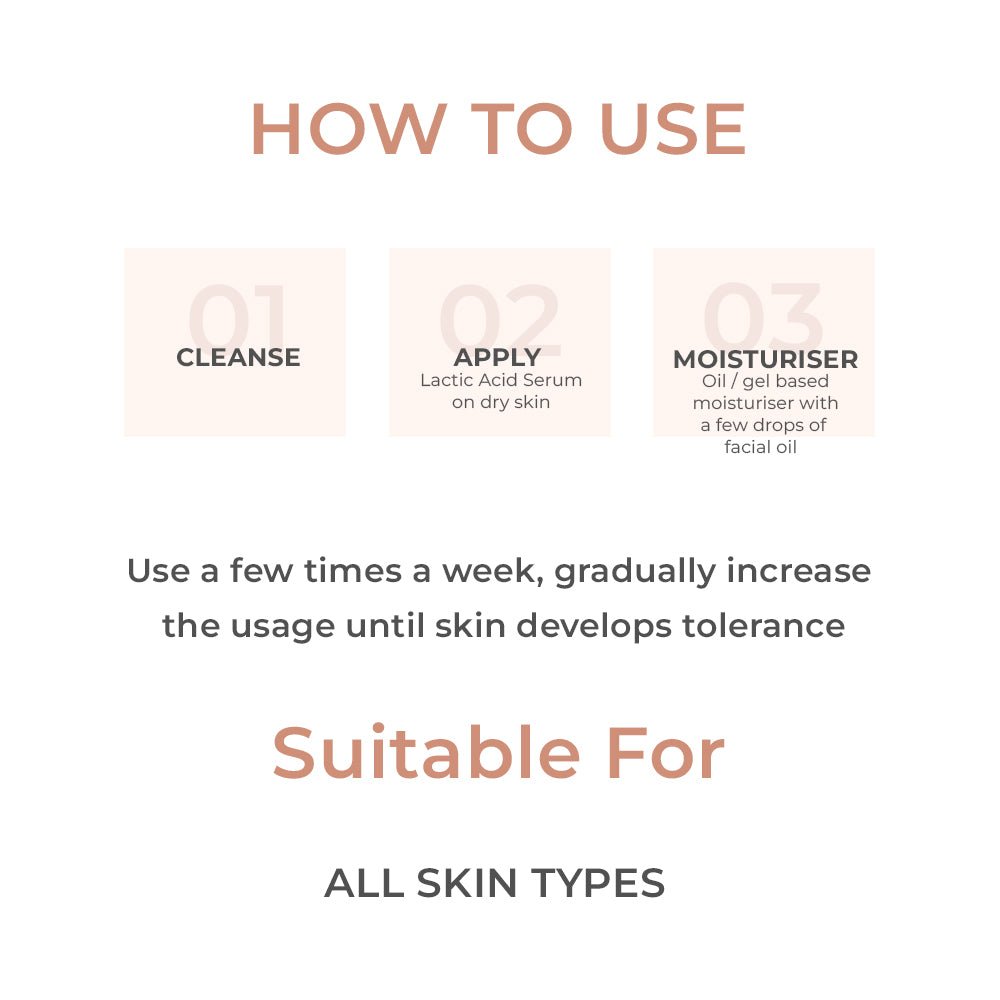
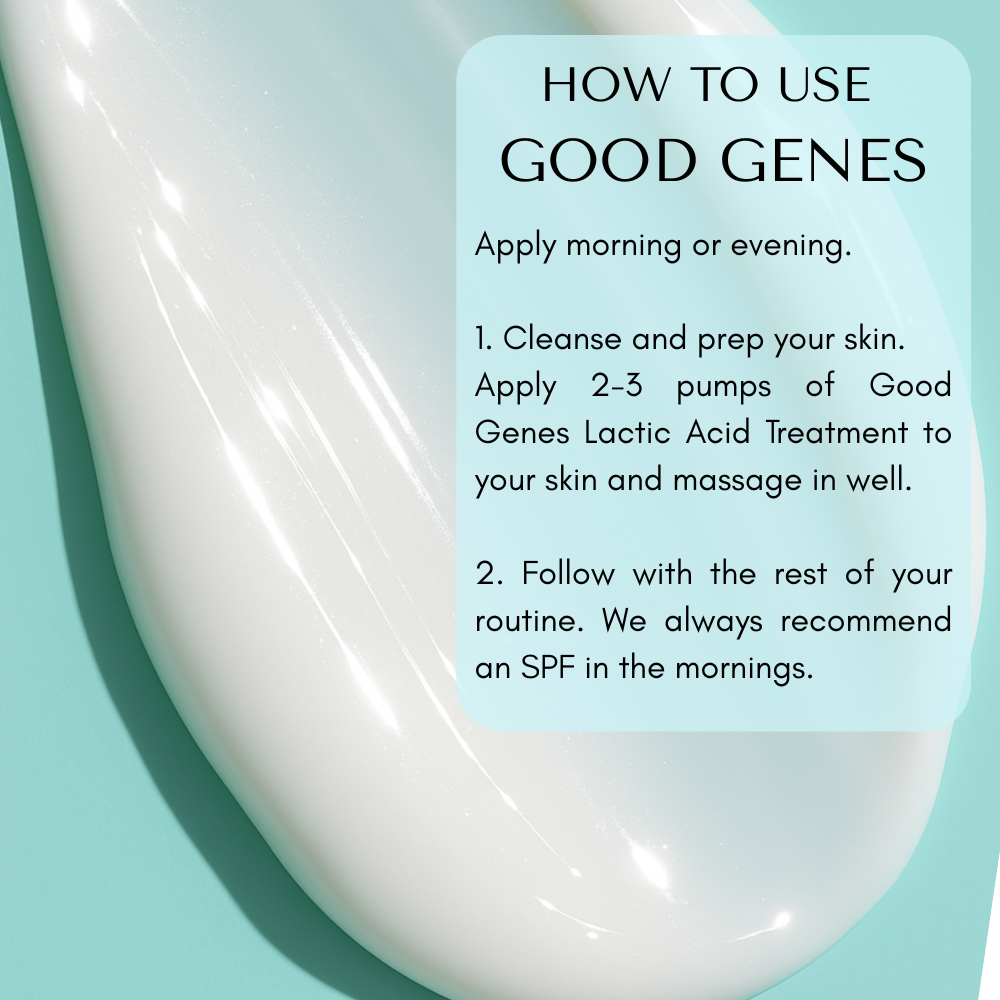
Begin with a gentle cleanser to remove dirt, oil, and makeup without stripping your skin’s natural moisture. Using lukewarm water helps keep your skin calm and ready for lactic acid application.
Make sure your skin is completely dry before applying lactic acid. Applying it on damp skin can increase sensitivity and risk irritation. Have you noticed how skipping this step affects your skin’s reaction?
Applying Lactic Acid
Start with a low concentration product, especially if you’re new to acids. Apply a thin, even layer across your face, avoiding the eye area where skin is thinner and more sensitive.
Give the acid time to absorb fully before layering other products—usually about 5 to 10 minutes. This pause lets lactic acid work effectively without dilution.
Moisturizing Tips
Hydration is crucial after lactic acid. Choose a moisturizer that soothes and replenishes your skin barrier. Ingredients like hyaluronic acid, ceramides, or glycerin work well here.
Don’t rush—gently pat your moisturizer onto your skin instead of rubbing. This protects the skin from unnecessary friction and irritation. Have you tried switching your moisturizer to one with calming ingredients?
Sun Protection
Lactic acid increases your skin’s sensitivity to the sun. Applying a broad-spectrum sunscreen with at least SPF 30 daily is non-negotiable. Even on cloudy days, UV rays can cause damage.
Reapply sunscreen every two hours if you’re outdoors. This step ensures your fresh, exfoliated skin stays protected and healthy. Are you already making sun protection part of your daily routine?
Frequency And Timing
Figuring out how often and when to use lactic acid in your skincare routine is key to seeing results without irritating your skin. The right frequency and timing help your skin adjust gradually, preventing redness or sensitivity. Let’s break down how you can find the perfect balance for your skin type and lifestyle.
Starting Slowly
Begin with just one or two times a week. This gives your skin a chance to build tolerance without overwhelming it. If you rush into daily use, you might notice dryness or irritation.
Think about how your skin reacts after the first few uses. Does it feel tight or look red? If yes, slow down even more. Patience pays off in the long run.
Morning Vs. Night Use
Lactic acid is generally best used at night. It helps exfoliate dead skin cells while you sleep, allowing your skin to renew naturally. Using it in the morning can make your skin more sensitive to sunlight.
If you prefer morning use, make sure to apply a broad-spectrum sunscreen afterward. Without protection, your skin could burn or darken more easily. Have you noticed differences in your skin when you switch the timing?
Adjusting Based On Skin Reaction
Pay close attention to how your skin responds over time. If you see improvements without irritation, you can increase the frequency to every other day or daily. But if redness or peeling appears, reduce use immediately.
Don’t hesitate to pause for a few days if your skin feels overwhelmed. Your skin’s needs can change with seasons, stress, or other products you use. Are you listening closely enough to what your skin is telling you?
Common Mistakes To Avoid
Using lactic acid in your skincare routine can improve skin texture and brightness. Avoiding common mistakes helps prevent irritation and damage. Follow these tips to keep your skin healthy and glowing.
Over-exfoliation
Applying lactic acid too often harms your skin’s natural barrier. This causes redness, dryness, and sensitivity. Use lactic acid products only as directed. Give your skin time to recover between uses.
Ignoring Sunscreen
Lactic acid makes your skin more sensitive to the sun. Skipping sunscreen leads to sunburn and dark spots. Always use a broad-spectrum sunscreen every day. Protect your skin to keep it safe and smooth.
Mixing With Harsh Ingredients
Combining lactic acid with strong acids or retinoids can cause irritation. Avoid using multiple exfoliants or harsh treatments together. Stick to gentle products and introduce new items slowly. This helps your skin adjust without problems.

Credit: theformularx.com
Enhancing Results
Enhancing the effects of lactic acid in your skincare routine involves thoughtful choices beyond just using the acid itself. Combining the right products and habits can boost your skin’s glow and health. Small adjustments lead to better, faster results.
Complementary Ingredients
Using ingredients that work well with lactic acid can improve your skin’s texture and tone. Look for hydrating elements like hyaluronic acid and soothing agents like aloe vera. These help keep your skin calm and moist while lactic acid exfoliates.
- Hyaluronic acid to lock in moisture
- Aloe vera for soothing irritation
- Niacinamide to reduce redness and strengthen skin
- Vitamin C to brighten and protect
Hydrating Masks
Hydrating masks restore moisture and soothe skin after lactic acid use. They prevent dryness and increase softness. Choose masks with natural ingredients like honey, cucumber, or oatmeal. Use them once or twice a week for better hydration.
- Apply after cleansing and before moisturizing
- Leave on for 10-15 minutes
- Rinse gently with lukewarm water
Lifestyle Factors
Daily habits affect how well lactic acid works on your skin. Drinking enough water keeps skin hydrated from within. Avoid excessive sun exposure to prevent damage. Always wear sunscreen, as lactic acid can make skin more sensitive to sun.
- Drink 6-8 glasses of water daily
- Wear broad-spectrum sunscreen every day
- Get enough sleep for skin repair
- Eat a balanced diet rich in antioxidants
Who Should Skip Lactic Acid
Lactic acid offers amazing benefits for many skin types, but it’s not suitable for everyone. Knowing if you should skip it can save your skin from irritation or worsening conditions. Let’s break down who really needs to avoid lactic acid in their skincare routine.
Sensitive Skin Concerns
If your skin reacts quickly to new products, lactic acid might cause redness, burning, or dryness. Even a small amount can feel uncomfortable if your skin barrier is weak.
People with naturally sensitive skin may find gentler exfoliants or milder routines work better without the harsh side effects.
Have you ever noticed your skin stinging after using an acid-based product? That’s a sign to pause and rethink.
Skin Conditions To Watch
Conditions like eczema, rosacea, or psoriasis can flare up when exposed to lactic acid. It can worsen inflammation and cause more discomfort.
If you have active breakouts or open wounds, lactic acid may irritate and delay healing.
Always consult a dermatologist before adding acids if you have these skin issues. Your skin’s health depends on careful product choices.
Alternatives To Consider
If you need exfoliation but can’t use lactic acid, options like enzyme-based exfoliants or gentle physical scrubs might suit you better.
Products with ingredients like aloe vera or chamomile soothe and support sensitive or irritated skin while still promoting renewal.
Would you consider a mild exfoliant that works at a slower pace but respects your skin’s limits? Sometimes patience yields better results than quick fixes.
Credit: suganda.co
Frequently Asked Questions
What Is Lactic Acid In Skincare?
Lactic acid is an alpha hydroxy acid (AHA) derived from milk. It exfoliates dead skin cells, improves texture, and brightens skin. It also promotes collagen production and hydrates, making it ideal for sensitive or dry skin types.
How To Use Lactic Acid In A Skincare Routine?
Start with a low concentration product, applying it once or twice a week. Gradually increase frequency as your skin builds tolerance. Use it after cleansing and before moisturizing. Always apply sunscreen daily when using lactic acid.
Can Lactic Acid Cause Skin Irritation?
Lactic acid may cause mild irritation, redness, or peeling, especially for beginners. To minimize irritation, start with lower concentration and do a patch test. Avoid combining with other strong acids or retinoids initially.
What Skin Types Benefit Most From Lactic Acid?
Lactic acid suits dry, sensitive, and mature skin well. It gently exfoliates without over-drying. It helps improve hydration and skin tone. Oily skin can also benefit but should start with lower concentrations.
Conclusion
Lactic acid helps keep your skin smooth and bright. Use it gently to avoid irritation. Start with a low concentration and watch your skin improve. Always apply sunscreen after using lactic acid products. Consistency matters more than speed in skincare.
Your skin will thank you for the care. A simple routine can make a big difference. Give your skin time to adjust and glow. Healthy skin feels soft, fresh, and clean. Try lactic acid and see the change yourself.
