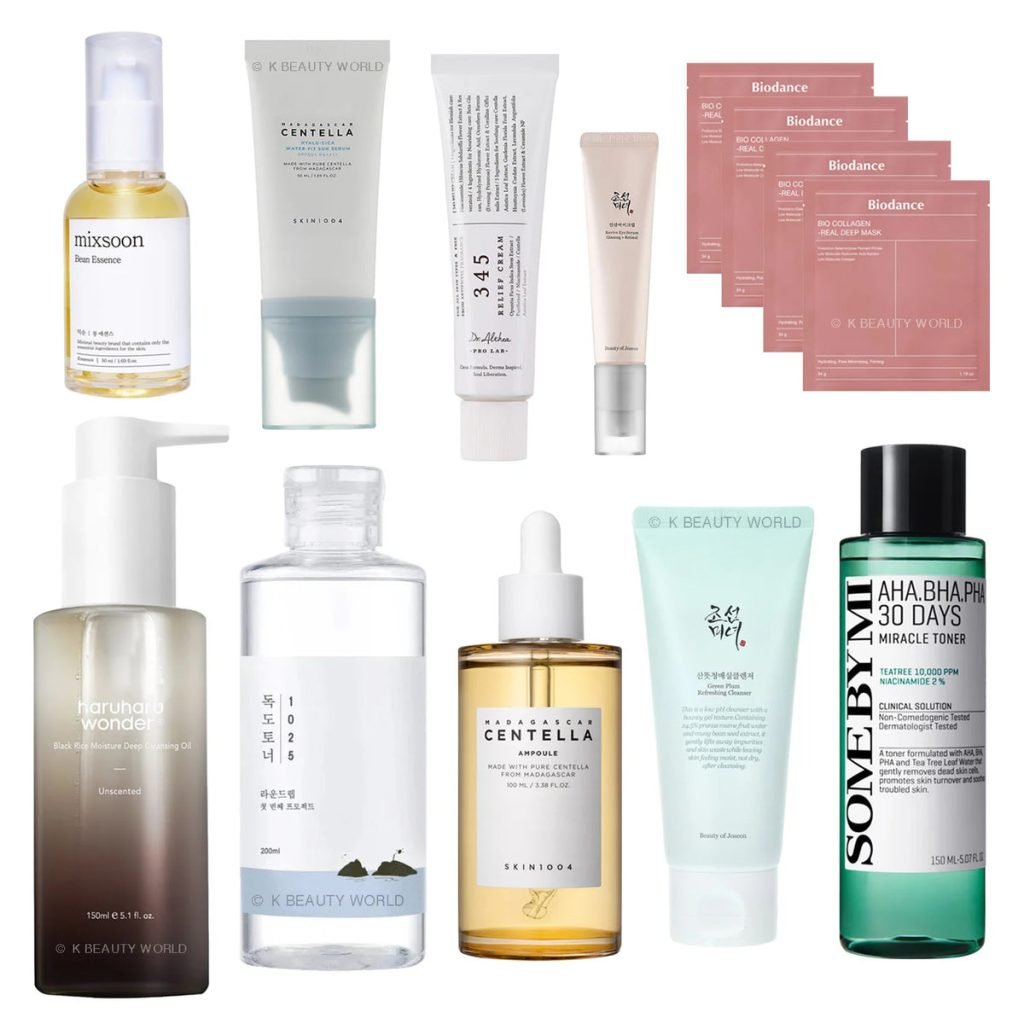
Are you ready to transform your skin and glow like never before? The Korean Skincare Routine 10 Step is more than just a trend—it’s a proven way to achieve clear, healthy, and radiant skin.
Imagine waking up every day with a fresh, glowing face that feels soft and hydrated. This routine breaks down skincare into simple, easy steps that you can follow at home. Whether you’re new to skincare or looking to upgrade your current routine, understanding these 10 steps will help you get the best results.
Keep reading to discover how each step works and why it’s important for your skin’s health and beauty. Your journey to flawless skin starts here.
Essence Of Korean Skincare
The essence of Korean skincare lies in its focus on deep hydration and skin nourishment. It is not just about cleansing or treating problems. It is about maintaining healthy skin every day. This routine promotes a natural glow and smooth texture through gentle care.
Essence is a key step in this routine. It is a lightweight, watery liquid packed with active ingredients. It helps to prepare the skin for better absorption of the next products. It also boosts moisture and skin renewal.
What Is Essence In Korean Skincare?
Essence is a special product unique to Korean skincare. It is lighter than serums but thicker than toners. It contains ingredients like fermented extracts, hyaluronic acid, and antioxidants. These help to hydrate, brighten, and repair the skin.
Why Essence Is Important?
Essence improves skin texture and elasticity. It supports cell turnover and skin repair. It makes the skin soft and plump. It also helps other skincare products work better by enhancing absorption.
How To Use Essence Effectively?
- Apply essence after toner on clean skin.
- Use a few drops and gently pat it in.
- Allow it to absorb fully before the next step.
- Use daily, morning and night for best results.
Step 1: Oil-based Cleanser
Starting your Korean skincare routine with an oil-based cleanser is essential for deep cleaning. This cleanser removes makeup, sunscreen, and excess oil without stripping the skin. It gently dissolves impurities, leaving your face fresh and soft.
Using an oil-based cleanser prepares your skin for the next cleaning step. It ensures that pores are clear and ready to absorb other skincare products better. This step is gentle enough for all skin types, even sensitive skin.
What Is An Oil-based Cleanser?
An oil-based cleanser is a liquid made mostly from oils. It attracts and breaks down oil-based dirt on your skin. Unlike water, oil removes makeup and sunscreen effectively. It does not dry out your skin.
How To Use An Oil-based Cleanser
- Take a small amount on dry hands.
- Massage gently over dry face using circular motions.
- Add a little water to emulsify the oil into a milky texture.
- Rinse thoroughly with lukewarm water.
Benefits Of Oil-based Cleansers
- Removes heavy makeup and sunscreen completely.
- Prevents clogged pores and breakouts.
- Maintains skin’s natural moisture balance.
- Leaves skin feeling soft and smooth.
Choosing The Right Oil-based Cleanser
Look for cleansers with natural oils like jojoba or sunflower oil. Avoid products with harsh chemicals or heavy fragrances. Pick a formula that suits your skin type for best results.
Step 2: Water-based Cleanser
Water-based cleansers clear away sweat, dirt, and leftover oil. This step refreshes skin after removing makeup with an oil cleanser. It helps keep pores clean and skin feeling light.
Choosing the right water-based cleanser matters for your skin type. These cleansers usually foam gently and rinse easily. They prepare skin for the next steps in your skincare routine.
Benefits Of Using A Water-based Cleanser
- Removes impurities without drying out skin
- Prevents clogged pores and breakouts
- Leaves skin fresh and soft
- Preps skin for better absorption of other products
How To Use A Water-based Cleanser Properly
- Wet face with lukewarm water
- Apply a small amount of cleanser
- Gently massage in circular motions
- Rinse thoroughly with lukewarm water
- Pat skin dry with a soft towel
Choosing The Best Water-based Cleanser For Your Skin
| Skin Type | Recommended Cleanser | Key Ingredients |
|---|---|---|
| Oily | Foaming cleanser | Salicylic acid, tea tree oil |
| Dry | Hydrating gel cleanser | Hyaluronic acid, glycerin |
| Sensitive | Gentle cream cleanser | Centella asiatica, chamomile |
| Combination | Balancing cleanser | Green tea, aloe vera |

Credit: sokoglam.com
Step 3: Exfoliation
Exfoliation is a key part of the Korean skincare routine. It helps remove dead skin cells. This step clears the skin’s surface and lets your skin breathe better. Clean skin absorbs products more easily, making the next steps more effective.
Exfoliating also smooths the skin texture and brightens your complexion. It can reduce clogged pores and prevent breakouts. Regular exfoliation supports healthy skin renewal and a glowing look.
Types Of Exfoliators
- Physical exfoliators:Use small grains or beads to scrub away dead skin.
- Chemical exfoliators:Contain acids like AHA or BHA to dissolve dead cells gently.
How Often To Exfoliate
- Exfoliate 1-2 times a week for most skin types.
- Sensitive skin should exfoliate less often to avoid irritation.
- Oily skin may benefit from more frequent exfoliation.
Tips For Safe Exfoliation
- Use gentle motions to avoid skin damage.
- Choose an exfoliator that suits your skin type.
- Follow up with a hydrating toner or serum.
- Avoid exfoliating if skin is broken or inflamed.
Step 4: Toner
Toner plays a vital role in the Korean skincare routine. It balances the skin’s pH and prepares it for better absorption of other products. Using toner helps to remove any leftover impurities after cleansing. It also hydrates and refreshes the skin.
Toners come in many types. Some focus on hydration, while others target oil control or soothing irritated skin. Choosing the right toner depends on your skin type and needs.
Why Toner Is Important
Toner restores the skin’s natural pH level. Cleansing can disrupt this balance, causing dryness or oiliness. Toner brings the skin back to a healthy state.
It also tightens pores and smooths the skin’s surface. This helps your next skincare steps work better.
How To Apply Toner Correctly
- Use a cotton pad or your hands for application.
- Gently pat the toner onto your face and neck.
- Avoid rubbing, which can irritate the skin.
- Allow the toner to fully absorb before moving to the next step.
Choosing The Right Toner For Your Skin
| Skin Type | Recommended Toner | Key Benefits |
|---|---|---|
| Dry | Hydrating toner with ingredients like hyaluronic acid | Locks in moisture and soothes dryness |
| Oily | Oil control toner with witch hazel or tea tree | Reduces shine and controls excess oil |
| Sensitive | Calming toner with aloe vera or centella asiatica | Reduces redness and soothes irritation |
| Combination | Balancing toner with gentle ingredients | Maintains moisture without clogging pores |
Step 5: Essence
Essence plays a unique role in the Korean skincare routine. It’s lighter than a serum but more concentrated than a toner, designed to deeply hydrate and prepare your skin for the next steps. If you’ve ever felt your skin thirsty right after cleansing, essence is what quenches that thirst effectively.
What Makes Essence Different?
Essence is often confused with toner or serum, but it sits right between the two. It has a watery texture that absorbs quickly, delivering active ingredients like hyaluronic acid and fermented extracts. These ingredients help with skin repair and boost moisture retention.
How To Apply Essence Properly
Patting essence onto your skin feels different than rubbing it in. Use your hands to gently press the product into your face and neck. This method helps your skin absorb the essence better and prevents irritation.
Choosing The Right Essence For Your Skin
Think about your skin concerns before picking an essence. For dry skin, go for hydrating formulas with ingredients like snail mucin or ceramides. If you deal with dullness, look for brightening essences containing vitamin C or niacinamide.
Personal Experience With Essence
I used to skip essence, thinking it was just an extra step. But after adding it, my skin felt softer and looked more radiant within weeks. Have you noticed any missing link in your routine that essence could fill?
Step 6: Serum
Serum plays a vital role in the Korean skincare routine. It delivers powerful ingredients deep into the skin. Serums target specific skin issues like dryness, dullness, or wrinkles.
Serums are lightweight and fast-absorbing. They prepare the skin for the next steps. Choosing the right serum helps enhance your skin’s health and glow.
What Is A Serum?
A serum is a liquid product with high concentrations of active ingredients. It has smaller molecules than creams. This allows the serum to reach deeper layers of the skin. Serums focus on hydration, brightening, or anti-aging effects.
How To Apply Serum
Use a few drops of serum on clean, toned skin. Gently pat it with your fingertips. Avoid rubbing to prevent irritation. Let the serum absorb fully before the next step.
Choosing The Right Serum
- For dry skin: look for hydrating serums with hyaluronic acid.
- For dull skin: choose vitamin C serums for brightness.
- For aging skin: select serums with peptides or retinol.
- For sensitive skin: use calming serums with centella asiatica.
Benefits Of Using Serum
- Deep hydration
- Improved skin texture
- Reduced fine lines and wrinkles
- Even skin tone and glow
- Protection from environmental damage
Credit: www.ooshtush.com
Step 7: Sheet Mask
Sheet masks are a standout part of the Korean skincare routine that many people look forward to. They deliver a concentrated dose of hydration and nutrients directly to your skin, making it feel refreshed and plump. Using a sheet mask can feel like giving your skin a mini spa treatment right at home.
How To Choose The Right Sheet Mask For Your Skin
Picking a sheet mask that fits your skin type is key. If you have dry skin, look for masks with ingredients like hyaluronic acid or glycerin to boost moisture. For oily or acne-prone skin, masks containing tea tree or charcoal can help control oil and reduce breakouts.
Don’t forget to check the mask material too—cotton or bio-cellulose sheets tend to hold serum better and feel gentle on the skin. Have you ever tried different masks and noticed which ones your skin loves most?
Best Way To Apply A Sheet Mask
Start with a clean face to make sure your skin absorbs all the goodness. Gently unfold the mask and fit it to your face shape, smoothing out any air bubbles. Leave it on for about 15-20 minutes—this is enough time for your skin to soak up the ingredients.
After removing the mask, lightly pat the remaining serum into your skin instead of washing it off. This extra step locks in moisture and keeps your skin glowing longer.
How Often Should You Use A Sheet Mask?
Using a sheet mask 2-3 times a week works well for most people. However, if your skin feels particularly dry or stressed, you can increase the frequency temporarily. Just be mindful of any irritation—your skin will tell you if it’s too much.
Think about your current skincare goals. Could adding a sheet mask more regularly give your skin the boost it needs?
Step 8: Eye Cream
The delicate skin around the eyes needs special care. Eye cream helps reduce puffiness, dark circles, and fine lines. It hydrates and protects this sensitive area. Applying eye cream is a gentle process. Use your ring finger to pat the cream softly. Avoid rubbing or pulling the skin.
Choosing The Right Eye Cream
Select an eye cream based on your skin needs. Look for ingredients like hyaluronic acid for hydration. Peptides help boost collagen and smooth wrinkles. Vitamin C brightens dark circles and evens skin tone. Caffeine reduces puffiness and refreshes tired eyes.
How To Apply Eye Cream Properly
- Use a small amount, about the size of a grain of rice.
- Dot the cream along the orbital bone under your eyes.
- Gently pat the cream into your skin with your ring finger.
- Avoid applying too close to your eyes to prevent irritation.
- Do this step morning and night for best results.
Benefits Of Regular Eye Cream Use
Regular use keeps the eye area hydrated and smooth. It minimizes fine lines and wrinkles over time. Eye cream helps reduce puffiness and dark circles. It creates a protective barrier against environmental damage. Healthy eye skin looks brighter and more youthful.
Credit: medium.com
Step 9: Moisturizer
Moisturizer is a key part of the Korean skincare routine. It locks in all the previous layers of care. It keeps your skin soft, smooth, and hydrated. Using the right moisturizer helps maintain your skin’s natural balance.
Choose a moisturizer that fits your skin type. Creamy textures suit dry skin well. Lightweight gels work better for oily skin. Moisturizers also help protect the skin from harsh weather.
Why Moisturizing Is Essential
Moisturizing prevents dryness and flakiness. It strengthens the skin’s barrier to keep out dirt. It also helps reduce irritation and redness. Healthy skin looks bright and feels comfortable.
How To Apply Moisturizer
- Take a small amount on your fingertips.
- Gently spread it over your face and neck.
- Use upward, light strokes for better absorption.
- Pat softly to help the skin soak in the product.
Choosing The Best Moisturizer For Your Skin
| Skin Type | Recommended Moisturizer | Key Benefits |
|---|---|---|
| Dry | Rich cream or balm | Deep hydration, prevents flaking |
| Oily | Light gel or lotion | Controls shine, non-greasy feel |
| Combination | Balancing lotion | Hydrates dry areas, controls oil |
| Sensitive | Fragrance-free, calming cream | Reduces redness, soothes irritation |
Step 10: Sunscreen
Sunscreen is the final and most crucial step in the Korean skincare routine. It protects your skin from harmful UV rays that cause premature aging, dark spots, and even skin cancer. Skipping this step can undo all the hard work you put into your skincare earlier in the day.
Why Sunscreen Is Non-negotiable
Even if you spend most of your day indoors, UV rays can penetrate windows and damage your skin. Sunscreen shields your skin from UVA and UVB rays that accelerate wrinkles and sunspots. Have you noticed that your skin looks dull or uneven despite using great products? Sunscreen might be the missing link.
Choosing The Right Sunscreen For Your Skin
Look for broad-spectrum protection with at least SPF 30. If you have oily or acne-prone skin, opt for a lightweight, non-comedogenic formula. Dry skin benefits from moisturizing sunscreens with added hydrating ingredients. Trying a few samples can help you find one that feels comfortable and doesn’t clog pores.
How To Apply Sunscreen Properly
- Apply sunscreen as the last step of your morning skincare routine, before makeup.
- Use enough to cover your entire face, neck, and any exposed skin—about a teaspoon for your face alone.
- Reapply every two hours if you’re outside, sweating, or swimming.
Many people forget the neck and ears—don’t be one of them!
Common Sunscreen Myths That Could Harm Your Skin
Some think sunscreen is only needed on sunny days, but UV damage happens year-round. Others believe makeup with SPF is enough, but it rarely provides adequate coverage. Are you relying on your tinted moisturizer for sun protection? It’s wise to layer a dedicated sunscreen underneath.
Tips For Best Results
Getting the best results from the Korean skincare routine takes care and patience. Small habits and choices can make your skin look brighter and healthier. Follow tips that help your skin absorb products well and stay balanced. Consistency is key for a glowing, smooth complexion.
Choose Products For Your Skin Type
Pick products that fit your skin’s needs. Dry skin needs more moisture. Oily skin needs lighter, oil-free formulas. Sensitive skin needs gentle, calming ingredients. Using the right products helps avoid irritation and breakouts.
Apply Products In The Correct Order
Start with the lightest formulas like toners and essences. Finish with thicker creams and oils. This order helps your skin absorb each product better. Layering properly makes all steps more effective.
Use Gentle, Upward Motions
Massage products into skin using soft, upward strokes. Avoid rubbing too hard. This helps improve blood flow and prevents skin sagging. Be gentle around delicate areas like under the eyes.
Give Products Time To Absorb
Wait a minute or two between each step. Let your skin soak in the product. This stops layers from mixing and losing power. Patience helps every product work fully.
Keep Your Skin Clean
Double cleanse at night to remove dirt and makeup. Use a gentle cleanser in the morning. Clean skin helps products work better and prevents clogged pores.
Protect Your Skin From Sun
Use sunscreen every day, even indoors. UV rays cause aging and damage. Sunscreen keeps your skin smooth and healthy. Reapply every two hours if outside.
Common Mistakes To Avoid
Mastering the Korean skincare routine takes patience and attention to detail. However, many people stumble by making simple mistakes that can reduce the effectiveness of this multi-step process. Avoiding these common errors will help your skin truly benefit from the routine and keep your complexion radiant.
Skipping The Sunscreen Step
You might think sunscreen is only for sunny days, but UV damage happens every day, rain or shine. Neglecting this step can undo all the care you put into your skin by causing premature aging and dark spots.
Make sunscreen the final step of your morning routine, even if you’re indoors. Ask yourself: Are you protecting your skin from invisible sun damage?
Using Too Much Product
Applying thick layers of multiple products won’t speed up results. It can clog pores and lead to breakouts instead. I learned this the hard way when I piled on serums and moisturizers, only to end up with irritated skin.
Stick to a thin, even layer for each product and wait a few minutes before moving to the next. Your skin needs to absorb, not drown in product.
Neglecting Proper Cleansing
Skipping the double cleanse or rushing through it leaves dirt and makeup behind. This blocks the absorption of the next products and can cause acne or dullness.
Take time to massage your cleanser gently and rinse with lukewarm water. Have you noticed your skin feels fresher and more receptive after a proper cleanse?
Not Tailoring Steps To Your Skin Type
The 10-step routine isn’t one-size-fits-all. Using heavy creams if you have oily skin or skipping hydration if your skin is dry can backfire.
Understand your skin’s needs and adjust steps accordingly. Could your skin benefit more from a lightweight gel moisturizer rather than a rich cream?
Over-exfoliating
Exfoliating daily might seem like a good idea, but it can strip your skin’s natural barrier. This leads to redness, sensitivity, and even increased oil production as the skin tries to compensate.
Limit exfoliation to 1-2 times a week and choose gentle formulas. How often do you check if your skin feels irritated after exfoliating?
Customizing The Routine
Customizing the Korean skincare routine helps meet your skin’s unique needs. Skin changes with seasons, age, and environment. Adjusting products keeps your skin healthy and glowing.
Choosing the right product for each step avoids irritation and boosts results. Not every step is needed daily. Simplify or add steps based on your skin’s reaction.
Understanding Your Skin Type
Identify if your skin is dry, oily, combination, or sensitive. This guides product choices and frequency. For example, oily skin benefits from lightweight gels. Dry skin needs richer creams.
Adjusting Steps For Skin Concerns
Target specific issues like acne, dullness, or redness. Use exfoliants less often if skin is sensitive. Add serums with brightening ingredients for uneven tone.
Seasonal Changes And Routine
Switch products as weather changes. Use lighter moisturizers in summer. Choose nourishing creams during cold months. Protect skin with SPF all year round.
Listening To Your Skin’s Signals
Watch for signs of irritation or dryness. Reduce exfoliation if skin feels tight. Increase hydration if skin looks dull or flaky. Always adjust based on how skin feels.
Balancing Time And Consistency
Customize the routine to fit your schedule. Focus on essential steps if short on time. Regular care matters more than complexity. Consistency brings long-term benefits.
Frequently Asked Questions
What Are The 10 Steps In Korean Skincare Routine?
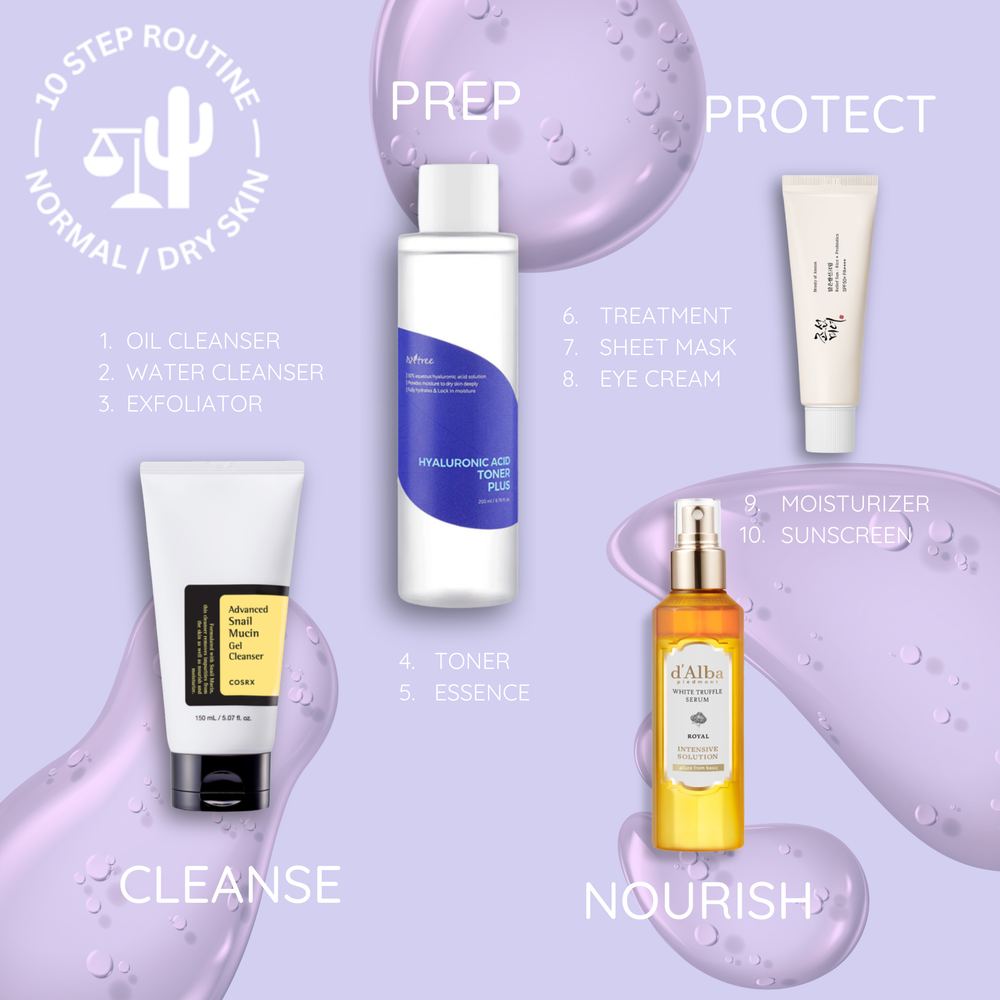
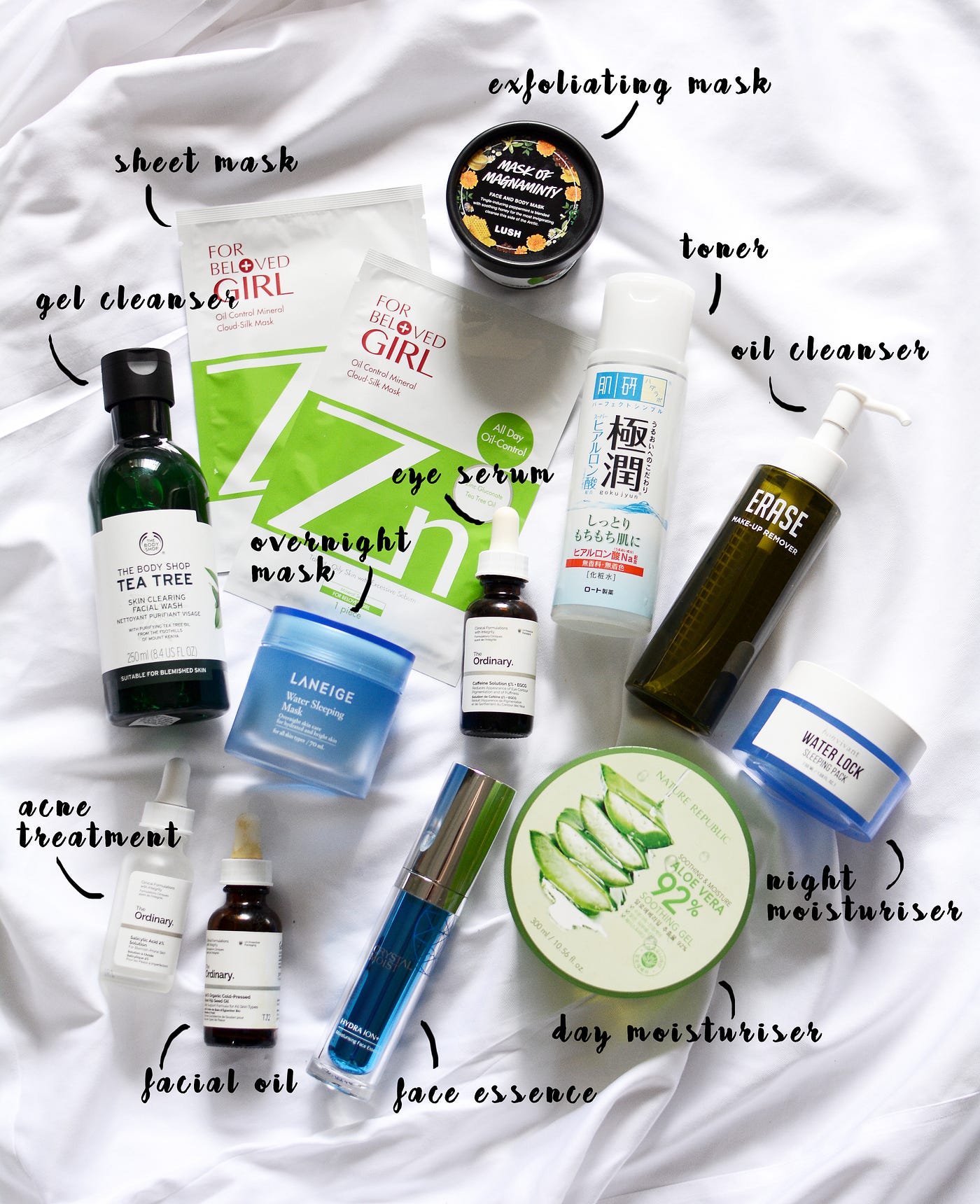
The 10 steps include oil cleanser, water-based cleanser, exfoliation, toner, essence, serum, sheet mask, eye cream, moisturizer, and sunscreen. Each step targets specific skin needs for hydration and protection.
How Long Does Korean Skincare Routine Take Daily?
The routine typically takes 20 to 30 minutes. It depends on your skin type and the number of steps you follow.
Why Is Double Cleansing Important In Korean Skincare?
Double cleansing removes makeup and impurities thoroughly. The oil cleanser dissolves oil-based debris, while the water-based cleanser cleanses sweat and dirt.
Can I Skip Steps In The Korean Skincare Routine?
Yes, you can customize the routine. Focus on cleansing, moisturizing, and sunscreen for daily basics. Add other steps as needed.
Conclusion
Embarking on the 10-step Korean skincare routine transforms your skin care journey. Each step offers unique benefits for your skin’s health. Cleanse, exfoliate, and hydrate for glowing results. Consistency is key to achieving that radiant look. Start with basic products you can easily find.
Listen to your skin’s needs and adjust as necessary. Remember, patience brings visible results over time. Enjoy the process and notice small improvements. Your skin will thank you for the care and dedication. Glowing skin is within reach with this routine.
Embrace your skincare journey today.
