
Taking care of your child’s skin might seem simple, but having the right routine can make a big difference. You want your little one’s skin to stay healthy, soft, and protected every day.
Imagine a routine that’s easy to follow, gentle on their skin, and helps prevent common problems like dryness or irritation. If you’re looking for simple steps that fit into your busy schedule and keep your child’s skin glowing, this guide is made just for you.
Keep reading to discover how to build the perfect kids skincare routine that works!
Why Skincare Matters For Kids
Good skincare habits start early. Kids’ skin needs care just like adults. Healthy skin protects their bodies and keeps them comfortable. Teaching kids to care for their skin builds a strong foundation for lifelong health.
Skin Differences In Children
Children’s skin is thinner and more delicate than adult skin. It loses water faster, making it prone to dryness. Their skin produces less oil, so it can become rough or flaky. The natural barrier of kids’ skin is still developing, which means it is more sensitive to irritants and allergens.
This sensitivity makes gentle cleansing and moisturizing essential. Harsh soaps or products can damage their skin easily. Using mild, fragrance-free products helps keep their skin balanced and healthy.
Common Skin Issues In Kids
Children often face skin problems like:
- Diaper rash
- Dry patches
- Eczema
- Acne
- Sunburn
These issues can cause discomfort and sometimes infection. Proper skincare helps prevent many common problems. Regular moisturizing and sun protection are key steps. Early care reduces the chance of long-term skin damage and builds good habits for the future.

Credit: pipastics.com
Choosing Gentle Products
Choosing gentle products is key to keeping kids’ skin healthy and happy. Children’s skin is thinner and more sensitive than adults’. It needs special care with safe and mild ingredients. Harsh chemicals can cause irritation or dryness. Gentle products support natural moisture and protect the skin barrier. This helps prevent redness, itching, and other skin problems. Parents should check labels carefully and pick products made for kids.
Ingredients To Avoid
- Sulfates (like SLS and SLES) – strip natural oils and cause dryness
- Parabens – may disrupt hormones and irritate skin
- Fragrances – often cause allergies and skin irritation
- Alcohol – dries out skin and can sting
- Phthalates – linked to health concerns and sensitivities
- Artificial dyes – may trigger reactions or allergies
- Formaldehyde releasers – preservatives that can irritate skin
Best Ingredients For Kids’ Skin
- Aloe vera – soothes and hydrates sensitive skin
- Chamomile – calms redness and inflammation
- Glycerin – attracts moisture and keeps skin soft
- Shea butter – nourishes and protects dry skin
- Coconut oil – gentle natural moisturizer and barrier
- Oat extract – relieves itching and soothes irritation
- Vitamin E – supports skin healing and softness
Daily Skincare Steps
Establishing a daily skincare routine helps keep kids’ skin healthy and happy. Simple steps done every day protect skin from dirt, dryness, and sun damage. Consistency is key for good skin care habits that last a lifetime.
Cleansing Techniques
Use a mild cleanser made for children’s sensitive skin. Wet your child’s face with lukewarm water first. Apply the cleanser gently using your fingertips or a soft cloth. Avoid scrubbing hard to prevent irritation. Rinse thoroughly and pat the skin dry with a soft towel. Cleanse twice a day—morning and night—to remove dirt and sweat.
Moisturizing Tips
Choose a fragrance-free, gentle moisturizer designed for kids. Apply moisturizer right after cleansing to lock in moisture. Use a small amount and spread it evenly on the face and body. Focus on dry areas like elbows and knees. Moisturizing helps keep skin soft and prevents dryness or flaking. Use moisturizer daily, especially after bathing.
Sun Protection Essentials
Protect kids’ skin with sunscreen every day, even on cloudy days. Pick a broad-spectrum sunscreen with SPF 30 or higher. Apply sunscreen 15 minutes before going outside. Cover all exposed skin, including ears, neck, and hands. Reapply every two hours or after swimming or sweating. Wearing hats and protective clothing adds extra sun defense.
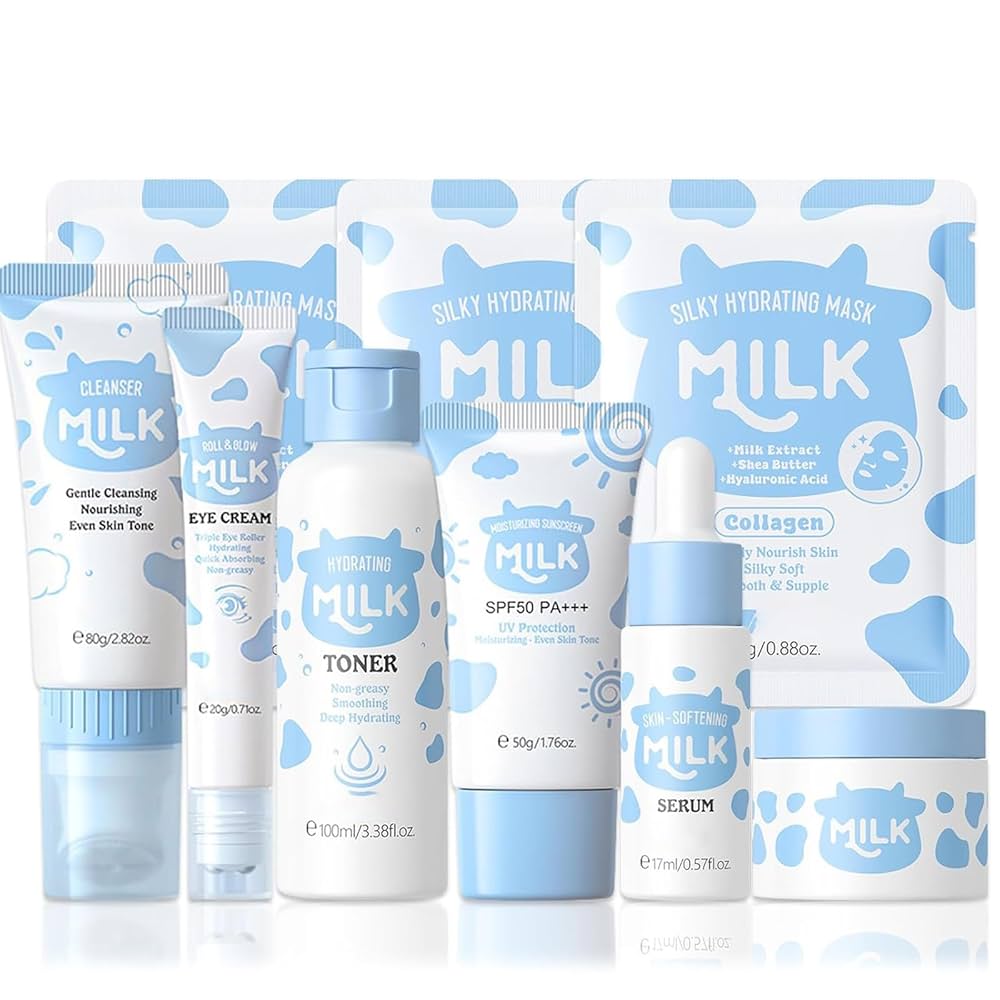
Credit: www.amazon.com
Healthy Habits For Glowing Skin
Helping your child develop healthy habits early can make a big difference in their skin’s appearance. Glowing skin isn’t just about creams and lotions—it’s about lifestyle choices that support overall skin health. Simple daily actions can protect and nourish your child’s skin from the inside out, setting a foundation for a lifetime of confidence and wellbeing.
Hydration And Diet
Water is your child’s best friend for keeping skin soft and clear. Encouraging them to drink enough water daily helps flush out toxins and keeps skin cells plump.
Nutrition also plays a key role. Foods rich in vitamins A, C, and E—like carrots, oranges, and spinach—help repair skin and protect it from damage.
Have you noticed how your child’s skin reacts after a sugary snack or a meal heavy in processed foods? These can sometimes cause breakouts or dullness. Try adding more fresh fruits and vegetables to their diet and watch their skin brighten up.
Sleep And Skin Health
Sleep isn’t just for rest; it’s when skin repairs itself. Kids need plenty of quality sleep to support this natural regeneration process.
When your child misses sleep, you might notice their skin looks tired or blotchy. Making a consistent bedtime routine can help improve both their sleep and skin.
Ask yourself—are your child’s sleep habits supporting their skin’s recovery? Even small changes, like reducing screen time before bed, can improve sleep quality significantly.
Limiting Screen Time
Excessive screen time exposes skin to blue light, which can contribute to dryness and irritation over time. Limiting screen usage can help protect your child’s skin from this invisible damage.
Encourage breaks during screen use—simple activities like stretching or playing outside help reduce exposure and boost overall health.
Have you tried setting specific screen-free times during the day? This not only benefits skin but also supports better sleep and emotional wellbeing.
Handling Skin Problems
Kids’ skin is delicate and needs gentle care, especially when problems arise. Handling skin issues early helps keep their skin healthy and comfortable. Understanding common problems and basic care steps makes a big difference.
Dealing With Dryness
Dry skin can cause itching and redness in children. Use mild, fragrance-free moisturizers to soothe and protect. Apply lotion right after bathing to lock in moisture. Avoid hot water; use lukewarm water for washing. Dress children in soft, breathable fabrics to prevent irritation.
Managing Rashes And Irritations
Rashes often appear from allergies, heat, or friction. Keep the affected area clean and dry. Use gentle, hypoallergenic soaps and avoid harsh chemicals. Cool compresses can reduce itching and swelling. Choose loose clothing to avoid rubbing on the rash. Watch for signs of infection like increased redness or pus.
When To See A Dermatologist
Some skin problems need expert care. Consult a dermatologist if:
- The rash or dryness worsens or lasts more than a week.
- There is severe itching or pain.
- Open sores or bleeding appear.
- Home treatments do not improve the condition.
Early professional advice prevents complications and speeds healing.

Credit: www.amazon.com
Encouraging Kids’ Skincare Routine
Encouraging a skincare routine for kids helps build healthy habits early. It teaches them how to care for their skin gently and regularly. Starting young makes it easier for kids to keep their skin clean and protected. The key is to keep the routine simple and enjoyable. This way, kids feel motivated to follow it every day.
Making It Fun
Turn skincare into a fun activity. Use colorful soaps and gentle, scented lotions. Let kids pick their own products with you. Use playful tools like soft washcloths or sponges shaped like animals. Sing songs or tell stories during the routine. This keeps kids interested and happy to participate.
Teaching Consistency
Help kids understand the importance of daily skincare. Set specific times, such as morning and bedtime. Use charts or stickers to track their progress. Praise their efforts to encourage regular habits. Keep products within easy reach to remind them. Consistency makes skincare a natural part of their day.
Frequently Asked Questions
What Is The Best Skincare Routine For Kids?
A simple routine includes gentle cleansing, moisturizing, and sun protection daily. Use products designed for sensitive skin. Avoid harsh chemicals and fragrances to keep skin healthy and hydrated.
How Often Should Kids Wash Their Face?
Kids should wash their face twice daily—morning and night. Use lukewarm water and a mild cleanser. This prevents dirt buildup and keeps skin fresh without over-drying.
Which Moisturizer Is Safe For Children’s Skin?
Choose fragrance-free, hypoallergenic moisturizers with natural ingredients. Look for products labeled for sensitive or pediatric use. These protect the skin barrier and prevent dryness without irritation.
When Should Kids Start Using Sunscreen?
Children should use sunscreen daily starting from infancy, especially when outdoors. Use broad-spectrum SPF 30 or higher. Reapply every two hours to protect against harmful UV rays.
Conclusion
Creating a skincare routine for kids is important. Their skin is sensitive and needs care. Gentle products work best. Always choose mild cleansers and moisturizers. Sunscreen is essential to protect young skin. Teach kids to wash their face daily. Make skincare a fun habit.
Consistency is key to healthy skin. Parents should guide and encourage this routine. Kids learn by watching adults. So, lead by example with your own skincare habits. Prioritizing skincare early helps ensure lifelong skin health. Remember, simple steps make a big difference.
Start today for happy and healthy skin!
