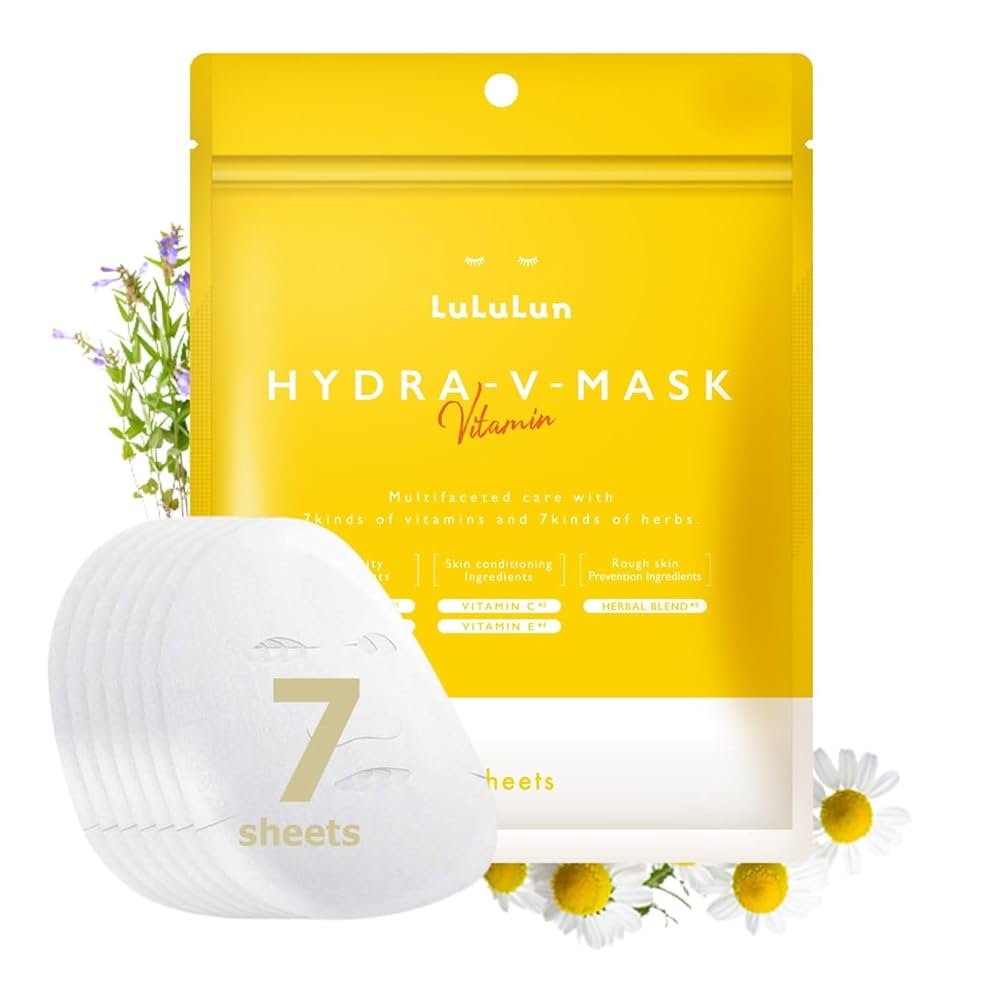
Are you looking for a simple way to refresh your skin and feel instantly glowing? Japanese face mask skin care might be the secret you’ve been missing.
These masks are designed to deeply nourish your skin, leaving it soft, clear, and hydrated. Imagine treating yourself to a mini spa session at home that actually works. Keep reading, and you’ll discover how these masks can transform your daily routine and give your skin the care it truly deserves.

Credit: www.amazon.com
Benefits Of Japanese Face Masks
Japanese face masks offer many benefits that improve skin health and appearance. Their unique formulas suit various skin types and needs. These masks deliver essential nutrients deeply and quickly.
Regular use helps maintain clear, fresh, and youthful skin. Below are some key benefits that make Japanese face masks popular worldwide.
Hydration Boost
Japanese face masks provide intense hydration to dry skin. They contain ingredients that lock moisture inside skin cells. This helps skin stay soft and plump throughout the day. Hydrated skin also looks smoother and more radiant.
Brightening Effects
These masks often include brightening agents like rice extract and vitamin C. They reduce dullness and uneven skin tone. Using them regularly can lighten dark spots and improve skin clarity. Your face appears fresher and more vibrant.
Soothing Ingredients
Many Japanese masks contain calming ingredients such as green tea and aloe vera. These soothe irritated or sensitive skin gently. They reduce redness and inflammation effectively. The skin feels comfortable and relaxed after each use.
Anti-aging Properties
Japanese face masks include antioxidants and collagen boosters. These help fight wrinkles and fine lines. They support skin elasticity and firmness. Over time, skin looks younger and healthier with regular care.
Types Of Japanese Face Masks
Japanese face masks come in various types, each designed to target different skin needs and preferences. Understanding these options helps you choose the perfect mask for your skincare routine. Let’s look at the most popular types and what makes them unique.
Sheet Masks
Sheet masks are thin fabrics soaked in nutrient-rich serums. They fit snugly on your face, delivering hydration and active ingredients directly to your skin.
I once tried a green tea sheet mask after a long day, and the instant cooling effect was refreshing. These masks are perfect when you want quick hydration and a boost of radiance.
Gel Masks
Gel masks have a lightweight, cooling texture that soothes irritated or sensitive skin. They often contain ingredients like aloe vera or hyaluronic acid, which calm and moisturize deeply.
Using a gel mask before bed helped calm my redness and left my skin feeling soft without any stickiness. If your skin tends to react easily, gel masks can be a gentle option.
Clay Masks
Clay masks pull out impurities and excess oil from your pores, making them ideal for oily or combination skin types. They often contain minerals that detoxify and tighten your skin.
After trying a volcanic ash clay mask, I noticed my skin felt cleaner and looked less shiny. If you struggle with breakouts or oily patches, clay masks can be a valuable part of your routine.
Sleeping Masks
Sleeping masks are designed to work overnight, locking in moisture while you rest. They have a thicker texture and create a protective layer to help your skin recover.
One night, I used a sleeping mask after a long flight, and my skin woke up plump and refreshed. If you want to wake up with hydrated skin without extra effort, sleeping masks are worth trying.
Key Ingredients To Look For
Japanese face masks often use natural ingredients to nourish and protect skin. These ingredients help improve hydration, reduce redness, and enhance skin texture. Choosing masks with key components can boost your skincare routine effectively.
Rice Extract
Rice extract is rich in vitamins and minerals that brighten skin. It helps fade dark spots and evens out skin tone. The gentle nature of rice extract makes it suitable for sensitive skin types.
Green Tea
Green tea contains antioxidants that fight free radicals. It soothes irritated skin and reduces inflammation. This ingredient also helps control oil production and prevents acne.
Hyaluronic Acid
Hyaluronic acid attracts moisture to the skin surface. It keeps skin plump and hydrated throughout the day. This ingredient is excellent for dry or dull skin.
Collagen
Collagen supports skin elasticity and firmness. It reduces the appearance of fine lines and wrinkles. Using collagen in masks helps maintain youthful skin texture.
Credit: www.amazon.com
Step-by-step Application Tips
Applying a Japanese face mask correctly can make all the difference in how your skin absorbs its nourishing ingredients. The right technique not only boosts effectiveness but also enhances your overall skincare experience. Let’s dive into precise steps to help you get the most out of each mask session.
Preparing Your Skin
Start with a clean face to remove dirt, oil, and makeup. Use a gentle cleanser and lukewarm water to open your pores slightly without over-drying your skin.
Pat your face dry with a soft towel—avoid rubbing, which can irritate your skin. If you want, apply a light toner to balance your skin’s pH and prep it for better absorption.
Have you ever noticed how a clean canvas affects the final look of a painting? Your skin is no different—it needs to be ready to fully benefit from the mask.
Proper Mask Placement
Gently unfold the mask and align it carefully with your eyes, nose, and mouth. Smooth it out to avoid air pockets which can block the essence from reaching your skin.
- Start from the forehead and press the mask downwards.
- Make sure edges stick well, especially around the chin and jawline.
- If you see excess serum in the package, save it for your neck or hands.
Have you ever tried adjusting a face mask multiple times? Resist the urge—constant repositioning can cause irritation and reduce the mask’s effectiveness.
Recommended Duration
Check the packaging for the suggested time, usually between 10 to 20 minutes. Leaving the mask on too long can dry out your skin as the sheet starts to reabsorb moisture.
Set a timer to keep track—it’s easy to get distracted and miss the ideal removal time. Listen to your skin: if it feels tight or uncomfortable, remove the mask sooner.
Post-mask Care
After removing the mask, gently pat any leftover essence into your skin—don’t rinse it off. Follow with a moisturizer to seal in hydration.
Consider adding a light facial massage to improve circulation and help the product penetrate deeper. Have you noticed how small rituals can make skincare feel more rewarding?
Finally, avoid applying makeup immediately to let your skin fully absorb the benefits. Your skin will thank you with a natural, healthy glow.
Creating A Glow-boosting Routine
Creating a glow-boosting routine with Japanese face masks enhances skin’s natural radiance. These masks hydrate deeply and improve texture over time. Combining them with other skincare steps creates lasting glow and softness.
Consistency matters. The right habits support skin’s health and help maintain a fresh, luminous look daily.
Mask Frequency
Use Japanese face masks two to three times a week for best results. Overuse can irritate skin and cause dryness. Follow the instructions on each mask carefully. Choose masks based on your skin type—hydrating masks for dry skin and brightening masks for dull skin.
Combining With Serums
Apply serums before using face masks to boost effects. Serums with vitamins C or E brighten and protect skin. Light serums absorb quickly, allowing masks to lock in moisture. After removing the mask, gently pat the remaining serum into skin for extra hydration.
Daily Hydration Habits
- Drink plenty of water to keep skin hydrated from inside.
- Use a gentle moisturizer every morning and night.
- Apply sunscreen daily to protect skin from damage.
- Avoid hot water, which can dry out skin.
- Use a humidifier in dry rooms to maintain skin moisture.
Common Mistakes To Avoid
Using Japanese face masks can transform your skincare routine, but certain mistakes can reduce their effectiveness or even harm your skin. Knowing what to avoid helps you get the best results without setbacks. Let’s look at some common errors that many people make and how you can steer clear of them.
Overusing Masks
Applying face masks every day might seem like a good idea, but it can actually irritate your skin. Your skin needs time to breathe and recover between treatments. Overusing masks can strip away natural oils, leading to dryness or breakouts.
Try limiting mask use to two or three times a week. Pay attention to how your skin reacts and adjust accordingly. Have you noticed more redness or sensitivity after daily masking? That’s a sign to scale back.
Ignoring Skin Type
Not all Japanese face masks are suitable for every skin type. Choosing a hydrating mask when you have oily skin may cause excess shine and clogged pores. On the other hand, using a deep-cleansing mask on dry skin can leave it feeling tight and flaky.
Identify your skin type first—dry, oily, combination, or sensitive—and select masks designed for it. Many brands label their masks clearly, so check the packaging. What does your skin really need right now?
Skipping Patch Tests
Even the gentlest Japanese masks can cause allergic reactions or irritation for some people. Skipping a patch test can lead to unpleasant surprises like redness, itching, or swelling. Testing a small amount on your wrist or behind your ear first helps you avoid full-face reactions.
Give the patch test 24 hours before applying the mask to your face. If any irritation appears, stop using the product immediately. Are you confident your new mask won’t cause a reaction without testing first?
Top Japanese Brands To Try
Japanese face mask skincare offers a perfect blend of tradition and innovation, making it a favorite worldwide. Choosing the right brand can change how your skin feels and looks after just a few uses. Here are some top Japanese brands you should consider adding to your skincare routine.
Popular Sheet Mask Brands
Sheet masks are a staple in Japanese skincare, known for their lightweight feel and powerful ingredients. Lululunis a standout brand, offering masks rich in hydrating ingredients like hyaluronic acid and collagen, perfect for daily use.
My Beauty Diaryis another popular choice, with a variety of masks targeting different skin concerns, from brightening to soothing sensitive skin. These brands focus on delivering moisture and nutrients efficiently.
Luxury Skincare Options
If you want to pamper your skin with high-end products, SK-IIoffers masks infused with Pitera™, a unique yeast extract that promotes skin renewal. Using their Facial Treatment Mask feels like a spa treatment at home, deeply nourishing your skin.
Shiseidoalso provides luxurious masks that combine advanced technology with natural ingredients, enhancing firmness and radiance. These options are perfect when you want to invest in your skin’s long-term health.
Affordable Favorites
Not every great mask has to be expensive. Hada Labodelivers excellent hydration with their sheet masks, focusing on simple but effective ingredients like super hyaluronic acid.
Senkaoffers affordable masks that still provide deep moisture and a refreshing feel, ideal for those new to Japanese skincare or on a budget. These brands prove you can achieve glowing skin without spending a fortune.

Credit: japanesetaste.com
Frequently Asked Questions
What Makes Japanese Face Masks Unique In Skincare?
Japanese face masks use natural ingredients like rice, green tea, and seaweed. They focus on hydration, brightening, and anti-aging benefits. The masks often have a lightweight, breathable texture that suits sensitive skin. Their formulations prioritize gentle, effective care without harsh chemicals.
How Often Should I Use Japanese Face Masks?
For best results, use Japanese face masks 2 to 3 times weekly. This frequency ensures deep hydration and skin nourishment without irritation. Overuse might overwhelm sensitive skin, while regular use helps maintain a healthy glow and improves skin texture over time.
Can Japanese Face Masks Help With Acne-prone Skin?
Yes, many Japanese face masks contain soothing and anti-inflammatory ingredients. They help calm redness and reduce excess oil without clogging pores. Look for masks with green tea, rice bran, or aloe vera for gentle acne care and improved skin clarity.
Are Japanese Face Masks Suitable For All Skin Types?
Japanese face masks are generally formulated for all skin types. They emphasize gentle hydration and calming effects, making them ideal for sensitive and dry skin. However, always check the ingredients to avoid personal allergens or irritants specific to your skin needs.
Conclusion
Japanese face masks offer a unique approach to skincare. They hydrate and nourish the skin deeply. Their natural ingredients suit all skin types. Consistent use can improve skin texture and glow. These masks are a vital part of Japanese beauty routines.
They provide an effective way to maintain healthy skin. Try incorporating them into your skincare regimen. Your skin will thank you for the extra care. Remember, healthy skin is beautiful skin. Embrace the benefits of Japanese face masks today. Enjoy the journey to radiant, smooth skin.
Your skin deserves the best care possible.
