
Have you ever wondered how to add a unique twist to your meals while keeping them healthy and delicious? Japanese Beancurd Skin might be the secret ingredient you’ve been missing.
This versatile, flavorful food is not only packed with nutrients but also offers endless cooking possibilities. If you’re curious about how to use it, what benefits it brings, and why it’s gaining popularity, keep reading. Your next favorite dish could be just a few steps away!
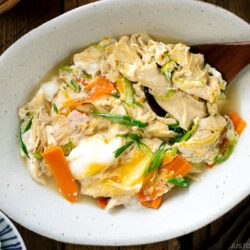
Credit: www.justonecookbook.com
What Is Japanese Beancurd Skin
Japanese Beancurd Skin, known as “yuba,” is a unique food product made from soy milk. It forms naturally as a thin film on the surface when soy milk is heated. This delicate skin is carefully lifted and dried for use in many dishes.
Yuba has a smooth texture and a mild, slightly nutty flavor. It is rich in protein and low in fat, making it a healthy choice. Chefs and home cooks enjoy its versatility in soups, salads, and stir-fries.
How Japanese Beancurd Skin Is Made
The process starts by heating fresh soy milk slowly. A thin layer forms on the surface during heating. This layer is gently lifted off and dried into sheets or sticks. These dried forms are then used in cooking.
Traditional And Modern Uses
Traditionally, yuba is used in Japanese Buddhist vegetarian meals. It adds texture and protein without meat. Today, it appears in many creative recipes worldwide. It can be rehydrated and cooked or eaten dried as a snack.
Health Benefits Of Yuba
- High in plant-based protein
- Low in calories and fat
- Contains essential amino acids
- Good source of iron and calcium
Where To Find Japanese Beancurd Skin
Yuba is available in Asian grocery stores and online. It comes dried or fresh. Fresh yuba has a soft texture, while dried yuba needs soaking before use. Some specialty markets offer ready-to-eat versions.

Credit: www.dreamstime.com
Nutritional Benefits
Japanese beancurd skin, also known as yuba, offers many health benefits. It is a popular ingredient in Japanese cuisine and is highly nutritious. People value it for its rich protein content and essential nutrients. Eating yuba supports a balanced diet and healthy lifestyle.
Yuba is made from soybeans, making it an excellent plant-based protein source. It contains important vitamins and minerals that help maintain good health. Its low calorie and low fat content make it a smart choice for weight management.
High Protein Content
Yuba is rich in protein, which helps build and repair muscles. It contains all nine essential amino acids. This makes it a complete protein source for vegetarians and vegans. Protein also supports energy levels and overall body function.
Rich In Vitamins And Minerals
Beancurd skin provides important vitamins like B vitamins and vitamin E. These vitamins help improve metabolism and skin health. It also contains minerals such as calcium, iron, and magnesium. These minerals support bone strength and blood health.
Low In Calories And Fat
Yuba has fewer calories than many other protein sources. Its low fat content makes it heart-friendly. It contains healthy unsaturated fats that support brain and heart health. This makes yuba an ideal food for weight control.
Contains Antioxidants
Yuba has antioxidants that fight free radicals in the body. These antioxidants help reduce inflammation and protect cells. Regular consumption can support overall wellness and reduce disease risk.
How To Prepare Beancurd Skin
Preparing Japanese beancurd skin properly is key to unlocking its delicate texture and subtle flavor. Whether you use it fresh or dried, handling it right can make a big difference in your dish’s final taste and mouthfeel. Let’s look at practical ways to soak, clean, and store this unique ingredient to keep it at its best.
Soaking And Cleaning Tips
Dried beancurd skin needs soaking before cooking to soften and become pliable. Use cool or room temperature water and soak it for about 20 to 30 minutes. Avoid hot water initially, as it can make the skin tough and harder to work with.
After soaking, gently rinse the beancurd skin under cold running water. This removes any residual impurities or dust from the drying process. If you notice any stubborn dirt, lightly rub the surface with your fingers, but be careful not to tear it.
Have you ever tried soaking it longer to see if the texture improves? Sometimes a second soak can make it even more tender, especially if you plan to roll or fold it in recipes.
Storage Guidelines
If you buy fresh beancurd skin, use it within a day or two for the best quality. Wrap it in a damp cloth and store it in the refrigerator to prevent drying out. Avoid sealing it tightly in plastic without moisture; this can cause it to become slimy.
Dried beancurd skin keeps well for months if stored properly. Keep it in an airtight container or sealed bag, placed in a cool, dark pantry. Moisture is the enemy here—any dampness can lead to mold or spoilage.
Do you know how much dried beancurd skin to soak at once? It’s best to only soak what you plan to use immediately, since re-drying soaked skin is difficult and affects quality.
Classic Japanese Recipes
Classic Japanese recipes featuring beancurd skin highlight the ingredient’s unique texture and ability to absorb flavors. These dishes show how simple ingredients can transform into comforting meals. You might be surprised how versatile beancurd skin can be in traditional cooking.
Simmered Beancurd Skin
Simmered beancurd skin is a gentle way to enjoy its soft yet chewy texture. The skin soaks up the broth, creating a savory experience with every bite. You can use a basic dashi broth with soy sauce, mirin, and a touch of sugar to balance the flavors.
Adding mushrooms or root vegetables enhances the dish’s depth without overpowering the beancurd skin. This recipe requires patience, allowing the skin to absorb the broth slowly over low heat. Have you ever tried simmering to develop flavors instead of quick cooking? It makes a noticeable difference.
Beancurd Skin Rolls
Beancurd skin rolls offer a creative way to combine ingredients and textures. The skin acts as a wrapper for fillings like minced meat, shrimp, or finely chopped vegetables. Once rolled, they can be steamed or pan-fried for a satisfying meal or snack.
Rolling the skin tightly is key to prevent the filling from escaping during cooking. You can experiment with dipping sauces, such as ponzu or a sweet chili sauce, to complement the rolls. What fillings would you try to make these rolls uniquely yours?
Creative Recipe Ideas
Japanese beancurd skin offers a versatile ingredient for creative dishes. Its unique texture absorbs flavors well. This makes it ideal for both fresh and cooked recipes. Explore simple ideas to bring out its best taste and texture.
Beancurd Skin Salad
Start with soaked beancurd skin, soft and tender. Cut into thin strips for easy eating. Mix with fresh cucumber slices and shredded carrots. Add chopped green onions and cilantro for freshness.
Prepare a light dressing with soy sauce, rice vinegar, and a touch of sesame oil. Toss all ingredients together gently. Serve chilled for a refreshing, healthy salad.
Stir-fried Beancurd Skin With Vegetables
Heat oil in a pan over medium heat. Add garlic and sliced bell peppers for aroma and color. Toss in soaked beancurd skin strips and stir well.
Include snap peas and mushrooms for extra crunch. Season with soy sauce and a pinch of sugar. Stir-fry until vegetables stay crisp and the skin absorbs flavor.
Serve hot with steamed rice for a satisfying meal.
Pairing Beancurd Skin With Other Ingredients
Japanese beancurd skin, also known as yuba, offers a unique texture and mild taste. Pairing it with the right ingredients enhances its flavor and makes dishes more exciting. It works well with both simple and bold flavors.
Its delicate nature absorbs sauces and spices, making it versatile. Cooking with vegetables, proteins, and seasonings creates balanced and tasty meals. Here are some great pairings to try.
Pairing Beancurd Skin With Vegetables
Fresh vegetables add crunch and color to dishes with beancurd skin. Lightly steamed greens like spinach and bok choy complement yuba’s soft texture. Mushrooms, especially shiitake, bring an earthy depth that pairs well.
- Carrots add sweetness and vibrant color.
- Bell peppers give a mild crunch and bright flavor.
- Snap peas add freshness and a slight snap.
Combining Beancurd Skin With Proteins
Proteins provide substance and richness to yuba dishes. Tofu and tempeh match its gentle taste and enhance texture variety. Thin slices of chicken or pork add savory flavor without overpowering.
- Shrimp or fish create light, healthy meals.
- Eggs in stir-fries or soups boost protein content.
- Ground meat works well in wrapped or rolled yuba recipes.
Using Sauces And Seasonings With Beancurd Skin
Beancurd skin soaks up sauces easily, making seasoning crucial. Soy sauce and mirin add umami and slight sweetness. Ginger and garlic offer aromatic warmth that lifts the dish.
- Sesame oil adds a nutty, rich finish.
- Chili flakes or paste provide gentle heat.
- Rice vinegar brings a touch of acidity and balance.
Tips For Buying Quality Beancurd Skin
Buying quality Japanese beancurd skin can transform your cooking experience. Knowing what to look for saves you from disappointment and ensures you enjoy its delicate texture and rich flavor. Here are some practical tips that help you pick the best beancurd skin every time.
Check The Color And Texture
Look for beancurd skin that is pale yellow or ivory in color. Avoid anything too dark or with uneven patches, as this could indicate poor quality or spoilage.
Feel the texture—good beancurd skin should be thin but firm, not brittle or overly soft. This balance guarantees it holds up well when cooked.
Inspect For Cleanliness And Packaging
Ensure the packaging is sealed properly with no tears or holes. This keeps the product fresh and free from contamination.
Check for any visible dirt or foreign particles inside the package. Cleanliness reflects good manufacturing standards.
Consider The Origin And Brand Reputation
Japanese beancurd skin from trusted brands or specialty stores often guarantees higher quality. Ask yourself where the product comes from and if the seller has good reviews.
Sometimes, local Asian markets have hidden gems. Don’t hesitate to ask store staff for recommendations based on their experience.
Look For Freshness Indicators
Fresh beancurd skin should have a mild soy aroma—strong or off-putting smells are a red flag.
Check the expiration date carefully. Even if the product looks good, expired beancurd skin can ruin your dish’s flavor and texture.
Buy In Small Quantities To Test
If you’re trying a new brand or store, buy a small amount first. This lets you test its quality without wasting money.
Once you find a product that meets your standards, buying in larger quantities becomes more reliable and economical.

Credit: www.amazon.ca
Frequently Asked Questions
What Is Japanese Beancurd Skin?
Japanese Beancurd Skin, or yuba, is a thin tofu layer formed during soy milk heating. It’s rich in protein and used in Japanese cuisine.
How Is Beancurd Skin Made In Japan?
It’s made by gently heating soy milk. A delicate film forms on top, which is carefully lifted off and dried.
What Are The Culinary Uses Of Beancurd Skin?
Beancurd Skin is versatile. It’s used in soups, salads, wraps, and stir-fries for its texture and nutritional benefits.
Is Japanese Beancurd Skin Healthy?
Yes, it is low in fat and high in protein. It also contains essential amino acids and minerals.
Conclusion
Japanese beancurd skin offers a delightful taste and texture. It’s versatile and easy to cook. You can add it to soups, stir-fries, or salads. Its subtle flavor complements many dishes. This simple ingredient brings a unique touch to meals. Enjoy experimenting with different recipes.
Your taste buds will thank you. Whether you’re a seasoned chef or a cooking newbie, beancurd skin is worth trying. Embrace its culinary possibilities. You might discover a new favorite dish. Dive into the world of Japanese cuisine with beancurd skin.
It’s a journey full of flavors.
