
Are you wondering if vitamin C serum is really good for your skin? You’ve probably seen it everywhere—from beauty ads to skincare shelves—but does it live up to the hype?
Imagine having brighter, smoother skin that glows with health. What if one simple step could help reduce dark spots, fight wrinkles, and protect your skin from daily damage? Keep reading to discover how vitamin C serum might be the game-changer your skincare routine needs.
Your skin deserves the best, and understanding this powerful ingredient could be the key to unlocking its true potential.
Benefits Of Vitamin C Serum
Vitamin C serum offers a range of benefits that can transform your skin’s health and appearance. It’s more than just a trendy skincare product; it actively supports your skin’s natural processes. Understanding these benefits can help you decide if adding vitamin C serum to your routine is right for you.
Boosts Collagen Production
Vitamin C plays a key role in collagen synthesis, which is essential for maintaining skin’s firmness and elasticity. Using a vitamin C serum regularly can help reduce the appearance of fine lines and wrinkles by supporting your skin’s natural structure. Have you noticed your skin feeling less plump lately? This might be the boost it needs.
Fights Free Radicals
Every day, your skin faces damage from pollution, UV rays, and stress. Vitamin C is a powerful antioxidant that neutralizes free radicals, which are unstable molecules that cause premature aging. Applying vitamin C serum can help protect your skin from this invisible damage and keep it looking healthier over time.
Brightens Skin Tone
If you struggle with dull or tired-looking skin, vitamin C serum can bring back your natural glow. It works by inhibiting melanin production, which leads to a brighter and more even complexion. Imagine starting your day with skin that looks refreshed and radiant—this is achievable with consistent use.
Reduces Hyperpigmentation
Dark spots and uneven skin tone can be frustrating to manage. Vitamin C helps fade hyperpigmentation by blocking excess melanin formation and promoting skin cell turnover. Many users find that regular application reduces the intensity of dark spots, making skin appear smoother and more uniform.

Credit: www.amazon.com
How Vitamin C Serum Works
Understanding how Vitamin C serum works can change the way you care for your skin. It’s not just another product on the shelf; it actively interacts with your skin’s biology. Let’s dive into the key ways it benefits your skin daily.
Antioxidant Properties
Vitamin C is a powerful antioxidant that fights free radicals. These harmful molecules come from pollution, UV rays, and stress, causing skin damage and premature aging.
By neutralizing free radicals, Vitamin C helps protect your skin cells and keeps your complexion looking fresh and healthy. Think of it as a shield that defends your skin from environmental harm.
Role In Skin Repair
Vitamin C plays a crucial role in collagen production, a protein that keeps your skin firm and elastic. As you age, collagen naturally decreases, leading to wrinkles and sagging.
Applying Vitamin C serum regularly can stimulate collagen growth, helping to repair damage and reduce fine lines. Have you noticed your skin feeling smoother or more resilient after using it?
Enhancing Sun Protection
While Vitamin C isn’t a sunscreen, it boosts your skin’s defense against UV damage. It reduces inflammation and redness caused by sun exposure.
Using Vitamin C serum alongside sunscreen can improve your overall sun protection strategy. This combination helps prevent sunspots and uneven skin tone more effectively.
Choosing The Right Vitamin C Serum
Choosing the right Vitamin C serum can make a big difference in how your skin responds. Not all serums are created equal, and understanding what to look for helps you avoid wasting money on products that don’t work. Let’s break down the key factors to consider so you can pick a serum that truly benefits your skin.
Types Of Vitamin C
Vitamin C comes in different forms, each with its own benefits and stability. The most common type is L-ascorbic acid, known for its strong antioxidant power but can be irritating for sensitive skin.
Other forms like magnesium ascorbyl phosphate or sodium ascorbyl phosphate are gentler and more stable but might not deliver the same immediate results. Think about your skin’s sensitivity and goals before choosing a type.
Concentration Levels
The strength of Vitamin C in a serum affects both its effectiveness and how your skin reacts. Concentrations between 10% and 20% are usually ideal for most people, offering visible benefits without too much irritation.
If you’ve never used Vitamin C before, starting with a lower concentration can help your skin get used to it. Ask yourself: Are you looking for quick brightening or gentle maintenance? That will guide your choice.
Packaging And Stability
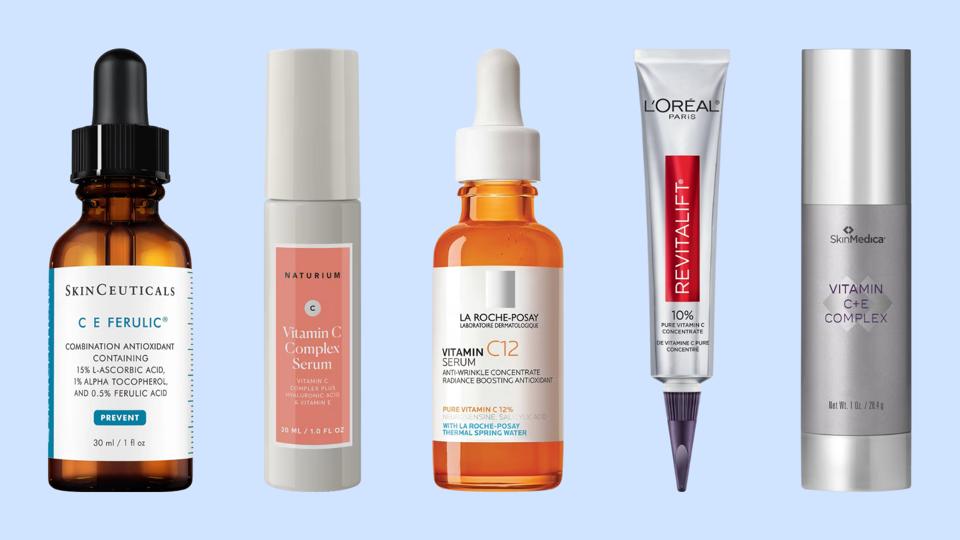
Vitamin C oxidizes quickly when exposed to air and light, losing its potency. Look for serums in dark or opaque bottles with airtight pumps to keep the formula stable.
Have you ever bought a Vitamin C serum that turned brown? That’s a sign it’s oxidized and less effective. Proper packaging ensures you get the full benefits every time you use it.
Tips For Using Vitamin C Serum
Using vitamin C serum correctly can boost its benefits for your skin. Simple tips help you get the best results. Careful application, product mixing, and timing are key to success.
Application Techniques
- Start with clean, dry skin for better absorption.
- Use a few drops, not too much serum.
- Gently pat the serum on your face with fingertips.
- Avoid rubbing to prevent irritation.
- Focus on areas with dark spots or uneven tone.
Combining With Other Products
- Use vitamin C serum before moisturizer.
- Avoid mixing with products that have strong acids or retinol.
- Apply sunscreen after vitamin C in the morning.
- Layer with gentle hydrating products for better results.
- Test new combinations on a small skin patch first.
Frequency And Timing
- Apply vitamin C serum once or twice daily.
- Morning use helps protect skin from sun damage.
- Evening use supports skin repair overnight.
- Start slowly to check skin tolerance.
- Increase use as your skin adjusts to the serum.
Potential Side Effects And Precautions
Vitamin C serum offers many skin benefits, but it’s important to know about possible side effects and take precautions. Understanding how your skin might react can help you avoid discomfort and get the best results. Let’s look at what you should watch out for before adding this serum to your routine.
Common Reactions
Some people experience mild irritation when they first use vitamin C serum. This can include redness, itching, or a slight burning sensation. These reactions often happen because the skin is adjusting to the acidity of the serum.
If you notice persistent redness or swelling, it’s a sign to stop using the product and consult a dermatologist. Remember, not all reactions mean the serum is bad for your skin—sometimes, it just needs time to adapt.
Who Should Avoid It
Vitamin C serum may not be suitable for everyone. If you have very sensitive skin or conditions like eczema or rosacea, the serum could worsen irritation. People allergic to any ingredient in the serum should also avoid it.
Pregnant or breastfeeding women should check with a healthcare provider before using vitamin C serum. Your skin changes during these times, and what worked before might cause issues now.
Patch Testing Importance
Patch testing is a simple step that can save you from unwanted reactions. Apply a small amount of serum on your inner forearm and wait 24 hours to see if any irritation develops.
This test helps you understand how your skin will respond without risking your entire face. Have you tried patch testing before? It could be the key to safely enjoying the benefits of vitamin C.
Credit: www.forbes.com
Vitamin C Serum Vs Other Skincare Ingredients
Vitamin C serum stands out among many skincare ingredients for its unique benefits. It brightens skin, fights free radicals, and supports collagen production. Comparing it to other common ingredients helps understand its role better. Each ingredient has strengths that complement or enhance Vitamin C’s effects.
Vitamin C And Retinol
Vitamin C and retinol both improve skin texture and tone. Vitamin C works as an antioxidant, protecting skin from damage. Retinol speeds up cell turnover, reducing wrinkles and fine lines. Using both can boost skin renewal and brightness. They may cause irritation if used together directly. Applying Vitamin C in the morning and retinol at night is a safe approach.
Vitamin C And Hyaluronic Acid
Vitamin C brightens and evens skin tone. Hyaluronic acid deeply hydrates and plumps skin. Together, they create a balanced skincare routine. Vitamin C can sometimes dry the skin slightly. Hyaluronic acid counteracts this by locking in moisture. Applying hyaluronic acid after Vitamin C helps keep skin soft and smooth.
Vitamin C And Sunscreens
Vitamin C helps protect skin from free radical damage caused by UV rays. Sunscreens block harmful UV rays physically or chemically. Using Vitamin C serum under sunscreen enhances sun protection. It strengthens the skin’s defense system against sun damage. Sunscreen alone does not provide antioxidant benefits. Vitamin C adds an extra layer of protection and skin repair support.
Real Results And User Experiences
Seeing real results from a vitamin C serum can be a game-changer for your skincare routine. Many users share their journeys, showing how consistent use affects their skin’s texture, brightness, and overall health. Let’s look at what these experiences reveal and how experts back them up.
Before And After Effects
Users often notice a visible difference in skin tone within just a few weeks. Dark spots and uneven patches tend to fade, revealing a more radiant complexion. Some report smoother skin and fewer fine lines, which encourages them to keep using the serum daily.
One common story is how dull skin turns noticeably brighter. This change isn’t just about looks; it boosts confidence too. Have you ever wondered how a simple addition like vitamin C serum could refresh your skin’s natural glow?
Expert Opinions
Dermatologists highlight vitamin C’s role in collagen production and protection against environmental damage. They recommend serums with stable forms of vitamin C to ensure effectiveness. Experts also point out that combining vitamin C with sunscreen enhances skin defense.
Skincare professionals emphasize patch testing before full use to avoid irritation. They agree that patience is key—results improve over time rather than overnight. Do you know which type of vitamin C serum suits your skin best?
Long-term Benefits
Regular use of vitamin C serum can lead to lasting improvements in skin firmness and elasticity. It helps reduce signs of aging by protecting skin cells from free radicals. Over months, many users see fewer wrinkles and a healthier skin barrier.
Long-term commitment to vitamin C serum often reduces redness and calms skin sensitivity. This makes it a valuable addition for those with reactive skin types. Are you ready to invest in a skincare habit that pays off over time?

Credit: www.lightupbeauty.com
Frequently Asked Questions
What Are The Benefits Of Vitamin C Serum?
Vitamin C serum is known for its antioxidant properties. It brightens the skin, reduces wrinkles, and improves skin texture. Regular use can also help fade hyperpigmentation and protect against sun damage. Its anti-inflammatory properties aid in reducing redness and irritation, promoting healthier skin.
How Often Should You Apply Vitamin C Serum?
For optimal results, apply Vitamin C serum once daily. Morning application is recommended to protect the skin from daily environmental stressors. Make sure to follow it with sunscreen to enhance protection. Consistent use can maximize its skin-enhancing benefits.
Can Vitamin C Serum Cause Skin Irritation?
Some people may experience mild irritation with Vitamin C serum. It’s crucial to introduce it gradually to your skincare routine. Start with a lower concentration and perform a patch test. If irritation persists, consult a dermatologist for personalized advice.
Does Vitamin C Serum Suit All Skin Types?
Vitamin C serum is generally suitable for most skin types. However, those with sensitive skin should start with a lower concentration. It’s always best to conduct a patch test first. If there are concerns, consulting a dermatologist can provide tailored recommendations.
Conclusion
Vitamin C serum helps brighten and protect your skin. It supports collagen and reduces dark spots. Many people see smoother, healthier skin with regular use. Choose a serum with stable ingredients and use sunscreen daily. Remember, results take time and patience.
Simple steps can improve your skin’s look and feel. Give your skin the care it needs. Vitamin C serum can be a good addition to your routine.
