Are you tired of looking in the mirror and seeing those stubborn acne scars that just won’t fade away? You’re not alone.
Acne scars can be a frustrating reminder of past breakouts, often affecting your confidence and how you feel about your skin. But what if there was a solution that could help you regain your clear, smooth complexion? Enter Panoxyl—a product that’s been buzzing in the skincare community.
But is Panoxyl really good for acne scars? In this blog post, we’ll uncover the truth behind this popular treatment. You’ll learn whether Panoxyl can be your secret weapon against acne scars and how it fits into your skincare routine. Keep reading to discover if this might be the answer you’ve been searching for!

Credit: panoxyl.com
What Is Panoxyl?
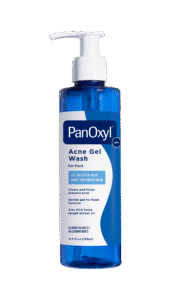
Panoxyl is a popular skincare product often used for acne treatment. It contains active ingredients designed to clear pores and reduce acne. Many people wonder if Panoxyl can also help with acne scars. Understanding what Panoxyl is and how it works helps answer this question.
This section explains the key ingredients in Panoxyl and its action against acne.
Key Ingredients
- Benzoyl Peroxide: The main active ingredient. It kills acne-causing bacteria.
- Glycerin: Helps keep the skin moisturized and prevents dryness.
- Other ingredients: Mild cleansing agents to remove dirt and oil.
How It Works On Acne
Panoxyl works by targeting bacteria under the skin. Benzoyl Peroxide breaks down the bacteria that cause acne. It also helps remove dead skin cells and unclog pores.
By reducing acne, Panoxyl lowers the chance of new scars forming. It does not directly remove existing scars but improves skin health over time.

Credit: www.walmart.ca
Panoxyl And Acne Scars
Panoxyl is widely known for its powerful acne-fighting abilities, but many wonder if it can help with the stubborn marks acne leaves behind. Acne scars can be frustrating reminders of past breakouts, affecting your confidence and skin texture. Understanding how Panoxyl interacts with different types of acne scars can help you decide if it’s the right choice for your skincare routine.
Types Of Acne Scars
Not all acne scars are the same. They fall into several categories, each with unique characteristics:
- Atrophic Scars:These are sunken or depressed scars caused by tissue loss. Common types include ice pick, boxcar, and rolling scars.
- Hypertrophic Scars:Raised scars that form due to excess collagen during healing.
- Post-Inflammatory Hyperpigmentation:Dark spots left behind after acne heals, not true scars but discolorations.
Knowing your scar type is essential because treatments vary in effectiveness depending on the scar’s nature.
Effectiveness On Different Scars
Panoxyl contains benzoyl peroxide, a strong antibacterial agent that targets acne-causing bacteria and reduces inflammation. This ingredient is excellent for preventing new breakouts but has limited ability to repair existing scar tissue.
For post-inflammatory hyperpigmentation, Panoxyl can help by promoting skin turnover and reducing inflammation, which may lighten dark spots over time. However, for atrophicand hypertrophic scars, it’s less effective since these scars involve structural skin changes that benzoyl peroxide cannot reverse.
If you have deep pitted scars, treatments like microneedling, laser therapy, or chemical peels might be necessary. Panoxyl can be part of your routine to keep acne at bay, preventing more scars, but it won’t erase old ones on its own.
Have you noticed your acne scars fading with consistent Panoxyl use, or do you need to combine it with other treatments? Your experience could guide others in choosing their skincare path.
Using Panoxyl Safely
Using Panoxyl safely is key to treating acne scars effectively. This product contains benzoyl peroxide, which can clear acne but might irritate the skin if misused. Proper use helps reduce risks and improves results. Follow simple guidelines to protect your skin while benefiting from Panoxyl.
Application Tips
- Start with a small amount to test skin sensitivity.
- Apply only on clean, dry skin to avoid irritation.
- Use a thin layer on affected areas, not the whole face.
- Limit use to once or twice a day, based on skin tolerance.
- Avoid contact with eyes, lips, and open wounds.
- Use moisturizer to reduce dryness and peeling.
- Wear sunscreen daily; Panoxyl can increase sun sensitivity.
- Stop use if severe redness or swelling occurs.
Possible Side Effects
- Skin dryness and peeling are common at the start.
- Redness and mild burning may happen during initial use.
- Severe irritation is rare but requires stopping the product.
- Allergic reactions may cause itching or swelling.
- Discoloration of hair or fabrics can occur from benzoyl peroxide.
- Consult a doctor if side effects worsen or persist.

Credit: www.walmart.ca
Alternatives For Scar Treatment
Dealing with acne scars can be frustrating, especially when you want clear, smooth skin fast. While Panoxyl is popular for fighting acne itself, its effects on scars are limited. If you’re looking to fade those marks, there are other options worth considering that target scars more directly.
Topical Treatments
Topical treatments offer an accessible way to improve the appearance of acne scars from home. Ingredients like silicone gels, vitamin C serums, and retinoids are known to boost skin renewal and even out texture.
Silicone gels help by creating a protective barrier that locks in moisture, which can soften raised scars over time. Vitamin C serums not only brighten your skin but also encourage collagen production, which is key for repairing scar tissue.
Retinoids speed up cell turnover, helping to fade discoloration and smooth rough skin. Have you tried layering these products carefully? Sometimes combining them in a routine can give better results than using just one.
Professional Procedures
If you want faster or more dramatic results, professional treatments can be effective. Options like microneedling, chemical peels, and laser therapy work by stimulating deeper skin repair mechanisms.
- Microneedling:Tiny needles create micro-injuries, prompting your skin to produce new collagen and elastin. Many people see noticeable texture improvement after a few sessions.
- Chemical Peels:These remove the top layers of damaged skin, revealing fresher skin underneath. Different peel strengths target different scar depths.
- Laser Therapy:Lasers can resurface skin or target pigment to reduce redness and discoloration. This treatment requires some downtime but often delivers significant improvement.
Which professional option fits your budget and comfort level? Consulting with a dermatologist can help you choose the best path tailored to your skin’s needs.
Real User Experiences
Hearing directly from those who have used Panoxyl gives you a clearer picture of its effects on acne scars. Real user experiences reveal both the benefits and the hurdles you might face. These stories help set realistic expectations for your own skincare journey.
Success Stories
Many users report noticeable improvements in their acne scars after consistent use of Panoxyl. One user shared that after six weeks, their red marks faded significantly, making their skin look smoother and more even-toned. Another mentioned how the benzoyl peroxide in Panoxyl helped clear active acne quickly, preventing new scars from forming.
People often praise the product for reducing inflammation and speeding up healing time. Some highlight that combining Panoxyl with gentle moisturizers helped maintain skin balance, preventing dryness while still fading scars. Could adjusting your routine similarly improve your results?
Common Challenges
While success stories are encouraging, some users experience irritation or excessive dryness. A few reported peeling skin or redness, especially during the first couple of weeks. These side effects can make sticking to the routine difficult and might even discourage continued use.
Another common issue is that Panoxyl may not work equally well for all types of acne scars. Some users found it less effective on deep, pitted scars compared to surface discoloration. This raises the question: is Panoxyl enough on its own, or should you combine it with other treatments?
- Start slowly to monitor how your skin reacts
- Use a moisturizer to combat dryness
- Consult a dermatologist if irritation persists
Listening to these experiences can guide you in deciding if Panoxyl fits your skin’s needs and how to use it wisely for better results.
Combining Treatments For Better Results
Combining different acne scar treatments can lead to better and faster results than relying on a single product alone. Using Panoxyl alongside other methods can target scars from multiple angles, improving your skin’s texture and appearance more effectively. But how do you blend these treatments safely and efficiently to avoid irritation and maximize benefits?
Skincare Routine Integration
Adding Panoxyl to your skincare routine requires balance. Since Panoxyl contains benzoyl peroxide, it can dry out your skin if used with other harsh products. You might want to use it only once a day or alternate it with gentler moisturizers and serums.
Try pairing Panoxyl with:
- A soothing moisturizer to prevent dryness
- Sunscreen to protect sensitive skin from UV damage
- Non-comedogenic products to avoid clogging pores
Have you noticed that some products make your skin flaky or red? That might mean you need to adjust your routine or give your skin time to get used to the new regimen.
Consulting Dermatologists
Your skin’s needs are unique, so consulting a dermatologist can make a big difference. A professional can guide you on how to combine Panoxyl with other treatments like chemical peels, microneedling, or prescription creams safely.
They can also help identify if your scars require more intensive procedures beyond over-the-counter options. Have you ever tried self-treating scars only to end up with more irritation? A dermatologist’s advice can prevent that and save you time.
Remember, combining treatments is about smart layering and timing, not piling on every product you find. Your skin will thank you for thoughtful care.
Frequently Asked Questions
What Is Panoxyl And How Does It Work For Acne Scars?
Panoxyl is a benzoyl peroxide-based treatment. It helps reduce acne by killing bacteria and unclogging pores. While it targets active acne, it may help fade mild acne scars by improving skin texture over time.
Can Panoxyl Effectively Reduce Acne Scars?
Panoxyl primarily treats active acne, not scars. It may help lighten some post-acne marks but is less effective on deep scars. For significant scar reduction, treatments like retinoids or professional procedures are recommended.
How Should I Use Panoxyl For Best Results On Scars?
Use Panoxyl once or twice daily on clean skin. Start with a lower concentration to minimize irritation. Consistent use may improve skin texture and reduce mild discoloration linked to acne scars.
Are There Any Side Effects Of Using Panoxyl?
Common side effects include dryness, redness, and peeling. These effects are usually mild and temporary. Avoid excessive sun exposure and use moisturizer to reduce irritation while using Panoxyl.
Conclusion
Panoxyl can help reduce acne scars over time. Its active ingredients work to clear pores and fade marks. Consistent use and patience are important for best results. Keep your skin clean and moisturized while using it. Remember, everyone’s skin reacts differently to treatments.
Consult a dermatologist if scars persist or worsen. Healthy skin habits support faster healing and scar improvement. Panoxyl offers a simple option for those battling acne scars.
