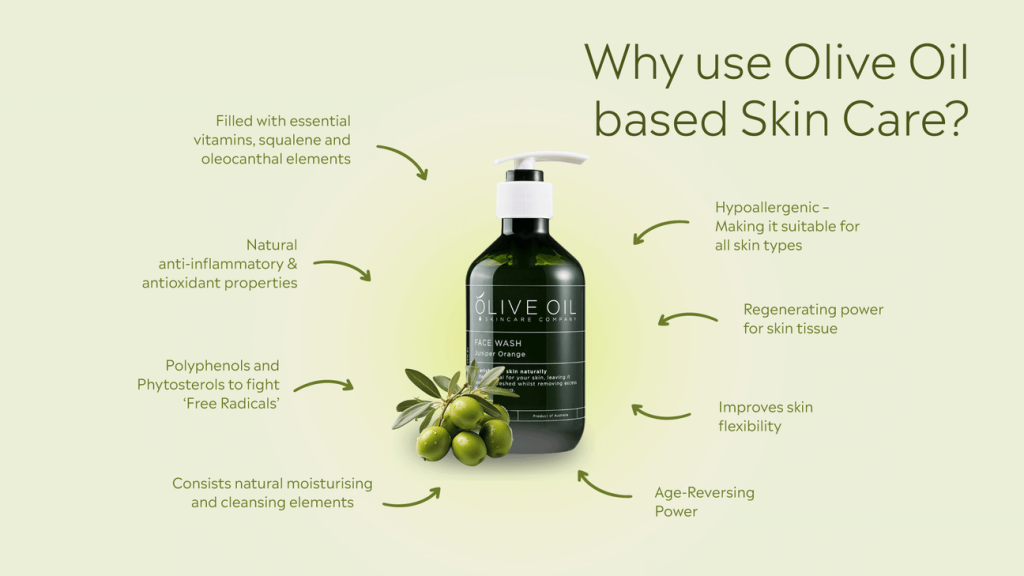
Have you ever wondered if olive oil could be the secret ingredient your skin has been longing for? Imagine unlocking the potential of this golden elixir, which has been cherished for centuries.
Olive oil isn’t just a kitchen staple; it could be the answer to your skincare dreams. As you read on, you’ll discover why many people swear by its benefits. Could it be the natural solution you’ve been searching for? By the end of this article, you might be reaching for that bottle in your pantry with a renewed perspective.
Ready to uncover the truth about olive oil and your skin? Let’s dive in.

Credit: www.amazon.in
Benefits For Skin Hydration
Olive oil has been used for centuries to nourish the skin. Its benefits for skin hydration make it a popular natural choice. The oil helps keep the skin soft and smooth by locking in moisture. It also supports the skin’s natural barrier, preventing water loss and dryness.
Natural Moisturizing Properties
Olive oil contains fatty acids that deeply moisturize the skin. These fats help to repair dry, cracked skin and maintain softness. It absorbs easily without leaving a greasy feeling. Olive oil also contains antioxidants that protect skin cells from damage.
Protection Against Dryness
Applying olive oil forms a protective layer on the skin. This layer reduces moisture loss and shields the skin from harsh weather. It soothes irritation and calms redness caused by dryness. Regular use helps keep skin hydrated longer and prevents flakiness.
Antioxidant Effects
The antioxidant effects of olive oil make it a valuable addition to your skincare routine. Rich in compounds like vitamin E and polyphenols, olive oil helps protect your skin from harmful molecules. These antioxidants work actively to maintain your skin’s health and appearance.
Fighting Free Radicals
Free radicals are unstable molecules that damage your skin cells, leading to dullness and irritation. Olive oil’s antioxidants neutralize these harmful molecules before they cause trouble. When I started applying olive oil to my skin, I noticed less redness and a smoother texture within weeks.
Using olive oil regularly can help reduce the impact of environmental stressors like pollution and UV rays. Are you protecting your skin against these invisible threats every day?
Reducing Signs Of Aging
Antioxidants in olive oil slow down the breakdown of collagen, the protein that keeps your skin firm and elastic. This means fewer wrinkles and fine lines over time. People who use olive oil often report a more youthful glow and softer skin texture.
Adding a small amount of olive oil to your nighttime skincare can make a difference. Would you like to see visible improvements in your skin’s firmness and smoothness without expensive treatments?
Anti-inflammatory Qualities
Olive oil contains natural compounds that reduce inflammation in the skin. These anti-inflammatory qualities help calm redness and swelling. Using olive oil on the skin can ease discomfort and promote healing.
Soothing Irritated Skin
Olive oil gently soothes irritated skin by lowering inflammation. It helps reduce redness caused by dryness or exposure to harsh elements. Applying olive oil can create a protective barrier that keeps skin calm and comfortable.
Helping With Skin Conditions
Many skin conditions involve inflammation and redness. Olive oil’s anti-inflammatory properties can ease symptoms of eczema, psoriasis, and dermatitis. It helps reduce itching and swelling, improving skin’s overall appearance and feel.
Nutrient-rich Composition
Olive oil contains many nutrients that benefit the skin deeply. These nutrients help protect the skin and keep it healthy. The rich composition makes olive oil a popular choice for skincare routines. It nourishes the skin and supports its natural functions.
Vitamins And Fatty Acids
Olive oil is full of vitamins like vitamin E and vitamin K. Vitamin E acts as an antioxidant, fighting off damage from the environment. Vitamin K helps with healing and reducing dark circles under the eyes.
The oil also contains fatty acids such as oleic acid. These fatty acids help keep the skin soft and hydrated. They create a barrier that locks moisture in the skin.
Supporting Skin Repair
The nutrients in olive oil aid skin repair and regeneration. Antioxidants protect skin cells from damage caused by free radicals. This helps slow down the signs of aging.
Fatty acids also support the skin’s ability to heal wounds and reduce inflammation. Using olive oil can improve the skin’s texture and strength. It helps maintain a smooth and healthy appearance.
Ways To Use Olive Oil On Skin
Olive oil offers a natural and versatile way to care for your skin. Whether you want to moisturize, soothe, or even brighten your complexion, there are simple ways to apply it that can fit into your daily routine. Let’s look at practical approaches to using olive oil on your skin that deliver real benefits.
Direct Application Tips
Applying olive oil directly to your skin can be surprisingly effective. Use a small amount—just a few drops warmed between your palms—and gently massage it into your face or body. This helps lock in moisture without feeling greasy.
Try applying it right after a shower when your skin is still damp. This enhances absorption and keeps your skin soft longer. If you have dry patches, focus the oil there and give it a little extra massage.
Wondering about sensitivity? Test on a small patch before using it widely. Pure extra virgin olive oil is usually gentle, but a quick patch test can save you from irritation.
Mixing With Other Ingredients
Olive oil blends well with other natural ingredients, creating customized skincare treatments. Mix it with honey to make a hydrating mask that calms redness and adds glow.
You can also combine olive oil with sugar or sea salt for an easy exfoliating scrub. This removes dead skin cells and leaves your skin feeling smooth. Just be gentle to avoid over-exfoliating.
Have you tried adding a few drops of olive oil to your regular moisturizer? It boosts hydration and gives your skin an extra layer of protection against dryness. Experimenting with these mixes can help you find what your skin loves most.
Potential Risks And Precautions
Using olive oil on the skin offers benefits but also carries some risks. Knowing these risks helps you use it safely. Careful use can prevent unwanted effects and keep your skin healthy.
Allergic Reactions
Some people may develop allergic reactions to olive oil. Symptoms include redness, itching, or swelling. Testing a small skin patch before full use reduces risk. Stop using olive oil if irritation occurs. Seek medical advice for severe reactions.
Avoiding Pore Clogging
Olive oil is thick and can clog pores for some skin types. This may lead to acne or blackheads. Those with oily or acne-prone skin should be cautious. Use olive oil sparingly or as a nighttime treatment. Cleanse skin thoroughly after use to avoid buildup.
Comparing Olive Oil With Other Oils
Olive oil stands out among many oils used for skin care. It has natural compounds that nourish and protect the skin. Comparing it with other oils helps understand its unique qualities.
Each oil has a different mix of vitamins, fatty acids, and antioxidants. These differences affect how the oil works on various skin types. Knowing these details guides better skin care choices.
Benefits Over Synthetic Products
Olive oil is natural and free from harsh chemicals. It soothes skin without causing irritation. Synthetic products often contain artificial additives that can dry or harm skin.
Natural olive oil offers antioxidants like vitamin E. These help fight skin damage from pollution and sun. It also keeps skin soft and hydrated longer than many synthetic creams.
Unlike synthetic oils, olive oil absorbs well and does not clog pores. This reduces the chance of breakouts and skin problems.
Best Oils For Different Skin Types
| Skin Type | Recommended Oil | Reason |
|---|---|---|
| Dry Skin | Olive Oil | Deep hydration and rich antioxidants |
| Oily Skin | Jojoba Oil | Mimics skin’s natural oils, non-greasy |
| Sensitive Skin | Chamomile Oil | Calms irritation and reduces redness |
| Combination Skin | Grapeseed Oil | Lightweight and balances oil production |
Olive oil suits dry and normal skin best. For oily skin, lighter oils prevent extra shine. Sensitive skin needs gentle, calming oils to avoid reactions.
Choosing the right oil depends on skin needs. Olive oil is a great choice for many but not all skin types.
Credit: zagodaoliveoil.com

Credit: www.silkrute.com
Frequently Asked Questions
Is Olive Oil Beneficial For All Skin Types?
Olive oil is generally safe for most skin types. It moisturizes dry skin and soothes irritation. However, oily or acne-prone skin may experience breakouts. Always do a patch test before full use to avoid allergic reactions or clogged pores.
How Does Olive Oil Improve Skin Health?
Olive oil contains antioxidants and vitamins E and K that nourish skin. It helps fight free radicals, reduces inflammation, and promotes healing. Regular application can improve skin texture, hydration, and elasticity, giving a youthful and radiant appearance.
Can Olive Oil Help With Skin Aging?
Yes, olive oil’s antioxidants slow down skin aging by neutralizing free radicals. It reduces wrinkles, fine lines, and dryness. Its moisturizing properties keep skin supple and smooth, enhancing the skin’s natural barrier against environmental damage.
Is Olive Oil Good For Acne-prone Skin?
Olive oil may not be ideal for acne-prone skin due to its comedogenic nature. It can clog pores and worsen acne in some people. It’s best to consult a dermatologist before using olive oil if you have sensitive or acne-prone skin.
Conclusion
Olive oil offers many benefits for healthy skin care. It helps keep skin soft and hydrated. The natural antioxidants protect against damage from the sun and pollution. Using olive oil gently can soothe dry and irritated areas. Always test on a small skin patch first.
Pure, extra virgin olive oil works best for skin use. Simple and natural, it fits well into daily routines. Try adding it to your skincare for smooth, glowing skin. A small change can bring noticeable results over time.
