
Are you curious about the buzz surrounding Native Hair Care? Maybe you’ve seen it on social media or heard your friends raving about it.
You’re not alone. With countless hair care products on the market, it’s hard to know which ones truly live up to their claims. Is Native Hair Care genuinely good for your locks, or is it just another trend? Imagine transforming your hair routine with products that promise natural ingredients and eco-friendly practices.
But before you dive in, you want to be sure it’s the right choice for you. Your hair deserves the best, and you deserve to feel confident in your decision. In this blog post, we’ll uncover the truth about Native Hair Care. By the end, you’ll have the insight you need to decide if it’s the perfect fit for your hair needs. Ready to discover the secret behind Native Hair Care? Let’s unravel the mystery together.

Credit: www.walmart.com
Benefits Of Native Hair Care
Native hair care offers many benefits that support healthy, strong hair. It uses simple, natural methods to nourish the scalp and hair. These benefits help maintain hair’s natural beauty and strength without harsh chemicals.
Natural Ingredients And Their Impact
Native hair care uses natural oils, herbs, and plant extracts. These ingredients provide essential nutrients to hair strands. They hydrate hair and protect it from damage. Natural elements avoid irritation often caused by synthetic products. This makes hair care gentle and safe for all hair types.
Improved Scalp Health
Healthy scalp is key to beautiful hair. Native hair care focuses on cleaning and nourishing the scalp deeply. It removes buildup and soothes dryness or itchiness. A balanced scalp environment prevents dandruff and inflammation. This leads to less hair fall and stronger hair roots.
Strengthening Hair Roots
Strong roots are the foundation of healthy hair. Native hair care strengthens roots by improving blood flow and providing nutrients. This reduces hair breakage and hair loss. Consistent care helps roots hold hair firmly, making strands thicker and fuller over time.
Enhanced Hair Growth
Native hair care supports natural hair growth cycles. It stimulates follicles and reduces scalp problems that block growth. Using natural oils and massages encourages faster, healthier growth. Over time, hair looks longer, shinier, and more vibrant with regular native care.
Comparing Native Hair Care With Commercial Products
Comparing native hair care with commercial products reveals key differences in ingredients, effects, and costs. Native hair care focuses on natural methods and simple ingredients. Commercial products often contain synthetic compounds designed for quick results. Understanding these contrasts helps choose the best option for your hair health and budget.
Chemical-free Vs. Synthetic Ingredients
Native hair care uses plant-based oils, herbs, and natural extracts. These ingredients nourish hair gently without harsh chemicals. Commercial products usually contain sulfates, parabens, and silicones. Such chemicals can cause dryness, irritation, or damage over time.
Natural formulas support scalp health and reduce allergic reactions. Synthetic ingredients may provide instant shine but can weaken hair strands. Choosing chemical-free options means fewer risks and a safer hair care routine.
Long-term Effects On Hair Quality
Native hair care promotes gradual improvement in hair texture and strength. It helps maintain moisture and reduces breakage naturally. Commercial products might offer fast results but may cause buildup. This buildup blocks hair follicles and leads to dullness.
Over time, native care can restore hair’s natural shine and softness. Commercial products may thin hair or cause scalp issues due to repeated chemical exposure. Native care suits those aiming for healthy hair over instant fixes.
Cost-effectiveness
Native hair care often uses affordable, multipurpose ingredients found at home or local stores. It avoids costly chemicals and complex formulations. Commercial products can be expensive, especially premium brands with many additives.
Native care saves money by reducing the need for multiple products. Its simplicity lowers overall spending on hair maintenance. Commercial options may require frequent repurchase due to short-term effects. Native hair care offers a budget-friendly path to lasting hair health.
How Native Hair Care Supports Different Hair Types
Native hair care products offer gentle, natural solutions for many hair types. These products use simple ingredients that work with the hair’s natural texture and needs. Native hair care respects the unique qualities of different hair types. It supports healthy growth and helps maintain hair strength and moisture.
The formulas are often free from harsh chemicals. They nourish hair without stripping natural oils. This makes native hair care suitable for a wide range of hair textures, from curly to straight.
Curly And Coily Hair Benefits
Curly and coily hair needs extra moisture and gentle care. Native hair care provides deep hydration that curls require. It helps reduce frizz and enhances curl definition.
- Natural oils in the products soften and smooth curls.
- Ingredients like shea butter protect against breakage.
- Lightweight formulas avoid weighing down curls.
This care routine supports healthy, bouncy curls without harsh chemicals.
Straight And Wavy Hair Care
Straight and wavy hair benefits from native hair care’s mild cleansing. It removes dirt without drying out hair. This care keeps hair shiny and smooth.
- Natural extracts strengthen hair strands gently.
- Light moisturizers prevent greasiness and buildup.
- Products improve hair texture and manageability.
This approach helps maintain natural shine and softness for straight or wavy hair.
Addressing Hair Damage And Dryness
Native hair care targets damage and dryness with nourishing ingredients. These formulas repair hair and restore moisture balance.
- Plant oils penetrate deep to repair split ends.
- Vitamins and antioxidants protect hair from harm.
- Hydrating ingredients soothe dry scalp and strands.
The gentle nature of native products helps rebuild hair health over time.
Common Native Hair Care Practices
Native hair care uses natural and traditional ways to keep hair healthy. These practices often come from ancient knowledge passed through generations. They focus on using plants, oils, and gentle techniques. This helps hair stay strong, shiny, and full of life.
People trust these methods because they avoid harsh chemicals. The ingredients are simple and easy to find. They work with the natural growth cycle of hair and scalp. Let’s explore some common native hair care practices that many people use.
Herbal Rinses And Oils
Herbal rinses cleanse hair gently and add nutrients. Herbs like rosemary, chamomile, and nettle are popular choices. They help soothe the scalp and reduce dandruff. Oils such as coconut, castor, and argan deeply nourish hair strands. These oils also prevent breakage and promote shine.
- Herbal rinses refresh the scalp and strengthen roots.
- Oils lock in moisture and protect hair from damage.
- Both support healthy hair growth naturally.
Traditional Hair Masks
Hair masks made from natural ingredients repair and hydrate hair. Common ingredients include avocado, honey, and yogurt. These masks soften hair and add shine. They also protect hair from dryness and split ends.
- Mix ingredients into a smooth paste.
- Apply evenly on hair and scalp.
- Leave on for 15-30 minutes before rinsing.
Massage Techniques For Scalp Stimulation
Massaging the scalp improves blood flow to hair follicles. This helps hair grow stronger and thicker. Traditional methods use fingertips or gentle tools for massage. The motion relaxes the scalp and reduces tension.
- Use circular motions with light pressure.
- Massage for 5-10 minutes daily.
- Combine with oils for better nourishment.
Potential Drawbacks And Precautions
Native hair care offers many benefits, but it’s important to be aware of potential drawbacks and necessary precautions. Natural doesn’t always mean risk-free, and some aspects of native hair products and routines require careful attention. Understanding these challenges helps you make smarter choices and avoid common pitfalls.
Allergic Reactions To Natural Ingredients
Natural ingredients can still trigger allergies or sensitivities. Just because something is plant-based doesn’t mean it’s safe for everyone. You might find that certain oils, herbs, or extracts cause itching, redness, or even swelling.
Test new products on a small patch of skin before applying them to your scalp or hair. This simple step can save you from an uncomfortable reaction. Have you ever experienced irritation from a natural product? That experience highlights why patch testing is crucial.
Time Commitment And Routine Consistency
Native hair care often involves multi-step routines that take time to master. Unlike quick fixes, these methods rely on consistent care over weeks or months. If you’re someone with a busy schedule, staying committed can be challenging.
Missing a few days might reduce the effectiveness of the treatment. Ask yourself: can you realistically dedicate time daily or weekly to maintain this routine? Your hair health depends on this consistency.
Sourcing Authentic Native Products
Finding genuine native hair care products can be tricky. The market is flooded with imitations or products that only partially use traditional ingredients. Using fake or diluted products might lead to disappointing results or even harm.
Look for trusted sellers with transparent sourcing and clear ingredient lists. Connecting with local communities or experts familiar with native practices can guide you to authentic options. How confident are you in the origins of your hair care products?

Credit: www.amazon.ca
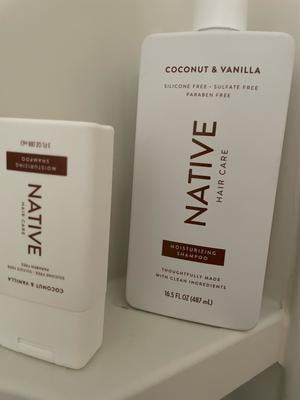
Credit: www.walmart.com
Frequently Asked Questions
What Are The Benefits Of Native Hair Care?
Native hair care uses natural ingredients that nourish and strengthen hair. It reduces damage from chemicals. It promotes healthy scalp and hair growth. This approach is gentle and sustainable, supporting hair’s natural texture and shine.
Does Native Hair Care Suit All Hair Types?
Yes, native hair care can suit all hair types. It focuses on natural ingredients that adapt to different textures. However, specific products may vary based on individual needs like dryness or oiliness. Customizing treatments enhances effectiveness for each hair type.
How Often Should I Use Native Hair Care Products?
The frequency depends on your hair type and lifestyle. Generally, using native hair care products 2-3 times a week is ideal. Overuse might cause buildup, while underuse may limit benefits. Consistency ensures optimal scalp health and hair nourishment.
Are Native Hair Care Products Free From Harmful Chemicals?
Most native hair care products avoid harsh chemicals like sulfates and parabens. They prioritize natural and organic components. This reduces scalp irritation and hair damage. Always check labels to confirm product safety and ingredient transparency.
Conclusion
Native hair care offers many benefits for healthy, natural hair. It uses gentle, natural ingredients that nourish your scalp and strands. Regular care helps reduce damage and keeps hair strong and shiny. Everyone’s hair is different, so try what feels best for you.
Simple routines with native products can improve hair texture over time. Trust your hair and give it the care it deserves. Healthy hair starts with good habits. Native hair care can be a great choice for lasting hair health.
