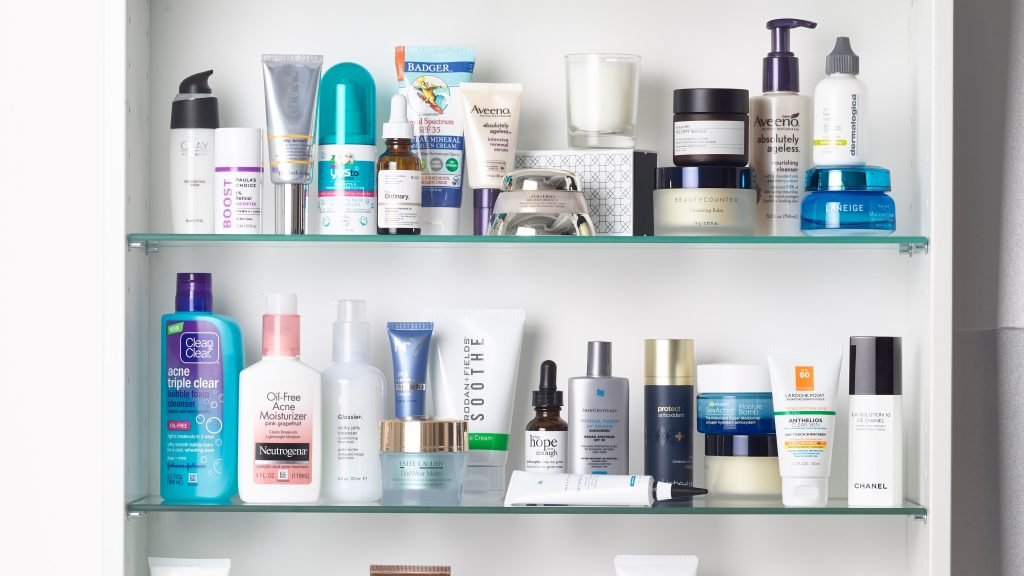
Are you confident your skincare routine is really working for you? Sometimes, even when you follow all the steps, your skin might still feel dull, dry, or oily.
What if a simple quiz could help you uncover hidden mistakes or missing steps in your daily care? This quiz isn’t just about guessing—it’s designed to reveal what your skin truly needs. Keep reading to discover how a quick check can transform your routine and give your skin the glow you’ve been hoping for.
Ready to find out if your skincare routine is truly good for you? Let’s dive in!
Quiz To Assess Your Skincare Routine
Taking a quiz to assess your skincare routine can reveal how well you care for your skin. It helps identify strengths and areas needing improvement. This quiz focuses on key aspects like skin type, daily habits, product choices, and common mistakes. Answer honestly to get useful insights.
Skin Type Identification
Knowing your skin type is the first step in a good skincare routine. The quiz asks about how your skin feels during the day. It checks for dryness, oiliness, or sensitivity. Correct identification guides product choices and care methods. Understanding your skin type prevents wrong product use.
Daily Skincare Habits
This part evaluates your daily routine habits. It looks at cleansing frequency, moisturizing, and sunscreen use. Regular steps like removing makeup and gentle washing matter. The quiz highlights habits that support skin health. Small changes here can improve skin condition.
Product Ingredients Check
Ingredients matter for skin safety and effectiveness. The quiz tests your knowledge of common skincare ingredients. It points out harmful or irritating substances to avoid. It encourages choosing products with beneficial ingredients. Knowing what’s inside your products helps protect your skin.
Common Skincare Mistakes
Many people unknowingly make skincare errors. The quiz reveals habits like over-exfoliating or skipping sunscreen. It warns against mixing incompatible products. Recognizing these mistakes helps prevent skin damage. Correcting them leads to healthier, glowing skin.

Credit: curology.com
Key Elements Of An Effective Routine
Understanding the key elements of an effective skincare routine can transform your daily habits and boost your skin’s health. Each step plays a crucial role, and missing one might keep you from seeing the results you want. Let’s dive into what you really need to focus on to make your routine work for you.
Cleansing Techniques
Cleansing is the foundation of any good skincare routine. It removes dirt, oil, and makeup that clog your pores and cause breakouts. Using lukewarm water and a gentle cleanser suited to your skin type can prevent irritation and dryness.
Double cleansing can be a game-changer, especially if you wear makeup or sunscreen daily. Start with an oil-based cleanser to break down impurities, then follow with a water-based one to clean deeper. Have you noticed how your skin feels after skipping cleansing? That difference shows how crucial this step is.
Moisturizing Essentials
Moisturizing keeps your skin hydrated and balanced. Even if you have oily skin, skipping moisturizer can lead to more oil production. Look for lightweight, non-comedogenic formulas if you tend to break out.
Applying moisturizer right after cleansing locks in moisture and helps repair your skin barrier. You don’t need a heavy cream every day; sometimes a gel or lotion works best. What type of moisturizer makes your skin feel comfortable without feeling greasy?
Sun Protection Importance
Sun protection is non-negotiable in any skincare routine. Daily use of a broad-spectrum sunscreen with at least SPF 30 shields your skin from harmful UV rays that cause premature aging and skin cancer. Many people underestimate the power of sunscreen on cloudy days or indoors.
Applying sunscreen as the last step in your morning routine is vital. Don’t forget easy-to-miss areas like your ears, neck, and hands. How often do you reapply during the day? That’s just as important as the first application.
Targeted Treatments
Targeted treatments address specific concerns like acne, hyperpigmentation, or fine lines. Ingredients such as retinol, vitamin C, and salicylic acid work wonders but need to be used correctly. Overdoing it can cause irritation, so start slow and observe how your skin reacts.
Consistency is key with treatments. Spot testing new products can prevent unwelcome surprises. What’s one skin issue you want to tackle with a targeted product, and how do you plan to introduce it safely?
Adjusting Your Routine For Better Results
Adjusting your skincare routine is key to getting the best results. What works today might not suit your skin tomorrow. Your skin changes with seasons, age, lifestyle, and specific concerns, so tweaking your routine keeps your skin happy and healthy.
Seasonal Changes
Think about how your skin feels when the weather shifts. In winter, dryness and flakiness are common, so you might want to add a richer moisturizer or a hydrating serum. Summer can bring oiliness and breakouts, making lightweight, oil-free products a better choice.
Have you noticed your skin reacting differently as the temperature changes? Adjusting your routine to match the season can prevent irritation and keep your complexion balanced.
Age-related Needs
Your skin’s needs evolve as you get older. In your 20s, focusing on cleansing and hydration might be enough, but by your 30s and beyond, adding anti-aging ingredients like retinol or peptides becomes important. These help with collagen production and skin elasticity.
Are you paying attention to how your skin responds as you age? Small changes can make a big difference in maintaining a youthful glow.
Lifestyle Factors
Your daily habits impact your skin more than you might think. Stress, diet, sleep, and exposure to pollution all play a role. If you’ve been staying up late or eating more processed foods, your skin may look dull or tired, signaling a need for detoxifying products or extra antioxidants.
What lifestyle changes can you make to support your skin? Sometimes, improving your routine means addressing what happens outside your skincare products.
Skin Concerns And Solutions
Targeting your specific skin issues is essential. Whether it’s acne, redness, hyperpigmentation, or sensitivity, choosing products designed to address those concerns will improve results. For instance, salicylic acid works well for acne, while niacinamide calms redness.
Have you identified the main concerns your skin has right now? Tailoring your routine to those needs ensures you’re not wasting time or money on products that don’t help.
Credit: outgrowco.medium.com
Tips For Glowing Skin
Achieving glowing skin isn’t just about the products you use. It’s a blend of daily habits, lifestyle choices, and smart decisions that truly make a difference. Let’s dive into some practical tips that can help your skin shine from within and out.
Hydration And Diet
Drinking enough water is one of the simplest ways to keep your skin hydrated and fresh. Aim for at least 8 glasses a day, and notice how your skin starts to feel softer and more elastic.
Your diet plays a huge role too. Foods rich in antioxidants, like berries and leafy greens, help fight skin damage. Omega-3 fatty acids found in fish or flaxseeds can reduce inflammation and add a natural glow.
- Try swapping sugary snacks for nuts or fruit.
- Add a colorful salad to your meals daily.
- Cut back on excessive caffeine, which can dry out skin.
Sleep And Stress Management
Have you noticed how your skin looks dull when you’re tired? Quality sleep gives your skin time to repair and regenerate. Aim for 7-9 hours to wake up with a refreshed complexion.
Stress triggers hormones that can cause breakouts or dullness. Finding ways to relax—whether it’s meditation, yoga, or simply reading—can improve your skin’s appearance over time.
Ask yourself: what small changes can you make to calm your mind daily?
Avoiding Harmful Habits
Smoking and excessive alcohol consumption damage your skin’s natural barrier and speed up aging. Quitting smoking or reducing alcohol intake can noticeably brighten your complexion.
Also, avoid harsh scrubbing or over-cleansing, which can strip your skin of essential oils. Gentle care supports skin health better than aggressive routines.
Think about your current habits—what might be silently harming your skin?
Incorporating Professional Advice
Sometimes, you need an expert’s eye to tailor the best skincare routine for your unique needs. Dermatologists can identify issues you might not see and recommend effective treatments.
Regular skin check-ups can prevent problems before they start. Don’t hesitate to ask about products or procedures that suit your lifestyle and skin type.
Remember, professional advice can save you time and money by avoiding guesswork.

Credit: www.makeup.com
Frequently Asked Questions
What Is The Purpose Of The “is My Skincare Routine Good Quiz”?
The quiz helps you evaluate your skincare habits. It identifies strengths and areas for improvement. This ensures your routine suits your skin type and goals.
How Often Should I Take The Skincare Routine Quiz?
Take the quiz every few months. Skin changes with seasons and age. Regular assessments keep your routine effective and updated.
Can The Quiz Detect Harmful Skincare Habits?
Yes, it highlights common mistakes like over-exfoliation or skipping sunscreen. This helps prevent skin damage and promotes healthier habits.
Will The Quiz Recommend Specific Products For My Skin?
The quiz suggests product types based on your answers. It focuses on ingredients and steps rather than brand names for personalized care.
Conclusion
Taking the skincare quiz can guide your routine better. It helps identify what works for your skin. Adjustments can lead to healthier, glowing skin. Remember, consistency is key in skincare. Try new products slowly to avoid reactions. Know your skin type for the best results.
The right routine boosts confidence and skin health. Keep learning and adapting your approach. Your skin deserves the best care every day. Stay informed and enjoy the benefits of tailored skincare.
