Have you ever stared at the long list of ingredients on your skincare products and wondered, “Is mineral oil good for your skin?” You’re not alone.
With countless beauty products vying for your attention, it’s easy to feel overwhelmed and confused about what truly benefits your skin. Mineral oil is one of those ingredients that often sparks debate and curiosity. Some claim it works wonders, while others suggest steering clear.
So, what should you believe? We’ll cut through the noise and explore the real impact of mineral oil on your skin. By the end, you’ll have all the clarity you need to make informed choices for your skincare routine. Curious to find out more? Let’s dive in.

Credit: www.amazon.com
What Is Mineral Oil
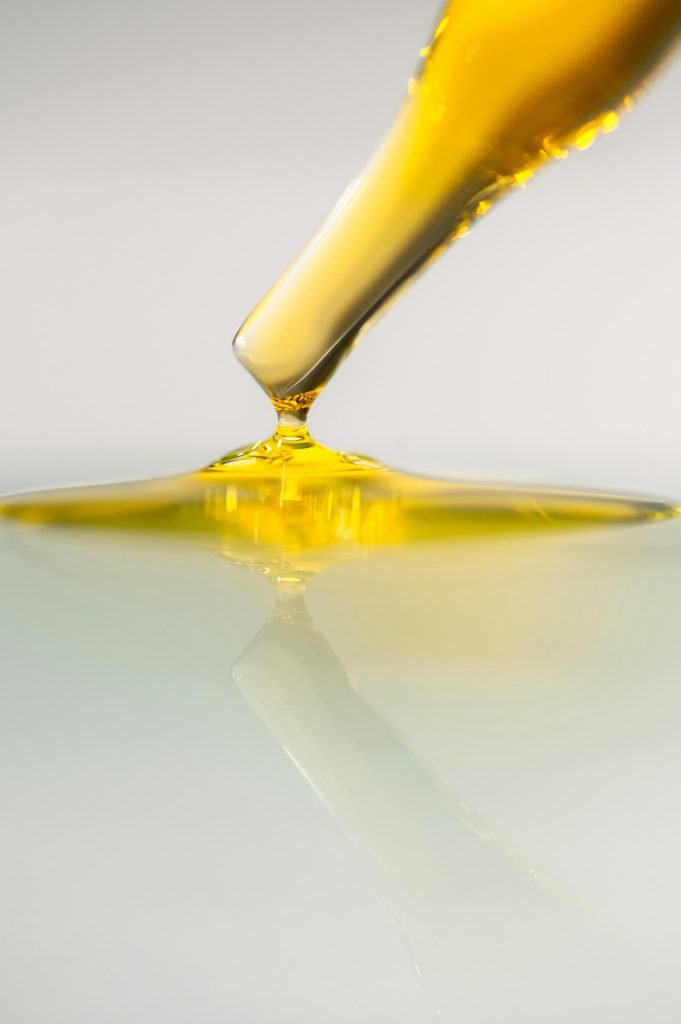
Mineral oil is a common ingredient in many skincare products. It is a clear, odorless oil that feels smooth on the skin. This oil acts as a barrier to lock in moisture and protect the skin from dryness.
Sources And Production
Mineral oil comes from petroleum, a natural resource found deep underground. It is extracted and then purified to remove harmful substances. The refining process makes mineral oil safe for use in cosmetics and skincare. The oil is colorless and stable, which helps it last long in products.
Common Uses In Skincare
Mineral oil works well as a moisturizer. It forms a thin layer on the skin that keeps water inside. Many lotions, creams, and ointments include mineral oil to prevent dryness. It is gentle and often used for sensitive or dry skin types. Some products use mineral oil to help soothe irritated skin and improve softness.
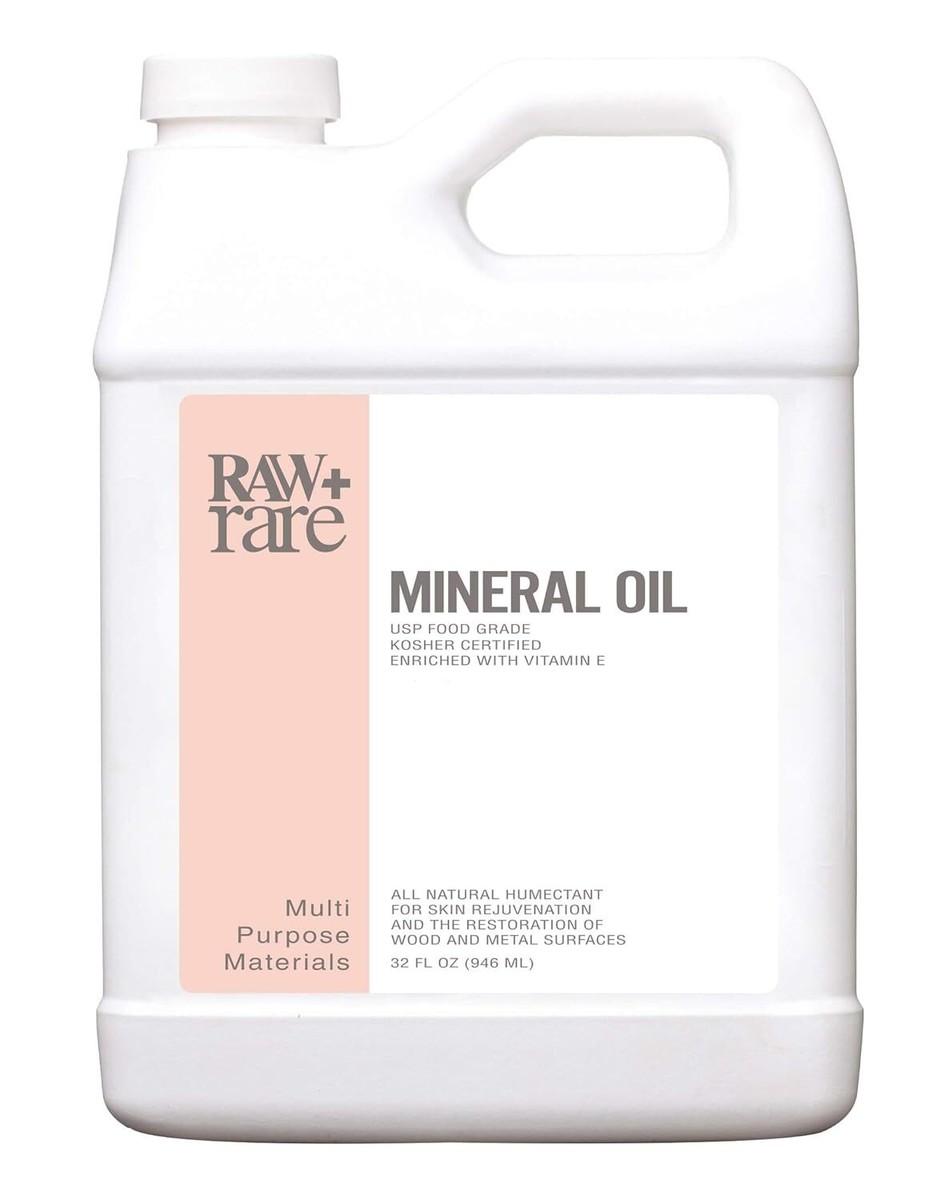
Credit: www.ebay.com
Benefits For Skin
Mineral oil offers several benefits for your skin. It acts as a simple, effective moisturizer that many people trust. Its unique properties help keep the skin smooth and healthy without causing irritation. This makes mineral oil a popular choice in skincare products worldwide.
Moisture Retention
Mineral oil forms a thin layer on the skin’s surface. This layer locks in moisture and prevents water loss. It helps dry skin stay hydrated longer. Using mineral oil can improve skin softness and reduce roughness.
Barrier Protection
The oil creates a protective barrier against dirt and harmful particles. This barrier shields the skin from environmental damage. It also helps protect sensitive skin from irritants. Mineral oil supports the skin’s natural defense system.
Hypoallergenic Properties
Mineral oil is gentle and unlikely to cause allergic reactions. It is free from common allergens found in some plant oils. This makes it safe for sensitive and allergy-prone skin. People with eczema or redness often benefit from its use.
Potential Risks
Mineral oil is often praised for its moisturizing benefits, but it’s important to consider the potential risks before adding it to your skincare routine. While many people tolerate mineral oil well, some may experience unwanted effects that affect skin health or raise environmental concerns. Understanding these risks helps you make informed choices about what you put on your skin.
Pore Clogging Concerns
Mineral oil is an occlusive agent, meaning it creates a barrier on the skin to lock in moisture. However, this barrier can sometimes trap dirt and dead skin cells, leading to clogged pores. If you have oily or acne-prone skin, mineral oil might worsen breakouts or cause blackheads.
Yet, not everyone reacts the same way. Some people find mineral oil surprisingly gentle and non-comedogenic. How your skin reacts can depend on your unique skin type and the purity of the mineral oil used.
Allergic Reactions
Although mineral oil is generally considered safe, allergic reactions can still occur. These reactions might include redness, itching, or a rash. If you notice any irritation after applying mineral oil, stop using it immediately and consult a dermatologist.
Patch testing a small area before full application is a simple step that can prevent discomfort. Have you ever tried a new product without testing it first and regretted it later?
Environmental Impact
Mineral oil is derived from petroleum, a non-renewable resource. Its production and disposal can contribute to environmental pollution. If you’re concerned about sustainability, this is a critical factor to consider.
Choosing mineral oil products labeled as “pharmaceutical grade” or “highly refined” may reduce the environmental footprint somewhat, but it doesn’t eliminate the issue. Would you prioritize eco-friendly skincare over convenience if given a clear choice?
Credit: shopping.yahoo.com
Comparing Mineral Oil To Other Oils
Comparing mineral oil to other oils helps understand its place in skincare. Oils differ in origin, texture, and skin benefits. Some are plant-based and natural, while others are refined and synthetic. Choosing the right oil depends on skin type and desired results.
Natural Vs. Synthetic Oils
Natural oils come from plants and seeds. Examples include coconut, jojoba, and olive oil. They contain vitamins and antioxidants that nourish skin. Synthetic oils, like mineral oil, are made from petroleum. They are refined to be pure and safe for skin use.
Natural oils vary in thickness and absorption. Some feel heavy, others light. Mineral oil is colorless, odorless, and very stable. It creates a barrier that locks in moisture without clogging pores.
Effectiveness And Safety
Mineral oil is effective at preventing water loss from skin. It forms a protective layer that keeps skin soft. Natural oils also moisturize but can oxidize and spoil faster. Mineral oil does not easily oxidize, making it last longer.
Some worry mineral oil may irritate skin. However, highly refined mineral oil is safe for most skin types. Natural oils can cause allergies in sensitive people. Patch testing is wise for all oils before regular use.
- Mineral oil: non-comedogenic and gentle on skin
- Natural oils: rich in nutrients but may clog pores
- Both types hydrate but work differently
Who Should Use Mineral Oil
Mineral oil can be a simple yet effective addition to your skincare routine, but it’s not for everyone. Understanding who benefits most from mineral oil helps you avoid common pitfalls and make smarter choices for your skin’s health. Let’s look closely at which skin types thrive with mineral oil and when it might actually cause more harm than good.
Skin Types That Benefit Most
Mineral oil works exceptionally well for dry and sensitive skin. It forms a protective barrier that locks in moisture, making your skin feel soft and hydrated throughout the day.
If your skin tends to get flaky or irritated, mineral oil can calm the surface without clogging pores. People with eczema or psoriasis often find relief because mineral oil helps soothe inflammation.
- Dry skin:Mineral oil prevents water loss, reducing tightness and rough patches.
- Sensitive skin:Its gentle nature means fewer chances of allergic reactions or redness.
- Compromised skin barriers:After treatments like chemical peels, mineral oil can protect and support healing.
Have you noticed your dry patches improving with a simple layer of mineral oil? That’s a sign it might be right for your routine.
When To Avoid Mineral Oil
If you have oily or acne-prone skin, mineral oil might not be your best friend. It can trap dirt and bacteria, potentially worsening breakouts.
People with very sensitive skin that reacts to occlusive ingredients should also be cautious. Mineral oil creates a barrier that might feel heavy or cause irritation in rare cases.
Also, if you’re prone to blackheads or clogged pores, you may want to skip it or test it on a small patch first. Watch for any increased redness or bumps after use.
- Oily/acne-prone skin:Risk of clogged pores and breakouts.
- Very sensitive skin:Possible irritation or discomfort.
- Those allergic to petroleum derivatives:Avoid mineral oil altogether.
Does your skin feel heavier or break out after using mineral oil? That’s a clear hint it might not suit your skin type.
Tips For Using Mineral Oil Safely
Using mineral oil on your skin can be beneficial, but only if you use it correctly. Safe use helps you avoid clogged pores and irritation, making the experience pleasant and effective. Here are some practical tips to help you get the best results while keeping your skin healthy.
Choosing Quality Products
Not all mineral oils are created equal. Look for products labeled as pharmaceutical gradeor cosmetic gradeto ensure purity and safety.
Avoid mineral oils with added fragrances or harsh chemicals, as these can irritate sensitive skin. Pure mineral oil is colorless, odorless, and free from additives.
Have you checked the label on your current product? If it contains fillers or irritants, it might be time to switch to a better option.
Proper Application Techniques
Apply mineral oil on slightly damp skin to lock in moisture more effectively. This simple step makes a noticeable difference in hydration.
Use a small amount—just a few drops—then gently massage it into your skin. Too much oil can feel heavy and may clog pores.
Try applying mineral oil after cleansing, but before heavier creams. This layering helps seal in moisture without causing breakouts.
Have you ever noticed your skin feeling greasy or congested after use? Adjusting the amount and timing of your application could solve that issue.
Frequently Asked Questions
What Is Mineral Oil And How Does It Benefit Skin?
Mineral oil is a lightweight, odorless oil derived from petroleum. It forms a protective barrier on the skin, locking in moisture. This helps prevent dryness and keeps skin smooth and hydrated.
Is Mineral Oil Safe For All Skin Types?
Yes, mineral oil is generally safe for all skin types, including sensitive skin. It is non-comedogenic, meaning it won’t clog pores or cause acne.
Can Mineral Oil Cause Skin Irritation Or Allergies?
Mineral oil is hypoallergenic and rarely causes irritation or allergies. However, always patch-test new products to ensure your skin reacts well.
How Does Mineral Oil Compare To Natural Oils For Skincare?
Mineral oil is more stable and less likely to spoil than natural oils. It mainly moisturizes, while natural oils may offer additional nutrients and antioxidants.
Conclusion
Mineral oil can help lock in skin moisture effectively. It creates a barrier that keeps your skin soft. Some people worry it clogs pores, but quality mineral oil is safe. Always choose products made for skin use. Test a small patch to avoid irritation.
Remember, healthy skin needs regular care and hydration. Mineral oil might be a simple step to add. Think about your skin type before deciding. Use it wisely and watch your skin feel smoother.
