
Have you ever wondered if the skincare products you use are truly good for your skin? Mineral oil is a common ingredient found in many lotions and creams, but is it helping your skin or harming it?
You might have heard mixed opinions about mineral oil, leaving you confused about whether to avoid it or embrace it. You’ll discover the real truth about mineral oil and how it affects your skin. Keep reading to find out if mineral oil is friend or foe for your skin’s health.
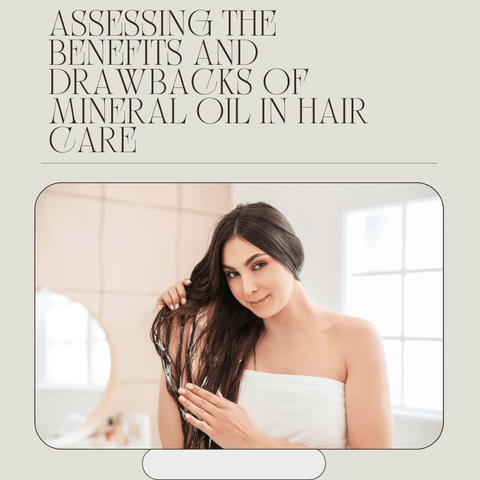
Credit: www.clinikally.com
What Is Mineral Oil?
Mineral oil is a common ingredient in many skincare products. It is a clear, odorless oil that feels smooth and light on the skin. People often wonder what exactly mineral oil is and how it is made. Understanding its source and uses helps decide if it suits your skin care needs.
Sources And Production
Mineral oil comes from petroleum, a natural oil found underground. It is a byproduct of crude oil refining. The process involves removing impurities and harmful substances. This makes mineral oil safe for use on the skin. It is purified to meet cosmetic and pharmaceutical standards.
Common Uses In Skincare
Mineral oil works as a moisturizer and barrier on the skin. It locks in moisture and protects skin from dryness. Many products like lotions, creams, and ointments include it. It also helps in healing dry or irritated skin. Its gentle nature makes it suitable for sensitive skin types.
How Mineral Oil Works On Skin
Understanding how mineral oil works on your skin can help you decide if it fits into your skincare routine. Mineral oil acts mainly on the surface, creating a shield that interacts with moisture and the skin’s natural barrier. This protective layer can influence how hydrated and healthy your skin feels throughout the day.
Moisture Barrier Formation
Mineral oil forms a thin, invisible layer on the skin’s surface. This layer traps moisture inside, preventing it from evaporating into the air. By doing this, it helps maintain the skin’s natural moisture levels without directly adding hydration.
Many people worry that this barrier might clog pores, but mineral oil is non-comedogenic, meaning it doesn’t block pores. It simply acts as a seal, locking in whatever moisture your skin already has. Have you ever noticed your skin feeling dry right after washing? That’s where mineral oil can make a difference by locking in moisture immediately.
Effects On Skin Hydration
Mineral oil doesn’t hydrate the skin by itself; instead, it helps skin retain its own moisture. This means it works best when applied after a moisturizer or right after bathing when your skin is still damp. If you skip moisturizing first, mineral oil might not provide the hydration boost you’re hoping for.
Some users find their skin feels softer and smoother after using mineral oil because it reduces water loss. However, if your skin is extremely dry or damaged, mineral oil alone might not be enough. What if you combined it with other hydrating ingredients? That could amplify its benefits and keep your skin feeling comfortable all day long.
Benefits Of Mineral Oil For Skin
Mineral oil often gets a bad rap, but it actually offers several benefits for your skin that are worth considering. If you’ve ever struggled with dry or irritated skin, mineral oil might be an easy and effective solution. It works differently than many other ingredients, providing distinct advantages that can improve your skin’s health and feel.
Moisturizing Properties
Mineral oil creates a protective barrier on the skin’s surface, locking in moisture and preventing dryness. This barrier helps your skin retain water longer, which is especially helpful during cold or dry weather. If you’ve noticed your skin feels tight or flaky, mineral oil can provide immediate relief by keeping it hydrated throughout the day.
Soothing Sensitive Skin
Many people with sensitive skin find mineral oil calming and gentle. It doesn’t contain fragrances or harsh chemicals that typically cause irritation. When your skin is red or inflamed, using mineral oil can reduce discomfort and support healing without triggering reactions.
Non-comedogenic Qualities
Worried that mineral oil will clog your pores? It’s actually non-comedogenic, meaning it won’t cause acne or blackheads. This makes it a safe choice even if you have oily or acne-prone skin. Have you tried products with mineral oil and noticed less breakouts? That’s because it allows your skin to breathe while protecting it.
:max_bytes(150000):strip_icc()/byr-best-aloe-vera-gels-and-lotions-tout-4eee2bbba5db45b08d030ce41e5a69d4.jpg)
Credit: www.byrdie.com
Concerns And Myths About Mineral Oil
Mineral oil often faces criticism and confusion when it comes to skincare. Many concerns and myths swirl around its use, causing people to hesitate before adding it to their routines. Understanding the facts behind these worries can help you decide if mineral oil is right for your skin.
Pore Clogging And Acne
One common belief is that mineral oil clogs pores and causes acne. However, mineral oil is actually non-comedogenic, meaning it doesn’t block pores. Its molecular structure creates a barrier that locks in moisture without trapping dirt or bacteria, which are the real culprits behind breakouts.
Still, if you have very oily skin, mineral oil might feel heavy. Try patch testing before full use to see how your skin reacts. Have you noticed a difference when switching moisturizers?
Toxicity And Safety Issues
Concerns about toxicity come from the fact that mineral oil is derived from petroleum. Yet, the mineral oil used in cosmetics is highly refined and purified to meet strict safety standards. It does not contain harmful contaminants and is approved by dermatologists worldwide.
Many people who struggle with sensitive skin find mineral oil to be gentle and soothing. Are you avoiding mineral oil because of safety myths rather than facts?
Environmental Impact
Environmental worries about mineral oil stem from its petroleum origin, raising questions about sustainability and pollution. While mineral oil is not biodegradable, its use in small amounts in skincare has a relatively low environmental footprint compared to other synthetic ingredients.
There are eco-friendly skincare options, but mineral oil products often last longer due to their effectiveness. Could balancing environmental concerns with skin health lead you to reconsider mineral oil?
Comparing Mineral Oil With Other Oils
Mineral oil often sparks debate among skincare users. Comparing it with other oils helps understand its value. Oils vary widely in source, texture, and benefits. Some come from plants, others from minerals or synthetic processes. Each oil suits different skin types and needs. Examining mineral oil alongside others clarifies its role in skincare.
Natural Vs. Synthetic Oils
Natural oils come from plants or animals. Examples include coconut oil, olive oil, and jojoba oil. These oils contain vitamins and antioxidants. They nourish and protect the skin naturally.
Mineral oil is a synthetic oil. It is refined from petroleum. This process removes impurities and makes it safe for skin. Mineral oil creates a barrier on the skin to lock in moisture. It does not contain vitamins like natural oils do.
Natural oils can vary in quality and composition. Synthetic oils like mineral oil offer consistency and stability. They do not spoil or turn rancid quickly. Each type has its strengths depending on skin needs.
Effectiveness And Skin Compatibility
Mineral oil is excellent at sealing moisture in the skin. It prevents water loss and soothes dry, irritated skin. It works well for sensitive skin because it rarely causes allergic reactions.
Natural oils may absorb better and provide nutrients. They can help repair skin and fight free radicals. But some natural oils can clog pores or cause irritation in certain skin types.
Mineral oil is non-comedogenic, meaning it won’t block pores. This makes it suitable for acne-prone or oily skin. Natural oils vary widely; some are comedogenic, others are not.
Choosing the right oil depends on skin type and condition. Mineral oil offers a reliable option for hydration and protection. Natural oils offer additional skin benefits but may require testing for sensitivity.
Who Should Avoid Mineral Oil?
Understanding who should avoid mineral oil can save your skin from unwanted irritation or breakouts. While mineral oil is widely used and generally safe, it doesn’t suit everyone. Knowing your skin type and potential sensitivities helps you make smarter skincare choices.
Skin Types That May React
If you have oily or acne-prone skin, mineral oil might not be your best friend. It can create a barrier that traps dirt and oil, potentially leading to clogged pores and breakouts.
People with very sensitive skin might also notice increased irritation or a greasy feeling after using mineral oil. If your skin tends to react strongly to products, you should test mineral oil on a small patch before regular use.
Allergic Reactions And Sensitivities
Although rare, some individuals develop allergic reactions to mineral oil. Symptoms can include redness, itching, or a rash where the product was applied.
It’s important to watch for these signs, especially if you’ve experienced allergies to other skincare products. Have you ever tried a product only to end up with irritated skin? That’s a clear signal your skin might be sensitive to certain ingredients like mineral oil.
Patch testing new products can help you avoid uncomfortable reactions. Apply a small amount on your wrist or behind your ear and wait 24 hours to see how your skin responds.
Tips For Using Mineral Oil Safely
Using mineral oil on your skin can be safe and effective if you know how to handle it properly. Small choices, like picking the right product and applying it carefully, make a big difference. Let’s look at some practical tips to help you enjoy the benefits without any unwanted effects.
Choosing Quality Products
Not all mineral oils are created equal. Look for products labeled as pharmaceutical gradeor cosmetic grade, as these are purified and safe for skin use.
Check the ingredient list and avoid mineral oils mixed with harsh additives or fragrances if your skin is sensitive. Brands that provide clear information about sourcing and refinement processes tend to be more trustworthy.
Have you noticed how some cheap products leave your skin feeling greasy or clogged? That’s often a sign of lower quality mineral oil. Investing a bit more in a reputable product can prevent such issues and improve your skin’s health.
Proper Application Techniques
Applying mineral oil correctly is key to avoiding clogged pores or irritation. Use a small amount and warm it between your fingers before gently massaging it into damp skin.
This helps the oil lock in moisture without sitting heavily on the surface. Try to focus on dry areas rather than oily zones to maintain balance.
After applying, wait a few minutes before layering other products. Have you ever experienced pilling or uneven texture after moisturizing? This simple pause can stop that from happening.
- Apply mineral oil after cleansing and toning, on slightly damp skin.
- Use gentle, circular motions for better absorption.
- Avoid heavy use on acne-prone areas to prevent breakouts.
- Consider patch testing new products to check for reactions.
:max_bytes(150000):strip_icc()/trendingingredients-27d9a2ffa7cb429c96da1938d800bf80.png)
Credit: www.byrdie.com
Frequently Asked Questions
Is Mineral Oil Safe For All Skin Types?
Yes, mineral oil is generally safe for all skin types. It forms a protective barrier, locking in moisture without clogging pores. However, sensitive skin may react, so patch testing is recommended before regular use.
Can Mineral Oil Cause Skin Breakouts?
Mineral oil is non-comedogenic, meaning it does not clog pores. For most people, it won’t cause breakouts. However, those with acne-prone skin should monitor their skin’s response, as individual reactions can vary.
Does Mineral Oil Moisturize Dry Skin Effectively?
Yes, mineral oil is an excellent moisturizer. It creates a barrier that prevents water loss, keeping skin hydrated longer. It is especially beneficial for dry or flaky skin conditions.
Is Mineral Oil Natural Or Synthetic?
Mineral oil is a byproduct of petroleum refining, making it synthetic. Despite this, it is highly refined and safe for cosmetic use. It’s odorless, colorless, and widely used in skincare products.
Conclusion
Deciding if mineral oil suits your skin can be tricky. Each skin type reacts differently. Some find it soothing and protective. Others may experience breakouts or irritation. Always patch test before full use. Consider consulting a dermatologist for personalized advice.
Natural alternatives exist for those concerned about mineral oil. Evaluate your skin’s needs and preferences carefully. Listen to what your skin tells you. This helps you make informed choices. Remember, what works for one may not work for another. Stay informed and prioritize your skin’s health.
Your skin deserves the best care possible.
