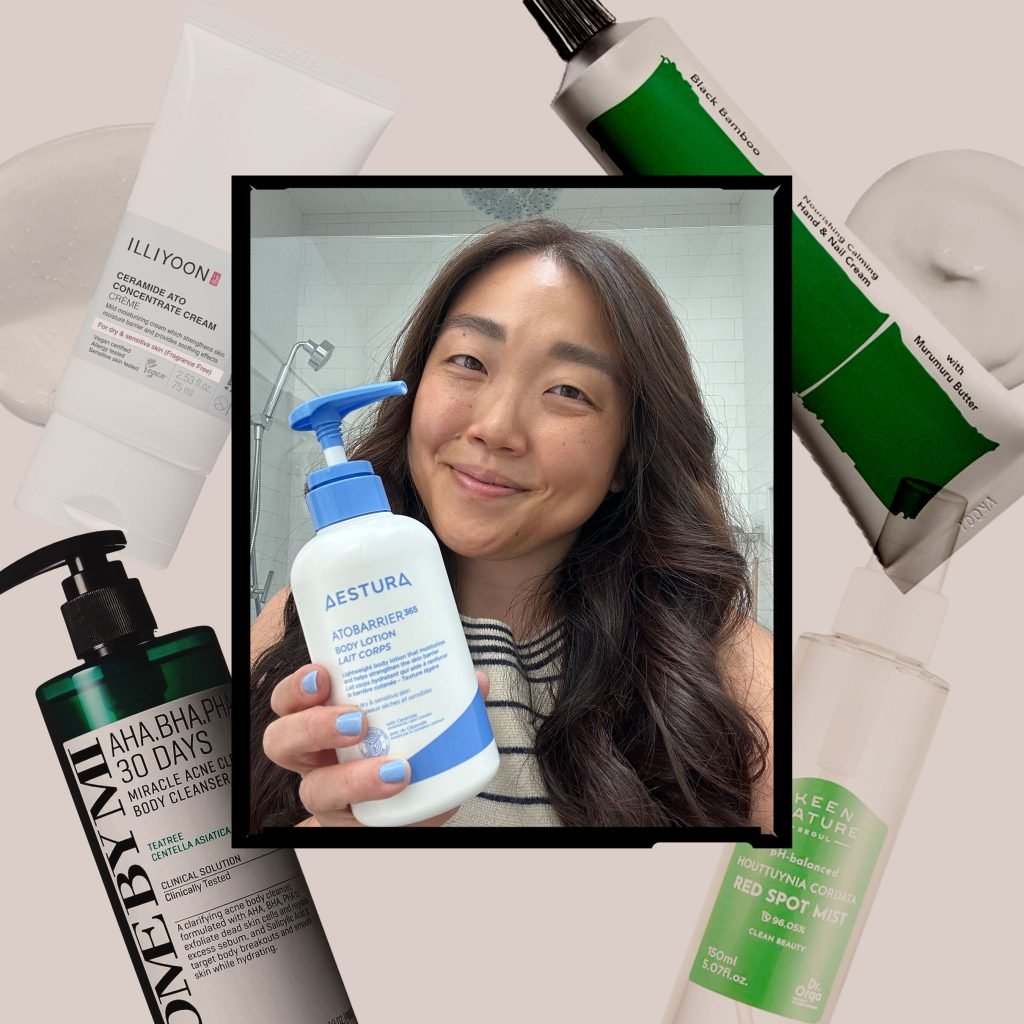
Are you wondering if Korean skincare really outshines American brands? You’re not alone.
With so many products and glowing reviews, it’s easy to feel lost when choosing what’s best for your skin. What if the secret to healthier, clearer skin is hidden in how you care for it? This article will help you understand the key differences and guide you to the right choice for your unique skin needs.
Keep reading—you might discover a skincare routine that changes everything.
Korean Skincare Basics
Korean skincare focuses on gentle care and hydration. It uses natural ingredients and layered products for healthy skin. The approach is about prevention and maintenance rather than quick fixes. This method suits many skin types and promotes a glowing complexion.
Key Ingredients
- Snail mucin: Repairs and hydrates skin deeply.
- Green tea: Calms inflammation and fights free radicals.
- Hyaluronic acid: Locks moisture for soft, plump skin.
- Centella asiatica: Soothes redness and speeds healing.
- Ginseng: Boosts skin elasticity and brightness.
- Rice extract: Lightens dark spots and evens tone.
Popular Products
- Cleansing oils: Remove makeup without stripping skin.
- Essences: Lightweight liquids that hydrate and prep skin.
- Sheet masks: Deliver concentrated ingredients quickly and easily.
- Serums: Target specific concerns like wrinkles or dullness.
- Moisturizers: Seal in hydration for a smooth finish.
- Sunscreens: Protect skin from UV damage daily.
Routine Steps
| Step | Purpose |
|---|---|
| Double Cleansing | Remove makeup and impurities gently. |
| Toner | Balance skin pH and hydrate. |
| Essence | Boost moisture and skin repair. |
| Serum | Target skin issues like spots or wrinkles. |
| Moisturizer | Lock in hydration and protect skin barrier. |
| Sunscreen | Shield skin from sun damage during the day. |
Credit: www.lemon8-app.com
American Skincare Essentials
American skincare essentials focus on simplicity and effectiveness, aiming to balance skin health with ease of use. Many products emphasize targeted treatments combined with hydration, often tailored to busy lifestyles. How do these essentials compare to what you might find in other skincare cultures?
Common Ingredients
American skincare often relies on well-known ingredients backed by scientific research. Ingredients like hyaluronic acid, retinol, and vitamin C are staples due to their proven benefits for hydration, anti-aging, and brightening.
You’ll also find products featuring salicylic acid and benzoyl peroxide for acne treatment, reflecting a focus on problem-solving skincare.
Have you noticed how these ingredients appear in many drugstore and high-end brands alike? This shows their widespread trust and effectiveness.
Trending Products
Serums and moisturizers with multi-tasking formulas are extremely popular in the US. Products combining antioxidants and peptides address several skin concerns at once, saving time and effort.
Another trend is clean beauty, where consumers prefer products free of parabens, sulfates, and artificial fragrances.
Sheet masks and exfoliating acids like glycolic and lactic acid have also gained traction, offering quick skin refreshment. Which product type fits best into your daily routine?
Routine Approaches
American routines often revolve around a simple three-step process: cleanse, treat, and moisturize.
Many people add sunscreen as a non-negotiable final step, highlighting the importance of protection in everyday skincare.
You might find fewer layers compared to Korean skincare but more emphasis on targeted treatments. Does your routine focus more on prevention or correction?
Ingredient Comparison
Comparing the ingredients in Korean and American skincare products reveals clear differences in philosophy and formulation. The choice between natural and synthetic components, emphasis on hydration, and anti-aging elements can greatly affect your skin’s health and appearance. Understanding these distinctions helps you choose what truly fits your skin’s needs.
Natural Vs Synthetic
Korean skincare often highlights natural ingredients like green tea, snail mucin, and ginseng. These are prized for their gentle, nourishing qualities and fewer side effects.
American products tend to use more synthetic ingredients, such as retinoids and peptides, designed for targeted and fast-acting results. But does a synthetic ingredient mean it’s harsher? Not always. Many synthetic compounds are tested for safety and effectiveness.
Think about your skin’s sensitivity and preferences. Do you prefer the soothing touch of nature, or the precision of science-backed formulas?
Focus On Hydration
Korean skincare prioritizes hydration at every step. Ingredients like hyaluronic acid, ceramides, and fermented extracts work together to lock in moisture and maintain skin barrier health.
American brands also include hydrating elements but often combine them with active ingredients that address specific concerns like acne or wrinkles.
Which approach fits your daily routine better? Constant hydration might prevent issues before they start, but targeted treatments can fix problems you already see.
Anti-aging Components
American skincare products commonly use retinol, peptides, and antioxidants like Vitamin C for anti-aging. These ingredients focus on boosting collagen production and reducing wrinkles.
Korean products also feature anti-aging components but often pair them with soothing botanicals and hydration boosters to minimize irritation.
Have you noticed how your skin reacts to retinol or Vitamin C? Sometimes, a gentler combo of ingredients can deliver better long-term results without redness or peeling.
Routine Differences
Korean and American skincare routines differ in several ways. These differences affect how people care for their skin daily. Understanding these can help choose the best routine for your needs.
Number Of Steps
Korean skincare routines usually have more steps than American ones. It is common to see 10 or more steps in Korean routines. These steps include cleansing, toning, essence, serum, and more. American routines tend to be shorter, with 3 to 5 basic steps. The focus is often on simplicity and speed.
Cleansing Techniques
Korean skincare uses a double cleansing method. First, an oil-based cleanser removes makeup and sunscreen. Next, a water-based cleanser cleans deep dirt and sweat. This technique helps keep skin very clean and fresh. In American skincare, cleansing is often one step. Many use a single cleanser for all purposes. The choice depends on skin type and personal preference.
Moisturizing Habits
Koreans use lightweight moisturizers and layer them for hydration. Layering includes creams, essences, and sometimes sleeping masks. Moisturizing is done several times a day, especially at night. Americans often use thicker creams and lotions in one go. Moisturizing is usually done once or twice daily. Both approaches aim to keep the skin soft and healthy.
Skin Type Considerations
Your skin type plays a huge role in deciding whether Korean or American skincare suits you better. Both styles offer unique benefits tailored to different needs, but understanding your skin helps you pick the right products and routines. Let’s break down how each approach addresses dry, oily, and sensitive skin.
Dry Skin Solutions
Korean skincare often excels at hydration. It uses lightweight essences, serums, and sheet masks that layer moisture without feeling heavy. This can be a game-changer if you struggle with flaky or tight skin.
American skincare tends to focus more on rich creams and oils that seal in moisture. These can work well if your skin needs a strong barrier to lock in hydration throughout the day.
Think about your daily environment—do you spend time in dry or air-conditioned spaces? You might find the multi-step Korean method refreshes your skin more often, while American products provide lasting protection.
Oily Skin Care
If your skin produces excess oil, you want products that control shine without stripping moisture. Korean skincare often includes gentle exfoliants and lightweight gels that balance oil and hydrate.
American brands frequently offer mattifying lotions and clay masks aimed at deep cleansing pores. These can help reduce breakouts but might sometimes dry out your skin if overused.
Ask yourself: Does your skin feel tight after cleansing, or does it stay oily? Korean routines generally avoid harsh ingredients, making them more forgiving if you want to treat oily skin gently.
Sensitive Skin Tips
Sensitive skin needs calm, soothing ingredients. Korean skincare emphasizes natural extracts like green tea and centella asiatica, which help reduce redness and irritation.
American skincare often highlights dermatologist-tested, fragrance-free formulas designed for sensitive skin. These products may have stronger preservatives but focus on minimizing allergic reactions.
If you’ve ever had a bad reaction to a product, notice how your skin reacts to new ingredients. Korean brands often introduce products with minimal irritants, which can be safer for sensitive skin.
Have you ever considered mixing elements from both styles to find what truly fits your skin? Your routine doesn’t have to be one or the other—sometimes the best approach is a personalized blend.
Credit: www.yahoo.com
Cultural Influences
Cultural influences shape how skincare products are created, marketed, and embraced in different countries. Korean and American skincare reflect distinct values and traditions that affect what people seek in their beauty routines. Understanding these cultural differences can help you decide which approach fits your lifestyle and skin needs better.
Beauty Standards
In Korea, clear, radiant skin often symbolizes health, youth, and social harmony. This has led to a focus on gentle, consistent care to maintain a natural glow rather than dramatic makeup. You might notice that Korean skincare routines emphasize hydration, sun protection, and layering lightweight products.
American beauty standards tend to celebrate individuality and boldness, with more emphasis on makeup and occasional intensive treatments. This can mean products that target specific concerns quickly, like anti-aging serums or acne spot treatments. Think about whether you prefer subtle daily care or targeted results when choosing your products.
Product Innovation
Korean skincare brands often lead with novel ingredients and textures, such as snail mucin, bee venom, and cushion compacts. Their innovation focuses on enhancing skin health through multitasking products that feel pleasant to use. This approach encourages you to enjoy your routine and stick with it consistently.
American brands usually focus on scientific research and clinically proven ingredients like retinol, peptides, and antioxidants. They prioritize effectiveness supported by studies, which appeals to consumers looking for quick, measurable results. Ask yourself if you value cutting-edge natural ingredients or clinically tested formulas more.
Marketing Strategies
Korean skincare marketing often uses storytelling and social proof from beauty influencers and everyday users. It creates a community feeling and trust around the product’s benefits. You may find yourself drawn to brands that share detailed routines and user experiences.
American skincare marketing tends to highlight product performance and brand heritage, sometimes using celebrity endorsements. The focus is on persuading you with promises of transformation and visible changes. Which style feels more convincing when you’re deciding what to buy?
Effectiveness And Results
Effectiveness and results are the key factors people consider when choosing skincare. Korean and American products both promise clear, healthy skin. Their approaches differ, which impacts how well they work for different users. Understanding these differences helps in picking the right routine.
User Experiences
Many users say Korean skincare feels gentle and soothing. They enjoy the lightweight textures and layering steps. Users report fewer breakouts and brighter skin after consistent use. American skincare users often highlight faster results. They like strong formulas targeting specific issues like acne or aging. Both groups value visible improvements but note different timelines and effects.
Scientific Studies
Research shows Korean skincare emphasizes hydration and barrier repair. Ingredients like hyaluronic acid and ceramides support skin moisture. Some studies confirm these help reduce dryness and irritation. American products often include active ingredients like retinoids and vitamin C. These have proven effects on wrinkles and pigmentation. Both types benefit skin health but focus on different problems.
Long-term Benefits
- Korean skincare supports gradual, sustained improvement.
- It builds a strong skin barrier over time.
- American skincare may offer quicker fixes for aging signs.
- Long-term use of strong actives requires careful skin monitoring.
- Consistent routines in both systems lead to better skin health.

Credit: www.youtube.com
Price And Accessibility
Price and accessibility play a big role in choosing skincare products. Both Korean and American brands offer options for different budgets and needs. Exploring how they compare helps shoppers make smart choices.
Cost Comparison
Korean skincare products often cost less than American ones. Many Korean brands focus on affordable prices without lowering quality. Basic items like cleansers and moisturizers can be quite cheap. American skincare brands usually charge higher prices. They spend more on marketing and packaging. Luxury American products can be very expensive. Korean brands offer value in smaller packages too. This allows buyers to try multiple products without spending much.
Availability Worldwide
American skincare is easy to find in many countries. Drugstores and supermarkets carry popular brands. Online stores also sell American products globally. Korean skincare is growing fast in availability. Many online shops ship worldwide. Some physical stores in big cities stock Korean brands. Import fees and shipping can raise the cost. Still, Korean skincare has become more accessible than before. Fans often share tips on where to buy authentic products.
Value For Money
Korean skincare gives good value for money. Products combine quality ingredients with low prices. Many focus on hydration, soothing, and gentle care. American products may offer strong or advanced formulas. They can target specific skin issues. Choosing depends on skin type and goals. Korean skincare suits daily use and layering. American brands suit those who want potent treatments. Both offer value, but in different ways.
Choosing What Works
Choosing the right skincare routine is about understanding what truly fits your unique skin. It’s not about blindly following trends or national skincare reputations. Instead, focus on what makes your skin feel healthy, comfortable, and glowing.
Personal Skin Needs
Your skin has its own story—dryness, oiliness, sensitivity, or a mix. Knowing these details helps you pick products that actually work. For example, if you have sensitive skin, harsh American cleansers might cause irritation, while gentle Korean essences could soothe better.
Ask yourself: what does your skin crave daily? Hydration, exfoliation, or protection? Tailoring your choices to these needs beats following any skincare system blindly.
Trial And Error
Skincare is rarely a one-size-fits-all. You might start with Korean serums and find some ingredients that your skin loves, but others that cause breakouts. On the flip side, American brands might offer stronger sunscreens that suit your outdoor lifestyle better.
Try products gradually and observe how your skin reacts over a week or two. Keep notes on what improves your skin and what doesn’t. This hands-on approach saves you from wasting money on products that don’t deliver.
Combining Both Styles
Why limit yourself to one style when you can blend the best of both? Some users mix the gentle layering of Korean skincare with potent American actives like retinol or vitamin C. This mix can create a balanced routine that targets multiple concerns.
Start by pairing a Korean hydrating toner with an American antioxidant serum. Notice how your skin responds and adjust accordingly. Your perfect routine might just be a fusion, not a choice between two countries.
Frequently Asked Questions
What Makes Korean Skincare Different From American Skincare?
Korean skincare focuses on prevention with multiple gentle steps. American skincare often targets treatment with fewer, stronger products. K-beauty emphasizes hydration, natural ingredients, and layering, while American products may prioritize quick fixes and stronger chemicals.
Are Korean Skincare Products Safer Than American Ones?
Korean products often use natural, skin-friendly ingredients with fewer harsh chemicals. American products can contain more synthetic compounds and preservatives. However, both markets regulate safety, so quality varies by brand rather than country.
Which Skincare Routine Is Better For Sensitive Skin?
Korean routines use mild, soothing products ideal for sensitive skin. American routines may include stronger actives that risk irritation. For sensitive skin, the gentle, layered approach of Korean skincare is often more beneficial.
Does Korean Skincare Offer Better Anti-aging Benefits?
Korean skincare focuses on hydration and prevention, improving skin elasticity naturally. American products often use potent anti-aging ingredients like retinoids for faster results. Both offer benefits; choice depends on skin type and tolerance.
Conclusion
Deciding between Korean and American skincare depends on personal needs. Korean products often focus on hydration. They use natural ingredients. American skincare may offer stronger active ingredients. It targets specific concerns like acne or aging. Both have their strengths. Try products from each to find what works best.
Listen to your skin. It will guide your choice. Skincare is personal. There’s no one-size-fits-all answer. Explore and enjoy the journey to healthier skin.