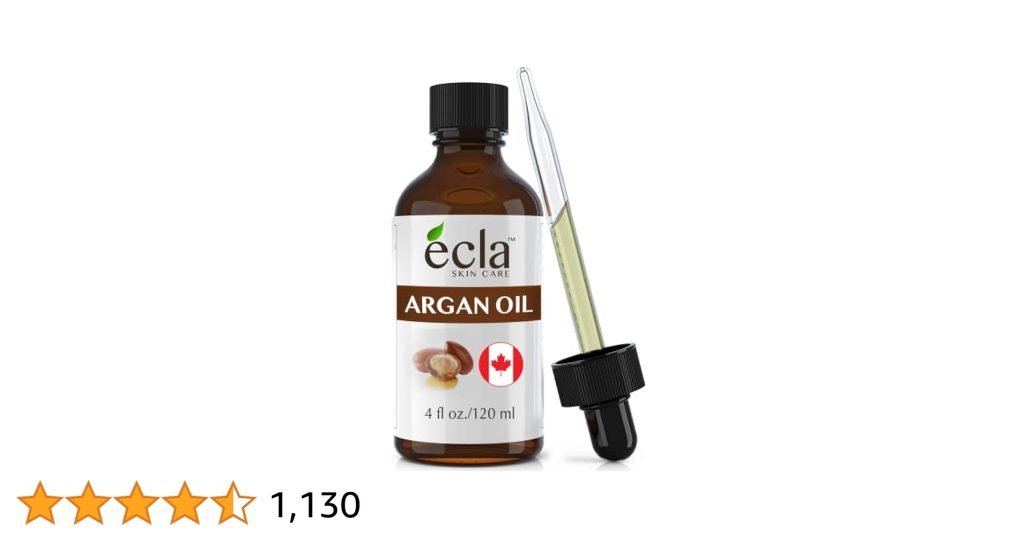
Have you ever wondered if there’s a natural miracle elixir for your skin? Argan oil might just be the answer you’ve been searching for.
Known as “liquid gold,” this oil has been making waves in the beauty industry, and for good reason. But is it really as good for your skin as everyone claims? Imagine waking up every day to a radiant, youthful glow that turns heads and boosts your confidence.
Picture your skin feeling softer, smoother, and more hydrated than ever before. If you’re curious about how argan oil can transform your skincare routine and whether it truly lives up to the hype, you’re in the right place. You’ll discover the secrets behind argan oil’s powerful benefits, learn how it can address your specific skin concerns, and find out how to make it a staple in your daily regimen. Keep reading, and unlock the potential of this treasured oil for your skin’s ultimate health and beauty.
What Is Argan Oil?
Argan oil is a natural oil extracted from the kernels of the argan tree. This tree grows mainly in Morocco. The oil has been used for centuries in skin and hair care. It is rich in nutrients that benefit the skin.
Many people use argan oil to moisturize and protect their skin. It absorbs quickly without leaving a greasy feel. Its natural ingredients help soothe dry and irritated skin.
Origin And Extraction
Argan oil comes from the argan tree nuts. The nuts are cracked open to get the kernels. These kernels are then cold-pressed to extract the oil. This method keeps the oil pure and preserves its nutrients.
Key Nutrients In Argan Oil
- Vitamin E – an antioxidant that helps protect skin cells
- Fatty acids – mostly oleic and linoleic acids, which hydrate and soften skin
- Carotenoids – compounds that provide anti-inflammatory benefits
- Phenols – antioxidants that reduce skin damage
Traditional Uses
People in Morocco have used argan oil for skin care for hundreds of years. They apply it to dry skin, wounds, and even to protect against sun damage. It is also a popular ingredient in modern cosmetic products.

Credit: www.amazon.com
Nutrient Profile Of Argan Oil
Argan oil is rich in nutrients that benefit the skin deeply. It contains natural compounds that soothe, protect, and nourish. This oil stands out because of its unique mix of fatty acids and antioxidants. Each element plays a key role in keeping skin healthy and glowing.
Fatty Acids
Argan oil is high in essential fatty acids, especially oleic and linoleic acid. These fats help maintain the skin’s barrier. They lock in moisture and prevent dryness. Fatty acids also reduce inflammation and redness.
Vitamin E
Vitamin E is a powerful antioxidant in argan oil. It protects the skin from damage caused by free radicals. This vitamin helps repair skin cells and supports healing. It also adds a natural glow to the skin.
Polyphenols
Polyphenols in argan oil offer anti-inflammatory and anti-aging benefits. They reduce skin irritation and calm sensitive skin. These compounds help slow down the signs of aging like wrinkles.
Squalene
Squalene is a natural moisturizer found in argan oil. It mimics the skin’s own oils, making it easy to absorb. Squalene keeps the skin soft and smooth without feeling greasy.
Carotenoids
Carotenoids give argan oil its slight golden color. They work as antioxidants and protect the skin from UV damage. Carotenoids support skin renewal and improve overall tone.
Moisturizing Effects On Skin
Argan oil is well-known for its moisturizing properties. It deeply nourishes dry and rough skin. The oil contains essential fatty acids and vitamin E. These ingredients help lock moisture into the skin. This results in a soft and smooth texture.
Its lightweight texture allows it to absorb quickly. It does not leave a greasy feeling. This makes argan oil suitable for all skin types, including oily and sensitive skin. Regular use can improve skin hydration and elasticity.
How Argan Oil Hydrates The Skin
Argan oil forms a protective barrier on the skin’s surface. This barrier helps reduce water loss. It keeps the skin hydrated for longer periods. The oil’s fatty acids mimic the skin’s natural oils. This helps balance moisture levels effectively.
Benefits For Dry And Flaky Skin
Dry and flaky skin can feel uncomfortable and tight. Argan oil soothes irritation and redness. It softens rough patches by replenishing lost oils. Applying the oil regularly can reduce dryness and improve skin texture.
Using Argan Oil As A Daily Moisturizer
Applying argan oil after cleansing seals in moisture. It can be used alone or mixed with other creams. A few drops are enough for the entire face. Its non-comedogenic nature means it won’t clog pores.

Credit: www.amazon.ca
Anti-aging Properties
Argan oil is famous for its strong anti-aging effects on skin. It nourishes deeply and helps reduce wrinkles. This oil keeps skin soft and smooth. Many people use it to keep their skin youthful.
Rich In Antioxidants
Argan oil contains high levels of antioxidants like vitamin E. Antioxidants fight free radicals that damage skin cells. This helps slow down skin aging. Using argan oil regularly can protect skin from early aging signs.
Boosts Skin Elasticity
The oil improves skin elasticity by increasing collagen production. Collagen keeps skin firm and tight. More collagen means fewer wrinkles and fine lines. Argan oil helps skin stay flexible and youthful.
Moisturizes And Hydrates Deeply
Dry skin looks older and dull. Argan oil provides deep moisture without clogging pores. It keeps skin hydrated for hours. Well-hydrated skin appears plumper and younger.
Reduces Inflammation And Redness
Inflammation can speed up skin aging. Argan oil has anti-inflammatory properties that soothe skin. It calms redness and irritation. This helps maintain even skin tone and a fresh look.
Healing And Soothing Benefits
Argan oil is often praised for its healing and soothing properties that can transform your skincare routine. Whether you’re dealing with dry patches, redness, or minor irritations, this natural oil offers gentle relief. Its rich composition works not just on the surface but also supports your skin’s natural repair process.
How Argan Oil Helps Heal Damaged Skin
Argan oil contains high levels of vitamin E and essential fatty acids that help repair skin damage. These nutrients speed up cell regeneration, making it ideal for healing scars, burns, and wounds faster. If you’ve ever had a dry, cracked area improve noticeably after applying it, you know how effective it can be.
Imagine soothing your skin after a day in the sun with just a few drops of this oil. It calms inflammation and reduces peeling, making recovery smoother.
Soothing Irritated And Sensitive Skin
For sensitive skin, argan oil acts as a natural barrier against harsh environmental factors. It reduces redness and itching by calming the skin’s surface without clogging pores. Many users report less irritation when switching from chemical products to argan oil.
Are you tired of products that sting or worsen your skin issues? Argan oil might be the gentle option you need.
Using Argan Oil For Daily Skin Comfort
Adding argan oil to your daily routine can prevent flare-ups before they start. Its anti-inflammatory properties keep your skin balanced, especially if you’re prone to eczema or psoriasis. Just a small amount applied to affected areas can provide lasting comfort.
Think about how your skin feels at the end of a long day—calm, nourished, and protected. That’s the kind of healing touch argan oil offers regularly.
Acne And Skin Conditions
Acne and other skin conditions can cause discomfort and affect confidence. Many seek natural remedies to soothe and heal their skin. Argan oil is one such remedy gaining attention. It contains nutrients that may help improve skin health. Let’s explore how argan oil interacts with acne and common skin issues.
How Argan Oil Helps With Acne
Argan oil is rich in antioxidants and vitamin E. These ingredients reduce inflammation and redness. It also has anti-bacterial properties that can prevent acne-causing bacteria. The oil moisturizes skin without clogging pores. This balance helps control excess oil production, a key factor in acne.
Effects On Sensitive Skin
People with sensitive skin often face irritation from harsh products. Argan oil is gentle and calming. It soothes irritation and reduces dryness. Regular use can strengthen the skin’s barrier. This helps protect against environmental damage and allergens.
Support For Other Skin Conditions
Conditions like eczema and psoriasis cause dry, flaky patches. Argan oil’s moisturizing effects relieve dryness and itching. Its anti-inflammatory nature can reduce swelling and discomfort. Using the oil regularly may improve skin texture and appearance.
- Test a small skin area for allergic reactions before full use.
- Apply a few drops to clean, damp skin for better absorption.
- Use it as a night treatment to allow skin to heal.
- Combine with other gentle skincare products for best results.
How To Use Argan Oil Safely
Using argan oil safely ensures your skin gains all its benefits without irritation. The oil is natural and gentle but needs careful application to avoid issues. Proper use helps maintain skin health and enhances its glow.
Perform A Patch Test
Apply a small drop of argan oil to your wrist or behind your ear. Wait 24 hours to check for any allergic reaction. Redness, itching, or swelling means you should avoid using the oil.
Use The Right Amount
Apply only a few drops of argan oil to your skin. Too much oil can clog pores and cause breakouts. Start with a small amount and increase if needed.
Apply On Clean Skin
Use argan oil after cleansing your face or body. Clean skin allows better absorption and prevents trapping dirt. Pat your skin dry before applying the oil.
Combine With Moisturizer
Mix argan oil with your regular moisturizer for extra hydration. This blend can make your skin soft without feeling greasy. It also helps spread the oil evenly.
Store Properly
Keep argan oil in a cool, dark place away from sunlight. Exposure to heat and light can reduce its effectiveness. Use a dark glass bottle for best storage.
Choosing Quality Argan Oil
Choosing quality argan oil can make a huge difference in your skincare routine. Not all argan oils are created equal, and the right one will boost your skin’s health without causing irritation. Knowing what to look for helps you avoid cheap, diluted products that won’t deliver the benefits you want.
Identifying Pure And Organic Argan Oil
Look for argan oil labeled as 100% pure and organic. Pure oil means it hasn’t been mixed with other oils or chemicals, which can reduce its effectiveness. Organic certification ensures the nuts were grown without harmful pesticides, making the oil safer for sensitive skin.
Have you ever bought a product that promised natural benefits but ended up causing a rash? That’s often due to impurities or additives. Choosing certified organic argan oil minimizes that risk.
Understanding Cold-pressed Extraction
Cold-pressed argan oil retains more nutrients because it is extracted without heat. Heat can destroy essential fatty acids and antioxidants that are good for your skin. Always check the label or product description to confirm the extraction method.
Next time you shop, ask yourself: does the oil retain its natural scent and color? A fresh, mild nutty aroma and golden hue usually indicate cold-pressed oil.
Packaging And Shelf Life
Argan oil is sensitive to light and air, which can cause it to spoil quickly. Look for products packaged in dark glass bottles to protect the oil from UV damage. Avoid clear plastic containers that allow light to degrade the quality.
Also, check the expiration date. Using expired oil can irritate your skin instead of nourishing it. If you open a bottle and the oil smells rancid, it’s time to toss it out.
Price And Brand Reputation
High-quality argan oil usually costs more because of the careful extraction and certification processes. If a deal sounds too good to be true, it probably is. Research brands with positive reviews and transparent sourcing information.
Would you trust your skin to a brand that can’t provide details about where and how their argan oil is made? Choosing reputable brands gives you more confidence in your skincare choice.
Potential Side Effects
Argan oil is praised for its skin benefits, but like any product, it can have potential side effects. Understanding these effects helps you use it safely and effectively. Let’s break down what you should watch out for before adding argan oil to your routine.
Allergic Reactions
Some people may experience allergic reactions to argan oil. Symptoms can include redness, itching, or a rash where the oil was applied. If you notice any discomfort, stop using it immediately and consider consulting a dermatologist.
Have you ever tried a new skincare product only to find it irritating your skin? Testing argan oil on a small patch first can save you from widespread issues.
Clogged Pores And Breakouts
Despite being a natural oil, argan oil might clog pores for certain skin types, especially oily or acne-prone skin. This can lead to breakouts or worsen existing acne. Using a non-comedogenic argan oil or applying it sparingly might help reduce this risk.
Think about how your skin reacts to other oils. Does it tend to break out easily? If yes, proceed with caution when using argan oil.
Interactions With Other Products
Mixing argan oil with certain skincare products can sometimes cause irritation. For example, combining it with strong exfoliants or retinoids might make your skin sensitive or inflamed. Monitor your skin’s response and adjust your routine accordingly.
Have you noticed your skin getting irritated after layering multiple products? Argan oil might be one piece of that puzzle.

Credit: www.flipkart.com
Frequently Asked Questions
What Are The Main Benefits Of Argan Oil For Skin?
Argan oil hydrates and nourishes skin deeply. It reduces inflammation and improves elasticity. Rich in antioxidants, it protects against aging and environmental damage, making skin smoother and healthier.
Can Argan Oil Help With Acne-prone Skin?
Yes, argan oil can balance skin’s natural oils and reduce acne. Its anti-inflammatory properties calm redness and irritation. It also helps prevent clogged pores without causing excessive oiliness.
How To Use Argan Oil For Best Skin Results?
Apply a few drops of argan oil on clean, damp skin. Gently massage it in circular motions. Use it daily as a moisturizer or mix with your favorite cream for added hydration.
Is Argan Oil Suitable For All Skin Types?
Argan oil is safe and effective for all skin types. It’s non-comedogenic, so it won’t clog pores. Dry, oily, sensitive, and combination skin types can benefit from its moisturizing and healing properties.
Conclusion
Argan oil offers many benefits for the skin. It moisturizes and soothes dry skin quickly. Rich in antioxidants, it helps protect skin from damage. Using it daily can improve skin’s softness and glow. It works well for most skin types, even sensitive ones.
Simple to apply and natural to use. Give argan oil a try for healthier skin. Notice the gentle care your skin receives. A small change that can make a difference. Your skin deserves natural, gentle care every day.