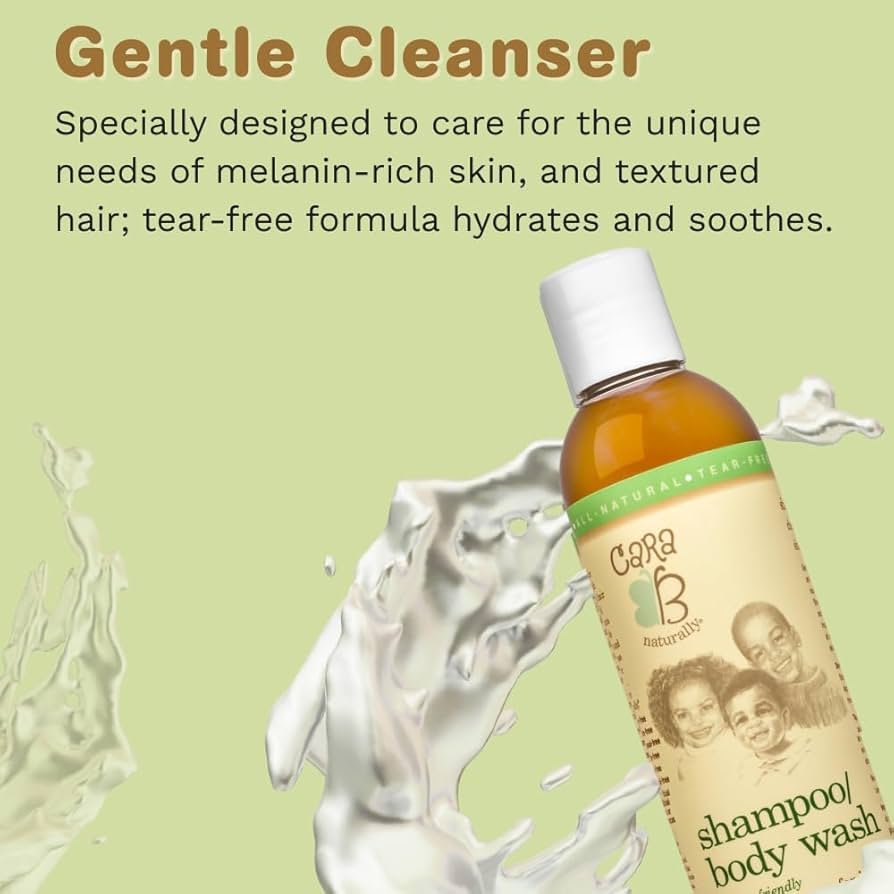
Caring for your infant’s hair can feel overwhelming, especially when it comes to African American hair. You want to protect those tiny curls and keep your baby comfortable, but where do you start?
The truth is, your baby’s hair needs special attention to stay healthy and strong. You’ll discover simple, effective tips that make infant hair care easier and more enjoyable. Keep reading to learn how to nurture your baby’s natural beauty from day one.

Credit: www.amazon.com
Hair Characteristics Of African American Infants
Understanding the hair characteristics of African American infants is essential for providing the right care from the very beginning. Their hair is unique, requiring gentle handling and specific attention to maintain health and promote growth. Knowing what to expect helps you nurture your baby’s hair with confidence and love.
Texture And Growth Patterns
African American infant hair often has a soft, fine texture at birth that gradually changes as it grows. It typically grows in tight curls or coils, which can make it appear denser even if the strands are thin. You might notice that hair growth isn’t always uniform—some areas grow faster while others take more time.
This irregular growth pattern can leave parents wondering if their baby’s hair is healthy. It’s normal for your infant’s hair to grow in phases, so patience is key. Regular moisturizing and gentle combing can help encourage healthy growth without causing breakage.
Common Hair Challenges
One common challenge with African American infant hair is dryness. The natural oils produced by the scalp don’t travel easily down the curls, making the hair prone to dryness and breakage. This means you need to add moisture regularly using baby-friendly oils or conditioners.
Another issue is tangling and matting, especially since the curls can intertwine easily. Detangling requires a soft touch—using a wide-tooth comb or your fingers can prevent damage. Have you tried applying a leave-in conditioner before combing? This simple step can make a big difference in managing tangles.
Scalp conditions like cradle cap can also appear. It’s common and usually harmless but needs gentle cleansing and moisturizing to clear up. Ignoring these challenges can lead to discomfort for your baby and frustration for you, so addressing them early helps both of you enjoy hair care time more.
Choosing The Right Hair Products
Choosing the right hair products for your African American infant can feel overwhelming. You want to keep their delicate curls healthy without causing irritation or dryness. Selecting products that nourish and protect your baby’s hair is key to establishing a gentle and effective hair care routine.
Natural Oils And Moisturizers
Natural oils are lifesavers for maintaining moisture in your baby’s hair. Oils like coconut, jojoba, and shea butter help seal in hydration and keep curls soft.
Try applying a small amount of oil after bath time to lock in moisture. This simple step can prevent dryness and flakiness without weighing hair down.
Have you noticed how some oils absorb quickly while others leave a slight sheen? Pay attention to how your baby’s scalp reacts and choose what feels best for them.
Gentle Shampoos And Conditioners
Look for shampoos and conditioners that are specifically formulated for infants. They should be free from sulfates, parabens, and harsh chemicals.
These gentle formulas cleanse without stripping natural oils, protecting your baby’s fragile scalp. A mild conditioner can also make detangling easier and less painful.
Consider products with natural ingredients like aloe vera or chamomile, which soothe and calm sensitive skin. How often you wash your baby’s hair can also affect scalp health—sometimes less is more.
Safe Hair Washing Techniques
Keeping your infant’s hair healthy starts with safe washing habits. African American baby hair is delicate and requires gentle care to avoid dryness or breakage. Understanding how often to wash and how to handle the water temperature can make a big difference in your little one’s comfort and hair health.
Frequency And Water Temperature
Washing your baby’s hair too often can strip away natural oils, leading to dryness. Aim to wash their hair about once a week or every two weeks, depending on how active they are and how oily their scalp feels.
Use lukewarm water, never hot. Hot water can irritate your baby’s sensitive scalp and cause discomfort. Test the water on your wrist—it should feel warm, not hot.
Have you noticed your baby fussing during bath time? Adjusting the water temperature might help them relax and enjoy the process more.
Proper Rinsing And Drying
After shampooing, rinse thoroughly but gently to remove all product without harsh scrubbing. Leftover shampoo can irritate the scalp and cause dryness.
Pat your baby’s hair dry with a soft towel instead of rubbing. Rubbing can tangle and damage fragile hair strands.
Let your baby’s hair air dry whenever possible. If you need to use a blow dryer, always use the lowest heat setting and keep it at a safe distance from their scalp.

Credit: lasakedu.in
Detangling Without Damage
Detangling your infant’s hair can feel like a delicate task, especially with African American hair that tends to be curly and fragile. The key is to be gentle and patient, avoiding any actions that cause breakage or discomfort. With the right approach, you can make detangling a soothing experience for both you and your little one.
Tools To Use
- Wide-tooth comb:Its wide spaces prevent pulling and breakage, making it ideal for gently loosening knots.
- Detangling brush:Choose one with soft, flexible bristles designed for babies to minimize tugging.
- Spray bottle with water or leave-in conditioner:Moisturizing the hair before detangling helps soften curls and reduce friction.
- Hair clips or soft bands:These help section the hair for easier management without causing damage.
Step-by-step Detangling Process
Start by spritzing your baby’s hair with water or a gentle leave-in conditioner. This adds slip and makes knots easier to work through.
Divide the hair into small sections using clips. Working in smaller portions lets you focus on detangling without overwhelming your infant.
Begin with your fingers, gently loosening larger tangles first. Fingers feel the knots better and minimize breakage.
Next, use a wide-tooth comb or soft brush to carefully comb through each section from the ends upward, never pulling downwards.
Take breaks if your baby gets fussy—stress and discomfort can make the process harder. Have you noticed how your baby reacts to different detangling methods? Adjust based on their comfort for a smoother experience.
Remember, patience is key. The gentler you are, the healthier and happier your infant’s hair will stay.
Protective Hairstyles For Infants
Choosing the right protective hairstyles for your infant can make a huge difference in maintaining healthy hair. These styles help shield delicate strands from daily wear and tear while keeping your baby’s scalp comfortable. You might wonder how to balance style and care without causing tension or damage. Let’s look at some gentle options that work well for African American infants.
Low-tension Styles
Low-tension hairstyles are essential for infants because their scalps are very sensitive. Styles that pull tightly can cause discomfort and even hair loss. You want to ensure the hairstyle feels soft and secure without tugging on the roots.
Simple ponytails with soft bands or loose puffs are excellent choices. You can also try finger coils, which use your fingers to twist small sections of hair without any pulling. These styles protect hair while allowing room for natural growth.
Have you noticed how your baby reacts to different hairstyles? If your infant seems uncomfortable or fussy, it might be time to try a gentler approach. Your baby’s comfort is a key sign of whether a style is working.
Benefits Of Braids And Twists
Braids and twists are more than just cute—they actually protect your infant’s hair by reducing breakage. These styles keep hair organized and prevent it from tangling during naps or playtime.
When done loosely, braids and twists reduce the need for daily combing, which can stress fragile hair. Plus, they can last several days, giving you time to focus on moisturizing and scalp care. This ease can be a game-changer for busy parents.
Think about how often you comb your baby’s hair. Could braids or twists help cut down on combing and make your routine easier? Many parents find these styles both practical and stylish for their little ones.

Credit: www.youtube.com
Scalp Care And Health
Healthy scalp care is essential for African American infants. Their delicate skin needs gentle attention to stay soft and free from irritation. Proper scalp health supports strong hair growth and prevents common issues like dryness and cradle cap. Using the right techniques and products helps keep the scalp clean and nourished without causing harm.
Preventing Dryness And Cradle Cap
Dryness can cause itching and flaking on an infant’s scalp. Cradle cap shows as thick, crusty patches that may look yellow or brown. Both conditions need gentle care to avoid discomfort and infection.
- Use mild, fragrance-free baby shampoos designed for sensitive skin.
- Wash the scalp 2-3 times a week to keep it clean but not dry.
- Apply natural oils like coconut or jojoba oil to moisturize the scalp.
- Softly brush the scalp with a baby brush to remove flakes.
- Avoid harsh chemicals or frequent washing that strip natural oils.
Consistent care reduces dryness and helps prevent cradle cap buildup.
Massage Techniques For Growth
Scalp massage improves blood flow to hair follicles. It promotes healthy growth and relaxes the baby. Use gentle, circular motions with clean hands or soft fingertips.
- Start at the front hairline and move toward the back of the head.
- Massage for 3-5 minutes during bath time or before sleep.
- Use light pressure to avoid hurting the baby’s sensitive scalp.
- Apply a small amount of natural oil to aid the massage.
Regular massage nourishes the scalp and supports stronger hair growth.
Daily Hair Care Routine
Keeping your infant’s hair healthy every day takes more than just washing. A gentle, consistent routine helps protect delicate curls and keeps moisture locked in. You’ll notice how small daily habits can make a big difference in your baby’s hair texture and overall scalp health.
Moisturizing Tips
Dry hair can quickly lead to breakage, especially with African American infant hair. Use a light, natural oil like coconut or jojoba to seal in moisture after washing. Apply a small amount to the scalp and gently massage it in with your fingertips to boost circulation and keep the hair soft.
Don’t forget to use a water-based leave-in conditioner before applying oils. This keeps the hair hydrated throughout the day without feeling heavy or greasy. Have you noticed how your baby’s curls respond differently on days you skip moisturizing?
Nighttime Hair Protection
Protecting your infant’s hair at night is crucial to prevent tangles and dryness. Wrap their hair with a satin or silk bonnet or use a satin pillowcase to reduce friction against cotton fabrics. This simple switch can preserve moisture and keep curls looking fresh in the morning.
Some parents find that lightly braiding or twisting their baby’s hair before bed helps maintain curl definition. Does your baby’s hair feel different in the morning when you skip nighttime protection? Try this and observe the difference in softness and manageability.
Common Mistakes To Avoid
Taking care of African American infant hair requires patience and the right approach. Avoiding common mistakes can make a big difference in maintaining healthy, soft curls. Knowing what not to do helps you protect your baby’s delicate scalp and hair from damage.
Over-manipulating Hair
It’s easy to think that more styling means better care, but over-manipulating your baby’s hair can cause breakage and stress on the scalp. Constant combing, brushing, or twisting can irritate the skin and weaken hair strands.
Think about how often you touch or style your infant’s hair daily. Could reducing this help their scalp rest and hair stay strong? Letting hair rest between styles encourages natural growth and keeps curls intact.
Using Harsh Chemicals
Many products claim to be safe but contain ingredients that can harm your infant’s tender hair and scalp. Harsh shampoos, dyes, and relaxers are especially damaging and unnecessary for babies.
Have you checked labels for sulfates, parabens, or alcohol in your baby’s hair products? Switching to mild, natural options designed for infants can prevent dryness and irritation. Your baby’s hair is still developing, so gentle care matters most.
Frequently Asked Questions
How Often Should I Wash African American Infant Hair?
Wash African American infant hair once a week or every two weeks. Use a gentle, sulfate-free shampoo to avoid dryness. Overwashing can strip natural oils, causing scalp irritation. Always moisturize after washing to keep hair soft and hydrated.
What Products Are Best For African American Baby Hair?
Use natural, gentle products like shea butter, coconut oil, and aloe vera. Avoid harsh chemicals and sulfates that can damage delicate hair. Look for products labeled safe for infants and designed to moisturize and protect curly textures.
How Do I Prevent Dryness In African American Infant Hair?
Keep the hair moisturized with natural oils and leave-in conditioners. Avoid frequent washing and harsh shampoos. Use a satin or silk bonnet at night to retain moisture and reduce friction that causes dryness and breakage.
Can I Detangle African American Infant Hair Safely?
Yes, detangle gently using a wide-tooth comb or your fingers. Detangle when hair is damp and conditioned to minimize breakage. Start from the ends and work your way up to the roots carefully and slowly.
Conclusion
Caring for your baby’s hair is essential and rewarding. Choose gentle products. Keep the scalp clean and moisturized. Regular, soft brushing helps prevent tangles. Use satin pillowcases to reduce friction. Always be patient and gentle with your baby’s hair. These steps ensure healthy hair growth.
Remember, every child’s hair is unique. Embrace the beauty of their natural hair texture. Celebrate their hair journey with love and care. Understanding these basics makes infant hair care easier. Enjoy this special bonding time with your little one. Their smile will be your best reward.
