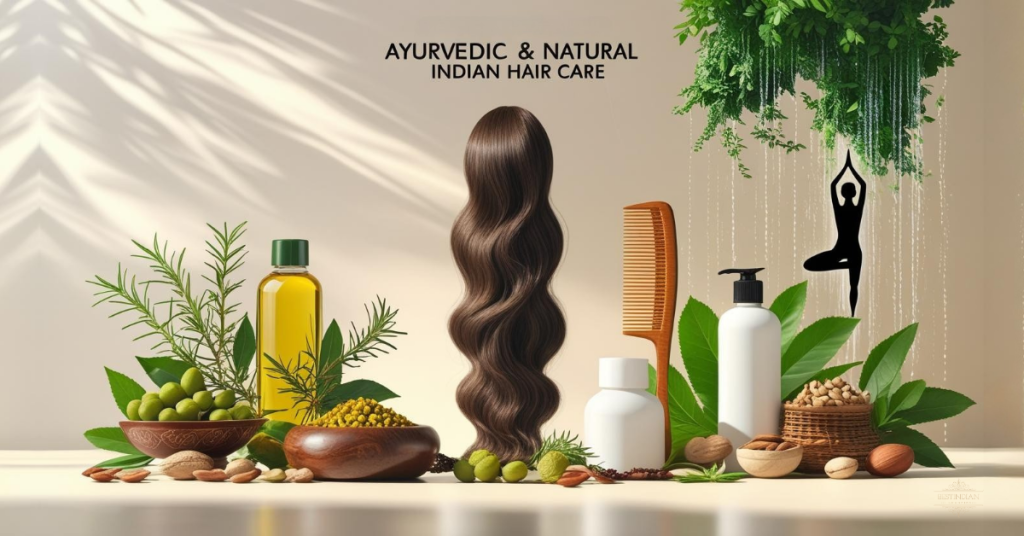
Unlock the secrets of luscious, healthy hair with the Indian hair care routine. Imagine running your fingers through silky, strong strands that not only look stunning but also feel amazing.
You’re about to discover a world where natural ingredients and time-tested traditions come together to transform your hair care game. This guide is crafted just for you, to simplify and demystify the steps that will lead you to the hair of your dreams.
Are you ready to dive into methods that have been cherished for generations and are known for their effectiveness? Keep reading to find out how you can incorporate these powerful practices into your daily life and experience the magic of Indian hair care for yourself.

Credit: moxiebeauty.in
Daily Hair Care Habits
Daily hair care habits shape the health and beauty of your hair more than occasional treatments. Simple, consistent practices help maintain your hair’s natural balance and prevent damage. How you treat your hair every day can make a visible difference in texture, shine, and strength.
Gentle Cleansing Techniques
Harsh washing can strip your scalp and hair of natural oils, leading to dryness and breakage. Use lukewarm water instead of hot to protect your scalp’s natural moisture. While shampooing, gently massage your scalp with your fingertips—avoid nails to prevent irritation.
Rinse thoroughly to remove all shampoo residues, which can cause buildup and dullness. If your hair feels dry after washing, try reducing the frequency of shampooing to every two or three days. Have you noticed how gentler washing keeps your scalp less itchy and your hair softer?
Choosing The Right Shampoo
Select shampoos that match your hair type and concerns. For example, if your scalp is oily, look for clarifying shampoos that control excess oil without drying out your strands. For dry or damaged hair, shampoos with moisturizing ingredients like aloe vera or coconut oil work well.
Check ingredient lists for sulfates and parabens, which can be harsh on hair and scalp. Sometimes, a natural or herbal shampoo can provide a better balance for your hair’s health. What ingredients have you found helpful or harmful in your shampoo?
Conditioning For Nourishment
Conditioners help restore moisture and smooth the hair cuticle after cleansing. Apply conditioner mainly on the mid-lengths and ends, where hair tends to be drier and more prone to damage. Avoid the scalp area to prevent greasiness.
Leave the conditioner on for a few minutes before rinsing with cool water to seal the cuticle and add shine. For extra nourishment, occasionally use a deep conditioning mask or oil treatment. How does your hair respond when you regularly condition it?

Credit: www.youtube.com
Traditional Hair Oils
Traditional hair oils have been a key part of Indian hair care for centuries. These oils nourish the scalp and hair deeply. They help to keep hair strong, shiny, and healthy. Indian oils come from natural ingredients. They contain vitamins and minerals that support hair growth and prevent damage.
People apply these oils regularly to maintain scalp health and reduce hair problems. The oils also provide a cooling effect and protect hair from environmental stress. Each oil has unique benefits and can be mixed for better results.
Benefits Of Coconut Oil
Coconut oil is the most popular traditional hair oil in India. It penetrates the hair shaft well. This oil reduces protein loss from hair. It keeps hair soft and smooth.
- Prevents hair breakage and split ends
- Moisturizes dry scalp and hair
- Reduces dandruff and scalp irritation
- Promotes faster hair growth
- Protects hair from damage caused by sun and pollution
Using Amla And Bhringraj
Amla (Indian gooseberry) and Bhringraj are powerful herbs for hair care. Amla oil is rich in vitamin C and antioxidants. It strengthens hair follicles and adds shine.
Bhringraj oil helps reduce hair fall and premature graying. It nourishes the scalp and improves hair texture. Both oils improve blood circulation in the scalp.
- Prevent hair thinning and hair loss
- Boost natural hair color and brightness
- Calm scalp inflammation and dryness
- Support healthy hair growth cycles
Applying Oil For Scalp Health
Applying oil to the scalp is an important step in the routine. Use warm oil for better absorption. Massage gently with fingertips in circular motions.
This stimulates blood flow and loosens dead skin cells. Leave the oil on the scalp for at least 30 minutes or overnight. Wash hair with a mild shampoo after oiling.
- Improves scalp health and reduces dandruff
- Strengthens roots and prevents hair loss
- Relaxes the scalp and reduces stress
- Keeps scalp hydrated and balanced
Herbal Hair Masks
Herbal hair masks form a vital part of the Indian hair care routine. These masks use natural ingredients to nourish and strengthen hair. They help reduce hair fall, dandruff, and dryness. Herbal masks also enhance shine and softness. They suit all hair types and cause no side effects. Using herbs in hair care connects to ancient Indian beauty traditions. These masks provide deep conditioning and improve scalp health naturally.
Diy Herbal Recipes
Making herbal hair masks at home is simple. Natural ingredients from the kitchen or garden offer powerful benefits. Mix powders, pastes, or extracts for a fresh mask.
- Mix henna powder with yogurt for scalp cooling and shine.
- Blend amla powder with coconut oil to strengthen hair roots.
- Use sandalwood paste and rose water to soothe the scalp.
Apply the mask evenly and leave it on for 30 minutes. Rinse with lukewarm water for best results.
Using Aloe Vera
Aloe vera is a popular herbal ingredient in Indian hair care. It hydrates hair and scalp deeply. Aloe vera gel reduces itchiness and dandruff. It also promotes hair growth by improving blood circulation.
Extract fresh aloe vera gel and apply it directly to your scalp. Leave it on for 20 to 30 minutes before washing. Combine aloe vera with lemon juice for extra cleansing power.
Fenugreek And Neem Benefits
Fenugreek and neem are two powerful herbs for hair health. Fenugreek seeds soften hair and reduce hair fall. They also help control dandruff and scalp dryness. Neem has strong antibacterial properties. It fights scalp infections and soothes irritation.
Soak fenugreek seeds overnight, grind into a paste, and apply to hair. Mix neem powder with water for a cleansing mask. Use these herbs regularly for healthier, stronger hair.
Diet And Hydration
What you eat and how much water you drink have a huge impact on your hair’s health. Indian hair care routines often emphasize natural, wholesome foods and staying hydrated to keep hair strong and shiny. Your diet provides the nutrients your hair needs to grow and resist damage.
Foods For Strong Hair
Certain foods supply the vitamins and minerals your hair craves. Add these to your meals for a visible difference:
- Spinach and other leafy greens:Rich in iron and vitamins A and C, which help produce healthy oils in your scalp.
- Eggs:Packed with protein and biotin, essential for hair strength and growth.
- Yogurt:Contains vitamin B5 and vitamin D that promote hair follicle health.
- Almonds and walnuts:Full of omega-3 fatty acids and vitamin E that nourish hair and prevent breakage.
- Sweet potatoes:Loaded with beta-carotene, which your body turns into vitamin A, supporting scalp health.
Have you noticed how your hair feels after a week of eating well? Your scalp and strands will thank you.
Importance Of Water Intake
Drinking enough water is just as crucial as eating the right foods. Hydration keeps your scalp moisturized and prevents dryness that leads to breakage.
If you’ve struggled with dry, brittle hair, try increasing your water intake for a few days. You might see less frizz and more shine.
How much water do you drink daily? Aim for at least 8 glasses, but adjust based on your activity and climate.
Supplements To Consider
Sometimes diet alone may not provide all the nutrients your hair needs. Supplements can help fill the gaps, especially during stressful or busy times.
- Biotin:Known to improve hair thickness and strength.
- Vitamin D:Supports hair follicle cycling and growth.
- Zinc:Helps repair hair and maintain oil glands around follicles.
- Omega-3 fatty acids:Reduce inflammation and promote scalp health.
Before you start any supplements, consider getting a blood test to identify what you truly need. Have you checked your nutrient levels recently?
Protecting Hair From Damage
Protecting your hair from damage is essential to maintaining its natural shine and strength. Hair in India faces unique challenges like harsh sunlight and pollution, which can weaken the strands over time. Taking simple yet effective steps can help you keep your hair healthy and vibrant.
Avoiding Heat Styling
Heat styling tools like straighteners and curling irons can cause serious damage to your hair. They strip away moisture, making strands dry and brittle.
Try air-drying your hair whenever possible. If you must use heat, set tools to the lowest temperature and always apply a heat protectant spray first.
Ask yourself: Is that sleek look worth the damage? Sometimes embracing your natural texture is the best way to protect your hair.
Sun And Pollution Protection
The Indian sun is intense and can fade your hair color and dry out your scalp. Pollution adds grime that clogs hair follicles, leading to hair fall.
Cover your hair with a scarf or hat when stepping outside. Use hair products with UV protection and antioxidants to shield against environmental damage.
Consider rinsing your hair with clean water after coming home to remove dust and pollutants before they settle in.
Gentle Hair Drying Tips
Rubbing your hair with a towel can cause breakage and frizz. Instead, gently squeeze out excess water using a soft cotton t-shirt or microfiber towel.
Pat your hair dry and avoid vigorous rubbing motions. Let your hair air dry partially before using a blow dryer on a cool setting.
Have you tried changing your drying routine? Small changes here can protect your hair from unnecessary damage every day.
Weekly Hair Care Practices
Taking time each week to care for your hair can make a huge difference in its health and shine. Weekly hair care practices help restore moisture, improve scalp health, and promote stronger strands. These rituals not only nourish your hair but also create moments to connect with yourself.
Deep Conditioning
Deep conditioning is essential for replenishing moisture lost during the week. Choose a conditioner rich in natural oils like coconut or almond, which are common in Indian hair care. Apply generously from roots to tips and leave it on for at least 30 minutes.
To boost absorption, wrap your hair in a warm towel or use a shower cap. This simple step helped me transform dry, brittle hair into soft, manageable locks. Have you tried leaving your deep conditioner on overnight? It can work wonders if you’re dealing with very dry hair.
Scalp Massage Techniques
Massaging your scalp weekly improves blood circulation and helps hair follicles receive more nutrients. Use warm oil such as mustard, amla, or bhringraj for the massage. Apply small amounts to your fingertips and move in circular motions for about 10 minutes.
Don’t rush this process. A slow, gentle massage relaxes your scalp and reduces tension. I noticed less hair fall and faster growth after making scalp massages a weekly habit. What oils have you found effective for your scalp?
Exfoliating The Scalp
Exfoliating your scalp removes dead skin cells and product buildup that can clog hair follicles. Mix a small amount of sugar or ground oatmeal with your regular shampoo for a gentle scrub. Focus on areas that feel itchy or flaky.
Doing this once a week keeps your scalp clean and balanced, which supports healthy hair growth. You might be surprised how much residue builds up even with regular washing. When was the last time you gave your scalp a gentle scrub?
Choosing Hair Products Wisely
Choosing the right hair products is key to healthy, strong hair. It protects hair from damage and keeps it nourished. Indian hair care often blends tradition with modern science. Picking products wisely helps maintain natural shine and softness.
Natural Vs Chemical Ingredients
Natural ingredients come from plants and herbs. They are gentle and suit sensitive scalps well. Common natural elements include amla, bhringraj, and aloe vera. These promote hair growth and reduce hair fall.
Chemical ingredients may give quick results but can harm hair long term. They might cause dryness or irritation. Avoid harsh chemicals like sulfates and parabens. Balance natural and chemical products for best care.
Sulfate And Paraben Free Options
Sulfates clean hair but strip away natural oils. This leads to dry, brittle hair. Parabens act as preservatives but may irritate skin. Choosing sulfate and paraben free products keeps scalp healthy.
Look for shampoos and conditioners labeled “sulfate-free” and “paraben-free.” These are milder and keep hair hydrated. Such products fit all hair types, especially dry and damaged hair.
Product Recommendations
- Herbal shampoos with amla and reetha for gentle cleansing
- Oil blends like coconut and castor oil for deep nourishment
- Conditioners with aloe vera and hibiscus for softness and shine
- Leave-in serums with natural extracts for frizz control
Choose products based on hair type and scalp needs. Test small amounts first to avoid allergies. Consistent use shows best results in Indian hair care.
Credit: medium.com
Frequently Asked Questions
What Is The Basic Indian Hair Care Routine?
The basic Indian hair care routine includes oiling, gentle shampooing, conditioning, and natural masks. Regular oil massages improve scalp health and hair strength.
How Often Should Indian Hair Be Washed?
Indian hair is typically washed 2-3 times a week. This balances cleanliness without stripping natural oils, preserving hair moisture and shine.
Which Oils Are Best For Indian Hair Care?
Coconut, almond, and amla oils are popular for Indian hair. These oils nourish the scalp, reduce hair fall, and promote growth naturally.
How Does Diet Affect Indian Hair Health?
A balanced diet rich in proteins, vitamins, and minerals supports healthy hair growth. Traditional Indian diets often include foods benefiting hair quality.
Conclusion
Following an Indian hair care routine brings natural shine and strength. Using oils and herbs keeps hair healthy and soft. Regular care helps prevent damage and hair fall. Simple steps like gentle washing and proper oiling work well. Patience and consistency show the best results over time.
This routine fits all hair types and ages. Try these easy habits to enjoy beautiful, strong hair every day. Small changes make a big difference in hair health. Choose natural ingredients for a safe, effective routine. Your hair will thank you for the care you give.
