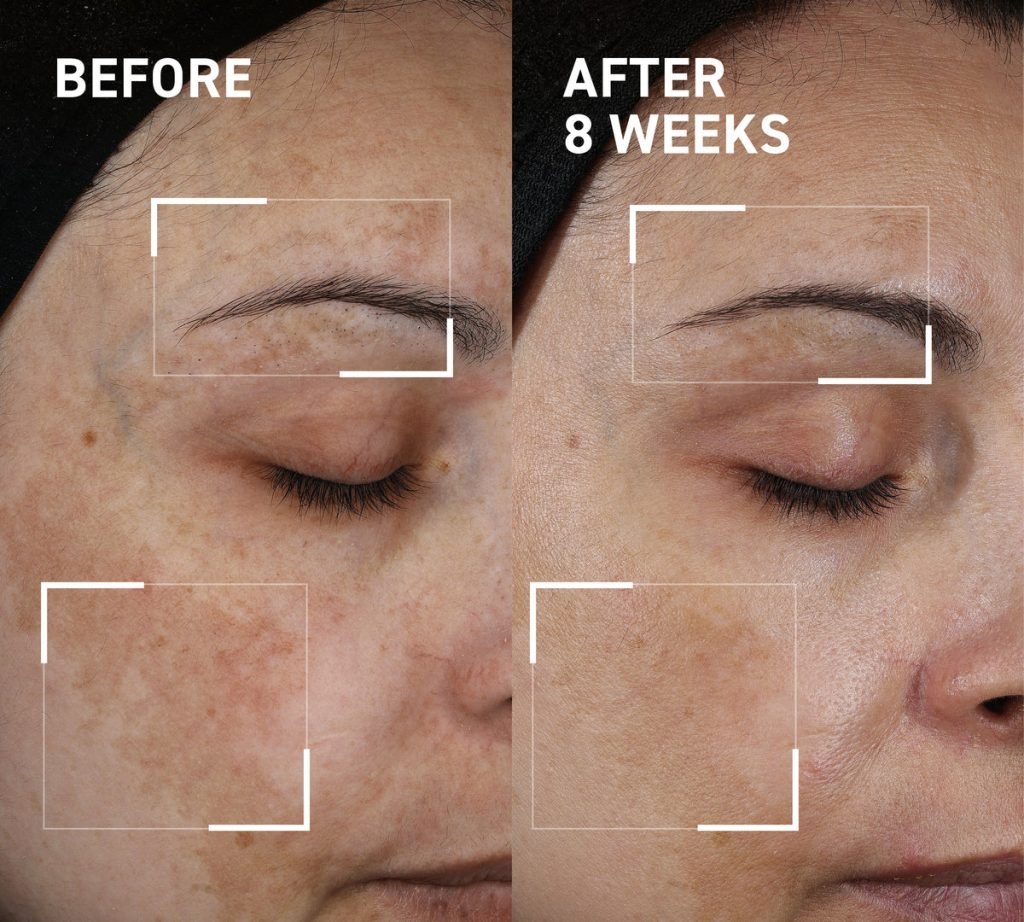
Are you tired of those stubborn dark spots that just won’t fade? Hyperpigmentation can feel frustrating, but the right skincare routine can make a real difference.
Imagine waking up to clearer, brighter skin that boosts your confidence every day. You’ll discover simple steps and effective products tailored to your skin’s needs. Keep reading, because your journey to even-toned skin starts here—and it’s easier than you think.
Causes Of Hyperpigmentation
Understanding the causes of hyperpigmentation is key to managing and preventing it effectively. This skin condition happens when certain areas produce more melanin, the pigment responsible for your skin color. Let’s break down the most common triggers so you can spot them early and adjust your skincare routine accordingly.
Sun Exposure And Uv Damage
Sun exposure is one of the leading causes of hyperpigmentation. UV rays stimulate your skin to produce more melanin as a natural defense, which can lead to dark spots over time.
If you’ve ever skipped sunscreen on a sunny day and noticed new spots appearing, you’ve experienced this firsthand. Even on cloudy days, UV rays can penetrate your skin, so daily protection is crucial.
Ask yourself: Are you consistently applying broad-spectrum sunscreen? This simple step can make a big difference in preventing dark patches.
Hormonal Changes
Hormones play a significant role in skin pigmentation, especially during pregnancy, menopause, or when using birth control pills. This type of hyperpigmentation is often called melasma.
You might notice symmetrical patches on your cheeks, forehead, or upper lip. These changes happen because hormones increase melanin production in certain areas.
Have you tracked your skin changes alongside your menstrual cycle or medication? This can help identify if hormones are behind your hyperpigmentation.
Post-inflammatory Hyperpigmentation
This occurs after your skin experiences injury or inflammation, such as acne, cuts, or eczema. The affected area darkens as your skin heals, sometimes leaving behind stubborn spots.
If you’ve dealt with pimples or wounds that left marks, you’ve seen post-inflammatory hyperpigmentation in action. It can be frustrating because it often lingers even after the initial problem clears.
What’s your current approach to treating acne or skin irritation? Managing inflammation early can reduce the chance of long-term pigmentation.
Key Ingredients To Look For
Choosing the right ingredients for your hyperpigmentation skincare routine can make a huge difference in how your skin looks and feels. Some ingredients work better than others at fading dark spots and evening out your skin tone. Knowing what to look for helps you pick products that actually deliver results.
Vitamin C
Vitamin C is a powerful antioxidant that brightens your skin and reduces dark spots. It blocks melanin production, which is the pigment responsible for hyperpigmentation. Using a serum with stable Vitamin C can give your skin a glowing, even tone over time.
I once struggled with uneven skin tone until I added a Vitamin C serum to my routine. After a few weeks, I noticed my spots fading and my skin looking fresher. Would you believe a simple ingredient like this can make such a visible change?
Niacinamide
Niacinamide, also known as Vitamin B3, is a gentle yet effective ingredient for reducing pigmentation. It helps prevent pigment from transferring to skin cells, which means fewer dark spots. Plus, it calms inflammation and strengthens your skin’s barrier.
If you have sensitive skin, niacinamide might be your best friend. It works well with other ingredients and rarely causes irritation. Have you tried it in your skincare yet?
Alpha Hydroxy Acids
Alpha Hydroxy Acids (AHAs) like glycolic acid and lactic acid exfoliate your skin’s surface. This removes dead skin cells and promotes cell turnover, revealing brighter skin underneath. Regular use can fade discoloration and smooth out rough patches.
Adding an AHA product to your routine felt like hitting the reset button for my skin. But remember, AHAs can increase sun sensitivity, so sunscreen is a must. Are you protecting your skin enough when using exfoliants?
Retinoids
Retinoids speed up cell turnover and help fade dark spots by pushing out old, pigmented cells. They also boost collagen production, improving skin texture and firmness. While they can cause irritation initially, the results are worth the adjustment period.
I hesitated to try retinoids because of their reputation for irritation, but starting slow made a big difference. Over time, my skin looked clearer and more even. Could this be the missing step in your hyperpigmentation routine?
Daily Skincare Steps
Building a daily skincare routine helps reduce hyperpigmentation effectively. Consistency is key to seeing visible changes over time. Each step plays a vital role in managing dark spots and uneven skin tone. A simple, gentle routine protects the skin barrier and supports skin healing.
Gentle Cleansing
Use a mild cleanser that removes dirt without stripping oils. Cleansing twice a day keeps pores clean and skin fresh. Avoid harsh scrubs or strong soaps that can irritate sensitive skin. Soft, circular motions with lukewarm water work best.
Targeted Serums
Apply serums containing ingredients like vitamin C, niacinamide, or licorice root extract. These help lighten dark spots and brighten the complexion. Use serums after cleansing and before moisturizing for better absorption. Consistent use improves skin tone over weeks.
Moisturizing
Choose a moisturizer suitable for your skin type to keep skin hydrated. Moisturized skin heals faster and looks healthier. Lightweight formulas suit oily skin, while creamier ones help dry skin. Moisturizing prevents flakiness and strengthens the skin barrier.
Sun Protection
Apply broad-spectrum sunscreen daily, even on cloudy days. Sunscreen shields skin from UV rays that worsen hyperpigmentation. Reapply every two hours when outdoors. Look for SPF 30 or higher with physical blockers like zinc oxide or titanium dioxide.
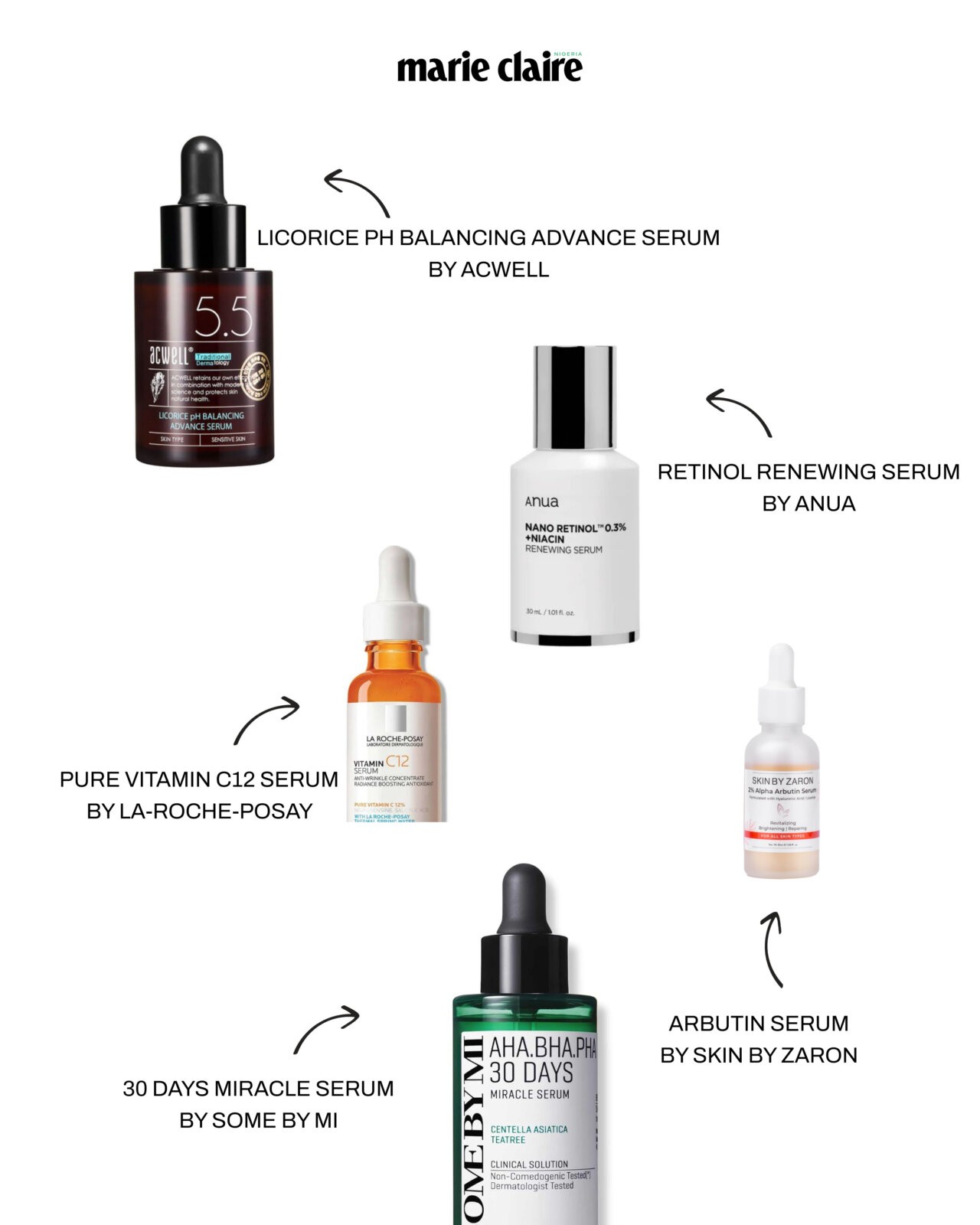
Credit: marieclaire.ng
Weekly Treatments
Weekly treatments play a crucial role in managing hyperpigmentation. They give your skin the extra boost it needs to fade dark spots and brighten uneven tones. Think of these treatments as your skin’s reset button, helping to clear away dead cells and nourish fresh ones.
Exfoliation Techniques
Exfoliation helps remove dead skin cells that trap pigment and dull your complexion. You can choose between physical exfoliants like gentle scrubs or chemical exfoliants containing AHAs (alpha hydroxy acids) or BHAs (beta hydroxy acids).
Chemical exfoliation often works better for hyperpigmentation because it targets pigment buildup without harsh scrubbing. For instance, using a 5-10% glycolic acid peel once a week can dramatically smooth skin texture and promote cell turnover.
Pay attention to how your skin reacts—over-exfoliating can worsen pigmentation and cause irritation. Have you noticed your skin looking brighter after a single exfoliation session? That’s your skin renewing itself.
Face Masks For Brightening
Brightening masks are a great weekly treat to help lighten dark spots and even skin tone. Look for ingredients like vitamin C, niacinamide, or licorice extract that specifically target pigmentation.
Clay masks with added brightening agents can detoxify and visibly brighten your skin in just 10-15 minutes. If you prefer hydration, sheet masks infused with antioxidants are an excellent choice to reduce dullness and calm inflammation.
Try experimenting with different masks and notice which ones give your skin the most glow. What if the right mask could speed up your hyperpigmentation fading process? It’s worth finding out!
Lifestyle Tips For Radiant Skin
Healthy skin starts from within. A good lifestyle supports your skincare efforts. Small changes can reduce hyperpigmentation and brighten your skin. Focus on habits that nourish and protect your skin daily.
Healthy Diet
Eating nutrient-rich foods helps your skin heal faster. Vitamins C and E reduce dark spots and boost glow. Include fruits like oranges, strawberries, and kiwi. Nuts and seeds also supply essential antioxidants. Avoid processed foods and excess sugar that worsen skin issues.
Hydration
Water keeps your skin cells fresh and active. Drink at least eight glasses daily to flush out toxins. Well-hydrated skin looks plumper and less dull. Herbal teas and fresh juices can add variety. Avoid sugary drinks that dehydrate your skin.
Avoiding Triggers
Sun exposure worsens hyperpigmentation. Use broad-spectrum sunscreen every day. Wear hats and sunglasses for extra protection. Avoid harsh skincare products with alcohol or fragrances. Stress and lack of sleep also affect skin health. Practice relaxation and get enough rest regularly.

Credit: www.youtube.com
When To See A Dermatologist
Knowing when to consult a dermatologist is key for managing hyperpigmentation effectively. Some skin changes need expert care beyond home treatments. Early professional advice can prevent worsening and improve results.
Persistent Hyperpigmentation
Dark spots that do not fade after several weeks need a dermatologist’s attention. Persistent hyperpigmentation may indicate deeper skin issues. A doctor can diagnose the cause accurately. They check for conditions like melasma or post-inflammatory hyperpigmentation. Self-treating stubborn spots might cause irritation or uneven skin tone. Professional evaluation ensures safe and targeted care.
Professional Treatments
Dermatologists offer treatments that are not available over the counter. These include:
- Chemical peels to remove the top skin layers
- Laser therapy to target pigment cells
- Prescription creams with stronger ingredients
- Microneedling to boost skin renewal
These methods can speed up fading and improve skin texture. A skin expert will tailor treatments to your skin type and condition. Regular follow-ups help track progress and adjust care plans.

Credit: www.drbrandtskincare.com
Frequently Asked Questions
What Is The Best Skincare Routine For Hyperpigmentation?
A consistent skincare routine with gentle cleansing, exfoliation, and targeted treatments works best. Use ingredients like vitamin C, niacinamide, and sunscreen daily to reduce dark spots and prevent new pigmentation.
How Long Does Hyperpigmentation Skincare Take To Show Results?
Visible improvements usually appear after 4 to 8 weeks of consistent use. However, full fading of hyperpigmentation can take several months depending on severity and skin type.
Can Sunscreen Prevent Hyperpigmentation From Worsening?
Yes, daily broad-spectrum sunscreen is crucial. It protects skin from UV rays, which worsen pigmentation and cause new dark spots. Apply sunscreen every morning and reapply throughout the day.
Which Ingredients Effectively Treat Hyperpigmentation?
Ingredients like vitamin C, niacinamide, alpha arbutin, and retinoids are effective. They brighten skin, inhibit melanin production, and promote cell turnover to fade dark spots gradually.
Conclusion
A consistent skincare routine helps reduce hyperpigmentation. Cleanse gently every day. Use sunscreen to protect your skin. Try products with vitamin C for brightening. Moisturize to keep skin healthy. Patience is key; results take time. Make sure to choose products suitable for your skin type.
Consult a dermatologist for personalized advice. Remember, everyone’s skin is unique. Monitor your skin’s response and adjust as needed. Healthy skin boosts confidence and comfort. Stay committed to your skincare journey. Celebrate small improvements along the way. Enjoy taking care of yourself.
Your skin will thank you.
