Struggling with those stubborn dark spots left behind by acne? You’re not alone.
Hyperpigmentation acne scars can be frustrating, affecting your self-esteem and making you feel less confident in your skin. But here’s the good news: understanding what causes these pesky marks and learning how to treat them can pave the way to clearer, more radiant skin.
Imagine waking up each morning and seeing your skin smooth, even-toned, and glowing. Sounds like a dream, right? As you continue reading, you’ll discover effective strategies and treatments that can help you achieve just that. Let’s dive into the world of hyperpigmentation acne scars and unlock the secrets to restoring your skin’s natural beauty.

Credit: globalnews.ca
Causes Of Hyperpigmentation Acne Scars
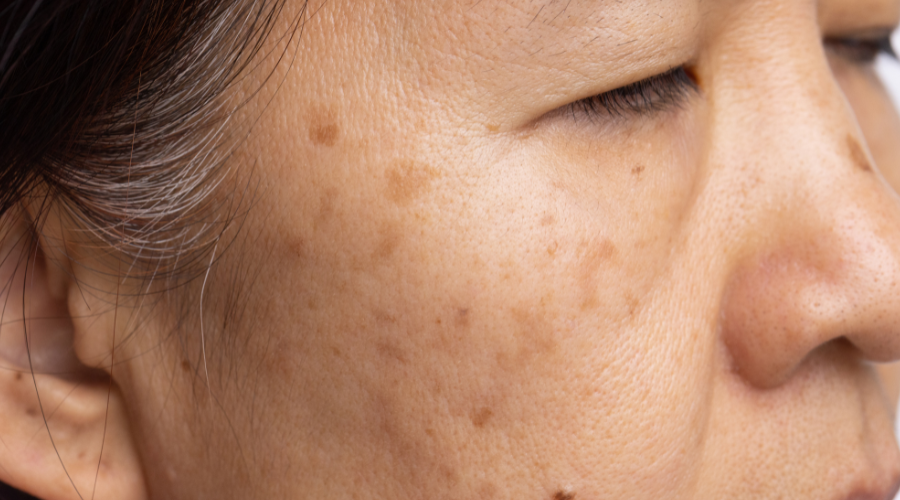
Hyperpigmentation acne scars appear as dark marks left after pimples heal. These marks happen when skin produces too much melanin in certain spots. Understanding what causes this helps in preventing and treating these scars effectively.
Role Of Inflammation
Inflammation triggers skin cells to produce extra melanin. When acne is active, the skin becomes red and swollen. This reaction can cause uneven skin tone after the acne clears. The deeper the inflammation, the darker the scar may become.
Skin Types Prone To Dark Spots
Darker skin tones often develop more noticeable hyperpigmentation. People with medium to dark skin produce more melanin naturally. This makes dark spots more common and longer-lasting. Light skin can get scars too, but they usually fade faster.
Impact Of Sun Exposure
Sun rays worsen hyperpigmentation by stimulating melanin production. UV exposure makes dark spots darker and harder to treat. Protecting skin from the sun reduces the risk of scars getting worse. Sunscreen use is essential for scar prevention and healing.
Topical Treatments For Fast Results
Topical treatments can help reduce hyperpigmentation acne scars quickly. These products work on the skin’s surface to fade dark spots and even out skin tone. Choosing the right treatment depends on your skin type and scar severity.
Retinoids And Their Benefits
Retinoids are vitamin A derivatives that speed up skin cell turnover. They help fade dark spots by removing dead skin layers. Retinoids also boost collagen production, improving skin texture. Regular use can make scars less visible over weeks.
Vitamin C Serums
Vitamin C is a powerful antioxidant that brightens the skin. It blocks melanin production, reducing dark spots caused by acne. Applying vitamin C serum daily helps lighten scars and protect skin from damage. It also promotes healing and healthy skin growth.
Hydroquinone Creams
Hydroquinone creams are strong lightening agents for dark scars. They work by stopping melanin production in the skin. These creams can show results faster than many other treatments. Use hydroquinone under a doctor’s guidance to avoid side effects.
Natural Remedies
- Aloe vera gel soothes skin and may lighten scars.
- Licorice extract helps reduce pigmentation naturally.
- Green tea contains antioxidants that protect and heal skin.
- Honey promotes skin repair and hydration.
Natural remedies are gentle and safe but may take longer to work. Consistent use is key to seeing improvements.
Professional Procedures To Consider
Dealing with hyperpigmentation acne scars can feel frustrating, especially when over-the-counter products don’t deliver the results you want. Professional procedures offer targeted solutions that can significantly improve your skin’s appearance. Understanding these options helps you choose what fits your skin type and lifestyle best.
Chemical Peels
Chemical peels use acids to remove the top layer of skin, encouraging new, healthier skin to grow. They help fade dark spots left by acne by speeding up cell turnover. You might notice smoother skin and a more even tone after a series of treatments.
Peels vary in strength, so it’s important to discuss with a dermatologist which type suits your skin. Have you thought about how a deeper peel might bring faster results but require more downtime?
Laser Therapy
Laser therapy targets pigmentation by breaking down excess melanin in your skin. This method also stimulates collagen production, which can improve texture and reduce scar depth. Many people see visible improvement after just a few sessions.
Different lasers work for different skin tones and scar types, so professional advice is crucial. Are you ready to invest in a treatment that combines pigment correction with skin rejuvenation?
Microneedling
Microneedling involves tiny needles that create small wounds, triggering your skin’s natural healing process. This helps reduce scars and evens out skin tone by boosting collagen and elastin. It’s a minimally invasive option with minimal downtime.
This procedure works well if you prefer a treatment that improves texture along with pigmentation. Could microneedling be the balance between effectiveness and recovery time you’re looking for?
Microdermabrasion
Microdermabrasion gently exfoliates the outer layer of skin using fine crystals or a diamond tip. It removes dead skin cells and lightens dark spots caused by acne scars. This is a quick procedure that you can often combine with other treatments.
While it’s less intense than chemical peels or lasers, regular sessions can gradually improve your skin’s tone. Would you consider microdermabrasion as a maintenance step after more aggressive treatments?

Credit: www.reddit.com
Lifestyle Tips To Enhance Healing
Healing hyperpigmentation acne scars needs care beyond skincare products. Daily habits impact skin repair and tone. Simple lifestyle changes can help skin regain its natural glow. Focus on protecting skin, eating well, and following a skincare routine for best results.
Sun Protection Strategies
Sun exposure darkens hyperpigmentation scars. Use broad-spectrum sunscreen with at least SPF 30 every day. Reapply every two hours when outdoors. Wear wide-brimmed hats and sunglasses for extra protection. Avoid direct sun during peak hours, usually 10 a.m. to 4 p.m. Shade helps minimize skin damage and discoloration.
Diet And Hydration
Healthy skin needs good nutrition and water. Eat fruits and vegetables rich in vitamins C and E. These antioxidants support skin healing and reduce inflammation. Drink plenty of water to keep skin hydrated and flush out toxins. Avoid excessive sugar and processed foods that may worsen skin issues.
Consistent Skincare Routine
Stick to a gentle and steady skincare routine. Use mild cleansers to avoid irritation. Include products with ingredients like niacinamide or vitamin C to brighten skin. Exfoliate gently once or twice a week to remove dead skin cells. Moisturize daily to maintain skin barrier and prevent dryness.
Common Mistakes To Avoid
Dealing with hyperpigmentation acne scars can be frustrating, especially when your efforts to improve your skin end up causing more harm than good. Many people unknowingly make mistakes that worsen their scars or slow down healing. Recognizing and avoiding these common pitfalls can make a significant difference in your skin’s recovery journey.
Over-exfoliating
Exfoliating is important to remove dead skin cells, but doing it too often can damage your skin barrier. Over-exfoliation causes irritation and redness, making scars look more pronounced. If your skin feels tight or looks inflamed after exfoliating, you might be overdoing it.
Try limiting exfoliation to 2-3 times a week and choose gentle exfoliants. This helps your skin heal while still encouraging cell turnover to fade dark spots. Have you noticed your skin getting worse after scrubbing too hard or too often?
Skipping Sunscreen
Sun exposure darkens hyperpigmentation and slows healing, yet many skip sunscreen thinking it’s only for sunny days. UV rays can penetrate clouds and windows, making daily protection essential. Not using sunscreen can undo all your efforts to lighten acne scars.
Pick a broad-spectrum sunscreen with at least SPF 30 and apply it every morning. Remember to reapply if you’re outdoors for hours. Could your scar fading be stuck because you aren’t protecting your skin from the sun?
Using Harsh Products
Harsh skincare products with strong chemicals or fragrances can irritate sensitive scarred skin. This irritation triggers inflammation, which worsens pigmentation and delays healing. Sometimes, products that promise quick results actually cause more damage.
Look for products labeled “for sensitive skin” or those with calming ingredients like aloe vera or niacinamide. Avoid using too many active ingredients at once to prevent overload. Have you checked the ingredient list to see if your products might be making your scars worse?

Credit: www.reddit.com
Frequently Asked Questions
What Causes Hyperpigmentation Acne Scars?
Hyperpigmentation acne scars result from excess melanin production after skin inflammation. Acne triggers this response, causing dark spots. Sun exposure worsens these marks. Proper skincare and sun protection help reduce hyperpigmentation over time.
How Can I Treat Hyperpigmentation Acne Scars?
Treatments include topical creams with ingredients like vitamin C, retinoids, and hydroquinone. Chemical peels and laser therapy also help. Consistent skincare and sun protection improve results. Consult a dermatologist for personalized treatment options.
Are Hyperpigmentation Acne Scars Permanent?
Hyperpigmentation scars usually fade naturally but can take months or years. Early treatment speeds fading. Sun protection prevents worsening. Some scars may require professional treatments for complete removal.
Can Natural Remedies Reduce Acne Hyperpigmentation?
Some natural remedies like aloe vera, green tea, and licorice extract may lighten hyperpigmentation. Results vary and take time. Always patch-test first. Natural options support but don’t replace medical treatments.
Conclusion
Treating hyperpigmentation acne scars takes patience and care. Consistent skin care helps fade dark spots over time. Using sunscreen daily protects your skin from worsening scars. Gentle products reduce irritation and support healing. Healthy habits like drinking water and eating well improve skin health.
Consult a dermatologist for personalized advice and treatments. Clearer skin is possible with the right steps. Keep your routine simple and steady. Small changes make a big difference. Stay patient and take care of your skin.