
Do you want flawless skin and perfect makeup application every time? If so, the secret might be hiding in your makeup brushes.
These tools can accumulate dirt, oil, and old makeup, potentially causing breakouts and dull skin. But don’t worry, you’re not alone in this. Many people overlook the importance of cleaning their makeup brushes. Imagine the feeling of using fresh, clean brushes on your skin—it’s like a mini spa treatment right at home! In this guide, you’ll discover simple steps to wash your makeup brushes, ensuring they last longer and keep your skin healthy.
Ready to unlock the glow? Let’s dive in!
Why Clean Makeup Brushes Matter
Keeping your makeup brushes clean is more important than many realize. Dirty brushes don’t just affect how your makeup looks—they can harm your skin too. If you want flawless makeup and healthy skin, you need to pay attention to how often and how well you clean your tools.
Protect Your Skin From Breakouts And Irritation
Makeup brushes collect oil, dirt, and dead skin cells every time you use them. This buildup can clog your pores and cause acne or irritation. I once ignored cleaning my brushes for weeks and noticed more pimples right where I applied foundation. You don’t want your tools working against your skin’s health.
Maintain Makeup Brush Performance
Dirty brushes don’t apply makeup smoothly. Old makeup residue can make your brushes stiff or patchy, ruining your look. Clean brushes glide on product evenly, giving you a flawless finish every time. Think about how much better your foundation looks with a fresh, soft brush.
Extend The Life Of Your Brushes
Cleaning your brushes regularly keeps the bristles soft and prevents damage. Neglected brushes shed hairs and lose shape faster, meaning you’ll spend more money replacing them. Taking a few minutes to clean your brushes saves you from buying new ones too soon.
Prevent Bacterial Growth
Bacteria thrive in the warm, damp environment of dirty brushes. Using these brushes on your skin can spread infections or cause redness. Would you use a dirty sponge on your face? Your brushes deserve the same care to stay safe and hygienic.
Credit: www.lemon8-app.com
Gathering Your Supplies
Before you dive into washing your makeup brushes, it’s essential to gather the right supplies. Having everything at hand not only makes the process smooth but also ensures your brushes get the best clean possible. Think about what really works for you and your brush types.
Essential Cleaning Tools
Start with a gentle brush cleanser or a mild soap. Baby shampoo is a popular choice because it’s gentle yet effective. You can also use a dedicated brush cleaning solution if you want something made specifically for makeup brushes.
Don’t forget a clean bowl or cup to hold water and cleanser. A silicone brush cleaning mat or glove can speed up the process by helping to remove stubborn makeup residue. If you don’t have one, your hands will do just fine.
Choosing The Right Drying Setup
After washing, your brushes need a place to dry properly. A clean towel or paper towels are perfect for blotting excess water. Consider a brush holder or an elevated rack to let the brushes dry with the bristles facing down or sideways—this prevents water from damaging the handle or loosening glue.
Have you noticed how wet brushes left standing upright can fall apart faster? Setting up a drying area before you start washing saves you that frustration.
Additional Helpful Items
- Warm water:lukewarm, not hot, to protect brush bristles
- Old toothbrush:useful for deep-cleaning stubborn spots
- Clean container or bag:to store brushes after cleaning
- Timer or clock:to keep track of soaking time
Having these extras can make your brush-cleaning routine quicker and more effective. What simple tools do you already have around that could make the process easier?
Choosing The Right Cleanser
Choosing the right cleanser for your makeup brushes is key to keeping them clean and extending their lifespan. Using the wrong product can damage the bristles or leave residues that affect your makeup application. Let’s dive into what makes a cleanser effective and safe for your brushes.
Gentle Vs. Strong Cleansers
Gentle cleansers, like baby shampoo or mild soap, work well for delicate brush hairs. They remove dirt without stripping natural oils that keep the bristles soft. Strong cleansers, such as harsh detergents, might clean deeper but can make brushes stiff and brittle over time.
Have you ever noticed your brushes feeling rough or shedding after washing? That’s often a sign the cleanser is too aggressive.
Specialty Brush Cleaners
There are products made specifically for cleaning makeup brushes, designed to dissolve makeup buildup quickly. Many contain ingredients that condition bristles and dry fast. These can be a great choice if you clean your brushes frequently and want convenience.
However, some specialty cleaners come with fragrances or chemicals that might irritate sensitive skin, so always check the ingredients.
Natural Alternatives
If you prefer avoiding chemicals, natural options like olive oil combined with castile soap can effectively break down makeup. These ingredients nourish the bristles while cleaning them thoroughly. Plus, natural cleansers are often easier on the environment and your skin.
Do you feel more comfortable using homemade solutions instead of store-bought products? It can be satisfying to know exactly what’s in your cleanser.
What To Avoid
- Household cleaners or antibacterial soaps, which can be too harsh.
- Alcohol-based products that dry out bristles.
- Oils that aren’t water-soluble, as they can leave residue.
Choosing the wrong cleanser can do more harm than good. Are you checking the label carefully before washing your brushes?
Step-by-step Washing Process
Cleaning your makeup brushes properly is essential to keep your skin healthy and your makeup flawless. A clear, step-by-step washing process makes this chore simple and effective. Let’s walk through the best way to refresh your brushes right at home.
Rinse Brushes With Lukewarm Water
Start by holding your brush bristles under lukewarm water. Avoid hot water as it can damage the bristles and loosen the glue holding them together. Make sure the water flows downward to prevent water from reaching the handle, which can weaken your brush over time.
Apply Cleanser Gently
Use a gentle cleanser designed for makeup brushes or a mild soap like baby shampoo. Put a small amount in your palm or on a cleaning mat. Gently swirl the brush bristles in the cleanser, making sure to avoid pressing too hard. Have you noticed how gentle movements help preserve brush shape?
Work Up A Lather
Continue swirling the brush to create a rich lather. This helps lift dirt, oil, and makeup residue from deep inside the bristles. If you’re using a cleaning mat, the texture can really help break down stubborn buildup without rough scrubbing.
Rinse Thoroughly
Rinse the brush under lukewarm water again, ensuring all soap and residue wash out completely. Check the bristles with your fingers to feel if any makeup remains. If you still feel residue, repeat the lather and rinse steps until the water runs clear.
Squeeze Out Excess Water
Use your fingers or a clean towel to gently squeeze out extra water from the bristles. Avoid pulling or twisting, which can damage the brush. Then, reshape the bristles and lay the brush flat to dry—never upright—to maintain its form and avoid water seeping into the handle.
Drying Tips For Brushes
Drying your makeup brushes properly is just as important as cleaning them. The way you dry your brushes affects their lifespan and performance. If you want your brushes to stay soft and keep their shape, you need to pay attention to how you handle them after washing.
Shape Bristles
After rinsing, gently squeeze out excess water without twisting the bristles. Use your fingers to reshape the brush head so it looks like it did before washing.
This helps prevent the bristles from splaying out or becoming uneven. Have you noticed how a misshapen brush can affect your makeup application? Keeping the shape intact makes a big difference.
Lay Flat To Dry
Always lay your brushes flat on a clean towel to dry. Avoid standing them upright because water can seep into the handle, loosening the glue that holds the bristles.
Placing them on a flat surface ensures even drying and reduces the risk of damage. I once dried my brushes upright and ended up with a few loosening bristles—something I wish I had avoided.
Avoid Heat Damage
Never use a hairdryer or place your brushes near a heater to speed up drying. High heat can cause the bristles to become brittle and break over time.
Let your brushes air dry naturally in a well-ventilated space. Your patience will pay off with brushes that last longer and feel soft every time you use them.

Credit: creatingmaryshome.com
How Often To Clean Brushes
Keeping makeup brushes clean is important for healthy skin and better makeup results. Dirt, oil, and bacteria build up on brushes every day. This can cause breakouts and skin irritation. Regular cleaning helps brushes last longer and keeps your makeup looking fresh.
How often you should wash your brushes depends on how often you use them and the type of product you apply. Some brushes need more frequent cleaning than others to stay hygienic and effective.
Daily Cleaning For Foundation And Concealer Brushes
Brushes used for liquid and cream products like foundation and concealer collect more oils and bacteria. Clean these brushes after every use to avoid clogged pores and skin problems. A quick daily wipe with a brush cleaner or gentle soap works well.
Weekly Cleaning For Eyeshadow And Powder Brushes
Brushes for powder products like eyeshadow and blush do not need daily cleaning. Wash these brushes once a week to remove product buildup and dust. This keeps colors true and prevents skin irritation.
Deep Cleaning Once A Month
Give all your brushes a deep clean at least once a month. Use warm water and mild soap or brush shampoo. Gently massage the bristles and rinse thoroughly. This removes stubborn dirt and bacteria.
Signs Your Brushes Need Cleaning
- Brushes feel stiff or sticky
- Makeup colors look dull or patchy
- Skin breaks out after using brushes
- Brushes have a bad smell
Common Mistakes To Avoid
Washing your makeup brushes might seem straightforward, but many people unknowingly make mistakes that can damage their brushes or reduce their effectiveness. Avoiding these common errors can save you time, money, and keep your skin healthier by preventing bacteria buildup.
Using Hot Water Instead Of Lukewarm
Hot water can loosen the glue that holds your brush bristles together, causing them to shed or fall apart over time. Lukewarm water cleans effectively without damaging the brush structure.
Have you noticed your brushes losing bristles quickly? Try switching to lukewarm water and see the difference.
Skipping The Drying Process Properly
Many skip drying brushes correctly, which leads to mold growth or misshaped bristles. Always lay your brushes flat on a clean towel and let them air dry completely.
Standing them upright traps water inside, weakening the handle and bristles. How do you usually dry your brushes?
Using Harsh Soaps Or Detergents
Some soaps can strip your brushes of their softness and cause bristles to become brittle. Use gentle brush cleansers or mild baby shampoo instead.
This small change will keep your brushes soft and extend their lifespan significantly.
Not Cleaning Brushes Frequently Enough
Waiting too long between cleanings allows makeup residue and bacteria to build up, which can cause skin breakouts. Aim to clean your brushes at least once a week if you use them daily.
Think about how often you touch your face during the day. Does it make sense to let dirty brushes stay unwashed for weeks?
Overloading Brushes With Too Much Soap
Using excessive soap can be tough to rinse out and leave residue on the bristles. A small amount of cleanser is enough to get them clean.
Try applying a pea-sized amount and lathering well to avoid soap buildup and prolong brush life.
Maintaining Brush Hygiene Between Washes
Keeping your makeup brushes clean between washes is key to preventing bacteria buildup and maintaining your skin’s health. Dirty brushes can cause breakouts, irritation, and even affect how your makeup looks. But washing brushes daily isn’t always practical, so adopting simple hygiene habits can make a big difference.
Use A Brush Cleaner Spray
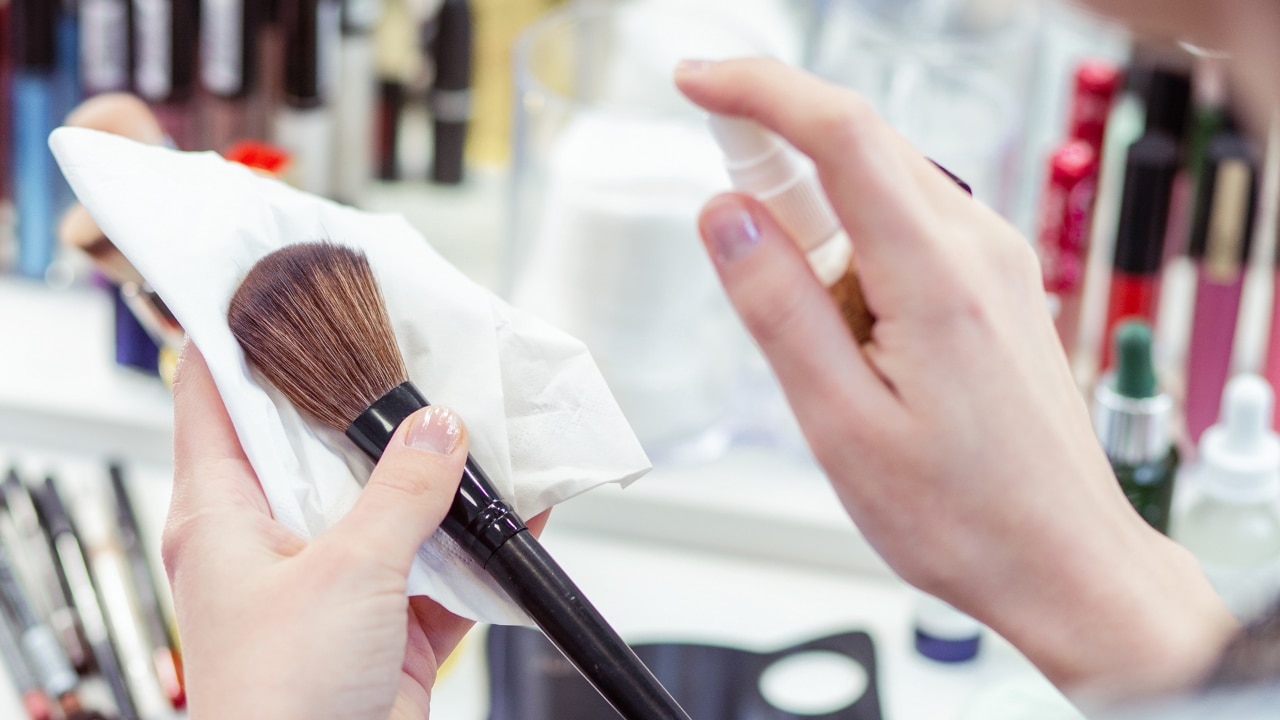
Brush cleaner sprays are a quick fix to remove surface makeup and oils from your brushes. Just spritz the brush and wipe it on a clean tissue or cloth until it looks fresh. This simple step can extend the time between deep washes and keep your brushes feeling cleaner.
Store Brushes Properly
How you store your brushes affects their cleanliness. Keep them upright in a clean holder or case, away from dust and moisture. Avoid tossing them in your makeup bag without protection, as this can transfer dirt and germs back onto the bristles.
Clean Hands Before Use
Your hands touch many surfaces and carry bacteria that can transfer to your brushes. Make it a habit to wash your hands before applying makeup or touching your brushes. This small action helps reduce contamination and keeps your tools safer to use.
Dry Brushes Thoroughly After Washing
Leaving brushes damp can encourage bacteria growth. After washing, reshape the bristles and lay them flat to dry, preferably on a clean towel. Avoid drying them upright, as water can seep into the handle and loosen the glue over time.
Rotate Brushes During Makeup Application
Using the same brush for multiple products without cleaning can mix oils and pigments, causing buildup. Try rotating between brushes or using different ones for specific products, especially between liquid and powder formulas. This simple habit keeps each brush cleaner for longer.
Credit: www.bebeautiful.in
Frequently Asked Questions
How Often Should I Wash Makeup Brushes At Home?
You should wash makeup brushes at least once a week. Regular cleaning removes bacteria, oil, and product buildup. This keeps brushes hygienic and skin healthy. Frequent washing extends brush lifespan and improves makeup application.
What Is The Best Soap For Cleaning Makeup Brushes?
Gentle, fragrance-free soap or brush cleaner works best. Baby shampoo is a popular, mild option. Avoid harsh detergents that damage bristles. Choose a cleanser that effectively removes makeup without drying brushes.
Can I Use Hot Water To Wash Makeup Brushes?
Use lukewarm water, not hot water. Hot water can loosen brush glue and damage bristles. Lukewarm water cleans effectively without harming the brush structure. Always rinse thoroughly to remove all soap residue.
How Do I Dry Makeup Brushes Properly At Home?
After washing, gently squeeze out excess water. Reshape bristles and lay brushes flat to dry. Avoid standing them upright while wet to prevent water damage. Air dry completely before next use to avoid mold.
Conclusion
Cleaning your makeup brushes keeps them safe and lasts longer. Regular washing stops germs from building up. It also helps your makeup look fresh and smooth. Use gentle soap and warm water for best results. Dry brushes flat to keep their shape.
Make this a weekly habit for healthy skin. Clean brushes make your beauty routine better. Simple steps can make a big difference. Keep your tools clean and enjoy flawless makeup every day.
