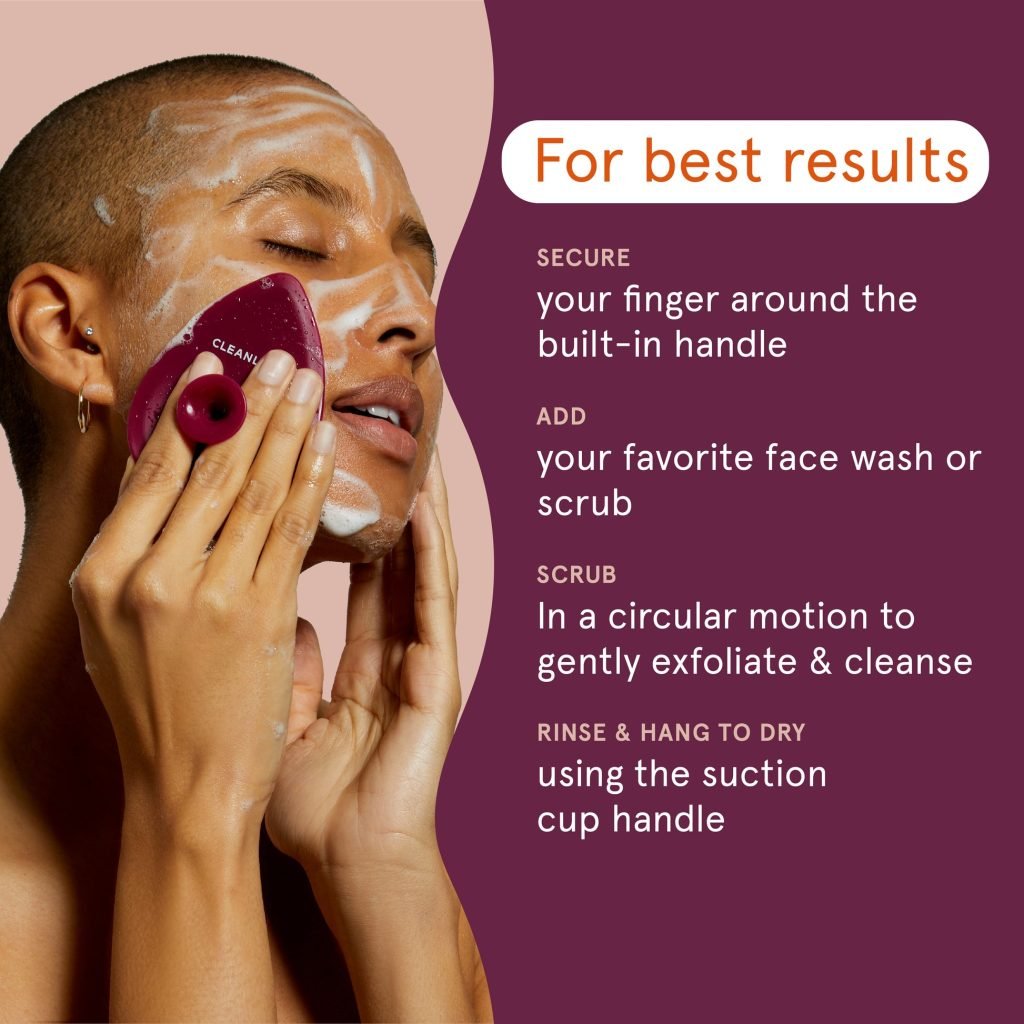
Are you looking to elevate your skincare routine and achieve that fresh, glowing complexion? A facial cleansing brush might just be your new best friend.
Imagine waking up to smoother, clearer skin, feeling confident and ready to face the day. The secret lies in how you use this powerful tool. It’s not just about turning it on and letting it do its thing; there’s a technique to it that can make all the difference.
In this guide, you’ll discover step-by-step instructions on how to use a facial cleansing brush effectively. Get ready to transform your skincare routine and unlock the radiant skin you’ve always wanted. Curious to know how? Keep reading, and let’s dive into the world of facial cleansing brushes together.
Benefits Of Facial Cleansing Brushes
Facial cleansing brushes offer several benefits that improve skin health. They provide a deeper clean than regular washing. These brushes help remove dirt, oil, and makeup from pores. Using one can refresh and brighten your skin daily.
The right brush can also gently exfoliate dead skin cells. This supports skin renewal and smoothness. Consistent use makes your skin feel softer and look clearer.
Facial cleansing brushes boost the absorption of skincare products. Clean skin allows lotions and serums to penetrate better. This enhances the effects of your skincare routine.
These brushes also stimulate blood flow in the face. Improved circulation brings more oxygen and nutrients to skin cells. This can give your complexion a healthy glow.
Deep Pore Cleansing
Facial brushes reach deep into pores to remove buildup. They clear away dirt, oil, and impurities. This helps prevent blackheads and breakouts. The deep cleanse leaves skin feeling fresh and clean.
Exfoliation And Skin Renewal
The brush gently removes dead skin cells on the surface. This process reveals new, healthy skin underneath. It smooths rough patches and evens skin texture. Regular exfoliation keeps skin looking bright and renewed.
Improved Absorption Of Skincare Products
Clean skin absorbs moisturizers and serums more effectively. Removing surface debris allows ingredients to reach deeper layers. This makes your skincare products work better and last longer.
Enhanced Blood Circulation
Using a facial cleansing brush stimulates blood flow in the face. Increased circulation delivers oxygen and nutrients to skin cells. This promotes a natural, radiant complexion. It also supports skin repair and health.

Credit: www.youtube.com
Types Of Facial Cleansing Brushes
Facial cleansing brushes come in various types, each designed to suit different skin needs and preferences. Understanding the differences helps you pick a brush that enhances your skincare routine rather than complicates it. Let’s dive into the main types and what makes each unique.
Manual Vs. Electric Brushes
Manual brushes require you to move the brush in circular motions yourself, giving you full control over pressure and speed. They are simple, affordable, and easy to clean, which makes them great for beginners or sensitive skin.
Electric brushes, on the other hand, offer powered rotation or vibration that can provide a deeper clean with less effort. If you have oily or combination skin, an electric brush might help remove dirt and excess oil more efficiently. But be cautious—using too much pressure or a high-speed setting can irritate delicate skin.
Brush Head Materials
The material of the brush head greatly affects how your skin feels after cleansing. Most brush heads use synthetic bristles, which are gentle, hygienic, and dry quickly. Some brushes come with silicone bristles, which are softer and resist bacteria buildup, ideal if you have sensitive skin or acne-prone areas.
Natural bristle heads exist but are less common and can be rougher on the skin. If you notice redness or irritation, switching to a brush head with softer, synthetic bristles can make a big difference.
Choosing The Right Brush For Your Skin Type
Think about your skin’s unique needs before selecting a brush. Dry or sensitive skin benefits from soft bristles and gentle manual brushes to avoid stripping natural oils. Combination and oily skin types often find electric brushes with firmer bristles effective in controlling oil and preventing breakouts.
Do you have acne or rosacea? Look for brushes labeled safe for sensitive or acne-prone skin, and avoid harsh scrubbing. Remember, the right brush should improve your skin’s texture without causing irritation—listen to your skin’s feedback as you try different options.
Preparing Your Skin And Brush
Getting your skin and facial cleansing brush ready is a crucial step for a deep and effective cleanse. Skipping or rushing this part can lessen the benefits and even irritate your skin. Taking a few moments to prepare ensures your cleansing routine feels refreshing and leaves your skin glowing.
Removing Makeup And Dirt
Before using your brush, make sure to remove all makeup and surface dirt. Cleansing brushes work best on clean skin, so any leftover makeup can clog the brush and prevent proper exfoliation.
I used to rush this step, and my brush would get clogged quickly, making it less effective. Use a gentle makeup remover or micellar water on a cotton pad to wipe your face thoroughly. This simple step saves time and protects your brush’s longevity.
Wet Your Face And Brush
Next, splash lukewarm water on your face to moisten your skin. A wet surface helps the brush glide smoothly without pulling or irritating your skin.
Also, dampen the brush head before switching it on. This softens the bristles and prepares them to work gently yet effectively. Have you noticed how a dry brush can feel harsh? Wetting both your face and the brush is a small step that makes a big difference.
Selecting The Right Cleanser
Choose a cleanser that matches your skin type and works well with your brush. Gel or foam cleansers usually pair well, as they create enough lather for the brush to spread evenly.
I once tried a thick cream cleanser with my brush, and it clogged the bristles fast. Avoid heavy or exfoliating scrubs that can be too abrasive when combined with the brush. Instead, look for gentle formulas designed for daily use and suited to your skin’s needs.

Credit: www.beautypie.com
Step-by-step Cleansing Routine
Using a facial cleansing brush correctly can transform your skincare routine, making your skin feel cleaner and look fresher. The key lies in following a proper step-by-step process that maximizes the brush’s benefits without irritating your skin. Let’s break down the routine so you know exactly how to get the best results.
Applying Cleanser To Brush Or Face
Decide whether to apply your cleanser directly onto the brush head or your face. If your cleanser is thick, applying it to the brush ensures even distribution. For liquid cleansers, putting a small amount on your damp face can work better.
Make sure the brush head is slightly damp before adding cleanser. This prevents the product from being absorbed too quickly and helps create a gentle lather. Have you noticed how using too much cleanser can feel sticky? A pea-sized amount is usually enough.
Gentle Circular Motions
Turn on your brush and move it in small, gentle circles across your face. Avoid pressing too hard; the brush’s rotation or vibration does the work for you. Concentrate on areas prone to oil and dirt buildup, like your T-zone and chin.
Spend extra time on spots where makeup or sunscreen tends to linger. Does your skin feel sensitive after using the brush? That’s a sign to lighten your touch or reduce the time spent on certain areas. Remember, gentle is effective.
Timing Your Cleansing
Limit the brushing time to about 60 seconds. Dividing this into 15 seconds for each area—forehead, each cheek, and chin—helps ensure thorough cleansing without overdoing it. Overbrushing can lead to redness and irritation.
Think about your skin’s needs: If you have sensitive skin, start with even shorter sessions and build up as your skin adjusts. How long do you usually spend washing your face? Try timing yourself and see if a shorter, focused routine feels better.
Rinsing And Pat Drying
Rinse your face thoroughly with lukewarm water to remove all cleanser residue. Avoid hot water, which can strip your skin of natural oils. After rinsing, gently pat your face dry with a soft towel instead of rubbing.
Cleaning your brush head regularly is just as important—rinse it well after every use and let it air dry. Have you ever forgotten this step? It can lead to bacteria buildup, which defeats the purpose of a clean face. Keeping the brush fresh keeps your skin happy.
Tips To Maximize Glow And Avoid Irritation
Using a facial cleansing brush can transform your skincare routine, offering a radiant glow while keeping irritation at bay. The key lies in how you use it. Small adjustments in your technique and care can make all the difference in achieving healthy, glowing skin without redness or discomfort.
Frequency Of Use
How often you use your facial cleansing brush can impact your skin’s health. Start with two to three times a week to see how your skin reacts. Overuse can strip natural oils, causing dryness or sensitivity, especially if your skin is delicate.
Pay attention to your skin’s response. If you notice redness or tightness, reduce the frequency. On the other hand, oily skin types might benefit from more frequent use, but always listen to your skin’s needs.
Avoiding Sensitive Areas
Your face has zones that need gentle care. Avoid using the brush on sensitive spots like around the eyes, any active acne, or broken skin. These areas can easily become irritated or worsen if scrubbed too hard.
Instead, use your fingertips with light pressure in these zones. This helps protect delicate skin while still maintaining cleanliness. Can you feel the difference when you skip these areas with the brush?
Cleaning And Maintaining Your Brush
Keeping your facial cleansing brush clean prevents bacteria buildup, which can cause breakouts and irritation. Rinse the brush thoroughly after each use to remove cleanser and debris. Let it air dry in a clean, dry place.
Once a week, deep clean the brush head with warm water and mild soap. Avoid sharing your brush with others to reduce the risk of infection. How often do you think about cleaning your tools?
When To Replace Brush Heads
Brush heads don’t last forever. Replace them every three months or sooner if you notice frayed bristles or a persistent odor. Using worn-out heads can irritate your skin and reduce cleansing effectiveness.
Mark your calendar or set a reminder to swap brush heads regularly. Your skin will thank you with consistent, gentle exfoliation and a healthy glow.
Common Mistakes To Avoid
Using a facial cleansing brush can improve your skin’s health and appearance. Avoid mistakes to get the best results. Many users make errors that cause irritation or damage. Learn what to avoid for a safe cleansing routine.
Over-exfoliating
Cleaning your face too often can harm your skin. Over-exfoliating removes natural oils and causes redness. Use the brush only as recommended, usually two to three times a week. Let your skin rest between uses to stay healthy.
Using The Wrong Cleanser
Not all cleansers suit facial brushes. Avoid thick or abrasive cleansers that clog the brush. Choose gentle, water-based cleansers for smooth cleansing. The wrong cleanser can irritate your skin or reduce brush effectiveness.
Applying Too Much Pressure
Pressing the brush hard does not clean better. Too much pressure can cause redness and damage. Let the brush do the work with light, circular motions. Be gentle to avoid harming your skin’s surface.
Sharing Your Brush
Sharing your brush spreads bacteria and germs. This can lead to breakouts and infections. Keep your brush personal and clean it regularly. Store it in a dry place to prevent bacteria growth.
Enhancing Your Skincare Routine
Enhancing your skincare routine with a facial cleansing brush improves skin health and appearance. The brush removes dirt, oil, and dead skin cells deeply. This allows other skincare products to work better. Use gentle motions to avoid skin irritation. Follow cleansing with steps that nourish and protect your skin.
Pairing With Toners And Serums
After cleansing, apply a toner to balance your skin’s pH. Toners prepare your skin to absorb serums more effectively. Use a cotton pad or your hands to gently pat toner on your face.
Next, apply a serum suited to your skin needs. Serums contain concentrated ingredients that target specific issues like dryness or dullness. Using a facial cleansing brush helps serums penetrate deeper and work faster.
Moisturizing After Cleansing
Moisturizing locks in hydration and soothes your skin. Choose a moisturizer suitable for your skin type. Apply it while your skin is still slightly damp for better absorption. This step prevents dryness and keeps your skin soft and supple.
Incorporating Sunscreen
Sunscreen protects your skin from harmful UV rays. Apply it every morning after moisturizer. Use enough to cover your face and neck evenly. Sunscreen helps prevent sun damage and premature aging. Make it a daily habit for healthy skin.

Credit: www.amazon.com
Frequently Asked Questions
How Often Should I Use A Facial Cleansing Brush?
Use a facial cleansing brush 2-3 times a week for normal skin. Overuse can cause irritation. Adjust frequency based on your skin type and sensitivity.
Can Facial Cleansing Brushes Help With Acne?
Yes, they can help remove dirt and excess oil. This reduces acne-causing bacteria. However, avoid harsh scrubbing to prevent irritation and worsening acne.
What Type Of Cleanser Works Best With A Facial Brush?
Use a gentle, non-abrasive cleanser compatible with your skin type. Avoid heavy exfoliants or scrubs to prevent over-exfoliation and irritation.
How Do I Clean And Maintain My Facial Cleansing Brush?
Rinse the brush head thoroughly after each use. Clean it weekly with mild soap and water. Replace brush heads every 3 months for hygiene.
Conclusion
Using a facial cleansing brush can improve your skin’s health. It removes dirt and oil more deeply than hands alone. Be gentle and use it regularly for best results. Clean the brush after every use to keep it safe. Over time, your skin will look clearer and feel softer.
Start slowly and listen to your skin’s needs. This small step can make your daily routine easier and better. Try it and see the difference yourself.
