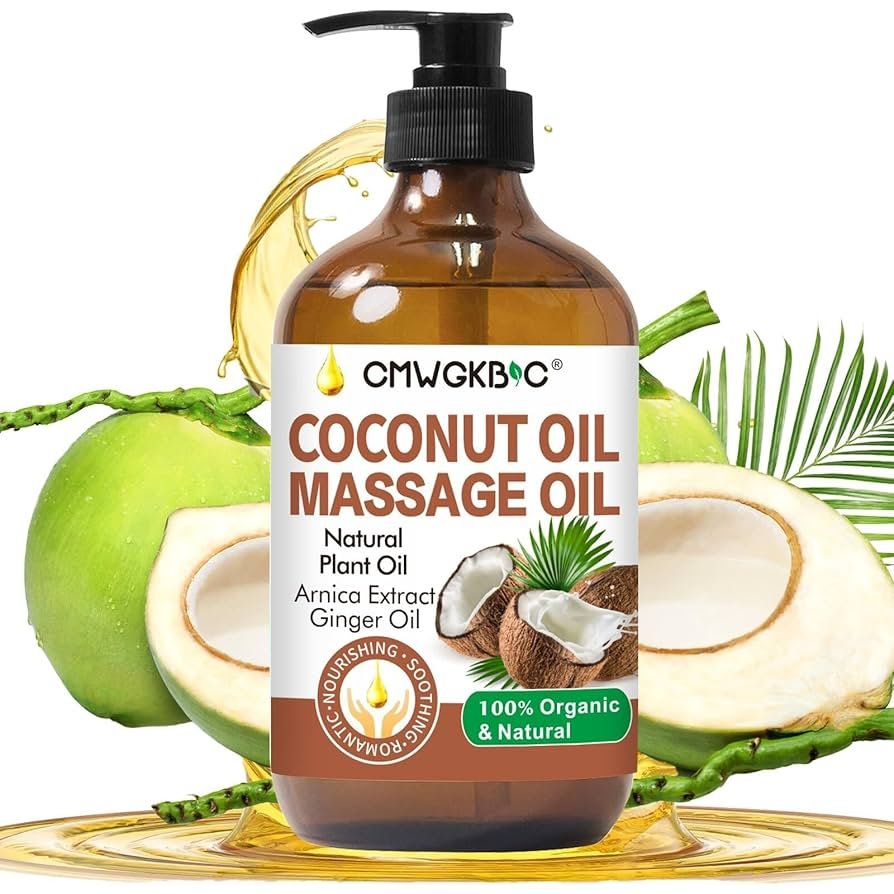
Are you looking to transform your skincare routine with a natural, versatile ingredient? Coconut oil might just be the solution you’re seeking.
This tropical treasure is more than just a kitchen staple. It’s a powerhouse for your skin, offering numerous benefits that you won’t want to miss. Whether you’re dealing with dry patches, looking for a natural moisturizer, or seeking a gentle makeup remover, coconut oil can be your skin’s new best friend.
Ready to discover how to incorporate this miracle oil into your daily regimen? Let’s dive into the wonders of coconut oil and unveil the secrets to glowing, healthy skin.
Benefits Of Coconut Oil For Skin
Coconut oil offers multiple benefits that can enhance your skin’s health and appearance. It’s a natural product that many people find gentle yet effective. If you’ve ever wondered why it’s so popular in skincare, here are some key reasons that might convince you to give it a try.
Natural Moisturizer
Coconut oil deeply hydrates your skin without leaving a greasy feel. It absorbs quickly, locking in moisture for hours. If you struggle with dry or flaky skin, applying a thin layer can provide immediate relief and softness.
Using coconut oil as a moisturizer is simple—you can apply it after a shower while your skin is still damp. This helps seal in the moisture effectively. Have you noticed how your skin feels after skipping heavy lotions?
Antibacterial Properties
Coconut oil contains lauric acid, which fights harmful bacteria on your skin. This makes it a natural option to prevent infections and keep your skin clean. It’s especially useful if you have minor cuts or acne-prone skin.
Applying coconut oil regularly can reduce bacteria that cause breakouts. Why rely solely on chemical products when nature offers this gentle antibacterial support?
Rich In Antioxidants
Antioxidants in coconut oil help protect your skin from damage caused by free radicals. These harmful molecules speed up aging and skin issues. Adding coconut oil to your routine can support healthier, younger-looking skin.
Think about the last time your skin looked dull or tired. Could a boost of antioxidants change that glow?
Soothes Irritation And Inflammation
If your skin feels irritated or inflamed, coconut oil can offer calming relief. Its anti-inflammatory properties help reduce redness and discomfort. People with sensitive skin often find it less harsh compared to other products.
Next time your skin feels itchy or inflamed, try gently massaging in a small amount of coconut oil. Notice how quickly it can soothe and calm your skin’s reaction.
Choosing The Right Coconut Oil
Choosing the right coconut oil for your skin is more important than you might think. The type of coconut oil you pick affects how well it nourishes and protects your skin. Understanding the differences helps you get the most out of this natural product.
Virgin Vs Refined Coconut Oil
Virgin coconut oil is extracted from fresh coconut meat without chemicals or high heat. It retains more nutrients and has a natural coconut scent. This makes it great for moisturizing and soothing sensitive skin.
Refined coconut oil is processed to remove impurities and odor. It’s usually odorless and has a longer shelf life. If you have oily or acne-prone skin, refined oil might feel lighter and less clogging.
Which one suits your skin? Try both on a small area to see how your skin reacts before applying it all over.
Organic And Cold-pressed Options
Organic coconut oil is grown without pesticides or harmful chemicals, making it safer for your skin. Cold-pressed oils are extracted at low temperatures to keep their natural benefits intact.
Choosing organic and cold-pressed coconut oil means you get a purer product. It’s less likely to irritate your skin and often contains more antioxidants.
If you want coconut oil that’s as close to nature as possible, check the label for these terms. Your skin will thank you for it.
Storage Tips
Proper storage keeps coconut oil fresh and effective for your skin routine. Store it in a cool, dark place away from direct sunlight.
Avoid moisture getting into the jar to prevent spoilage. If your coconut oil smells sour or looks cloudy, it’s time to replace it.
Have you ever noticed changes in your coconut oil after leaving it out? Keeping it stored right can make a big difference in its quality and how it works on your skin.
Preparing Your Skin
Preparing your skin properly sets the stage for coconut oil to work well. Clean, smooth skin helps the oil absorb better. This preparation also reduces the chance of irritation or clogged pores. Taking simple steps before applying coconut oil improves results and keeps your skin healthy.
Cleansing Before Application
Start by washing your face or skin area with a gentle cleanser. This removes dirt, sweat, and makeup. Use lukewarm water to open pores slightly. Pat your skin dry with a clean towel. Clean skin allows coconut oil to penetrate deeper and work effectively.
Exfoliation Techniques
Exfoliation removes dead skin cells and smooths the surface. Use a mild scrub or a soft brush to exfoliate gently. Focus on dry or rough patches but avoid scrubbing too hard. Exfoliating once or twice a week is enough. This step helps coconut oil moisturize better and keeps your skin glowing.
Patch Testing For Sensitivity
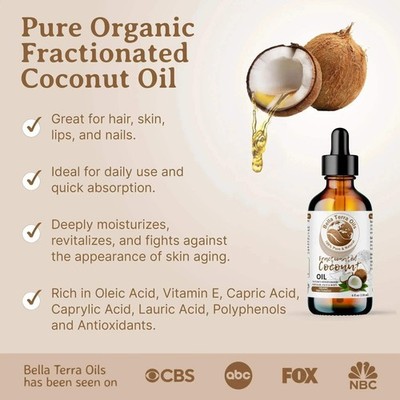
Test coconut oil on a small skin area before full use. Apply a tiny amount on your inner wrist or behind your ear. Wait 24 hours and watch for redness, itching, or swelling. No reaction means it is safe to use. Patch testing helps avoid allergic reactions and keeps your skin safe.
Credit: www.ebay.com
Applying Coconut Oil For Daily Glow
Coconut oil is a natural way to add a daily glow to your skin. Its moisturizing and nourishing properties help keep skin soft and healthy. Using it regularly enhances your skin’s natural radiance without harsh chemicals.
Simple steps can fit easily into your daily routine. A little coconut oil goes a long way for face, body, and lips. Let’s explore easy ways to apply it every day.
Face Application Tips
- Start with clean, dry skin.
- Take a small amount of coconut oil on your fingertips.
- Gently massage it into your face in circular motions.
- Focus on dry areas like cheeks and forehead.
- Use it as a night moisturizer for best results.
- Avoid applying too much to prevent a greasy look.
Body Hydration Routine
- Apply coconut oil right after showering on damp skin.
- Use a generous amount on elbows, knees, and heels.
- Massage it in slowly to boost blood flow and absorption.
- Repeat daily to keep skin smooth and hydrated.
- Use a scoop of solid coconut oil, which melts with body heat.
Using As A Lip Balm
- Take a tiny dab of coconut oil on your fingertip.
- Apply it evenly on clean lips.
- Reapply throughout the day to prevent dryness.
- Great alternative to chemical lip balms.
- Keeps lips soft, smooth, and naturally shiny.
Diy Coconut Oil Skin Treatments
Using coconut oil for skin care at home is simple and effective. You don’t need expensive products when a natural option sits right in your kitchen. These DIY treatments let you customize your routine based on what your skin needs most.
Hydrating Face Masks
Mix a teaspoon of coconut oil with a tablespoon of honey for a deeply hydrating face mask. Apply it gently to your face and leave it on for 15 minutes before rinsing with warm water. You’ll notice your skin feels softer and looks more radiant immediately.
If your skin is feeling extra dry, add a few drops of rose water to the mix. This not only boosts hydration but also calms irritation. Have you tried a simple mask that made your skin glow without any harsh chemicals?
Soothing Body Scrubs
Create a soothing scrub by combining coconut oil with brown sugar or sea salt. This blend exfoliates dead skin cells while moisturizing your body in one step. Use it in the shower by massaging gently in circular motions, then rinse off for smooth, refreshed skin.
Adding a few drops of your favorite essential oil can enhance the experience. Lavender or peppermint are great choices for relaxation or invigoration. How often do you treat your body to a scrub that feels like a mini spa session?
Overnight Hydration Packs
Apply a thin layer of coconut oil to dry areas like elbows, knees, or heels before bed. Cover these spots with a soft cloth or socks to lock in moisture overnight. You’ll wake up to skin that’s noticeably softer and more supple.
This treatment works wonders during cold, dry months or after sun exposure. Why not give your skin a chance to repair itself while you sleep? Have you noticed how small overnight steps can make a big difference in your skin’s health?

Credit: www.amazon.com
Combining Coconut Oil With Other Ingredients
Combining coconut oil with other natural ingredients can enhance its benefits for your skin. These mixtures can target specific skin needs and create soothing, nourishing treatments. Experimenting with simple blends allows you to enjoy a spa-like experience at home.
Mixing With Essential Oils
Essential oils add fragrance and extra skin benefits to coconut oil. Lavender oil calms irritated skin. Tea tree oil helps fight acne. Add only a few drops of essential oil to a tablespoon of coconut oil. Always do a patch test before applying to your face. This blend works well as a gentle moisturizer or massage oil.
Blending With Aloe Vera
Aloe vera soothes and hydrates dry or sunburned skin. Mixing equal parts of aloe vera gel and coconut oil creates a cooling lotion. This blend absorbs quickly without feeling greasy. It helps reduce redness and promotes skin healing. Store the mix in a clean container and use it daily for best results.
Adding Natural Exfoliants
Exfoliating removes dead skin cells and smooths the skin’s surface. Combine coconut oil with natural scrubs like sugar or ground coffee. Use about two tablespoons of coconut oil with one tablespoon of your chosen exfoliant. Gently rub the mixture on your skin in circular motions. Rinse with warm water and pat dry. This blend softens skin and improves circulation.
Precautions And Tips
Coconut oil can be great for skin care but it needs careful use. Taking simple precautions helps avoid common problems. These tips help you enjoy benefits safely and effectively.
Avoiding Pore Clogging
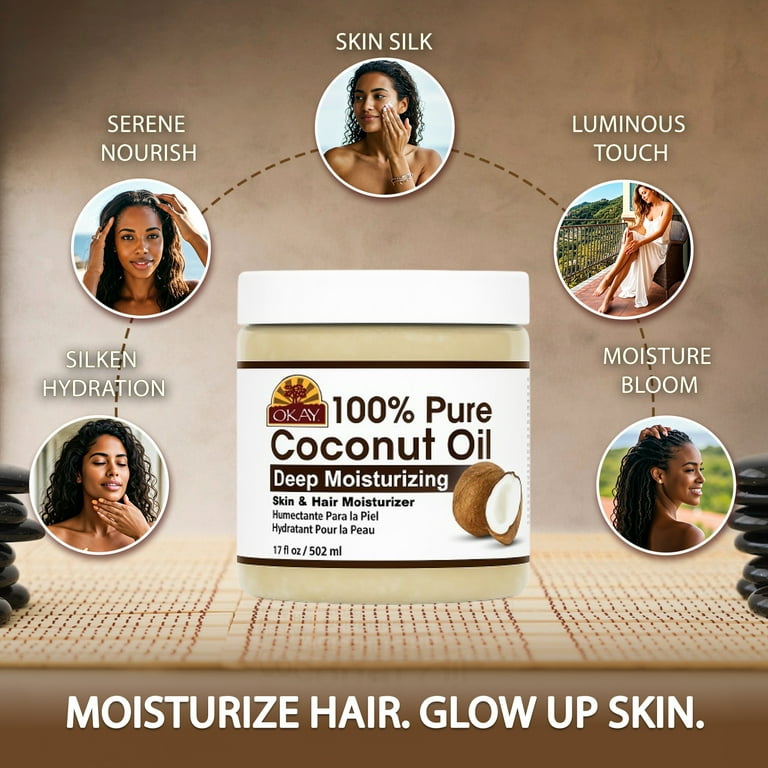
Coconut oil is thick and can block pores for some skin types. Use it sparingly on oily or acne-prone skin. Test on a small patch before applying on your face. Choose fractionated coconut oil to reduce heaviness. Cleanse skin well after use to remove residue. Avoid applying too much around the nose and forehead.
Managing Allergic Reactions
Allergic reactions to coconut oil are rare but possible. Apply a small amount on your wrist first. Wait 24 hours to check for redness, itching, or swelling. Stop using if any irritation occurs. Use pure, organic coconut oil to lower risk. Consult a doctor if you have sensitive skin or allergies.
Storage And Shelf Life
Keep coconut oil in a cool, dry place away from sunlight. Seal the container tightly after each use. Avoid using wet hands to scoop oil to prevent contamination. Virgin coconut oil lasts longer than refined versions. Normally, shelf life is about 1 to 2 years. Check for changes in smell or texture before use.
Credit: www.walmart.com
Frequently Asked Questions
What Are The Benefits Of Coconut Oil For Skin?
Coconut oil hydrates and nourishes skin deeply. It has antimicrobial and anti-inflammatory properties. It helps soothe dryness and reduce irritation. It also promotes a healthy skin barrier and natural glow.
How Do I Apply Coconut Oil On My Face?
Use a small amount of coconut oil. Gently massage it onto clean, dry skin. Apply in circular motions for better absorption. Use it as a moisturizer or overnight mask for best results.
Can Coconut Oil Help With Acne-prone Skin?
Coconut oil has antibacterial properties, but it may clog pores. It suits dry or normal skin better. Always do a patch test first. For acne-prone skin, use it sparingly or consult a dermatologist.
Is Coconut Oil Safe For All Skin Types?
Coconut oil is generally safe for most skin types. However, oily or sensitive skin may experience breakouts. Patch testing is recommended before regular use. Use virgin, cold-pressed coconut oil for best safety and results.
Conclusion
Coconut oil can be a simple way to care for your skin daily. It helps keep skin soft and hydrated. Use it gently on dry or rough areas. Always test a small patch first to avoid irritation. Natural and easy to find, coconut oil fits many skin types.
Enjoy the smooth and healthy feeling it brings. Small changes like this can improve your skin’s look and feel. Give it a try and see what works best for you.
