
Have you ever started using a vitamin C serum, only to find your skin turning red, itchy, or irritated? It can be frustrating when something meant to brighten your complexion ends up causing discomfort.
But don’t worry—you’re not alone, and this irritation doesn’t have to keep you from enjoying the benefits of vitamin C. You’ll discover simple, effective ways to calm your skin and prevent irritation from coming back. Keep reading, and you’ll learn how to make vitamin C a gentle, powerful part of your skincare routine.
Causes Of Vitamin C Irritation
Vitamin C is a popular ingredient in skincare, praised for its brightening and antioxidant properties. However, some people experience irritation after using it. Understanding the causes of Vitamin C irritation can help you avoid discomfort and get the best results for your skin.
High Concentration Effects
Vitamin C serums come in various strengths, usually ranging from 5% to 20% concentration. Higher concentrations can cause stinging, redness, or dryness, especially if your skin isn’t used to strong active ingredients.
Many users find that starting with a lower concentration, like 5% or 10%, helps their skin adjust without irritation. Have you ever felt a burning sensation after applying a new serum? It might be the concentration that’s too high for your skin’s current tolerance.
Skin Sensitivity Factors
Everyone’s skin is unique, and sensitivity levels vary widely. Factors like dry skin, eczema, or recent sunburn can make your skin more prone to irritation from Vitamin C.
Even if you have used Vitamin C before without issues, changes in your skin’s condition can trigger reactions. Pay attention to your skin’s signals—if it feels tight, itchy, or inflamed after application, sensitivity could be the cause.
Interactions With Other Products
Vitamin C doesn’t always play well with other skincare ingredients. Using it alongside exfoliants like AHAs, BHAs, or retinoids can increase irritation risk.
Mixing too many active ingredients at once can overwhelm your skin’s barrier. Have you noticed irritation after adding a new product to your routine? It might be due to how Vitamin C interacts with your other skincare items.
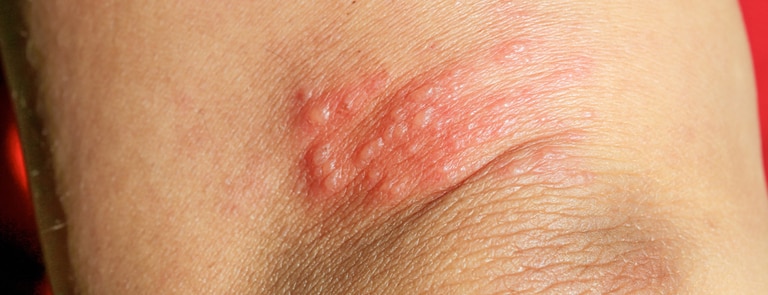
Credit: www.hollandandbarrett.com
Identifying Irritation Symptoms
Recognizing the signs of vitamin C skin irritation early can save your skin from further discomfort and damage. It’s important to observe how your skin reacts after applying vitamin C products. Knowing what to look for helps you adjust your skincare routine quickly and effectively.
Redness And Swelling
Redness is often the first visible sign that your skin is irritated by vitamin C. You might notice patches of your skin turning pink or red, especially around sensitive areas like the cheeks or nose.
Swelling can accompany redness, making your skin feel puffy or tender to touch. If you see persistent redness or swelling that worsens over time, it’s a clear signal to pause the use of the product.
Itching And Burning Sensation
Itching is a common reaction that can range from mild to intense. When you apply vitamin C and feel an immediate burning or stinging sensation, your skin may be reacting negatively to the acid concentration.
These sensations indicate your skin’s barrier might be compromised. Ask yourself: Is the discomfort temporary, or does it linger long after application? Persistent itching or burning should not be ignored.
Peeling And Dryness
Dryness and peeling often follow irritation, especially if your skin is sensitive or over-exfoliated. You might notice flaking or rough patches developing a day or two after using vitamin C.
While some dryness can be normal when introducing new products, excessive peeling is a warning sign. Pay attention to how your skin recovers and consider adding extra hydration to your routine.
Immediate Steps To Soothe Skin
Experiencing skin irritation from Vitamin C can be uncomfortable and frustrating. Knowing how to quickly calm your skin helps reduce redness and prevents further damage. Here are some immediate steps you can take to soothe your skin effectively.
Stopping Vitamin C Use
The first thing you should do is stop applying Vitamin C products right away. Continuing to use them can worsen irritation and delay healing. Give your skin a break to recover fully before reintroducing any active ingredients.
Have you ever felt your skin getting worse after ignoring early signs of irritation? Halting use immediately helps you avoid that scenario and protects your skin barrier.
Applying Cool Compresses
Applying a cool compress to the irritated area can relieve burning and redness quickly. Use a clean cloth soaked in cool water and gently press it on your skin for 10-15 minutes.
This simple step reduces inflammation and calms your nerves. Avoid ice directly on the skin, as extreme cold can cause more harm.
Using Gentle Moisturizers
After cooling your skin, apply a gentle, fragrance-free moisturizer to restore hydration. Look for products with soothing ingredients like aloe vera or ceramides.
Moisturizers act as a protective barrier, helping your skin heal faster. If your skin feels tight or dry, moisturizing is especially important to ease discomfort.
Choosing Calming Ingredients
Choosing calming ingredients is essential to soothe skin irritated by vitamin C. These ingredients help reduce redness and discomfort. They also support skin healing without causing further irritation. Picking the right calming agents can restore your skin’s balance quickly and gently.
Aloe Vera Benefits
Aloe vera is known for its soothing and cooling effects. It reduces redness and calms inflamed skin. Aloe vera also hydrates deeply, helping damaged skin repair faster. Its natural antioxidants protect skin from harmful elements. Use pure aloe vera gel for best results.
Oatmeal And Chamomile
Oatmeal has anti-inflammatory properties that ease itching and redness. It forms a protective barrier on the skin, locking in moisture. Chamomile contains antioxidants that calm irritated skin and reduce swelling. Both ingredients are gentle enough for sensitive skin types.
Hydrating Agents
Hydrating agents like hyaluronic acid and glycerin keep skin moist and soft. They prevent dryness, which can worsen irritation. These ingredients help strengthen the skin barrier. Hydrated skin heals faster and feels comfortable throughout the day.
Adjusting Vitamin C Usage
Adjusting your vitamin C use can ease skin irritation and improve tolerance. Small changes help your skin adapt and avoid discomfort. Patience is key. You can still enjoy vitamin C benefits without irritation.
Lowering Concentration
Start with a lower vitamin C strength to reduce skin stress. Choose serums with 5% to 10% concentration instead of stronger formulas. This gentler option limits redness and stinging. After your skin adjusts, increase the strength slowly. This step helps build tolerance safely.
Patch Testing Routine
Test vitamin C on a small skin area before full use. Apply a tiny amount on your wrist or behind your ear. Wait 24 to 48 hours to check for reactions. No redness, itching, or swelling means it’s likely safe. Patch testing prevents widespread irritation and surprises.
Gradual Introduction Tips
Introduce vitamin C gradually into your skincare routine. Use it once every two or three days at first. Observe how your skin reacts before increasing use. Slowly move to daily application if no irritation occurs. This approach helps your skin build tolerance without shock.

Credit: www.reddit.com
Preventing Future Irritation
Preventing future irritation from vitamin C products is essential for maintaining healthy, glowing skin. Small changes in how you handle and use your skincare can make a big difference. Let’s look at practical ways to keep your skin calm and happy while still enjoying the benefits of vitamin C.
Proper Storage Of Products
Vitamin C is sensitive to light, air, and heat, which can degrade the product and increase the chance of irritation. Store your vitamin C serum in a cool, dark place—ideally in a cabinet away from windows or direct sunlight.
Using airtight containers helps limit exposure to air. If your product comes in a clear bottle, consider transferring it to a dark glass container to protect it better.
Avoiding Conflicting Ingredients
Mixing vitamin C with certain ingredients can cause skin irritation. Avoid using vitamin C alongside products containing benzoyl peroxide or retinol, as these combinations can be too harsh.
Try to space out your skincare routine so these ingredients are used at different times of the day. For example, use vitamin C in the morning and retinol at night.
Sun Protection Strategies
Vitamin C can make your skin more sensitive to sunlight, increasing the risk of irritation and damage. Wearing a broad-spectrum sunscreen daily is not optional but a must.
Consider physical blockers like zinc oxide or titanium dioxide, which are gentle on the skin. Don’t forget to reapply sunscreen every two hours if you’re outdoors.
Have you noticed how your skin reacts on sunny days after using vitamin C? Protecting yourself properly can prevent future discomfort and keep your skin glowing safely.
When To Seek Medical Help
Vitamin C skin irritation can often be managed at home. Yet, some cases need medical attention to avoid worsening symptoms. Knowing when to seek help is vital for your skin health.
Persistent Symptoms
Skin irritation lasting more than a week requires professional advice. Redness, itching, or swelling that does not improve can signal a deeper issue. Avoid using the product until a doctor evaluates your skin. Persistent discomfort may lead to infection or scarring if untreated.
Signs Of Allergic Reaction
Watch for severe signs like rash, hives, or blistering. Difficulty breathing, dizziness, or swelling of the face demands emergency care. Allergic reactions can escalate quickly and become dangerous. Immediate medical help prevents serious complications and ensures safety.
Professional Treatment Options
Doctors may prescribe topical steroids to reduce inflammation. Antihistamines help control allergic reactions and itching. In some cases, they recommend patch testing to identify triggers. Professional guidance ensures safe recovery and prevents future irritation.

Credit: www.harpersbazaar.com
Frequently Asked Questions
What Causes Skin Irritation From Vitamin C?
Vitamin C irritation often occurs due to high concentration or sensitive skin. It can cause redness, itching, or burning sensations. Patch testing before use helps prevent reactions. Using lower concentration products gradually helps skin adjust and reduces irritation risk.
How To Soothe Vitamin C Skin Irritation Quickly?
To calm irritation, rinse skin with cool water and apply a gentle moisturizer. Avoid harsh products and sun exposure. Using aloe vera or hydrocortisone cream can reduce redness and inflammation. If irritation persists, discontinue vitamin C and consult a dermatologist.
Can Vitamin C Irritation Cause Long-term Skin Damage?
Vitamin C irritation typically causes temporary discomfort without lasting damage. Persistent or severe reactions may harm skin barrier if untreated. Always use suitable concentrations and avoid overuse. Consulting a skincare professional ensures safe vitamin C use and prevents skin damage.
How To Prevent Vitamin C Skin Irritation Effectively?
Start with low concentration vitamin C products and gradually increase usage. Always patch test before full application. Combine with gentle, hydrating skincare and avoid harsh exfoliants. Use sunscreen daily to protect sensitive, vitamin C-treated skin from UV damage.
Conclusion
Vitamin C can irritate sensitive skin. Simple steps can help. First, reduce usage frequency. Let skin adjust slowly. Use a moisturizer to soothe irritation. Choose gentler Vitamin C products. Patch test new skincare items. Consult a dermatologist if irritation persists.
Listen to your skin. It’s important to maintain a healthy routine. Proper care and attention are key. Your skin deserves patience and understanding. Balance is crucial for skin health. Make informed choices for best results.
