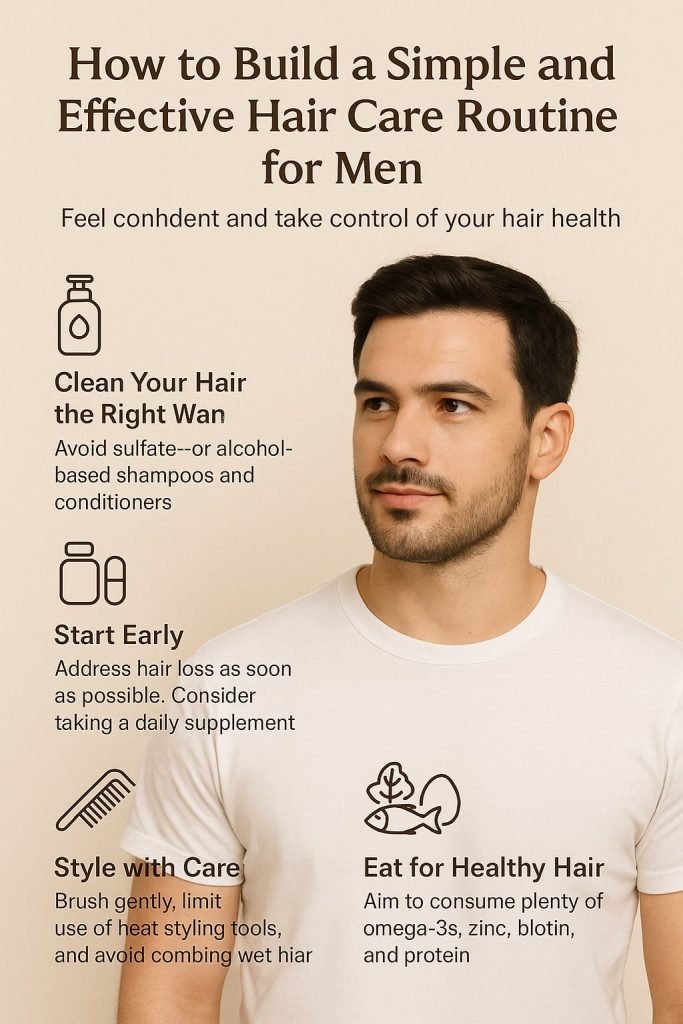
Imagine walking into a room and instantly making an impression. Your hair can be a big part of that.
Whether it’s the sleek shine or the perfect wave, your hair speaks volumes about who you are. But achieving healthy, great-looking hair isn’t just for the experts. It’s something you can do yourself with the right tips. You might be wondering how to keep your hair looking its best without spending hours in front of the mirror.
The good news is that taking care of your hair doesn’t have to be complicated or time-consuming. In this guide, you’ll discover simple yet effective ways to boost your hair health. Ready to unlock the secrets to great hair days? Let’s dive in.
Credit: www.mynation.com
Hair Types And Their Needs
Understanding your hair type is the first step in proper hair care. Different hair types need different products and routines. Knowing your hair type helps you avoid damage and keep your hair healthy. The texture and thickness of hair affect how it reacts to moisture, oil, and styling.
Identifying Your Hair Type
Hair types fall into several categories: straight, wavy, curly, and coily. Each type has unique traits. Straight hair is smooth and shiny but can get oily fast. Wavy hair has loose curls and tends to frizz. Curly hair forms tight curls and needs more moisture. Coily hair is very tight, often dry, and fragile.
Look at your hair when it is dry and clean. Notice the shape of the strands and how they behave. Also, consider thickness: fine, medium, or coarse. Fine hair feels soft but breaks easily. Coarse hair is thicker and stronger but can be rough.
Tailoring Care To Hair Texture
Choose shampoos and conditioners made for your hair type. Fine hair benefits from lightweight products that do not weigh it down. Coarse hair needs rich, moisturizing formulas to prevent dryness. Curly and coily hair require deep conditioning to keep curls defined and soft.
Adjust your washing routine based on texture. Fine or straight hair can be washed more often. Curly and coily hair should be washed less to keep natural oils. Use gentle brushes for curly hair and wide-tooth combs for coily hair. Avoid heat styling on fragile hair to stop breakage.
Daily Hair Care Routine
A solid daily hair care routine is key to healthy hair. Simple habits keep your hair clean, strong, and looking good every day.
Consistency matters more than fancy products. Focus on using the right shampoo, conditioning properly, and washing your hair just enough.
Choosing The Right Shampoo
Pick a shampoo that suits your hair type. For oily hair, use a clarifying shampoo to remove excess oil. Dry hair needs moisturizing shampoo to add hydration. Sensitive scalp benefits from gentle, fragrance-free formulas. Avoid shampoos with harsh chemicals like sulfates and parabens. Read labels carefully to protect your scalp and hair health.
Effective Conditioning Tips
Conditioner helps keep hair soft and easy to manage. Apply conditioner mainly on the ends, not the scalp. Leave it on for 2 to 3 minutes before rinsing. Choose a conditioner that matches your shampoo type. For thick or curly hair, use a richer conditioner. For fine hair, pick a lightweight formula. Regular conditioning reduces breakage and split ends.
Proper Washing Frequency
Washing hair every day can strip natural oils. Most men do well washing hair 2 to 3 times a week. If hair gets very oily or sweaty, wash more often. Use lukewarm water instead of hot water to avoid dryness. Adjust washing frequency based on your hair’s needs and lifestyle. Remember, less frequent washing often leads to healthier hair.
Styling Without Damage
Styling hair can enhance your look, but it often risks damage. Gentle care helps keep hair strong and healthy while looking good. Choosing the right tools and products protects your hair from harm. Small changes in your styling routine make a big difference.
Safe Use Of Heat Tools
Heat tools like blow dryers and straighteners shape hair fast. Use them on low or medium heat settings to avoid burning strands. Always apply a heat protectant spray before styling. Keep the tool moving; do not hold it on one spot. Limit heat styling to a few times a week to reduce damage.
Best Styling Products For Men
Choose products that suit your hair type and style needs. Light gels and creams work well for thin hair. Pomades and waxes add hold without stiffness for thicker hair. Look for products with natural ingredients to avoid buildup. Avoid heavy products that weigh hair down or cause greasiness.
Avoiding Common Styling Mistakes
- Do not style hair when it is soaking wet; dry it first.
- Avoid using too much product; it can make hair look greasy.
- Do not comb or brush hair roughly; be gentle to prevent breakage.
- Change your hairstyle regularly to avoid stress on the same areas.
- Limit the use of harsh chemicals like strong gels or sprays.
Diet And Hair Health
Healthy hair starts from within. The food you eat affects your hair’s strength and growth. A balanced diet provides essential nutrients your hair needs to stay healthy. Drinking enough water also plays a key role in maintaining hair health. Small changes in diet can make a big difference for your hair.
Nutrients That Boost Hair Growth
Several nutrients help hair grow strong and thick. Protein is vital because hair is made of protein. Iron helps carry oxygen to hair follicles. Vitamin C aids in collagen production, which supports hair structure. Omega-3 fatty acids nourish the scalp and reduce dryness.
- Protein sources: eggs, chicken, beans
- Iron sources: spinach, red meat, lentils
- Vitamin C sources: citrus fruits, strawberries, peppers
- Omega-3 sources: salmon, walnuts, flaxseeds
Hydration And Hair Strength
Water keeps hair hydrated from the inside out. Dry hair breaks easily and looks dull. Drinking enough water helps keep the scalp healthy and prevents flakiness. Aim for at least eight glasses of water daily. Herbal teas and water-rich fruits also add to hydration.
Dealing With Hair Problems
Hair problems can affect confidence and comfort. Men face issues like hair loss, dandruff, and scalp problems often. Each issue needs specific care and attention. Simple habits and the right products help keep hair healthy. Understanding these problems is the first step to manage them well.
Managing Hair Loss
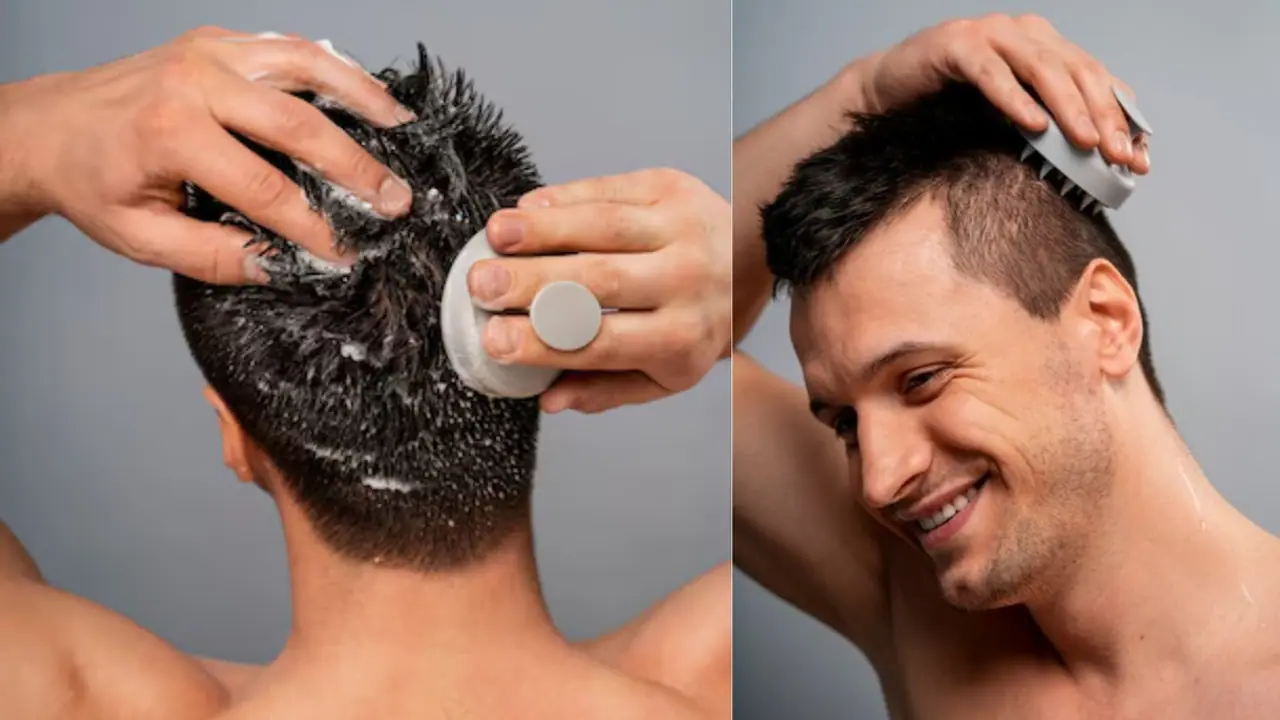
Hair loss is common among men. It can happen due to stress, genetics, or poor diet. Use mild shampoos that do not irritate the scalp. Massage the scalp daily to improve blood flow. Avoid harsh treatments like frequent coloring or heat styling. Eating protein-rich foods supports hair growth. Consult a doctor if hair loss is sudden or severe.
Controlling Dandruff
Dandruff causes flakes and itching on the scalp. Use anti-dandruff shampoos with ingredients like zinc pyrithione or ketoconazole. Wash hair regularly to remove dead skin cells. Avoid scratching the scalp as it can worsen irritation. Keep your scalp clean and moisturized. Drinking plenty of water helps maintain scalp health.
Handling Dry And Oily Scalp
Dry scalp feels tight and may flake. Oily scalp looks greasy and attracts dirt. Use gentle shampoos suited for your scalp type. For dry scalp, apply light oils like coconut or almond oil. For oily scalp, wash hair more often but avoid over-washing. Balance is key to prevent scalp issues. Regular care keeps your scalp comfortable and your hair strong.

Credit: de-hairprofile.com
Professional Hair Care Tips
Taking professional care of your hair can make a noticeable difference in its health and appearance. It’s not just about using the right products at home but also knowing when to seek expert help. Understanding professional hair care tips empowers you to maintain your hair’s strength and style effortlessly.
When To Visit A Barber Or Trichologist
Do you know the last time you consulted a hair expert? Barbers are great for styling and keeping your hair looking sharp, but a trichologist is your go-to for scalp and hair health issues.
Visit a barber regularly if you want to maintain a clean, tailored look or try out a new style. On the other hand, if you notice persistent hair loss, itchiness, or scalp irritation, it’s time to see a trichologist. These specialists can diagnose underlying problems and recommend treatments that you can’t get from over-the-counter products.
Ignoring early signs of hair or scalp issues can make problems worse. Have you ever experienced stubborn dandruff or sudden thinning? Seeking professional advice early saves you time and frustration.
Benefits Of Regular Haircuts
Regular haircuts do more than keep your style fresh. They remove split ends and prevent breakage, which helps your hair grow healthier over time. Think of a haircut as a reset button for your hair’s condition.
- Improved Hair Growth:Trimming damaged ends stops breakage and encourages stronger strands.
- Better Appearance:Well-maintained hair looks thicker and shinier.
- Hygiene:Cutting hair regularly reduces buildup of dirt and oils on your scalp.
Skipping haircuts might seem like a way to grow hair faster, but it often backfires. Have you noticed your hair looking dull or uneven after a long gap? Regular trims keep your hair healthy and looking its best.
Lifestyle Habits For Healthy Hair
Taking care of your hair goes beyond just shampoos and conditioners. Your daily lifestyle choices play a huge role in maintaining healthy, strong hair. Small changes in how you manage stress and your sleep patterns can make a noticeable difference in hair growth and overall scalp health.
Stress Management
Stress can directly affect your hair’s health, leading to shedding and slower growth. When you feel overwhelmed, your body releases hormones that can disrupt the normal hair cycle.
Have you ever noticed your hair thinning during tough times? That’s your body signaling it needs a break. Simple stress-relief techniques like deep breathing, short walks, or even chatting with a friend can calm your mind and protect your hair.
Try setting aside just 10 minutes a day for relaxation. This small habit can reduce those damaging stress hormones and keep your hair in its best shape.
Sleep And Hair Growth
Sleep is your body’s natural repair time, and that includes your hair follicles. Without enough rest, your scalp can become dry and your hair growth may slow down.
Think about how you feel after a poor night’s sleep—tired and sluggish. Your hair feels the same lack of energy and nutrients. Aim for 7 to 8 hours of quality sleep to give your hair the support it needs to grow strong and healthy.
Consider creating a bedtime routine that helps you wind down. Turning off screens an hour before bed or reading a book can improve sleep quality, indirectly helping your hair thrive.

Credit: www.barb-bros.com
Frequently Asked Questions
How Often Should Men Wash Their Hair?
Men should wash their hair 2-3 times a week to maintain natural oils. Overwashing can cause dryness and scalp irritation. Using a mild shampoo suitable for your hair type helps keep hair clean and healthy without stripping moisture.
What Is The Best Shampoo For Men’s Hair?
The best shampoo for men depends on hair type and scalp condition. Choose moisturizing shampoo for dry hair, and clarifying shampoo for oily hair. Look for natural ingredients and avoid harsh chemicals to promote healthy hair growth and scalp care.
How Can Men Prevent Hair Loss Naturally?
To prevent hair loss, maintain a balanced diet rich in vitamins and minerals. Avoid excessive heat styling and harsh chemical treatments. Regular scalp massages improve blood flow, and using gentle hair care products supports hair strength and reduces breakage.
Should Men Use Conditioner After Shampooing?
Yes, men should use conditioner after shampooing to keep hair soft and manageable. Conditioner replenishes moisture, reduces frizz, and protects hair from damage. Applying conditioner mainly to the ends prevents greasy roots and promotes overall hair health.
Conclusion
Healthy hair needs regular care and simple habits. Wash hair gently with mild shampoo. Use conditioner to keep hair soft and smooth. Avoid too much heat from styling tools. Eat balanced meals to support hair growth. Drink plenty of water for hydration.
Trim hair regularly to prevent split ends. Protect hair from sun and harsh weather. Small steps make a big difference over time. Stay consistent and patient with your routine. Enjoy the confidence that comes with healthy hair.
