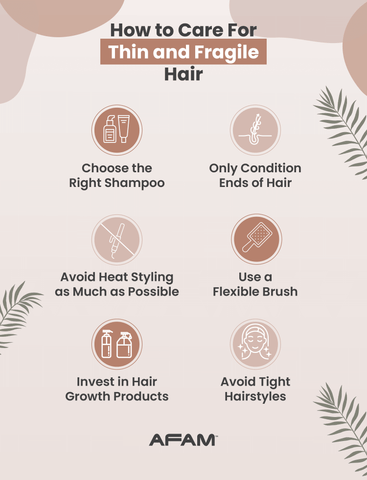
Do you struggle with thin hair that feels fragile and looks flat? You’re not alone, and the good news is that with the right care, your hair can look fuller, healthier, and more vibrant.
Taking care of thin hair isn’t just about choosing the right products—it’s about understanding what your hair truly needs. Imagine running your fingers through soft, shiny strands that bounce with life. Ready to discover simple, effective tips that can transform your hair routine and boost your confidence?
Keep reading, because your best hair days are just ahead.
:max_bytes(150000):strip_icc()/byr-best-hair-dryers-for-fine-hair-tout-2c78b7fc24314d9ca7a537bc5a36e91c.jpg)
Credit: www.byrdie.com
Causes Of Thin Hair
Thin hair happens for many reasons. Understanding these causes helps in caring for your hair better. Some causes are natural, while others relate to habits or surroundings.
Genetics And Hair Type
Your genes affect your hair thickness a lot. Some people inherit thin hair from family members. Hair type also matters. Fine hair strands appear thinner than coarse ones. This natural trait cannot change, but care can improve hair health.
Environmental Factors
Sun exposure, pollution, and harsh weather can weaken hair. Chemicals in hair products may also damage strands. These factors cause hair breakage and make hair look thin. Protecting hair from these elements helps maintain its strength.
Diet And Lifestyle
Poor diet can lead to thin hair. Lack of essential vitamins and minerals weakens hair roots. Stress and lack of sleep affect hair growth too. Eating well and managing stress support healthy, thicker hair over time.

Credit: www.youtube.com
Choosing The Right Shampoo And Conditioner
Choosing the right shampoo and conditioner is key to keeping your thin hair healthy and full of life. The products you pick can either add volume and strength or weigh your hair down and make it look limp. Understanding what to look for helps you make smarter choices that enhance your hair’s natural texture and shine.
Volumizing Formulas
Look for shampoos and conditioners labeled as volumizing or thickening. These products often contain ingredients like biotin, collagen, or proteins that boost hair strength and lift each strand.
Volumizing formulas don’t just add bulk; they also help your hair feel fuller from root to tip. Have you noticed how some shampoos leave your hair feeling light and airy? That’s exactly what volumizing products aim to do.
Avoiding Heavy Ingredients
Heavy oils and silicones can drag thin hair down, making it appear flat and greasy. Check the ingredient list and avoid products with mineral oil, petrolatum, or heavy silicones.
Instead, choose lightweight, water-based formulas. These clean your hair without adding unnecessary weight, allowing your natural volume to shine through.
Frequency Of Washing
Thin hair can get oily faster, but washing too often might strip essential oils and cause dryness. Find a balance that keeps your scalp clean but doesn’t leave your hair brittle.
Try washing every other day or every two days, and pay attention to how your hair responds. Have you noticed a change in texture or volume when you switch your washing routine?
Effective Hair Care Techniques
Effective hair care techniques can make a significant difference when managing thin hair. Your approach should protect strands from breakage while encouraging a healthy scalp environment. Small changes in how you wash, brush, and care for your scalp can improve the overall look and feel of your hair.
Gentle Washing And Drying
Use a mild shampoo designed for thin or fragile hair to avoid stripping natural oils. Apply shampoo only to your scalp and let the suds rinse through the ends to prevent drying them out.
When drying, avoid vigorous towel rubbing. Instead, gently pat your hair with a soft towel to remove excess water.
Air drying is preferable, but if you use a blow dryer, keep it on a low heat setting and hold it at least six inches away from your hair.
Proper Brushing Methods
Choose a brush with soft, natural bristles or a wide-tooth comb to minimize pulling and breakage. Start detangling from the tips and work your way up to the roots.
Brush your hair only when it’s dry to reduce the risk of damage. Over-brushing can cause stress on thin strands, so limit brushing to what’s necessary.
Scalp Care
Your scalp needs attention just as much as your hair strands. Regularly massage your scalp using your fingertips to boost blood circulation and promote healthy hair growth.
Keep your scalp clean and avoid heavy products that can clog pores. If you notice itchiness or flakiness, consider gentle scalp treatments or consult a dermatologist.
Styling Tips For More Volume
Adding volume to thin hair can feel like a challenge, but with the right styling techniques, you can create a fuller, more dynamic look. The key is to handle your hair gently and choose styles and products that lift and separate strands rather than weigh them down. Let’s dive into some practical tips that make your thin hair appear thicker and more vibrant.
Blow-drying Tricks
Blow-drying your hair upside down is a simple yet effective way to boost volume. Gravity helps lift the roots, giving your hair a natural lift right at the base. Try using a round brush to gently pull your hair upward as you dry, focusing on the roots for maximum impact.
Another trick is to finish with a blast of cool air to set the style and keep the volume in place longer. Have you noticed how your hair falls flat after drying? This small change in technique can make a big difference.
Using Lightweight Products
Heavier creams and oils can weigh thin hair down, making it look limp. Instead, choose lightweight mousses, sprays, or serums designed to add volume without buildup. These products lift each strand and keep your hair feeling light and bouncy.
Look for labels that say “volumizing” or “root lift.” Applying these products at your roots before styling can create a noticeable boost. Don’t overload—start with a small amount and add more if needed.
Avoiding Heat Damage
Heat styling tools can quickly damage thin hair, causing breakage and further thinning. To protect your hair, always use a heat protectant spray before blow-drying, curling, or straightening. This forms a barrier that reduces damage and keeps your strands healthy.
Try to limit high heat settings and avoid daily use of hot tools. Have you considered air drying part of the way and finishing with a quick blow-dry for volume? This approach reduces heat exposure and still gives you the style you want.
Diet And Supplements For Stronger Hair
Strong, healthy hair starts from within. A balanced diet and the right supplements can improve thin hair’s strength and shine. Eating foods rich in key nutrients supports hair growth and reduces breakage. Hydrating well keeps hair soft and less prone to damage. Supplements can fill gaps if your diet lacks certain vitamins or minerals.
Essential Nutrients
Hair needs specific nutrients to grow strong and thick. Protein is crucial because hair is made of keratin, a type of protein. Iron helps carry oxygen to hair follicles. Zinc supports hair repair and growth. Vitamins A and C help produce oils that keep hair healthy and moisturized. Vitamin D plays a role in hair follicle cycling. B vitamins, especially biotin, improve hair strength and texture.
- Lean meats, fish, eggs, and beans provide protein
- Spinach, lentils, and red meat are rich in iron
- Nuts and seeds supply zinc
- Carrots, citrus fruits, and berries offer vitamins A and C
- Sunlight and fortified foods help with vitamin D
- Whole grains and leafy greens contain B vitamins
Hydration
Water is vital for hair health. Staying hydrated keeps hair cells plump and elastic. Dry hair tends to break easily and look dull. Drinking enough water daily helps maintain scalp moisture and reduces dryness. Aim for at least eight glasses a day. Herbal teas and water-rich fruits also contribute to hydration.
Popular Hair Supplements
Supplements can support your diet if you miss key nutrients. Biotin is popular for improving hair thickness and strength. Collagen supplements help with hair elasticity and scalp health. Omega-3 fatty acids reduce inflammation and promote shine. Multivitamins formulated for hair usually include zinc, vitamins C, D, and B-complex. Always consult a healthcare provider before starting supplements.
- Biotin (Vitamin B7)
- Collagen peptides
- Omega-3 fatty acids (fish oil)
- Zinc supplements
- Hair-specific multivitamins

Credit: manilasalon.com
When To Seek Professional Help
Knowing when to seek professional help is vital for managing thin hair. Early action can prevent further damage and improve hair health. Understanding signs that require expert advice helps you make informed decisions about your hair care.
Identifying Hair Loss Patterns
Recognize common hair loss patterns such as thinning on the crown or receding hairline. Notice if hair falls out in clumps or if scalp shows more through the hair. Sudden or rapid hair loss needs immediate attention.
Consulting A Dermatologist
Visit a dermatologist to diagnose the cause of hair thinning. They check your scalp and hair condition carefully. Blood tests or scalp biopsies may be needed for accurate diagnosis. Early diagnosis leads to better treatment outcomes.
Advanced Treatments
Professionals offer treatments beyond regular hair care products. Options include laser therapy, platelet-rich plasma (PRP), or prescription medications. These treatments target root causes and stimulate hair growth. Follow the expert’s advice for best results.
Frequently Asked Questions
How Can I Make Thin Hair Look Fuller?
Use volumizing shampoos and conditioners to add body. Avoid heavy products that weigh hair down. Blow-dry hair upside down for lift and use lightweight styling mousse for extra volume.
What Are The Best Hair Care Tips For Thin Hair?
Wash hair gently with mild shampoo and condition regularly. Avoid heat styling tools and harsh treatments. Eat a balanced diet rich in vitamins to promote hair health and strength.
Which Hairstyles Suit Thin Hair Best?
Layered cuts and textured styles add movement and volume. Avoid blunt cuts that emphasize thinness. Opt for shoulder-length or shorter hair to create the illusion of thickness.
How Often Should I Wash Thin Hair?
Wash thin hair 2-3 times a week to avoid stripping natural oils. Over-washing can make hair dry and brittle, so maintain a balanced routine for scalp health.
Conclusion
Caring for thin hair requires patience and regular attention. Use gentle, nourishing products. Avoid harsh chemicals and heat styling tools. Regular trims keep hair healthy and strong. A balanced diet supports hair growth. Choose hairstyles that add volume and texture.
Consider consulting a hairstylist for personalized advice. Stay consistent with your hair care routine. Healthy habits and the right products make a difference. Your thin hair can look its best with proper care. Remember, every small step counts. Keep experimenting to find what works best for your hair.
Stay positive and patient on this journey.
