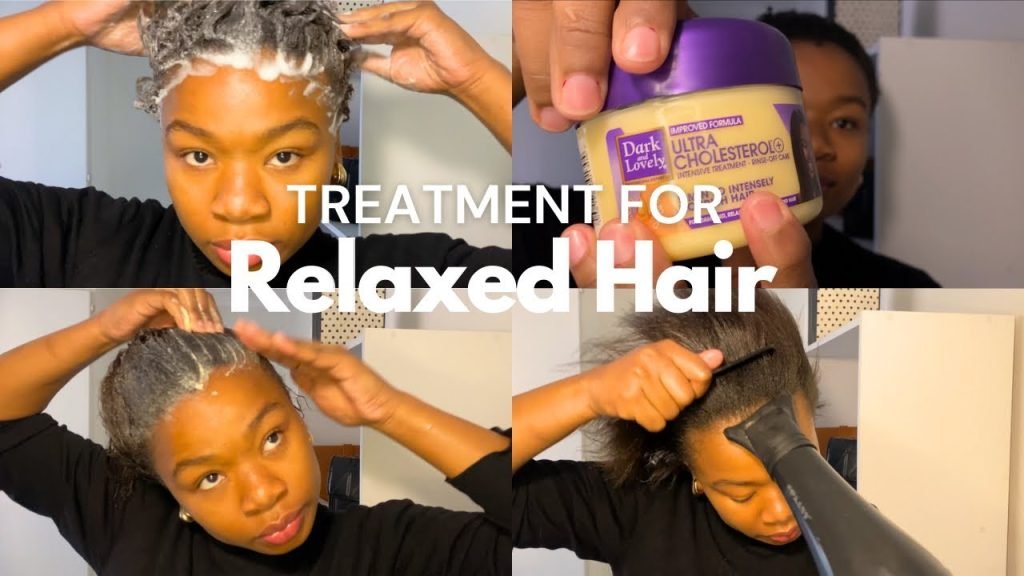
Are you looking for the best ways to keep your relaxed hair healthy and beautiful? You’re not alone.
Many people with relaxed hair struggle to maintain its luster and strength. The good news is that with the right care, you can enjoy smooth, manageable, and stunning hair every day. Imagine running your fingers through your hair, feeling its silkiness and knowing it’s in its best condition.
This guide is crafted just for you, with simple yet effective tips to help you take the best care of your relaxed hair. Get ready to transform your hair care routine and achieve the gorgeous, vibrant locks you’ve always dreamed of. Dive in to discover how!

Credit: designessentials.com
Choosing The Right Products
Choosing the right products is crucial for keeping your relaxed hair healthy and vibrant. The wrong shampoo or conditioner can strip away moisture or cause damage, while the right ones can enhance softness and shine. Understanding what your hair needs and selecting products accordingly will make a noticeable difference in your hair care routine.
Sulfate-free Shampoos
Sulfates can be harsh on relaxed hair, often stripping natural oils and leaving your strands dry and brittle. Opting for sulfate-free shampoos helps maintain your hair’s natural moisture balance. These shampoos gently cleanse without causing irritation, which is especially important if your scalp tends to be sensitive.
Look for shampoos labeled “sulfate-free” and check ingredient lists for sodium lauryl sulfate or sodium laureth sulfate. Have you noticed your hair feeling dry or rough after washing? Switching to a sulfate-free shampoo might be the simple change you need.
Moisturizing Conditioners
Relaxed hair needs consistent moisture to stay soft and manageable. Choose conditioners rich in hydrating ingredients like shea butter, glycerin, or coconut oil. These help to repair damage and prevent breakage by sealing moisture into the hair shaft.
Apply conditioner generously, focusing on the ends where damage is often worse. Don’t just rinse quickly—give your hair a few minutes to absorb the nutrients. What moisturizing ingredient has worked best for your hair so far?
Leave-in Treatments
Leave-in treatments provide extra hydration and protection throughout the day. They act as a barrier against environmental stressors like heat and pollution, which can weaken relaxed hair. Lightweight creams or sprays with proteins and oils work well without weighing hair down.
Try applying a leave-in treatment after every wash or whenever your hair feels dry. Notice how your hair responds—does it feel smoother or easier to style? This feedback helps you find the perfect product for your unique hair needs.
Washing And Conditioning Techniques
Washing and conditioning relaxed hair needs a careful approach. This hair type is fragile and prone to dryness. The right techniques keep hair healthy and soft. Avoid harsh products and rough handling. Follow gentle cleansing, deep conditioning, and careful detangling steps.
Gentle Cleansing Methods
Choose sulfate-free shampoos to prevent stripping natural oils. Use lukewarm water, not hot, to protect hair moisture. Apply shampoo to the scalp only. Let the suds cleanse the hair strands as you rinse. Massage gently with fingertips, not nails. Rinse thoroughly to remove all product residue.
Deep Conditioning Routine
Use a rich conditioner designed for relaxed hair. Apply generously from roots to ends. Cover hair with a plastic cap to trap heat. Leave the conditioner on for 15-30 minutes. Use a warm towel for extra moisture absorption. Rinse with cool water to seal the hair cuticle and add shine.
Detangling Without Damage
Detangle hair when it is wet and coated with conditioner. Use a wide-tooth comb or fingers for gentle removal. Start from the tips and work up to the roots. Avoid yanking or pulling on knots. Detangling in small sections helps prevent breakage and pain.
Daily Hair Care Habits
Maintaining relaxed hair daily is crucial for keeping it healthy, strong, and looking its best. Your hair needs consistent care to prevent dryness, breakage, and damage. Simple habits can make a big difference, so let’s dive into practical steps you can take every day.
Moisturizing And Sealing
Relaxed hair tends to lose moisture quickly, so it’s important to keep it hydrated. Use a water-based leave-in conditioner or hair mist to add moisture daily. After moisturizing, seal in the hydration with natural oils like coconut oil, olive oil, or shea butter to lock the moisture and prevent dryness.
Try to focus on the ends of your hair, where damage is most common. Do you notice your hair feeling dry or brittle by midweek? Adding this simple step could change that.
Protective Styling Options
Protective styles reduce manipulation and protect your hair from environmental damage. Consider styles like braids, twists, or buns that keep your ends tucked away. These styles help maintain moisture and reduce breakage from daily brushing or combing.
Be mindful not to make styles too tight, which can cause tension and damage your scalp or edges. What protective style feels comfortable and manageable for your daily routine?
Avoiding Heat Damage
Heat styling tools like flat irons and curling wands can weaken relaxed hair if used too often. Limit heat use to special occasions and always apply a heat protectant beforehand. Air drying your hair or using low heat settings can also prevent unnecessary damage.
Have you ever noticed your hair breaking after using heat? Cutting back on heat styling can help your hair retain strength and shine over time.

Credit: www.youtube.com
Nighttime Hair Care
Nighttime hair care is a crucial step in maintaining healthy relaxed hair. How you treat your hair while you sleep can make a big difference in its moisture, strength, and overall appearance. Neglecting this part of your routine often leads to breakage and dryness by morning.
Using Satin Or Silk Accessories
Switching to satin or silk pillowcases and hair wraps can protect your relaxed hair from friction and moisture loss. Unlike cotton, these materials allow your hair to glide smoothly, preventing tangles and split ends.
I used to wake up with frizzy, dry hair until I started using a satin bonnet every night. The change was noticeable within a week—my hair felt softer and looked shinier. Have you tried swapping your cotton pillowcase for satin yet?
- Choose a satin or silk bonnet that fits securely without pulling.
- Consider satin pillowcases if bonnets feel uncomfortable.
- Replace accessories regularly to avoid buildup of oils and dirt.
Nightly Moisture Application
Applying moisture to your relaxed hair before bed helps maintain hydration and prevents breakage. Use a light leave-in conditioner or natural oils like jojoba or argan oil to seal in moisture without weighing hair down.
Personally, I spritz my hair with water mixed with a few drops of essential oil, then seal it with a small amount of oil. This simple step keeps my hair soft and manageable by morning. What is your go-to nighttime moisturizer?
- Focus on the ends, as they tend to be driest and most fragile.
- Avoid heavy creams that can cause buildup overnight.
- Adjust the amount based on your hair’s porosity and thickness.
Trimming And Scalp Care
Taking care of relaxed hair means paying close attention to both your ends and your scalp. Trimming keeps your hair looking fresh and healthy, while caring for your scalp ensures the roots stay strong and ready for new growth. These two steps work hand in hand to maintain the overall health of your relaxed hair.
Regular Trims For Healthy Ends
Trimming your relaxed hair every 6 to 8 weeks helps prevent split ends from traveling up the hair shaft. Split ends can make your hair appear dull and cause breakage, which slows down growth.
Even if you’re growing your hair out, trimming small amounts regularly keeps your ends neat and manageable. You don’t need to cut off a lot—just enough to get rid of damaged ends.
Think about how your hair feels after a trim. Isn’t it lighter and easier to style? This simple habit can save you from bigger damage down the road.
Scalp Massage Benefits
Massaging your scalp stimulates blood flow, which can encourage healthy hair growth. You only need a few minutes a day to give your scalp a gentle massage with your fingertips.
Using natural oils like jojoba or coconut oil during the massage adds moisture and nourishment to your scalp. This helps prevent dryness and flakiness, common issues with relaxed hair.
Have you noticed how a good scalp massage can relax your mind too? It’s a small self-care ritual that benefits both your hair and your well-being.
Common Mistakes To Avoid
Taking care of relaxed hair requires more than just the right products; avoiding certain mistakes can make a huge difference in the health of your hair. Many people unknowingly damage their relaxed hair by following habits that seem harmless but actually cause breakage and dryness. Recognizing these common pitfalls will help you keep your hair strong, shiny, and manageable.
Overprocessing
Relaxed hair is already chemically treated, so adding extra chemicals too often can be harmful. Avoid touching up your relaxer before the recommended time—this can weaken your hair and cause breakage.
Using too many heat tools like flat irons and blow dryers without protection also counts as overprocessing. Ask yourself: is the style worth the damage? Your hair needs time to recover between treatments.
Skipping Moisture
Relaxed hair tends to lose moisture quickly, so skipping hydration is a big mistake. If you don’t regularly use moisturizing shampoos, conditioners, and leave-in treatments, your hair will become dry and brittle.
Think about how often you apply deep conditioners or oils. Is it enough to keep your hair soft and flexible? Your hair needs consistent moisture to prevent breakage and maintain a healthy shine.
Rough Handling
Relaxed hair is fragile and requires gentle care. Brushing or combing aggressively, especially when wet, can cause unnecessary breakage and split ends.
Try detangling with a wide-tooth comb or your fingers, starting from the ends and working your way up. Do you notice how much less hair falls out when you handle it gently? Treat your hair like it’s delicate—because it is.

Credit: www.reddit.com
Frequently Asked Questions
How Often Should I Wash Relaxed Hair?
Washing relaxed hair once a week is ideal. It helps maintain moisture and prevents dryness. Use a gentle, sulfate-free shampoo to avoid stripping natural oils.
What Products Are Best For Relaxed Hair Care?
Use moisturizing shampoos, conditioners, and leave-in treatments. Products with natural oils like argan or coconut help keep hair soft and hydrated.
How Can I Prevent Breakage In Relaxed Hair?
Avoid excessive heat and harsh styling. Use wide-tooth combs and protective styles to minimize tension and breakage. Regular deep conditioning strengthens hair strands.
Is It Necessary To Trim Relaxed Hair Regularly?
Yes, trimming every 6-8 weeks removes split ends. This promotes healthy growth and keeps relaxed hair looking fresh and neat.
Conclusion
Taking care of relaxed hair needs patience and gentle care. Keep your hair moisturized to avoid dryness and breakage. Use mild shampoos and deep condition regularly for softness. Protect your hair from heat and harsh chemicals. Trim split ends to keep hair healthy and neat.
Remember, healthy hair looks and feels better every day. Small efforts make a big difference over time. Enjoy your smooth, relaxed hair with simple, consistent care.
