Are you tired of bad hair days that seem to never end? Does your hair feel more like a problem than a crown of glory?
You’re not alone. Many people struggle to keep their hair healthy and beautiful. But what if you could learn simple, effective ways to transform your hair care routine? Imagine the confidence boost that comes with having hair that looks and feels amazing every day.
In this guide, we’ll dive into practical tips and tricks tailored just for you. Discover how easy it can be to nurture your hair and unlock its full potential. Let’s get started on the path to hair you’ll love!
Daily Hair Care Routine
Taking care of your hair every day can make a huge difference in its health and appearance. A consistent daily hair care routine helps prevent damage and keeps your hair looking vibrant. Small changes in how you wash, condition, and brush your hair can improve its texture and shine over time.
Choosing The Right Shampoo And Conditioner
Your hair type should guide your choice of shampoo and conditioner. If your scalp feels oily by midday, look for a shampoo labeled “clarifying” or “for oily hair.” For dry or damaged hair, pick products rich in moisturizing ingredients like argan oil or shea butter.
Remember, sulfate-free shampoos tend to be gentler and prevent stripping your hair’s natural oils. Conditioner should match your shampoo and focus on the needs of your hair ends. Have you ever noticed your hair feels heavy or greasy after conditioning? That might mean you’re applying conditioner too close to your scalp.
Proper Washing Techniques
Start by rinsing your hair with warm water to open the cuticles, allowing the shampoo to clean effectively. Use just enough shampoo to create a lather—overusing can dry out your hair and scalp. Massage the shampoo gently into your scalp with your fingertips; avoid using nails to prevent irritation.
Rinse thoroughly with cool water to close the hair cuticles, which helps lock in moisture and adds shine. How often should you wash your hair? It depends on your hair type and lifestyle, but daily washing isn’t necessary for most people. Adjust based on how your scalp feels and how your hair responds.
Daily Brushing Tips
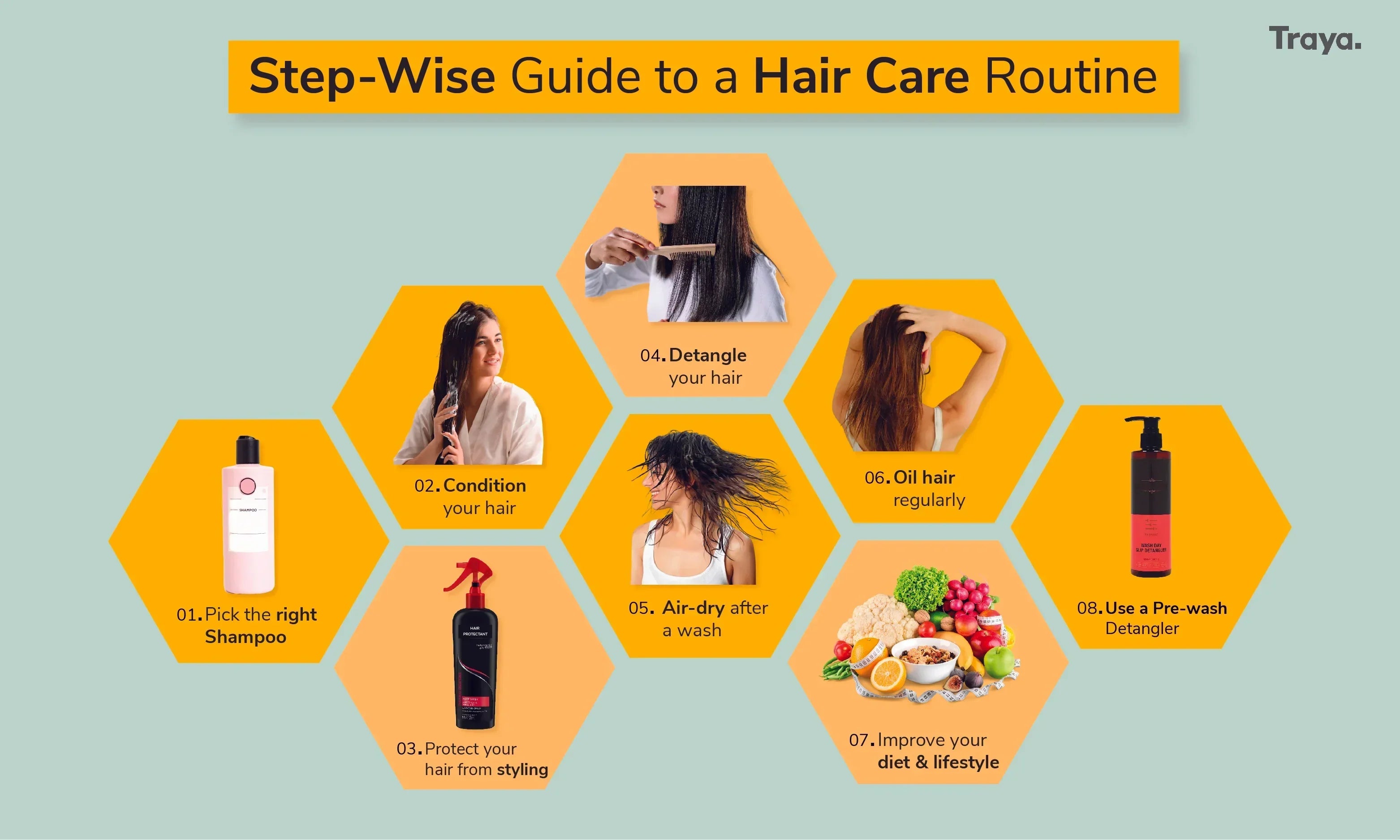
Brushing your hair daily stimulates blood flow to your scalp, promoting healthy hair growth. Use a brush with natural bristles to distribute oils evenly from roots to ends. Start brushing gently from the tips and slowly work your way up to detangle knots without breaking hair.
Avoid brushing when your hair is wet since it’s more fragile and prone to breakage. Instead, use a wide-tooth comb to gently detangle after washing. How often do you change your brush? Regularly cleaning and replacing your brush can prevent buildup and damage.
Credit: traya.health
Protecting Hair From Damage
Protecting hair from damage is key to keeping it healthy and strong. Hair faces many threats daily, from heat to chemicals and the environment. Taking simple steps helps maintain hair’s natural shine and texture. Careful protection lowers breakage and dryness.
Heat Styling Precautions
Heat styling tools can harm hair by drying and weakening it. Use a heat protectant spray before styling. Limit the temperature settings to avoid excessive heat. Try air drying or low heat options when possible. Give hair regular breaks from heat tools to recover.
Avoiding Chemical Overload
Frequent use of dyes, bleaches, and relaxers can cause serious damage. Space out chemical treatments to let hair heal. Choose gentle, ammonia-free products. Deep condition hair after chemical use to restore moisture. Avoid mixing different chemical treatments in a short time.
Sun And Environmental Protection
Sun exposure can dry out hair and fade color. Wear a hat or scarf to shield hair outdoors. Use hair products with UV protection. Rinse hair after swimming to remove chlorine or salt. Keep hair moisturized to fight dryness from wind and pollution.
Nutrition For Strong Hair
Nutrition plays a crucial role in keeping your hair strong and healthy. What you eat directly affects the strength, shine, and growth of your hair. Paying attention to the nutrients you provide your body can make a noticeable difference in how your hair looks and feels.
Essential Vitamins And Minerals
Your hair needs specific vitamins and minerals to stay strong. Vitamin A helps produce sebum, which keeps your scalp moisturized. Vitamin C supports collagen production, essential for hair structure.
Don’t overlook vitamin E, which protects hair cells from damage. Iron delivers oxygen to your hair follicles, preventing hair loss. Zinc aids in tissue growth and repair, keeping your scalp healthy.
Have you checked if your diet includes these vital nutrients? Sometimes, a small deficiency can cause hair to weaken.
Hydration And Hair Health
Water is often ignored, but it’s a key player in hair health. Your hair shaft is mostly made of water, so staying hydrated prevents dryness and brittleness. Drinking enough water daily keeps your hair flexible and less prone to breakage.
Think about how your hair feels after a day in the sun or after dehydration—it becomes dry and fragile. Keeping a water bottle handy can help maintain your hair’s natural moisture balance.
Foods To Include In Your Diet
Adding the right foods to your diet can boost your hair’s strength. Include eggs for protein and biotin, which are essential for hair growth. Leafy greens like spinach provide iron and vitamins A and C.
Fatty fish such as salmon are rich in omega-3 fatty acids, promoting scalp health. Nuts and seeds are excellent sources of vitamin E and zinc. Dairy products offer calcium and protein, supporting hair structure.
- Eggs
- Spinach
- Salmon
- Almonds and walnuts
- Greek yogurt
Which of these foods do you eat regularly? Trying to add even one new item a week can improve your hair’s strength over time.

Credit: www.lotusbotanicals.com
Handling Common Hair Issues
Common hair problems can affect anyone. These issues often cause discomfort and lower confidence. Knowing how to handle them helps keep hair healthy and strong. Simple care routines can reduce damage and improve hair’s look.
Dealing With Dryness And Frizz
Dry hair feels rough and looks dull. Frizz makes hair hard to manage. Both happen when hair loses moisture. Use gentle shampoos that do not strip natural oils.
- Apply conditioner after every wash to add moisture.
- Use hair masks once a week for deep hydration.
- Avoid hot water; use lukewarm instead to protect hair.
- Limit heat styling tools like straighteners and curling irons.
- Use a wide-tooth comb to detangle without breakage.
Managing Hair Loss
Hair loss can happen due to stress, diet, or health. It’s important to find the cause early. Eating balanced meals with vitamins supports hair growth.
- Massage scalp gently to improve blood flow.
- Avoid tight hairstyles that pull on hair roots.
- Use mild shampoos free from harsh chemicals.
- Consult a doctor if hair loss is sudden or severe.
Tackling Dandruff
Dandruff shows as white flakes on scalp and shoulders. It causes itching and discomfort. Use anti-dandruff shampoos containing zinc pyrithione or ketoconazole.
- Wash hair regularly to remove flakes and oil.
- Brush hair to reduce scalp buildup.
- Keep scalp clean and dry to prevent fungus growth.
- Avoid scratching, which can worsen irritation.
Hair Care Tips For Different Hair Types
Hair care varies by hair type. Different textures need different treatments. Understanding your hair helps in choosing the right products and routines. This section shares simple tips for curly, straight, and oily hair. These tips protect your hair and keep it healthy every day.
Caring For Curly Hair
Curly hair needs moisture and gentle care. Use a sulfate-free shampoo to avoid drying out curls. Apply conditioner generously to keep curls soft and defined. Avoid brushing dry curls; use fingers or a wide-tooth comb instead. Deep condition once a week for extra hydration. Sleep on a silk pillowcase to reduce frizz and breakage.
Maintaining Straight Hair
Straight hair can get oily quickly but looks shiny naturally. Wash hair regularly with a mild shampoo to remove dirt and oil. Use a lightweight conditioner only on the ends to avoid greasiness. Avoid heavy styling products that weigh hair down. Blow-dry hair gently using a low heat setting. Trim hair every 6–8 weeks to keep ends healthy.
Tips For Oily Hair
Oily hair needs careful cleansing without over-washing. Wash hair every other day to balance oil production. Use a clarifying shampoo once a week to remove buildup. Avoid touching hair often, as it spreads oil. Use dry shampoo between washes to absorb excess oil. Rinse hair with cool water to close pores and reduce oiliness.

Credit: www.lotusbotanicals.com
Frequently Asked Questions
How Often Should I Wash My Hair For Best Care?
Washing hair 2-3 times a week is ideal for most hair types. It prevents dryness and maintains natural oils. Overwashing can strip oils, causing damage. Adjust frequency based on your scalp’s oiliness and lifestyle. Use gentle, sulfate-free shampoos for healthy hair care.
What Are The Best Products For Healthy Hair Care?
Choose shampoos and conditioners suited to your hair type. Look for sulfate-free, moisturizing formulas with natural ingredients. Avoid heavy silicones and harsh chemicals. Incorporate leave-in conditioners or oils for extra nourishment. Regularly use a deep conditioning treatment to maintain hair health and shine.
How Can I Prevent Hair Damage From Styling Tools?
Use heat protectant sprays before applying heat. Limit the use of flat irons, curling irons, and blow dryers. Opt for lower heat settings to reduce damage. Avoid tight hairstyles that pull on the hair. Regular trims help prevent split ends caused by styling.
What Diet Supports Healthy Hair Growth?
Eat a balanced diet rich in vitamins A, C, D, and E. Include protein sources like eggs, fish, and nuts. Omega-3 fatty acids and iron support hair strength and shine. Stay hydrated and avoid excessive sugar and processed foods for optimal hair health.
Conclusion
Healthy hair needs simple care every day. Wash your hair gently and use the right shampoo. Avoid too much heat from styling tools. Trim your hair regularly to stop split ends. Eat good food and drink plenty of water. Protect your hair from sun and pollution.
Be patient; hair care takes time to show results. Small habits make a big difference in hair health. Keep your routine simple and stay consistent. Your hair will thank you with shine and strength.
