Do you struggle to keep your hair moisturized no matter what you try? If you have low porosity hair, this can be a common and frustrating challenge.
Your hair’s unique structure means it resists absorbing moisture, making it harder to keep it soft, shiny, and healthy. But don’t worry—you can learn how to work with your hair, not against it. You’ll discover simple, effective ways to care for your low porosity hair that actually make a difference.
Ready to unlock the secrets to beautiful, manageable hair? Keep reading, because your best hair days are just ahead.
Characteristics Of Low Porosity Hair
Low porosity hair has unique traits that affect how it absorbs moisture and products. Understanding these traits helps in choosing the right care routine. This hair type often looks healthy but may struggle with dryness or product buildup. It requires specific care to stay soft and manageable.
Identifying Low Porosity Hair
Low porosity hair has tightly closed cuticles. These cuticles lay flat and overlap like roof shingles. This structure makes it hard for moisture to enter the hair shaft.
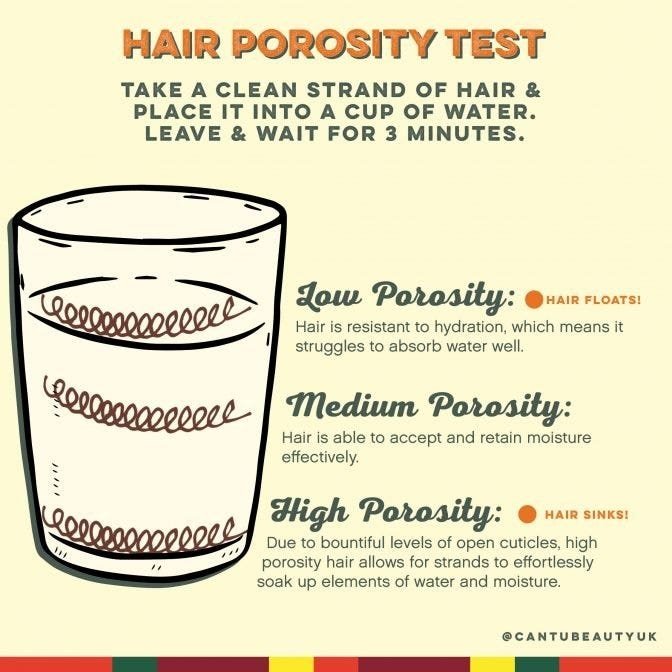
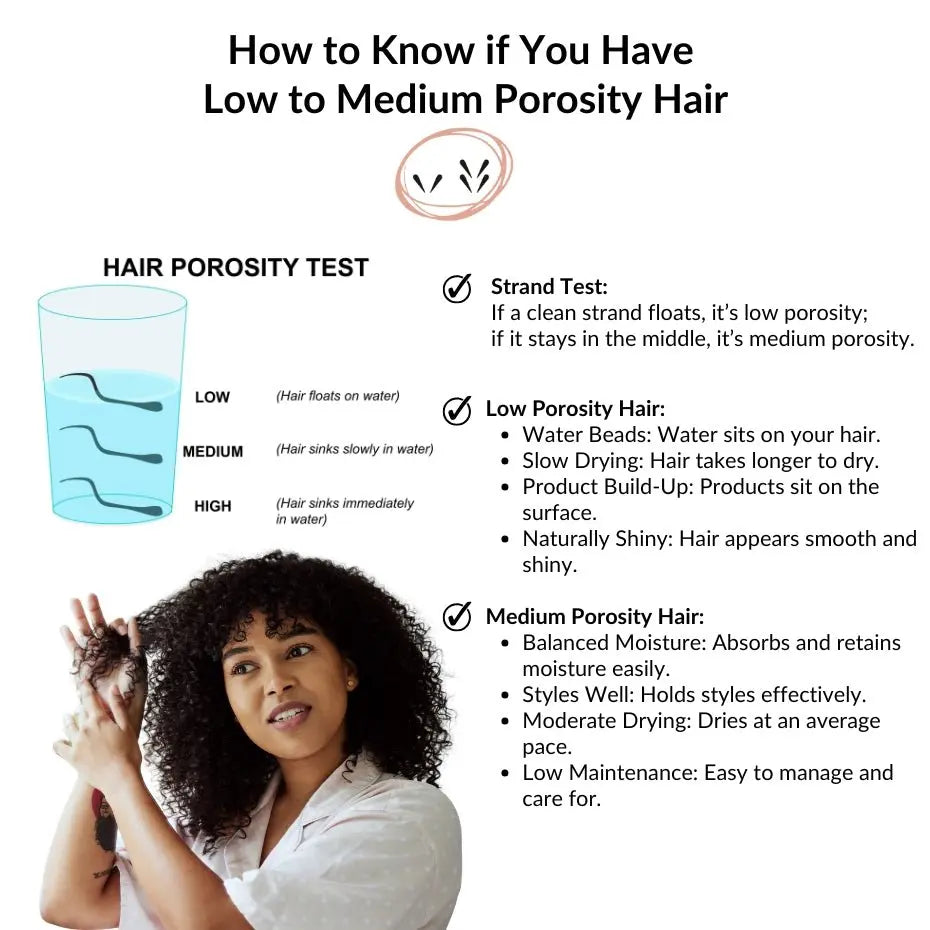
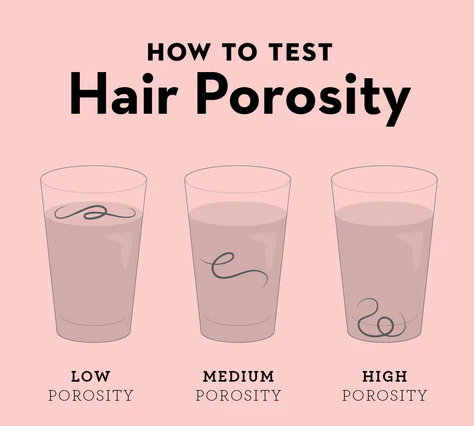
To identify low porosity hair, try this simple test:
- Place a strand of clean hair in a bowl of water.
- Wait for 2-4 minutes.
- If the hair floats or sinks slowly, it likely has low porosity.
Low porosity hair often feels smooth and looks shiny. It takes longer to get wet and dry.
Common Challenges
Low porosity hair faces some specific problems. These include:
- Products sitting on the hair instead of absorbing.
- Build-up of styling products and oils.
- Hair feels dry despite regular moisturizing.
- Long drying time after washing.
- Difficulty in deep conditioning.
Understanding these challenges is key to improving hair care techniques. It helps avoid frustration and hair damage.

Credit: theradome.com
Effective Cleansing Techniques
Effective cleansing is key to maintaining the health and vibrancy of low porosity hair. Since this hair type resists moisture absorption, choosing the right cleansing approach helps remove buildup without stripping natural oils. The goal is to refresh your scalp and hair while keeping strands soft and manageable.
Choosing The Right Shampoo
Look for shampoos that are sulfate-free and gentle. Harsh detergents can cause buildup on low porosity hair, making it feel dry and stiff. Instead, pick shampoos with moisturizing ingredients like aloe vera, glycerin, or honey.
Clarifying shampoos can be useful, but only occasionally. They help remove product residue and minerals that block moisture. Using them too often can lead to dryness, so save clarifiers for once a month or when you notice dullness.
Frequency Of Washing
Low porosity hair doesn’t need frequent washing because it naturally repels water. Washing too often can strip away essential oils, leaving your hair dry and brittle. Aim to wash your hair once every 7 to 10 days to maintain a healthy balance.
Between washes, consider co-washing with a conditioner to keep your scalp clean without over-drying. Do you notice your hair feeling weighed down or greasy sooner than expected? Adjust your washing schedule accordingly to find what suits your scalp’s needs best.
Moisturizing Strategies
Moisturizing low porosity hair needs a gentle, thoughtful approach. This hair type resists water and products, making moisture hard to absorb. Using the right products and applying them correctly helps keep hair soft and healthy. Simple habits can make a big difference over time.
Best Moisturizers For Low Porosity Hair
Choose light, water-based moisturizers for low porosity hair. Heavy creams and oils often sit on the hair instead of soaking in. Look for ingredients that easily penetrate the hair shaft and add hydration.
- Aloe vera gel hydrates without weighing hair down.
- Glycerin draws moisture from the air into the hair.
- Light oils like argan or jojoba seal moisture without buildup.
- Water-based leave-in conditioners add lasting moisture.
Products with these ingredients help hair stay soft and shiny. Avoid heavy butters and thick oils that block moisture.
Applying Moisture Correctly
Apply moisture on damp hair to improve absorption. Dry hair repels water and product, so spritz hair with water first. Use your fingers or a wide-tooth comb to spread product evenly.
Warm your moisturizer slightly before applying. This helps open hair cuticles for better penetration. Cover hair with a plastic cap or scarf to trap heat and boost moisture.
Don’t overload hair with product. Use small amounts, adding more only if needed. Let hair air dry or use a diffuser on low heat to keep moisture locked in.
Enhancing Absorption
Low porosity hair resists moisture and product absorption due to tightly closed cuticles. Enhancing absorption helps products penetrate better, improving hydration and hair health. Simple techniques can gently open cuticles and remove buildup.
Using Heat To Open Cuticles
Heat softens the hair cuticles, allowing moisture and treatments to enter. Warm water or steam can be effective tools for this.
- Use warm water when washing your hair to soften cuticles.
- Apply a warm towel over your hair after applying conditioner or treatments.
- Use a steam cap or sit in a warm, humid environment for 10-15 minutes.
Heat helps your hair absorb oils, creams, and conditioners deeply. Avoid very hot water to prevent damage.
Clarifying Treatments
Clarifying removes product buildup that blocks moisture from entering the hair shaft. Low porosity hair often accumulates residue from heavy products.
- Use a gentle clarifying shampoo once every 1-2 weeks.
- Look for shampoos with natural ingredients like apple cider vinegar or tea tree oil.
- Rinse hair thoroughly to ensure all residue is removed.
Regular clarifying keeps hair clean and receptive to moisture. Do not overuse clarifiers to avoid dryness.
Styling Tips For Shine
Shiny hair looks healthy and feels soft. Styling low porosity hair to add shine requires gentle care and the right products. Using lightweight oils and protective hairstyles helps keep hair glossy without weighing it down.
Lightweight Oils And Serums
Low porosity hair resists heavy oils. Use lightweight oils like argan, jojoba, or grapeseed. These oils sit on the hair surface and add shine without buildup.
- Apply a small amount to damp hair.
- Focus on ends and mid-lengths.
- Avoid heavy oils like castor or coconut oil on styling days.
- Use serums with silicones for smoothness and light reflection.
These products lock in moisture and enhance natural shine gently.
Protective Hairstyles
Protective styles reduce damage and keep hair smooth. Styles like braids, twists, and buns help retain moisture.
- Choose styles that do not pull tightly.
- Keep hair covered at night with a silk scarf or bonnet.
- Protective styles reduce friction and breakage.
- They maintain shine by minimizing exposure to harsh elements.
Switch styles often to avoid stress on the hair and scalp.
Credit: theorganibrands.com
Avoiding Common Mistakes
Taking care of low porosity hair can be tricky, especially if you fall into common traps that hinder your hair’s health. Avoiding mistakes is key to unlocking your hair’s natural beauty. Let’s talk about some pitfalls that often catch people off guard and how you can steer clear of them to keep your hair happy and thriving.
Over-product Build-up
Low porosity hair struggles to absorb moisture, and piling on too many products only makes this worse. When you use multiple layers of oils, gels, and leave-in conditioners without proper cleansing, your scalp and strands can get weighed down.
I once kept adding more leave-in conditioner, thinking it would help, but my hair felt greasy and lifeless by the end of the day. It took a good clarifying shampoo to reset my routine.
Ask yourself: Are you using too many products at once? Try cutting back and washing regularly with a gentle clarifying shampoo to remove build-up. This allows your hair to breathe and absorb moisture better.
Heavy Creams And Butters
While thick creams and butters feel nourishing, they often sit on low porosity hair without soaking in. This can lead to a coated, sticky feeling rather than soft, hydrated strands.
I remember switching to a heavy shea butter cream, hoping for better moisture, but it just left my hair looking dull and weighed down. Light oils or water-based moisturizers work far better for me.
Instead of reaching for the heaviest products, choose lighter formulas that absorb quickly. Look for water-based leave-ins or lightweight oils like argan or jojoba. Your hair will thank you for not smothering it.
Routine Maintenance
Routine maintenance is key to keeping low porosity hair healthy and vibrant. This hair type resists moisture, so regular care helps improve absorption. Consistent steps make hair softer and easier to manage over time. Below are two essential parts of the routine to focus on.
Regular Deep Conditioning
Deep conditioning is crucial for low porosity hair. Use warm water to open the hair cuticles. Apply a rich, moisturizing deep conditioner. Cover hair with a plastic cap to trap heat. Leave it on for 20 to 30 minutes. This helps the product penetrate the hair shaft better. Rinse thoroughly with cool water to close the cuticles. Deep condition once every one to two weeks. It restores moisture and adds shine.
Trimming And Scalp Care
Trim hair regularly to remove split ends and prevent damage. Healthy ends reduce breakage and promote growth. Keep the scalp clean and moisturized. Use gentle shampoos that do not strip natural oils. Massage the scalp with light oils like jojoba or argan oil. This improves blood flow and encourages healthy follicles. Clean scalp and trimmed ends support overall hair health.
Credit: www.estepera.com
Frequently Asked Questions
What Is Low Porosity Hair?
Low porosity hair has tightly closed cuticles that resist moisture. It often feels dry and repels water, making hydration challenging.
How Do I Moisturize Low Porosity Hair Effectively?
Use lightweight, water-based moisturizers and warm water to open cuticles. Avoid heavy oils that can cause buildup and weigh hair down.
Which Products Work Best For Low Porosity Hair?
Choose products with humectants like glycerin or aloe vera. Lightweight leave-in conditioners and heat-activated deep conditioners work well.
How Often Should I Wash Low Porosity Hair?
Wash low porosity hair every 7 to 10 days to avoid buildup. Use gentle shampoos that cleanse without stripping natural oils.
Conclusion
Caring for low porosity hair requires patience and the right techniques. Use warm water to open up cuticles. Choose lightweight products for better absorption. Avoid heavy oils and butters. Deep condition regularly for moisture. Use a hooded dryer or steam cap for best results.
Limit heat styling to prevent damage. Trim hair regularly to keep it healthy. Stay consistent with your routine for the best results. Healthy hair is achievable with dedication. Your hair will thank you for the attention and care.
