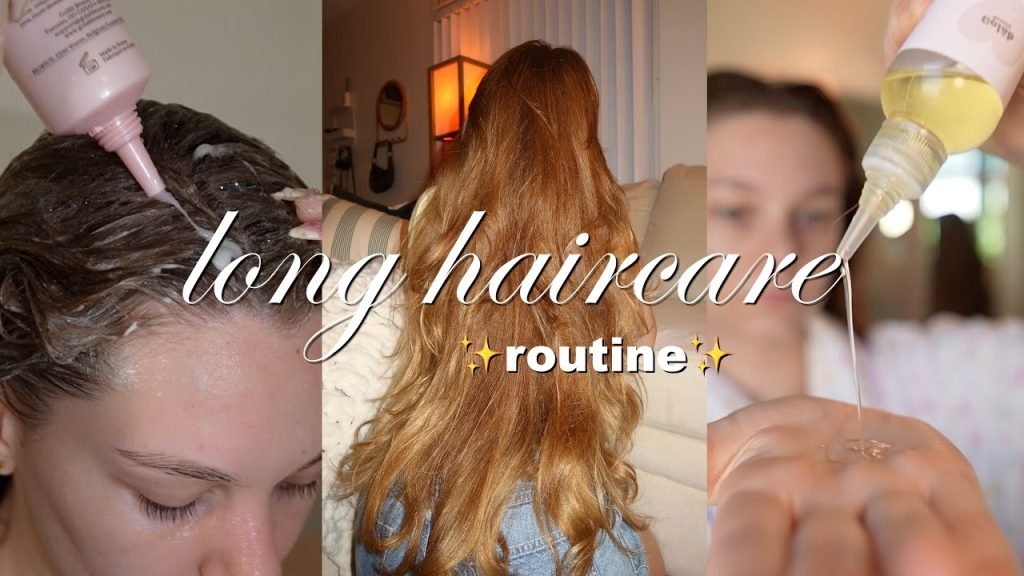
Are you dreaming of luscious, flowing locks that turn heads wherever you go? Long hair can be your crowning glory, but it comes with its own set of challenges.
Without the right care, those beautiful strands can quickly become dry, tangled, and unruly. Imagine the frustration of endless knots and split ends, or worse, the dreaded breakage that can set you back months in your hair growth journey. But don’t worry—you’re not alone, and the good news is, taking care of long hair doesn’t have to be a daunting task.
You’ll discover simple yet effective tips to keep your long hair healthy, shiny, and absolutely stunning. Ready to transform your hair care routine and unlock the secrets to gorgeous long hair? Keep reading, because your hair deserves the best!
Daily Hair Care Routine
Taking care of long hair daily is essential to keep it healthy, shiny, and manageable. Your routine doesn’t have to be complicated, but it should be consistent and gentle. Small habits, like how you wash or detangle your hair, can make a big difference over time.
Gentle Washing Techniques
Wash your hair with lukewarm water instead of hot water to avoid stripping natural oils. Focus shampoo mainly on your scalp, where oil and dirt build up the most. Let the suds rinse down the length of your hair without scrubbing it harshly.
Try not to wash your hair every day; 2-3 times a week is enough for most long hair types. Over-washing can lead to dryness and breakage, which you want to avoid.
Choosing The Right Shampoo And Conditioner
Select shampoos and conditioners made for your specific hair type—whether it’s dry, oily, or normal. Look for sulfate-free shampoos that clean gently without removing moisture.
Use conditioner from mid-length to the ends, where your hair is oldest and most fragile. If your ends feel dry, a leave-in conditioner or hair oil can add extra nourishment.
Detangling Without Damage
Use a wide-tooth comb or a brush designed for wet hair to detangle gently. Start from the ends and work your way up slowly to prevent breakage.
Apply a detangling spray or conditioner before combing, especially if your hair is prone to knots. Have you noticed how rushing through detangling can cause more split ends? Taking your time really pays off.

Credit: www.youtube.com
Deep Conditioning And Treatments
Deep conditioning and treatments play a vital role in caring for long hair. They help restore moisture and repair damage caused by styling and the environment. These treatments make hair softer, shinier, and easier to manage.
Regular deep conditioning strengthens hair strands and prevents breakage. It also improves hair texture and reduces frizz. Using the right treatments can keep long hair healthy and beautiful.
Benefits Of Deep Conditioning
- Restores moisture to dry and brittle hair
- Repairs damage from heat and chemicals
- Improves hair elasticity and strength
- Reduces frizz and enhances shine
- Makes hair softer and easier to detangle
- Prevents split ends and breakage
Homemade Hair Masks
Homemade masks use natural ingredients to nourish hair deeply. They are easy to make and cost-effective. Some popular ingredients include:
- Avocado: Rich in vitamins and oils to hydrate hair
- Coconut oil: Penetrates hair shaft for deep moisture
- Honey: Acts as a natural humectant to lock in moisture
- Yogurt: Contains proteins that strengthen hair
- Banana: Adds softness and shine
Mix ingredients into a smooth paste. Apply to clean, damp hair. Leave on for 20–30 minutes. Rinse well with lukewarm water.
Professional Treatments To Try
Salon treatments offer advanced care for long hair. They use specialized products and techniques to improve hair health. Popular professional options include:
- Keratin treatment: Smooths hair and reduces frizz
- Hot oil treatment: Deeply nourishes and repairs dry hair
- Protein treatment: Strengthens weak or damaged strands
- Scalp treatment: Cleanses and stimulates hair growth
These treatments provide long-lasting results. Schedule sessions according to hair needs and condition.
Protecting Hair From Damage
Protecting long hair from damage is essential for keeping it healthy and strong. Hair can weaken from heat, chemicals, and the environment. Taking simple steps helps prevent breakage and dryness. Healthy hair looks shiny and feels soft.
Heat Styling Tips
Limit the use of hot tools like straighteners and curling irons. Use a heat protectant spray before styling. Choose lower heat settings to reduce damage. Avoid styling hair daily to give it a rest. Let hair air dry when possible instead of using a blow dryer.
Avoiding Chemical Damage
Be cautious with hair dyes, bleaches, and perms. These chemicals can weaken hair strands. Use gentle products designed for colored or treated hair. Space out chemical treatments to give hair time to recover. Always follow instructions carefully to avoid over-processing.
Sun And Environmental Protection
Sun exposure can dry out hair and cause color fading. Wear hats or scarves when outside for long periods. Use hair products with UV protection to shield strands. Rinse hair after swimming in pools or seawater to remove harsh chemicals. Keep hair moisturized to fight dryness from wind and pollution.

Credit: longhaircarolyn.medium.com
Trimming And Maintaining Shape
Trimming long hair is essential for keeping it healthy and looking good. Regular trims stop split ends from traveling up the hair shaft. They also help maintain the hair’s natural shape and style. Without trimming, hair can become uneven and harder to manage.
Maintaining the shape of long hair ensures it falls nicely and feels lighter. Well-shaped hair enhances your overall appearance and makes styling easier. Trims do not mean losing length; they mean keeping your hair strong and fresh.
When To Trim Long Hair
Trimming every 8 to 12 weeks is ideal for most people. This timing helps prevent damage and split ends. Signs that you need a trim include:
- Hair ends look dry or frayed
- Hair breaks easily when brushed
- Your hair shape looks uneven
- Hair tangles more than usual
Pay attention to your hair’s condition. Adjust your trim schedule based on how fast your hair grows.
Trimming Techniques For Healthy Ends
Use sharp scissors made for hair cutting. Dull scissors cause split ends and damage. Trim hair when it is dry to see the true length and shape. Avoid cutting too much at once; small trims work best.
- Point cut by snipping vertically into the ends for softness
- Trim straight across for blunt, even edges
- Use the twist and snip method for layered looks
Trim in good light and section hair for even cutting. Regular trims keep hair healthy and full of life.
Nutrition And Hair Health
Your hair’s health reflects what you eat. Nutrition plays a crucial role in keeping long hair strong, shiny, and growing. You might wonder why your hair feels brittle or falls out more than usual—often, your diet holds the answer.
Improving your nutrition can change how your hair looks and feels. Simple changes in your meals and supplements can make a big difference over time. Let’s look at some foods and supplements that support hair growth and strength.
Foods That Promote Hair Growth
Your hair needs certain nutrients to grow well. Including these foods in your diet can help nourish your scalp and hair follicles:
- Eggs:Packed with protein and biotin, eggs help build keratin, the protein in hair.
- Spinach:Rich in iron and vitamins A and C, spinach supports healthy hair growth and scalp health.
- Salmon:Loaded with omega-3 fatty acids, salmon reduces inflammation and keeps hair follicles healthy.
- Sweet potatoes:High in beta-carotene, they turn into vitamin A, which promotes hair growth and scalp hydration.
- Nuts and seeds:Sources of vitamin E, zinc, and healthy fats that strengthen hair and prevent damage.
Have you noticed a difference in your hair after adding more of these foods to your meals? Tracking small changes can show you what works best for your hair.
Supplements For Stronger Hair
Sometimes, diet alone isn’t enough to meet all hair nutritional needs. Supplements can fill gaps and boost hair health effectively.
- Biotin:A popular choice that supports hair strength and growth by improving keratin structure.
- Vitamin D:Helps create new hair follicles and prevents hair thinning.
- Zinc:Essential for tissue growth and repair; a lack of zinc can cause hair loss.
- Iron:Boosts oxygen supply to hair roots, promoting healthy strands.
- Collagen:Provides amino acids that your body uses to build hair proteins and strengthens hair structure.
Before starting any supplement, ask yourself if your diet might be lacking or if you’ve noticed any hair issues recently. Consulting a healthcare professional can help tailor the right supplements for your needs.

Credit: www.reddit.com
Styling Tips For Long Hair
Styling long hair can be both fun and challenging. You want your hair to look great without causing damage or taking too much time. The right styles can keep your hair healthy, manageable, and always ready for any occasion.
Easy Everyday Hairstyles
On busy days, simplicity is key. Try a loose braid or a high ponytail to keep your hair out of your face while still looking polished. These styles don’t require much effort but can make a big difference in your appearance.
You can also experiment with half-up, half-down styles. They add a bit of flair without the need for heat tools or complicated steps. Have you tried twisting small sections from the front to add detail?
Protective Styles For Night
Keeping your hair protected overnight is essential to prevent breakage and tangling. A loose braid or a soft bun can help reduce friction against your pillow. Use a silk or satin pillowcase to further protect your strands.
Wrap your hair in a silk scarf if you want extra care. This simple step can keep your hair smooth and save you time styling in the morning. What’s your current nighttime hair routine?
Special Occasion Looks
For weddings, parties, or important meetings, long hair offers endless possibilities. Soft curls or elegant updos can make you stand out without being overly complicated. Use lightweight hairspray to hold your style without stiffness.
Consider adding small accessories like pins or clips to elevate your look. They add a personal touch and can match your outfit perfectly. Which special style makes you feel the most confident?
Frequently Asked Questions
How Often Should I Wash Long Hair?
Washing long hair 2-3 times a week is ideal. It maintains natural oils and prevents dryness. Overwashing can cause damage and frizz. Use a gentle shampoo and conditioner designed for your hair type to keep it healthy and shiny.
What Is The Best Way To Detangle Long Hair?
Use a wide-tooth comb or a detangling brush. Start from the ends and work upwards gently. Avoid brushing wet hair aggressively to prevent breakage. Apply a leave-in conditioner or detangling spray for smoother results and less damage.
How Can I Prevent Split Ends In Long Hair?
Regular trims every 6-8 weeks help prevent split ends. Avoid excessive heat styling and use heat protectants. Keep hair hydrated with deep conditioning treatments. Using silk pillowcases also reduces friction that causes split ends.
What Are The Best Products For Long Hair Care?
Choose sulfate-free shampoos and moisturizing conditioners. Use serums or oils to add shine and reduce frizz. Opt for products with natural ingredients like argan oil or aloe vera. Avoid heavy products that weigh hair down or cause buildup.
Conclusion
Taking care of long hair needs patience and simple habits. Use gentle shampoos and avoid hot water. Regular trimming stops split ends from growing. Brush hair softly to prevent breakage. Eat healthy foods for stronger, shinier hair. Protect hair from sun and harsh weather.
Drink plenty of water to keep hair hydrated. Small daily steps bring big improvements over time. Keep your hair clean, moisturized, and well cared for. Long hair stays beautiful with consistent, gentle care.
