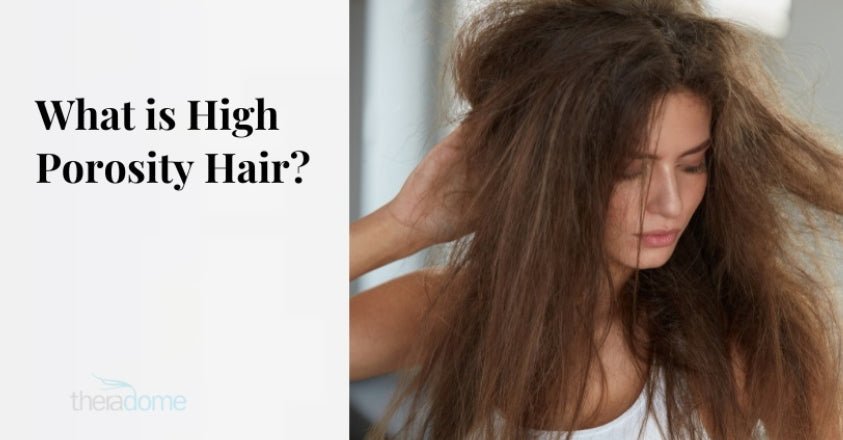
Do you struggle with dry, frizzy, or brittle hair that just won’t behave? If your hair feels like it soaks up moisture but loses it just as fast, you might have high porosity hair.
Taking care of high porosity hair can be tricky, but once you understand how to treat it right, your hair can become softer, shinier, and easier to manage. You’ll discover simple, effective tips tailored just for your hair type. Keep reading to unlock the secrets that will transform your hair care routine and bring back the healthy hair you’ve been craving.
Credit: clorebeauty.com
Characteristics Of High Porosity Hair
High porosity hair stands out because its cuticles are raised or damaged, allowing moisture to enter and escape easily. This type of hair can absorb products quickly, but it also loses moisture just as fast. Recognizing these characteristics helps you care for your hair more effectively and avoid common pitfalls.
Causes Of High Porosity
High porosity often results from damage caused by external and internal factors.
- Chemical treatments:Frequent coloring, bleaching, or relaxing break down the hair’s protective layer.
- Heat styling:Excessive use of flat irons or curling wands can lift or crack cuticles.
- Environmental exposure:Sun, wind, and pollution wear down the hair over time.
- Genetics:Some people naturally have hair that absorbs moisture quickly due to its structure.
Have you noticed your hair feels brittle or rough after certain treatments? This could be a sign that your hair is developing high porosity.
Common Challenges
High porosity hair presents unique struggles that affect your daily hair routine.
- Moisture loss:Hair dries out fast, leading to dryness and breakage.
- Frizz and tangling:Raised cuticles cause strands to catch on each other, creating frizz.
- Product buildup:Your hair might soak up products quickly, but can also become weighed down or greasy.
- Inconsistent texture:Some parts may feel soft while others are rough or damaged.
If you struggle to keep your hair hydrated or find yourself constantly battling frizz, understanding these challenges is key. What changes have you tried that didn’t work? Sometimes, knowing the root of the problem can shift how you care for your hair entirely.

Credit: theorganibrands.com
Best Moisturizing Ingredients
High porosity hair tends to lose moisture quickly, so choosing the right moisturizing ingredients is essential. The key is to combine products that hydrate your hair and then lock in that moisture. Knowing which ingredients work best can make a huge difference in how your hair feels and looks.
Hydrating Agents To Look For
Hydrating ingredients are the first step to quenching thirsty high porosity hair. These substances attract water to your hair strands and keep them hydrated throughout the day.
- Glycerin:A powerful humectant that pulls moisture from the air into your hair. It works best in humid conditions but can be drying in very dry environments.
- Aloe Vera:Lightweight and soothing, aloe vera delivers moisture without weighing hair down. It also helps reduce scalp irritation.
- Honey:Natural and gentle, honey provides deep hydration and adds shine. It’s a great ingredient to add to DIY hair masks.
- Sodium PCA:A natural component of skin and hair that holds moisture well. It’s often found in leave-in conditioners and moisturizers.
Have you ever noticed your hair feels dry even after applying conditioner? It might be missing these key hydrating ingredients.
Sealing Oils And Butters
After hydrating, sealing oils and butters help lock in moisture and protect your hair from environmental damage. They create a barrier that prevents water loss.
- Shea Butter:Rich and creamy, shea butter softens hair and seals in moisture effectively. It’s perfect for thick, coarse textures.
- Coconut Oil:Penetrates the hair shaft to reduce protein loss. Use sparingly if your hair is fine, as it can weigh hair down.
- Jojoba Oil:Closely mimics natural scalp oils and adds shine without greasiness. Great for all hair types, especially if you struggle with oily roots.
- Castor Oil:Thick and nourishing, castor oil helps retain moisture and promotes hair growth. It works well when mixed with lighter oils.
Which sealing oil or butter feels best on your hair? Testing small amounts can help you find the perfect match to keep your hair hydrated and healthy.
Effective Hair Care Routine
Creating an effective hair care routine for high porosity hair keeps strands healthy and strong. This hair type absorbs moisture quickly but loses it just as fast. Proper care helps maintain balance and prevents damage. Focus on gentle cleansing, deep hydration, and protective treatments.
Cleansing Techniques
Use a sulfate-free shampoo to avoid stripping natural oils. Wash hair with lukewarm water to prevent dryness. Concentrate shampoo on the scalp to remove buildup. Rinse thoroughly to clear all product residues. Limit shampooing to twice a week to protect moisture.
Deep Conditioning Tips
Choose rich, moisturizing conditioners with proteins and natural oils. Apply conditioner generously from mid-lengths to ends. Use a wide-tooth comb to detangle and spread the product evenly. Cover hair with a shower cap and apply heat for 15-30 minutes. Rinse with cool water to seal the cuticle and lock in moisture.
Leave-in Treatments
Select lightweight leave-in conditioners or creams designed for high porosity hair. Apply on damp hair to maintain hydration throughout the day. Focus on the ends to prevent breakage and split ends. Reapply sparingly as needed to avoid buildup. Look for ingredients like aloe vera, glycerin, and shea butter for lasting moisture.
Styling Strategies For Moisture Retention
Keeping moisture locked in your high porosity hair is a challenge that styling can either help or hurt. The right techniques not only protect your strands but also enhance their natural beauty. Let’s look at some styling strategies that work best for maintaining moisture and keeping your hair healthy.
Protective Hairstyles
Protective hairstyles shield your hair ends, which are the oldest and most fragile parts. Styles like braids, twists, and buns reduce exposure to air and friction, helping your hair hold on to moisture longer.
Try loose braids or chunky twists instead of tight styles. Too much tension can cause breakage, defeating the purpose of protection. Adding a satin scarf or bonnet at night further locks in moisture and prevents frizz.
Heat Styling Precautions
High porosity hair is more vulnerable to heat damage, which can dry it out quickly. Always use a heat protectant spray before styling with hot tools to create a barrier against moisture loss.
Lower the heat setting and limit the frequency of heat styling. Air drying or using cool air settings on your blow dryer can save your hair from unnecessary stress. Ask yourself: Is the style worth the potential damage?
Avoiding Common Mistakes
Taking care of high porosity hair needs careful attention to avoid common mistakes. These errors can cause dryness, breakage, and dullness. Learning what to avoid helps keep hair healthy and soft.
High porosity hair absorbs moisture quickly but loses it just as fast. Mistakes like overwashing or using harsh products can strip natural oils. This leaves hair weak and more prone to damage.
Overwashing Risks
Washing hair too often removes essential oils. These oils protect hair and keep it hydrated. High porosity hair needs gentle care to stay balanced.
- Limit washing to 2-3 times per week.
- Use lukewarm water to prevent drying out the scalp.
- Choose mild shampoos designed for dry or damaged hair.
Overwashing causes frizz and makes hair brittle. Avoid daily shampooing to maintain natural moisture.
Using Harsh Products
Harsh shampoos and conditioners can damage the hair cuticle. High porosity hair has gaps and holes that harsh chemicals worsen.
- Avoid sulfates and alcohol-based products.
- Look for moisturizing ingredients like shea butter or coconut oil.
- Use leave-in conditioners to add extra protection.
Harsh products strip hair of its natural oils. Gentle, nourishing products help keep hair soft and strong.
Diy Treatments For High Porosity Hair
DIY treatments can bring great care to high porosity hair. These treatments help seal moisture and repair damage. Using natural ingredients keeps hair healthy and soft. You can easily make these treatments at home with simple items.
Homemade Masks
Homemade masks nourish and strengthen fragile hair strands. Ingredients like avocado, honey, and yogurt work well. They add moisture and create a protective layer. Mix these ingredients into a smooth paste.
- Avocado adds deep hydration and vitamins.
- Honey locks in moisture and smooths hair cuticles.
- Yogurt contains proteins that rebuild hair strength.
Apply the mask evenly on damp hair. Leave it on for 20-30 minutes. Rinse with lukewarm water to remove all residue. Use this mask once a week for best results.
Natural Oils And Rinses
Natural oils restore softness and reduce frizz in porous hair. Oils like coconut, jojoba, and castor oil are excellent choices. They seal the hair cuticle to keep moisture in.
- Coconut oil penetrates hair deeply for lasting hydration.
- Jojoba oil mimics natural scalp oils and balances moisture.
- Castor oil promotes hair growth and adds shine.
Apply a small amount of oil to hair ends. Use a gentle massage to spread evenly. Leave it on overnight or for a few hours before washing.
For rinses, apple cider vinegar diluted with water works well. It balances scalp pH and smooths hair cuticles. Use it after shampooing, then rinse with cool water.

Credit: zaphiranature.com
Frequently Asked Questions
What Is High Porosity Hair?
High porosity hair has open cuticles that absorb moisture quickly but lose it just as fast. This hair type is prone to dryness, frizz, and damage. Proper care includes deep conditioning and sealing moisture to maintain softness and shine.
How Often Should I Moisturize High Porosity Hair?
Moisturize high porosity hair daily or every other day. Use water-based leave-in conditioners and seal with oils or butters. This routine locks in moisture, preventing dryness and breakage effectively.
What Products Work Best For High Porosity Hair?
Use moisturizing shampoos, rich conditioners, and protein treatments. Heavy oils and butters like castor oil or shea butter help seal moisture. Avoid harsh sulfates and alcohol-based products that can dry hair out.
Can Heat Damage Affect High Porosity Hair?
Yes, heat damage worsens porosity by opening cuticles further. Always use heat protectants and limit heat styling. Air drying or low heat settings protect your hair’s health and prevent moisture loss.
Conclusion
Caring for high porosity hair requires patience and the right routine. Use moisturizing products to keep hair healthy. Choose gentle shampoos and rich conditioners. Avoid heat styling to prevent damage. Regular trims help manage split ends. Protective styles minimize breakage.
Deep conditioning treatments are essential. Keep hair hydrated with leave-in conditioners. Consistent care leads to stronger, shinier hair. Embrace your hair’s unique needs. With the right steps, your hair can thrive.
