
Are you tired of feeling overwhelmed by the endless array of skincare products on the market? You’re not alone.
Starting a skincare routine can seem like an uphill battle, especially when you don’t know where to begin. But what if you could unlock the secrets to radiant skin with just a few simple steps? Imagine waking up every morning to a glowing reflection in the mirror.
Sounds enticing, right? In this guide, we’ll break down the essentials of starting a skincare routine that works for you. You’ll discover how easy it is to achieve the healthy, vibrant skin you’ve always wanted. Ready to take the first step towards a fresher, more confident you? Keep reading to find out how.
Credit: dermatologyofct.com
Choosing The Right Products
Choosing the right skincare products is key to building an effective routine that actually works for your skin. The market is flooded with countless options, but picking what suits your skin type and needs can make a huge difference. Let’s break down how to select products that will enhance your skin’s health and glow.
Identify Your Skin Type
Knowing your skin type is the first step to choosing the right products. Is your skin oily, dry, combination, sensitive, or normal? This simple question guides you toward ingredients and formulations that suit your specific needs.
For example, oily skin benefits from lightweight, non-comedogenic products that control shine. Dry skin, on the other hand, needs hydrating and nourishing products rich in moisture. How often do you check your skin’s reaction to new products? Pay attention to how your skin feels throughout the day to better understand its type.
Essential Skincare Products
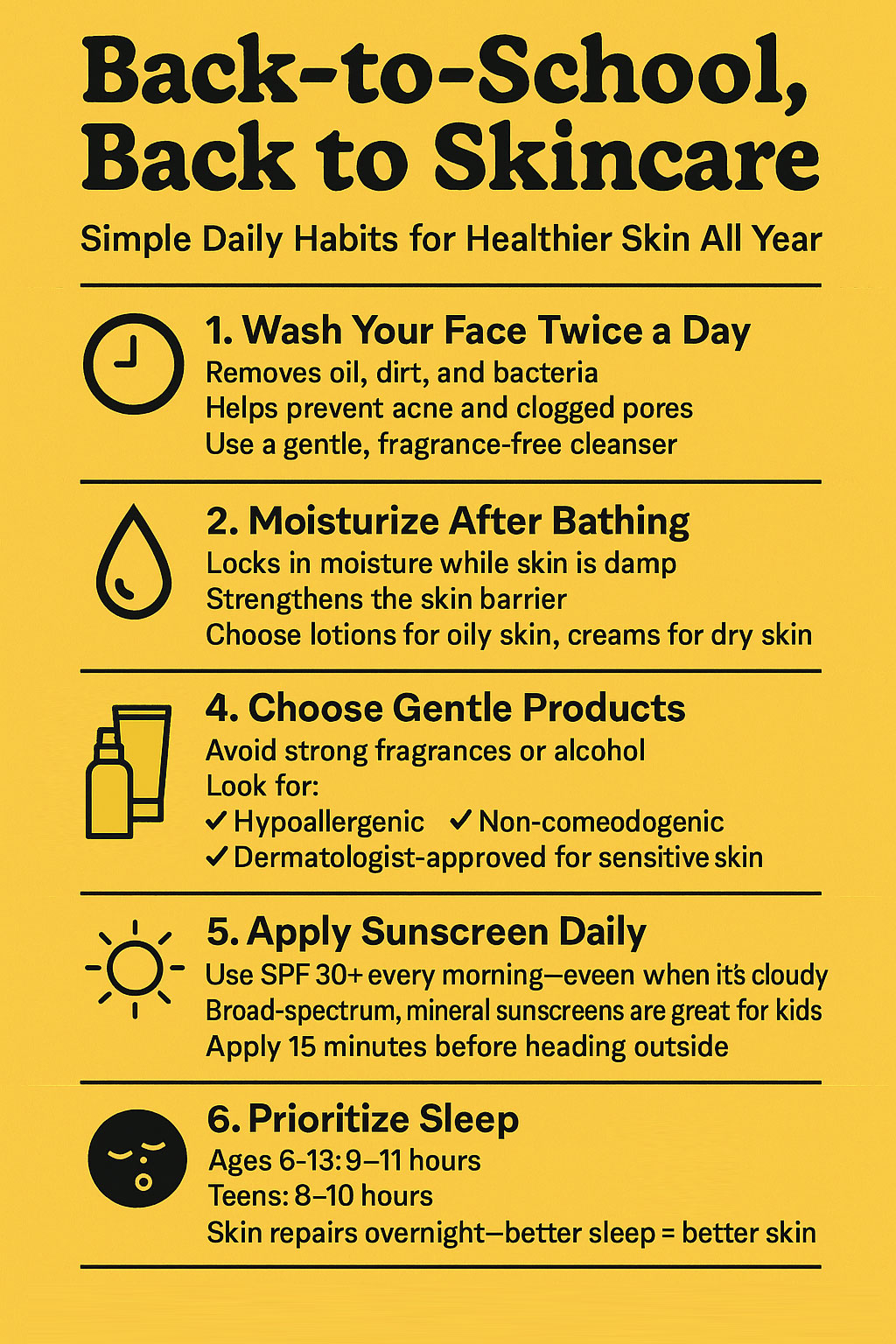
Start with the basics before adding complexity. Every skincare routine needs a cleanser, moisturizer, and sunscreen. These three products create a solid foundation for healthy skin.
- Cleanser:Removes dirt and oil without stripping moisture.
- Moisturizer:Hydrates and locks in moisture to keep skin balanced.
- Sunscreen:Protects skin from UV damage, preventing premature aging.
Adding serums or treatments can come later once you know how your skin reacts to these essentials.
Ingredients To Look For
Focus on ingredients that target your skin’s concerns while supporting overall health. For dry skin, look for hyaluronic acid and ceramides to boost hydration. If acne is your concern, salicylic acid and niacinamide can help clear and calm the skin.
Antioxidants like vitamin C brighten skin and protect against environmental damage. Peptides and retinol support collagen production, improving firmness and texture. What ingredients have you noticed improve your skin’s look and feel?
Avoiding Harmful Ingredients
Not all ingredients are friendly to your skin. Avoid products with harsh sulfates, alcohols, and synthetic fragrances if your skin is sensitive or prone to irritation. These can dry out your skin or cause redness and breakouts.
Be cautious with strong acids or retinoids when you’re just starting out—they can cause irritation if used incorrectly. Always patch test new products to see how your skin reacts before full application. Isn’t it worth spending a few extra minutes to avoid a painful reaction later?
Building A Basic Routine
Building a basic skincare routine sets the foundation for healthy skin. It does not need to be complicated or time-consuming. Focus on key steps that cleanse, hydrate, and protect your skin daily. Consistency matters more than the number of products. Start simple and learn how your skin reacts. This approach helps create habits that last.
Cleansing Techniques
Cleansing removes dirt, oil, and makeup from your skin. Use a gentle cleanser suited for your skin type. Wet your face with lukewarm water before applying cleanser. Massage the product onto your face in circular motions for about 30 seconds. Rinse thoroughly and pat dry with a soft towel. Avoid harsh scrubbing to prevent irritation.
Moisturizing Tips
Moisturizing keeps your skin soft and hydrated. Choose a moisturizer that matches your skin’s needs—light for oily skin, richer for dry skin. Apply moisturizer to slightly damp skin to lock in moisture. Use gentle upward strokes to spread the product evenly. Don’t forget your neck and décolletage area. Moisturizing twice a day helps maintain skin balance.
Sun Protection Importance
Sun protection prevents skin damage and premature aging. Use a broad-spectrum sunscreen with at least SPF 30 every day. Apply sunscreen 15 minutes before going outside. Reapply every two hours or after swimming or sweating. Wearing hats and sunglasses adds extra protection. Sun care is essential even on cloudy days or indoors near windows.
Adding Advanced Steps
Adding advanced steps to your skincare routine helps enhance skin health. These steps target specific concerns and boost the effects of basic care. Start slow and choose products that match your skin type. Consistency is key for visible results.
Exfoliation Methods
Exfoliation removes dead skin cells to reveal fresh skin underneath. It improves skin texture and brightens the complexion. Choose between physical exfoliants, like scrubs, or chemical exfoliants, such as AHAs and BHAs. Use exfoliants 1-2 times per week to avoid irritation. Always follow with sunscreen during the day.
Incorporating Serums
Serums contain active ingredients that target specific skin issues. They have a lightweight texture and absorb quickly. Popular serums include vitamin C for brightness, hyaluronic acid for hydration, and niacinamide for calming. Apply serums after cleansing and toning but before moisturizing. A small amount goes a long way.
Using Face Masks
Face masks provide a concentrated treatment to improve skin condition. There are different types for hydration, detox, or soothing purposes. Use masks 1-3 times weekly depending on skin needs. Apply on clean skin and leave on for the recommended time. Rinse off gently and follow with moisturizer for best results.
Daily Skincare Habits
Daily skincare habits shape the health and appearance of your skin more than any single product ever could. Consistency is key, and small actions repeated every day lead to lasting results. What you do each morning and evening, along with how you treat your body inside, creates a foundation for clear, glowing skin.
Morning Routine Essentials
Starting your day with a clean face sets the tone for your skin. Use a gentle cleanser to remove sweat and oils accumulated overnight without stripping moisture.
Follow with a lightweight moisturizer that suits your skin type—hydration early in the day keeps your skin balanced.
Don’t skip sunscreen, even if you’re indoors. UV rays can reach you through windows and cause damage over time.
- Cleanser
- Moisturizer
- Sunscreen (SPF 30 or higher)
Evening Routine Essentials
Evening is your chance to repair and refresh your skin. Remove all makeup and dirt with an effective cleanser to prevent clogged pores.
Consider adding a serum or treatment targeted to your skin concerns, such as acne or dullness.
Seal in moisture with a nourishing night cream to help your skin recover while you sleep.
- Makeup remover/cleanser
- Targeted serum or treatment
- Night cream or moisturizer
Hydration And Diet Impact
Your skin reflects what you put inside your body. Drinking enough water daily keeps your skin plump and supports natural detoxification.
Foods rich in antioxidants, like berries and leafy greens, fight skin damage and inflammation.
Have you noticed how eating too much sugar or processed foods can trigger breakouts or dullness? Adjusting your diet can be as powerful as changing your skincare products.
Common Mistakes To Avoid
Starting a skincare routine can be exciting. Avoiding common mistakes helps keep your skin healthy and glowing.
Many beginners make simple errors that harm their skin or slow results. Knowing what to avoid saves time and frustration.
Over-exfoliating
Exfoliating removes dead skin cells but too much causes irritation. It can make skin dry and red.
Limit exfoliation to 1-2 times per week. Use gentle scrubs or mild chemical exfoliants. Always follow product instructions carefully.
Skipping Sunscreen
Sun damage leads to wrinkles, dark spots, and skin cancer. Sunscreen protects against harmful UV rays every day.
Choose a broad-spectrum sunscreen with SPF 30 or higher. Apply it even on cloudy days. Reapply every two hours if outdoors.
Mixing Incompatible Products
Certain skincare ingredients do not work well together. Mixing them causes redness, dryness, or breakouts.
Avoid combining retinol with vitamin C or acids. Check product labels and separate active ingredients in your routine.

Credit: www.reddit.com
Tracking Your Progress
Tracking your progress is a key part of starting a skincare routine. It helps you see what works and what doesn’t, saving you time and money. Without tracking, it’s easy to get frustrated or give up too soon.
Setting Realistic Goals
Start by defining clear, achievable goals for your skin. Instead of aiming for “perfect skin,” focus on specific improvements like reducing dryness or calming redness. Setting small goals helps you stay motivated and notice real changes over time.
Ask yourself what your skin really needs. Do you want more hydration, less oil, or fewer breakouts? Write these goals down and revisit them regularly to keep your routine on track.
Noticing Skin Changes
Pay attention to your skin every day, but don’t expect instant results. Skin renewal takes time, usually about 4 to 6 weeks. Taking photos weekly can help you spot subtle changes you might miss in the mirror.
Keep a simple journal or use an app to note how your skin feels and looks each day. Track things like texture, brightness, and any irritation. This habit reveals patterns and helps you understand your skin better.
Adjusting Routine Accordingly
Your skin will tell you when something isn’t working. If you notice increased dryness or breakouts, it’s time to tweak your routine. Maybe you need to add a moisturizer or skip a product that causes irritation.
Don’t be afraid to experiment slowly. Change one product at a time and give it a few weeks before deciding if it’s effective. This careful approach prevents confusion and helps you build a routine that truly suits your skin.
Credit: www.lemon8-app.com
Frequently Asked Questions
What Are The Basic Steps In A Skincare Routine?
A basic skincare routine includes cleansing, toning, moisturizing, and sun protection. Cleanse twice daily to remove dirt. Tone to balance skin pH. Moisturize to hydrate. Always apply sunscreen in the morning to protect against UV damage and premature aging.
How Do I Choose Products For My Skin Type?
Identify your skin type: oily, dry, combination, or sensitive. Select products formulated specifically for your skin. Use gentle cleansers for sensitive skin. Opt for oil-free moisturizers if oily. Hydrating products suit dry skin. Always patch-test new products to avoid reactions.
When Is The Best Time To Start Skincare Routines?
You can start a skincare routine at any age. Early twenties is ideal to prevent future damage. Consistency is key for effective results. Adjust your routine as your skin changes over time for optimal care.
How Often Should I Update My Skincare Routine?
Update your skincare routine every 3-6 months or with seasonal changes. Skin needs vary with weather, age, and lifestyle shifts. Introduce new products gradually to monitor effects. Regularly assess your skin to keep it healthy and glowing.
Conclusion
Starting a skincare routine can feel simple and rewarding. Choose gentle products that fit your skin type. Cleanse, moisturize, and protect your skin daily. Be patient; results take time to show. Listen to your skin and adjust as needed. Healthy skin supports confidence and comfort every day.
Keep your routine consistent for the best outcome. Small steps lead to better skin health over time. Your skin deserves care and attention—start today.
