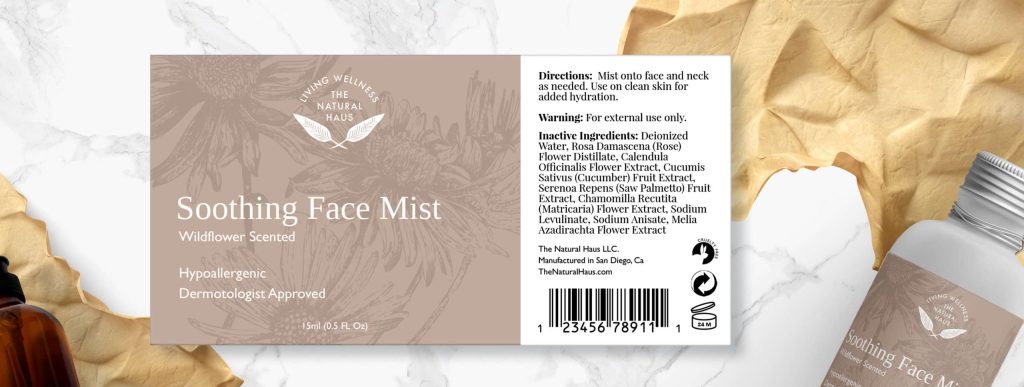
Are you tired of feeling overwhelmed by the endless beauty product options on the shelves? You’re not alone.
The world of skincare and cosmetics can be a confusing maze of ingredients, promises, and fine print. But what if you could confidently choose the right products for your skin type and needs? Understanding beauty product labels is the key to unlocking this power.
Imagine the peace of mind you’d feel knowing exactly what you’re putting on your skin. In this guide, you’ll discover how to effortlessly decode those labels, helping you make smarter, healthier choices. Ready to become a more informed beauty shopper? Let’s dive in and unveil the secrets hidden in plain sight.
Credit: www.saafskin.com
Why Labels Matter
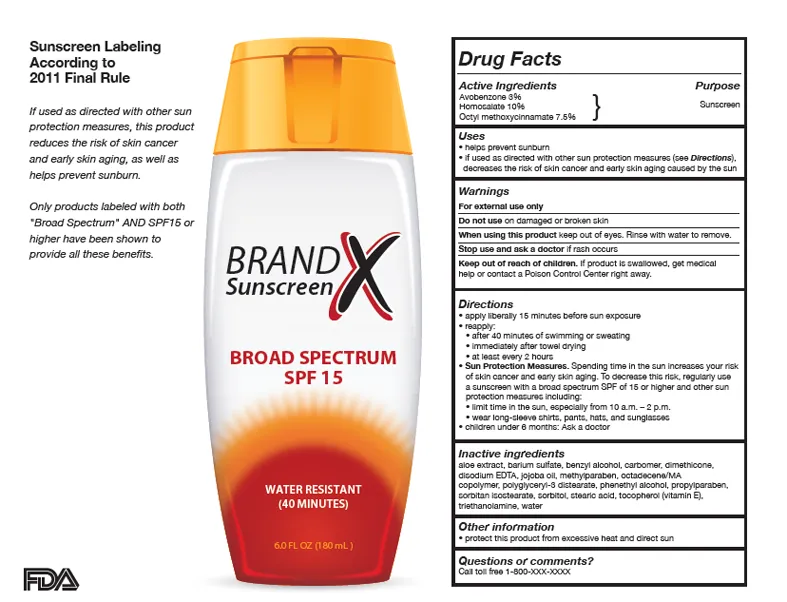
Beauty product labels hold key information about what you put on your skin. They reveal ingredients, their purpose, and safety details. Reading labels helps you make smart choices that suit your skin type and needs.
Labels also protect you from harmful chemicals and allergens. Knowing what is inside a product avoids bad reactions and supports healthier skin care habits. This knowledge empowers you to select products that improve your skin’s condition over time.
Ingredients Impact On Skin
Every ingredient in a product affects your skin differently. Some moisturize, others clean or protect. Reading labels shows which ingredients work best for dry, oily, or sensitive skin.
Natural oils and vitamins nourish the skin gently. Chemical ingredients might cause dryness or irritation. Checking the label helps you pick products that support your skin’s health.
Avoiding Harmful Substances
Some beauty products contain harmful substances. These can cause long-term damage or allergic reactions. Labels list ingredients like parabens, sulfates, and synthetic dyes that you might want to avoid.
Choosing products without these substances can reduce risk of irritation and protect your skin’s natural barrier. Reading labels helps you stay safe and confident about your skincare choices.
Spotting Allergens
Allergens in beauty products cause redness, itching, or swelling. Labels reveal common allergens such as fragrances, nuts, and preservatives. This helps prevent unwanted skin reactions.
People with sensitive skin should carefully check for known allergens. Skipping products with these ingredients keeps your skin calm and healthy. Reading labels is the first step to allergy-safe skincare.
Common Ingredients To Know
Understanding the common ingredients in your beauty products can change how you shop and care for your skin. These ingredients play specific roles, and knowing them helps you pick products that truly benefit your skin type and concerns. Let’s break down some key categories you’ll often see on labels.
Moisturizers And Emollients
Moisturizers and emollients keep your skin soft and hydrated. Ingredients like glycerin, hyaluronic acid, and shea butter attract and lock in moisture. If your skin feels dry or tight after washing, look for these ingredients to restore comfort.
Have you ever bought a lotion that felt heavy or greasy? That’s often because of oils like mineral oil or petrolatum. These create a barrier on your skin, which is great for dry skin but might clog pores if you’re prone to acne.
Preservatives And Stabilizers
Preservatives keep your product safe from bacteria and mold, extending its shelf life. Common ones include parabens, phenoxyethanol, and benzyl alcohol. While necessary, some people prefer products without parabens due to sensitivity concerns.
Stabilizers maintain the texture and effectiveness of the product. Ingredients like xanthan gum or carbomers help keep creams smooth and well-blended. If a product separates or feels gritty, it might lack proper stabilizers.
Fragrances And Dyes
Fragrances make your product smell nice, but they can irritate sensitive skin. Synthetic fragrances are common culprits behind redness or itching. If you have sensitive skin, opt for fragrance-free or naturally scented products.
Dyes add color to creams and lotions, but they serve no skin benefit. Look for terms like FD&C or D&C followed by a color and number—these are synthetic dyes. If you want to avoid potential irritants, choose products without added dyes.
Active Ingredients
Active ingredients target specific skin issues like acne, aging, or hyperpigmentation. Retinol, salicylic acid, and vitamin C are popular actives known for their proven results. These ingredients can be powerful, so always check their concentration and how your skin reacts.
Have you noticed how some products promise miracles but don’t deliver? Sometimes, that’s because the active ingredient is too weak or combined with irritants. Reading labels helps you find products with effective doses, saving you time and money.
Decoding Ingredient Lists
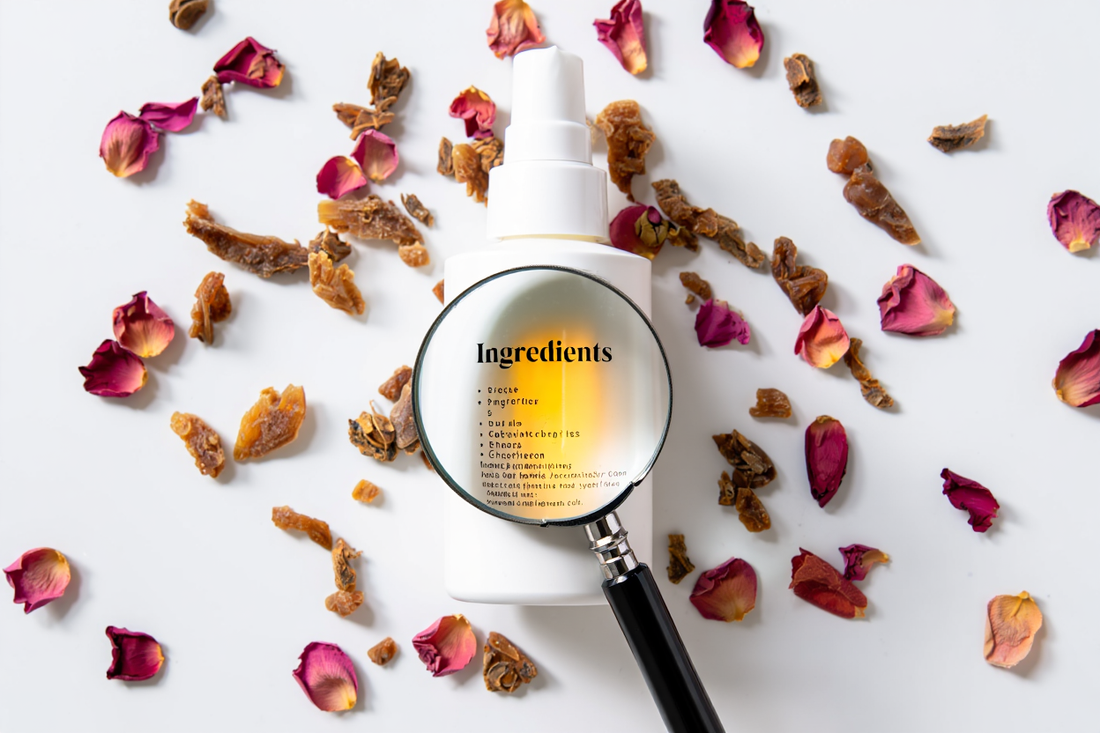
Understanding the ingredient list on beauty products helps you choose items that suit your skin. Each label reveals what is inside the product. Knowing how to read these lists protects your skin and health. It also helps avoid allergens and irritants. Let’s explore the key points to decode these lists easily.
Order And Concentration
Ingredients are listed by amount from highest to lowest. The first few ingredients make up most of the product. Those near the end are in very small amounts. If water is the first ingredient, the product is mostly water. Ingredients under 1% can be listed in any order.
Inci Names Explained
INCI stands for International Nomenclature of Cosmetic Ingredients. These are standard names for ingredients worldwide. They often look scientific or strange. For example, “Aqua” means water. Knowing common INCI names helps identify ingredients. It also shows if the product contains natural or synthetic parts.
Hidden Ingredients
Some ingredients hide under general terms. “Fragrance” or “Parfum” can cover many chemicals. These might cause allergies or irritation. “Natural extracts” may include many plants, but not all are safe. Look for detailed lists or avoid vague words. Watch out for preservatives and parabens that might be listed under different names.
Label Claims And Certifications
Understanding label claims and certifications can save you time and money while helping you choose products that truly match your values and skin needs. These labels offer quick insights into a product’s ingredients, manufacturing process, and ethical standards. But how can you tell which claims are meaningful and which are just marketing tricks?
Organic And Natural Labels
Seeing “organic” or “natural” on a beauty product can feel reassuring, but these terms are not always regulated the same way worldwide. Organic labels often mean the product contains a certain percentage of ingredients grown without synthetic pesticides or fertilizers. Look for certifications from trusted organizations like USDA Organic or COSMOS to verify these claims.
Natural labels are trickier—they suggest fewer artificial ingredients but don’t guarantee safety or quality. Always check the ingredient list yourself instead of relying solely on the label. Have you ever bought a “natural” product only to find harsh chemicals listed?
Cruelty-free And Vegan
Cruelty-free means the product and its ingredients haven’t been tested on animals. Vegan means it contains no animal-derived ingredients. These labels matter if you care about animal welfare or have specific ethical beliefs.
Look for recognized certifications like Leaping Bunny or PETA’s cruelty-free logo. Remember, a product can be cruelty-free but not vegan, so check both if it’s important to you. What does cruelty-free mean to you when choosing skincare?
Hypoallergenic And Dermatologist-tested
Hypoallergenic products claim to cause fewer allergic reactions. However, there’s no official standard for this label, so sensitivity varies by person. If you have sensitive skin, patch testing new products is your best defense.
Dermatologist-tested means a product has been reviewed or tested by a dermatologist, but the extent of testing isn’t always clear. Don’t assume it’s a guarantee of safety for your skin type. Have you ever trusted a “dermatologist-tested” product only to experience irritation?
Tips For Smart Shopping
Shopping for beauty products can feel overwhelming with so many options and fancy labels. Knowing how to read the labels smartly helps you choose products that truly suit your needs without wasting money or risking skin issues. Let’s dive into practical tips that will make your next beauty haul smarter and safer.
Reading Beyond Marketing
Don’t let catchy phrases like “all natural” or “dermatologist approved” fool you. These terms often sound convincing but may not guarantee safety or effectiveness. Instead, focus on the ingredient list and the product’s purpose.
Look for key ingredients that benefit your skin type and avoid known irritants or allergens. For example, if you have sensitive skin, steer clear of fragrances and alcohols. Ask yourself, does this product address your specific concerns, or is it just a trendy hype?
Patch Testing Products
Even if a product looks perfect on paper, your skin might react differently. Always do a patch test before applying new products to your face or body. Apply a small amount on your inner arm and wait 24-48 hours to spot any redness, itching, or swelling.
I once skipped this step and ended up with an uncomfortable rash that took days to heal. Testing saves you from potential discomfort and costly returns. It also helps you build confidence in trying new products safely.
Using Apps And Resources
Technology can be your best shopping buddy. Apps like INCI Beauty or Think Dirty scan product barcodes and break down ingredient safety in simple terms. These tools highlight harmful chemicals and suggest better alternatives.
Websites like the Environmental Working Group (EWG) provide detailed databases on cosmetic ingredients, helping you avoid toxins. Why guess when you can get instant, science-backed insights right in your pocket?
Credit: www.lovelyskin.com
Credit: ecomundo.eu
Frequently Asked Questions
What Do Beauty Product Labels Reveal About Ingredients?
Beauty product labels list all ingredients in descending order by quantity. This helps identify active components and potential allergens. Reading labels ensures you avoid harmful substances and choose products suited to your skin type and needs.
How To Identify Harmful Chemicals On Beauty Labels?
Look for common harmful chemicals like parabens, sulfates, and phthalates on labels. These can irritate skin or cause long-term health issues. Opt for products labeled “paraben-free” or “sulfate-free” for safer choices.
Why Is The Expiration Date On Beauty Products Important?
Expiration dates indicate product safety and effectiveness. Using expired products can cause skin irritation or infections. Always check the date to ensure the product is fresh and safe to use.
How Can I Understand Skincare Product Claims On Labels?
Claims like “non-comedogenic” or “dermatologist-tested” indicate product benefits. However, verify these claims with ingredient lists and reviews. Understanding claims helps in choosing products that truly match your skin’s needs.
Conclusion
Reading beauty product labels helps you choose safer options. Know the ingredients to avoid allergies and irritations. Focus on key terms like “natural,” “fragrance-free,” or “non-comedogenic. ” Always check the expiration date for product safety. Clear labels make shopping easier and smarter.
Trust your skin by understanding what you apply. Small steps lead to better skin health. Stay informed, stay confident with every purchase.
