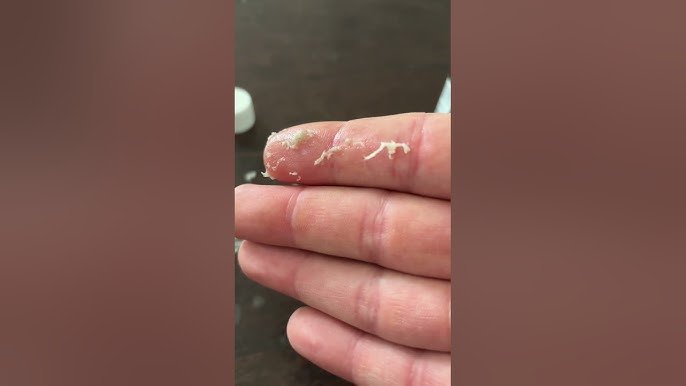
Have you ever found yourself in a messy situation with oil paint smudged all over your skin? It’s a common problem for artists and DIY enthusiasts alike.
The vibrant and rich texture of oil paint is incredible on canvas, but it can be quite stubborn when it clings to your skin. You might feel frustrated, wondering how to remove it without harming your skin. Don’t worry; you’re not alone, and there are effective methods to tackle this issue.
In this guide, you’ll discover simple yet powerful techniques to safely and quickly remove oil paint from your skin. Keep reading to learn these handy tips and regain your peace of mind while keeping your skin healthy and paint-free.
Common Challenges With Oil Paint On Skin
Oil paint can be tricky to remove from skin. It sticks tightly and does not wash off easily. Many people face common problems when trying to clean it.
Understanding these challenges helps in finding the best removal methods. It also prevents skin irritation and damage.
Oil Paint’s Strong Stickiness
Oil paint adheres firmly to skin. It seeps into small lines and pores. This makes simple washing with soap and water ineffective.
Slow Drying Time
Oil paint dries slowly on skin. The longer it stays, the harder it becomes to remove. Dry paint can crack and flake, leaving residues behind.
Risk Of Skin Irritation
Many oil paints contain chemicals that irritate sensitive skin. Rubbing hard or using harsh cleaners can cause redness or dryness.
Difficulty In Removing Oil Base
Oil paint is made with oils and pigments. Water alone cannot dissolve these oils. Special solvents or oils are needed for removal.
Staining And Residue Issues
Oil paint can leave stains on skin for hours or days. Some pigments are deeply colored and hard to wash away fully.
Safe Materials For Removing Oil Paint
Removing oil paint from your skin can be tricky, especially if you want to avoid harsh chemicals that irritate or damage your skin. Choosing safe materials is essential for protecting your skin’s natural barrier while effectively breaking down the paint. Let’s look at options that are gentle, accessible, and practical for cleaning up without worry.
Household Items That Work
You might already have effective paint removers right in your kitchen or bathroom. Items like olive oil and dish soap can loosen oil paint without causing dryness or redness.
- Olive Oil or Coconut Oil:These oils break down paint gently. Rub a small amount onto the paint spots and massage for a few minutes before wiping away with a soft cloth.
- Dish Soap:A mild dish soap combined with warm water can help lift paint residues. It’s especially useful after using oils to remove leftover grime.
- Baking Soda Paste:Mix baking soda with a little water to form a paste. This acts as a mild abrasive to scrub away stubborn paint without harming your skin.
Have you tried using any of these before? Many artists swear by olive oil as a natural, skin-friendly alternative to chemical solvents.
Commercial Removers To Consider
If household items aren’t cutting it, there are commercial products designed specifically for removing oil paint safely from skin. Look for options that emphasize gentle formulas and skin nourishment.
- Goo Gone Pro-Power Adhesive Remover:This product is effective and safe for skin, breaking down paint without harsh solvents.
- Baby Oil or Mineral Oil-Based Removers:These are often used by artists to clean brushes and skin. They hydrate your skin while dissolving paint.
- Specialized Artist Hand Cleaners:Brands like Motsenbocker’s Lift Off create hand cleaners tailored for paint removal with skin-friendly ingredients.
Choosing the right commercial remover depends on your skin sensitivity and the amount of paint to remove. Why settle for harsh chemicals when safer, skin-loving options exist?
Step-by-step Removal Process
Removing oil paint from your skin can feel tricky, but a clear process makes it manageable and gentle. The key is to act promptly and carefully, using the right techniques to avoid irritation. Here’s a detailed approach that keeps your skin safe while effectively clearing away paint.
Initial Wiping Techniques
Start by gently wiping off any excess paint with a dry cloth or paper towel. Avoid rubbing hard—this can spread the paint or push it deeper into your pores.
If the paint is still wet, use a soft cloth to blot the area instead of wiping. This helps lift paint without smearing it across your skin.
Have you noticed how a simple, gentle touch can make a big difference in cleanup? This first step sets the tone for easier removal later.
Using Solvents Safely
Choose a mild solvent like vegetable oil, baby oil, or olive oil to break down the paint without harsh chemicals. Apply a small amount to a cotton ball or your fingertips and rub it onto the paint spots.
Be cautious with stronger solvents like turpentine or mineral spirits. Use them sparingly and only if oils don’t work, as they can dry out or irritate your skin.
Always test a small skin area first to check for sensitivity. Remember, your skin’s health is more important than speed.
Gentle Cleaning And Moisturizing
After the paint loosens, wash the area with warm water and a mild soap to remove residue. Use your fingertips to clean softly—avoid scrubbing harshly.
Dry your skin by patting it with a towel, then apply a soothing moisturizer or aloe vera gel. This helps restore your skin’s natural barrier and prevent dryness.
Have you tried moisturizing right after cleaning? It often stops irritation before it starts, keeping your skin happy and healthy.

Credit: www.youtube.com
Tips To Prevent Skin Irritation
Getting oil paint off your skin can be tricky, but preventing irritation is even more important. Your skin is sensitive and can react badly to harsh chemicals often found in paint removers. Taking some simple precautions can keep your skin healthy while you enjoy your painting projects.
Choosing The Right Products
Not all paint removers are created equal. Look for gentle, skin-friendly options like baby oil, olive oil, or specially formulated paint removers designed for sensitive skin.
Avoid harsh solvents like turpentine or acetone, which can strip your skin’s natural oils and cause redness or dryness. If you prefer natural options, coconut oil works well to break down oil paint without irritation.
Have you tried using a mild soap right after removing the paint? It helps clean residual oils without causing discomfort. Always patch-test new products on a small skin area before full use.
Aftercare For Sensitive Skin
Once the paint is off, your skin needs gentle care. Rinse with lukewarm water, not hot, to avoid further dryness or irritation.
Apply a fragrance-free moisturizer immediately to restore hydration. Look for products with ingredients like aloe vera or shea butter to soothe the skin.
If you notice redness or itching, consider using over-the-counter hydrocortisone cream to reduce inflammation. And don’t forget to protect your skin next time by applying a barrier cream or wearing gloves during painting sessions.
When To Seek Medical Advice
Knowing when to seek medical advice after getting oil paint on your skin is important. Most cases are harmless and can be treated at home. Some situations need professional care to avoid complications.
Watch for signs that suggest the paint might cause harm. These signs can indicate an allergic reaction or skin damage. Prompt medical help can prevent problems from getting worse.
Severe Skin Irritation Or Rash
Look for intense redness or swelling around the paint area. If a rash appears and spreads quickly, get medical advice. It may mean your skin is reacting badly to the paint chemicals.
Persistent Pain Or Burning Sensation
Minor discomfort is normal but sharp pain is not. Burning that lasts more than a few minutes needs checking. It could mean the skin is damaged by the paint or solvents.
Signs Of Infection
Infection symptoms include pus, warmth, or increased swelling. Fever or chills after paint contact require urgent medical attention. Infections need treatment with antibiotics to heal properly.
Large Area Of Skin Covered
If paint covers a large part of your body, seek help. More exposure increases risk of harmful effects. Medical professionals can advise on safe removal and care.
Breathing Difficulties Or Swelling Of Face
Difficulty breathing or swelling around the mouth and eyes is serious. These signs could mean a severe allergic reaction. Call emergency services immediately in such cases.
Credit: benchmarkabrasives.com

Credit: www.yahoo.com
Frequently Asked Questions
How Can I Quickly Remove Oil Paint From Skin?
Use a gentle oil-based cleanser or baby oil to break down the paint. Rub it softly, then wash with soap and warm water. Repeat if necessary to avoid skin irritation.
Is It Safe To Use Household Oils For Paint Removal?
Yes, oils like olive or coconut oil safely dissolve oil paint on skin. They moisturize while cleaning, reducing dryness and irritation. Avoid harsh chemicals for better skin health.
What Should I Avoid When Removing Oil Paint From Skin?
Avoid using strong solvents like turpentine or paint thinner directly on skin. These can cause burns or allergic reactions. Stick to gentle oils and mild soap for safe removal.
How To Treat Skin After Removing Oil Paint?
After removal, rinse skin thoroughly and apply a moisturizer. This helps restore natural oils and prevents dryness or cracking caused by paint and cleaning.
Conclusion
Removing oil paint from skin does not have to be hard. Use gentle soap and warm water first. Oils or baby oil help break the paint. Avoid harsh scrubbing to protect your skin. Pat dry and apply moisturizer after cleaning.
This keeps your skin soft and healthy. Clean paint off soon for easier removal. Small steps make a big difference. Keep these tips in mind next time you paint. Your skin will thank you.
