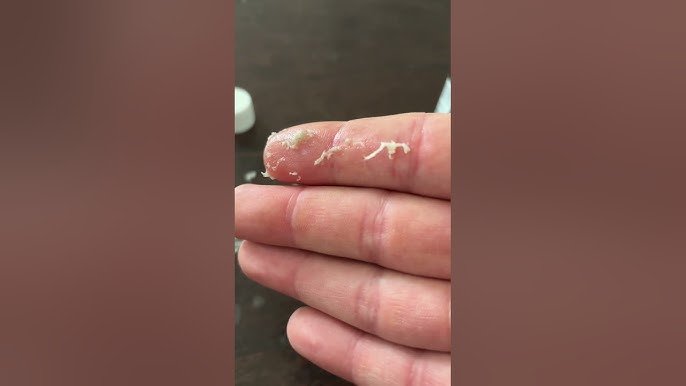
Ever ended up with oil-based paint on your skin after a creative session or home improvement project? You’re not alone.
The stubborn nature of oil-based paint can make it difficult to remove, and scrubbing away vigorously might not always be the best solution. Imagine effortlessly wiping away that paint without damaging your skin or spending hours trying different methods. Intrigued?
Keep reading to discover simple and effective techniques that will leave your skin paint-free and feeling smooth. Uncover the secrets to avoiding common mistakes and learn how to make cleanup a breeze, ensuring your next project ends with clean hands and a smile.

Credit: www.yahoo.com
Why Oil Paint Sticks To Skin
Oil-based paint sticks to your skin because of its unique chemical makeup and how it interacts with your body’s natural oils. Unlike water-based paints, oil paint is made with pigments suspended in oil, which creates a thick, sticky texture that clings easily to surfaces. This means it doesn’t wash off with just water, making it stubborn to remove from your skin.
Have you ever noticed how your hands feel greasy after handling oil paint? That’s because the oil in the paint bonds with the natural oils on your skin. This bond creates a layer that resists water and regular soap, which is why simply washing your hands often won’t do the trick.
How Oil Paint’s Oil Base Affects Skin Adhesion
The oil in oil-based paint is hydrophobic, meaning it repels water. Your skin’s surface also produces oils that attract the paint’s oily components, creating a strong attachment. This is why water alone won’t break down the paint once it’s on your skin.
Think about cooking oil on your hands—it’s slippery but hard to remove with water alone. Oil paint behaves similarly but is even thicker and sticks more firmly because of the added pigments and binders.
The Role Of Pigments And Binders In Paint Sticking
Pigments give oil paint its color, but they also add texture and weight. Binders, which are usually oils like linseed oil, help hold these pigments together and attach the paint to surfaces, including your skin.
This combination makes the paint both sticky and durable. The binders penetrate the tiny pores on your skin, making it harder to wash off with just soap and water.
Why Water-based Products Don’t Work On Oil Paint
Water and oil don’t mix. Since oil paint is oil-based, water-based products can’t dissolve or lift it from your skin. This is why you’ll often find yourself scrubbing harder with soap and water but seeing little result.
Instead of wasting effort, you need to use products that can break down oil, like certain solvents or oil-based removers. Have you tried using cooking oil or baby oil on paint stains? They can help loosen the paint by blending with the oil base.
Credit: benchmarkabrasives.com
Immediate Steps To Take
Getting oil-based paint on your skin can be frustrating, especially when you want to clean it off quickly and safely. Acting fast makes a big difference in preventing the paint from setting into your skin. Here’s what you should do immediately to minimize the mess and protect your skin from irritation.
Remove Excess Paint Carefully
Start by gently scraping off any thick paint with a blunt edge, like a credit card or a plastic scraper. Avoid using sharp tools that might scratch your skin. Removing the bulk of the paint quickly helps reduce the amount you need to wash off later.
Use A Suitable Solvent
Apply a small amount of a skin-safe solvent such as baby oil, mineral oil, or even olive oil. These oils help break down the paint without harsh chemicals that can irritate your skin. Rub the oil into the paint spots using circular motions to loosen the paint.
Wash With Soap And Warm Water
After loosening the paint, wash your skin thoroughly with warm water and a mild soap. Dish soap often works well because it cuts through grease effectively. Rinse your hands multiple times to ensure all the paint and oil are removed.
Moisturize To Soothe Your Skin
Once the paint is off, apply a gentle moisturizer to prevent dryness or irritation. Oil-based paints and solvents can strip natural oils from your skin, leaving it dry and uncomfortable. Taking care of your skin afterward keeps it healthy and ready for your next project.
Using Household Items To Remove Paint
Removing oil-based paint from skin can seem tough. Harsh chemicals are not always needed. Many household items work well to lift paint gently. These common products are safe and usually found in your home. They help break down the paint without hurting your skin.
Soap And Warm Water
Start with soap and warm water. Use a mild soap to avoid irritation. Rub your skin gently in circular motions. Warm water softens the paint and makes removal easier. Rinse often and repeat if needed. This method works best for fresh or small paint spots.
Olive Oil Or Vegetable Oil
Olive oil or vegetable oil can dissolve paint effectively. Apply a small amount to the painted area. Massage the oil into the skin for a few minutes. Oils break down the paint’s grip without drying your skin. After loosening the paint, wash with soap and warm water. Oils also keep skin soft during removal.
Baby Oil And Lotion
Baby oil combined with lotion soothes skin while removing paint. Apply baby oil directly on the paint. Let it sit for a minute to soften the paint. Use lotion to rub gently over the area. Both help to lift paint without harsh scrubbing. Clean the skin with soap and water afterward.
Peanut Butter Trick
Peanut butter works surprisingly well on dried paint. Spread a thin layer over the paint stain. The oils in peanut butter loosen the paint’s hold. Let it sit for about five minutes. Rub gently and wipe away with a cloth. Finish by washing skin with soap and water. Avoid if allergic to peanuts.
Specialized Products For Paint Removal
Specialized products for removing oil-based paint from your skin offer powerful solutions when soap and water just won’t do. These products are designed to break down tough paint without causing excessive skin irritation. Choosing the right one can save you time and frustration, especially if you paint often or work with challenging materials.
Paint Thinner And Mineral Spirits
Paint thinner and mineral spirits are popular choices for dissolving oil-based paint on skin. They work by breaking down the paint’s oily components, making it easier to wipe away.
Use a small amount on a clean cloth or cotton ball and gently rub the affected area. Avoid soaking your skin, as these solvents can dry it out or cause irritation.
After using paint thinner or mineral spirits, wash your skin thoroughly with soap and water. Applying a moisturizer afterward helps restore natural oils and prevents dryness.
Commercial Paint Removers
Commercial paint removers designed specifically for skin are another effective option. These products often contain less harsh chemicals and include skin conditioners to reduce irritation.
Look for removers labeled as “safe for skin” or “hand cleaner” which are usually formulated to be gentler. They can come in gel, lotion, or wipe form for easy application.
Applying a commercial remover can be quick and convenient, especially if you’re dealing with large areas of paint. Just follow the instructions on the label and rinse well afterward.
Tips To Protect Your Skin During Cleanup
Handling oil-based paint cleanup can be harsh on your skin if you’re not careful. Protecting your skin during the process is essential to avoid irritation and long-term damage. Simple precautions can make the cleanup safer and more comfortable for you.
Wear Protective Gloves
Always put on gloves before starting any paint cleanup. Gloves act as a barrier, preventing paint and harsh chemicals from touching your skin. Choose gloves made of nitrile or latex for flexibility and effective protection.
Use Gentle Cleansers
Harsh soaps can dry out your skin even more after paint removal. Instead, opt for mild, moisturizing cleansers to wash the affected area. These help remove paint while keeping your skin hydrated.
Apply Moisturizer Immediately
After cleaning, your skin may feel dry or irritated. Apply a thick, fragrance-free moisturizer to soothe and repair the skin barrier. This step helps prevent cracking and redness.
Avoid Prolonged Contact With Solvents
Solvents like turpentine or mineral spirits are effective but can be harmful if left on the skin too long. Use them sparingly and wash them off quickly. Have a clean cloth and water nearby to rinse promptly if needed.
Keep Your Skin Hydrated Throughout The Day
Regularly drink water and reapply moisturizer during cleanup breaks. Hydrated skin withstands irritation better and recovers faster. Ask yourself: Are you paying enough attention to your skin’s needs during this messy task?

Credit: www.youtube.com
When To Seek Medical Advice
Knowing when to seek medical advice after getting oil-based paint on your skin is important. Most cases can be handled at home with proper cleaning. Yet, some situations need professional care to avoid health risks and skin damage.
Watch for signs that suggest the paint is causing more harm than just a stain. Early action can prevent infections and other complications.
Signs Of An Allergic Reaction
Redness, itching, or swelling around the painted area may indicate an allergy. If the skin feels hot or shows a rash, get medical help. Allergies can worsen quickly without treatment.
Persistent Skin Irritation
If irritation lasts more than a day after cleaning, see a doctor. Burning or pain that does not go away needs attention. Prolonged irritation might mean the paint has harmed the skin deeply.
Large Area Coverage
Getting paint on a large part of the body can be risky. Remove as much paint as possible at home. Visit a healthcare professional if a big area remains affected or if you feel unwell.
Signs Of Infection
Watch for pus, increased redness, or warmth around the area. Fever or swollen lymph nodes are serious signs. These symptoms require prompt medical evaluation to prevent spread.
Exposure To Harmful Chemicals
Oil-based paints contain strong solvents that can be toxic. If paint gets into cuts, eyes, or mouth, seek medical advice immediately. Some chemicals can cause poisoning or severe skin damage.
Frequently Asked Questions
How Can I Remove Oil Based Paint From Skin Safely?
Use baby oil or olive oil to soften the paint. Gently rub the area with a cotton ball. Wash with warm soapy water afterward. Avoid harsh chemicals to protect your skin.
What Household Items Help Remove Oil Based Paint?
Common items like vegetable oil, baby oil, or peanut butter work well. They break down the paint’s oils, making removal easier. Always wash your skin thoroughly after treatment to avoid irritation.
Is It Safe To Use Paint Thinner On Skin?
No, paint thinner is toxic and can irritate or damage skin. It’s best to avoid using it directly. Opt for gentle oils or commercial skin-safe paint removers instead.
How Long Does It Take To Remove Oil Paint From Skin?
With proper treatment, paint usually comes off within 5 to 10 minutes. Soften the paint first, then gently rub it away. Repeat if necessary, but avoid scrubbing too hard.
Conclusion
Removing oil-based paint from skin does not have to be hard. Use safe household items like soap, oil, or lotion to help. Gently rub the paint without hurting your skin. Always wash your hands well after cleaning. Keep your skin moisturized to avoid dryness.
Remember, patience works best. This simple care keeps your skin healthy and paint-free. Try these steps next time paint gets on your skin. You will feel clean and comfortable again.
